Why the First Dental Visit Matters More Than You Think
Most parents assume the first dentist visit waits until a child has a mouth full of teeth or can sit still in the chair. The reality is far earlier. The American Academy of Pediatric Dentistry recommends that a child's first dental visit occur by age 1 or within six months of the first tooth erupting, whichever comes first, as outlined in their official policy. This early milestone is not about finding problems; it's about establishing a dental home and building a foundation of trust before any discomfort or anxiety can take root.
The rationale behind the age-one visit is both preventive and educational. At this stage, a dentist can assess the early development of the jaw, check for signs of baby bottle tooth decay, and guide parents on everything from proper brushing technique to the role of fluoride and diet. The New York State Department of Health's infant oral health guidance emphasizes that these early visits help prevent problems before they start, rather than simply reacting to them later. It's a proactive approach that saves discomfort, expense, and worry down the road.
For many families, the idea of a dental visit before the age of two brings up questions about cooperation and necessity. The University of Rochester Medical Center notes that even a brief lap-to-lap exam can feel natural with the right preparation. This early experience sets the tone: children who meet the dentist in a friendly, low-pressure environment are far more likely to view dental care as a normal part of life. That positive association sticks, shaping their attitude toward oral health for years to come.
When Should the First Appointment Happen?
 Pediatric dentists and major health organizations, including the American Academy of Pediatric Dentistry, agree that a child should have their first dental visit by age 1, or within six months after the first tooth erupts, whichever comes first. The American Academy of Pediatric Dentistry's policy statement on the Age One Dental Visit makes this timing a formal recommendation. This early start is not about treating problems yet; it is about prevention, education, and building a positive relationship with dental care from the very beginning.
Waiting until a child is older or until a problem appears is a common but risky mistake. According to the Centers for Disease Control and Prevention, tooth decay is one of the most common chronic diseases in children. Yet early visits can catch issues while they are still small and easily treatable. The earlier a child sees a dentist, the better the chance of avoiding serious dental problems later.
What Happens at the First Dental Visit?
The short answer: by your child's first birthday, or within six months of their first tooth erupting, whichever comes first. That guidance comes straight from the American Academy of Pediatric Dentistry, which laid it out in its recommendation on the age one dental visit. It might feel early, especially when that first tooth often shows up around six months. But the point isn't to fix problems yet. It's to catch them before they start, and to turn a routine checkup into a normal, friendly part of life.
Waiting until a child is three or four to book that first appointment is a common and understandable guess, but it works against the goals of prevention. A toddler who has never sat in a dental chair is far more likely to feel anxious about it later. Early visits build comfort through repetition, and they let the dentist spot early signs of decay long before they become painful. In fact, the American Academy of Pediatric Dentistry notes that children who see the dentist by age one are far more likely to have good oral health habits later, and far less likely to need emergency care. Those early years are when the foundation for a lifetime of healthy smiles gets laid.
Why One Is the Magic Number
By the first birthday, most children have several teeth, and some already show signs of early decay, especially if they've been falling asleep with a bottle. A first visit at this age is mostly about education: showing parents how to clean those tiny teeth, how to handle teething, and how diet affects oral health. It also lets the dentist check for developmental issues early, when they're much easier to treat. The New York State Department of Health emphasizes that infant oral health is the foundation for good oral health throughout life, and that the first visit should happen no later than 12 months of age.
Exam. The dentist gently checks the child's teeth, gums, and bite for early signs of decay or developmental problems. This is a quick, low-pressure look, not a full cleaning.
Education. Parents get personalized guidance on cleaning techniques, fluoride use, and diet, all tailored to the child's specific age and needs.
Early care. The visit establishes a dental home where the child receives routine preventive care in a familiar, comfortable place, reducing future anxiety.
That gummy baby smile will never need a filling yet, but the appointment matters more than any single procedure ever could. It sets the pattern for every checkup to come. As the University of Rochester Medical Center explains, these early visits help children accept regular dental care without fear, because they learn what to expect in a safe, supportive environment.
What Actually Happens at That First Visit
For a first visit, especially before age three, the appointment is short and focused on the parent and child together. The pediatric dentist will ask about feeding habits, pacifier use, and any concerns you have. Then they'll do a quick lap-and-exam, often with the child sitting in your lap, to check the teeth and gums. It's not the deep-cleaning-and-polish routine that older kids get. Instead, it's an introduction. At Loud Family Dentistry in Shreveport, we use this time to teach parents exactly how to care for those early teeth, including how to brush a one-year-old's teeth and when to introduce fluoride.
Most children receive their first bitewing X-rays around ages four to six, once the back teeth start touching, as our guide on preparing for a child's first dental X-ray explains. That means the infant and toddler years are mostly about exams, education, and habit-building, not high-tech procedures.
Still, even the best run-throughs can feel overwhelming. That's why our detailed guide on what happens during a child's first dental visit walks through every step, so nothing comes as a surprise.
The Age-One Visit Checklist
- Book the appointment by the first birthday, or six months after the first tooth appears.
- Bring your child fed and rested, so they're cooperative and good-natured.
- Write down any questions you have about teething, pacifier use, or thumb-sucking.
- Expect to hold your child for most of the exam, which helps them stay calm and secure.
- Leave with a clear plan for at-home care, cleaning routines, and the next visit date.
| Age | Typical Focus | Reason for Timing |
|---|---|---|
| 6-12 months | First tooth pops through, scheduling the first visit | Catch problems early and start a relationship with the dentist |
| 1-3 years | Short, educational visits focused on cleaning and habit guidance | Builds comfort and prevents fear of dental visits |
| 3-5 years | Routine checkups, possibly including gentle cleaning and fluoride | Monitors bite and tooth development during rapid growth |
| 6+ years | First X-rays and more complex exams | Adult teeth come in; new risks like cavities between teeth appear |
How Loud Family Dentistry Makes the First Visit Easy
At Loud Family Dentistry, we treat the age-one visit as the start of a long, friendly relationship, not a one-off appointment. Our team takes time to explain everything in plain language, both to you and to your child, and we move at your child's own pace. We've designed our practice around helping kids stay calm and even look forward to coming back. The result is a dental home where prevention comes first, and where that first appointment becomes a milestone you'll truly be glad you scheduled.
How to Prepare Your Child for the Dentist
Many parents assume a child's first dental visit should wait until baby teeth are fully in or school starts. The window is much earlier than most expect. Professional organizations, including the American Academy of Pediatric Dentistry, recommend scheduling that first checkup by age one, or within six months of the first tooth erupting, whichever comes first. The American Academy of Pediatric Dentistry has published clear guidance on why this early milestone matters.
Catching problems early is one reason for the timing. Tooth decay can begin as soon as the first tooth appears, and early intervention is far simpler and less stressful for everyone involved. A first visit by age one also establishes a dental home, a term dentists use for the ongoing relationship between a child and their dental team. This relationship makes future visits feel routine rather than frightening.
Why Age One Is the Recommended Milestone
The American Academy of Pediatric Dentistry and the American Academy of Pediatrics both point to age one as the critical first appointment. By this age, many infants have several teeth, making them vulnerable to early childhood caries. The earlier a dentist can assess risk factors, such as diet and home care habits, the better positioned parents are to prevent decay before it starts.
Waiting until age three or four, as some parents do, means missing this prevention window. A late first exam can allow small issues to become painful, costly problems. The good news is that a first visit at age one is typically quick and gentle, focused on education and building trust rather than any extensive treatment.
What Happens at That First Appointment
Knowing what to expect can ease both your nerves and your child's. The first dental visit is intentionally short and positive. A typical appointment includes a gentle examination of the teeth and gums, a soft cleaning if needed, and a discussion of feeding habits, fluoride needs, and proper brushing techniques. The dentist will also check for early signs of decay and review teething and thumb-sucking habits.
For a complete walkthrough of how to get your child ready, our guide on how to prepare your child for their first dental visit offers practical tips. Another helpful resource breaks down essential pediatric dental milestones by age so you know what to expect at each stage.
When to Make That First Appointment
The simplest rule: schedule when the first tooth appears or by the first birthday, whichever is sooner. Many parents mark this on their calendars alongside other vaccination and well-child visits. If you are unsure, a good rule of thumb is to book an appointment soon after your child's first tooth emerges, even if it is earlier than a year.
At Loud Family Dentistry, we welcome children of all ages for their first visit. Our team focuses on making the experience calm, friendly, and educational for both you and your little one. We'll walk you through every step and answer your questions, so you leave feeling confident about your child's oral health.
| Timing | What to Expect | Why It Matters |
|---|---|---|
| Within 6 months of first tooth | Gentle exam, cleaning, education | Prevents early decay and establishes the dental home |
| By first birthday | Full assessment, risk and habit review | Catches issues early and builds positive associations |
| After age one, if missed earlier | Same as above, possibly with additional prevention | Still beneficial; better late than never |
Helping Parents Stay Calm in the Exam Room
Receiving an early dental exam also gives the dentist a baseline of your child's oral growth. By tracking the gums, emerging teeth, and jaw development at each visit, the care team can spot subtle changes before they become problems. For example, the American Academy of Pediatric Dentistry recommends that a child's first dental visit occur by age one, which allows the dentist to identify early signs of decay and guide preventive habits from the start. This continuity of care means fewer surprises down the road and a clearer picture of what is normal for your child.
Early visits also interrupt the cycle of fear that often surrounds dentistry. When children meet a dentist in a calm, friendly setting before any discomfort appears, they learn that the office is a safe place. Parents who bring their children in for routine checkups report that the child grows up expecting dental care as a normal part of life. According to the Stanford Children's Health fact sheet, the first dental visit should happen by the first birthday, and this early exposure builds trust that lasts into adulthood.
Beyond the exam itself, the first visit is a teaching moment for the whole family. The dentist can demonstrate proper brushing techniques, discuss fluoride needs, and answer questions about thumb sucking or pacifier use. This hands-on guidance turns a single appointment into an ongoing conversation about daily care. For parents who feel unsure about what to do between visits, a quick walkthrough of how to prepare your child for their first dental check-up can make the process feel far less intimidating, both for the child and the adult.
Finally, early exams reduce the chance of emergency visits later. Catching a small cavity or a misaligned bite early is simpler and more comfortable to treat than waiting until pain forces a rushed appointment. For many families, the first dental visit also serves as a checkpoint for habits like diet and nighttime feeding. The pediatric dental milestones guide notes that children should see a dentist by age one or within six months of the first tooth, and following that schedule helps prevent the kind of anxiety that builds when a child only sees a dentist during a problem.
What About the 2-2-2 Rule?
 A dental home refers to an ongoing relationship between the dentist and the patient, which includes comprehensive, continuously accessible, coordinated, and family-centered care. For children, establishing this relationship early is about more than just checking for cavities. It creates a foundation for a lifetime of positive oral health habits and reduces the likelihood of dental anxiety later in life.
The Recommended Timeline for a First Visit
The American Academy of Pediatric Dentistry (AAPD) recommends that a child's first dental visit occur by age one, or within six months after the first tooth erupts, whichever comes first. This initial visit establishes a dental home and sets the stage for preventive care. According to the Stanford Children's Health, early visits also allow parents to receive guidance on feeding, oral hygiene, and habits like thumb-sucking that can impact dental development.
Parents often wonder why a visit is needed so early, especially when baby teeth are still emerging. However, early dental visits help identify issues such as early childhood caries before they become painful or costly to treat. The NYS Department of Health notes that starting dental care by age one can prevent more serious problems and reduce the need for emergency treatment later.
What Happens During the First Visit?
The first dental visit is typically short and focused on education and gentle examination. A pediatric dentist or family dentist will review the child's health history, examine the mouth for proper development, and demonstrate appropriate cleaning techniques. The AAPD's FAQ explains that the visit also offers parents a chance to ask questions about teething, pacifier use, and nutrition. Many practices, including Loud Family Dentistry in Shreveport, focus on making this experience positive and low-stress for both the child and the parent.
During this visit, the dentist will also discuss the 2-2-2 rule — a simple reminder to visit the dentist at least twice a year, brush twice a day, and floss at least once daily. This rule helps families maintain a consistent oral hygiene routine between visits.
Why Early Visits Matter More Than You Might Think
Delaying the first visit until there is a problem is a common but risky approach. Early visits allow the dentist to monitor growth and development, apply preventive treatments like fluoride varnishes, and catch issues while they are small and easily manageable. The AAPD's reference manual emphasizes that the first visit is a critical opportunity to educate parents about the importance of baby teeth, even though they are temporary.
Children who see the dentist early are more likely to be comfortable in the dental chair and maintain regular visits into adulthood. For parents, this means fewer emergency visits, less anxiety, and better oral health outcomes overall. If you are unsure about when to schedule that first appointment, this guide from Loud Family Dentistry can help clarify the milestones.
| Age | First Visit | Purpose |
|---|---|---|
| By age 1 | First dental visit | Establish dental home, check development |
| Every 6 months | Routine checkup | Preventive care, fluoride, education |
| As needed | Urgent care | Address pain, trauma, or parent concerns |
By prioritizing early visits and following a consistent schedule, you set your child up for a lifetime of healthy smiles. For more details on the 2-2-2 rule and how to incorporate it at home, read more about the importance of timely pediatric dental visits.
When to Move On From the Pediatric Dentist
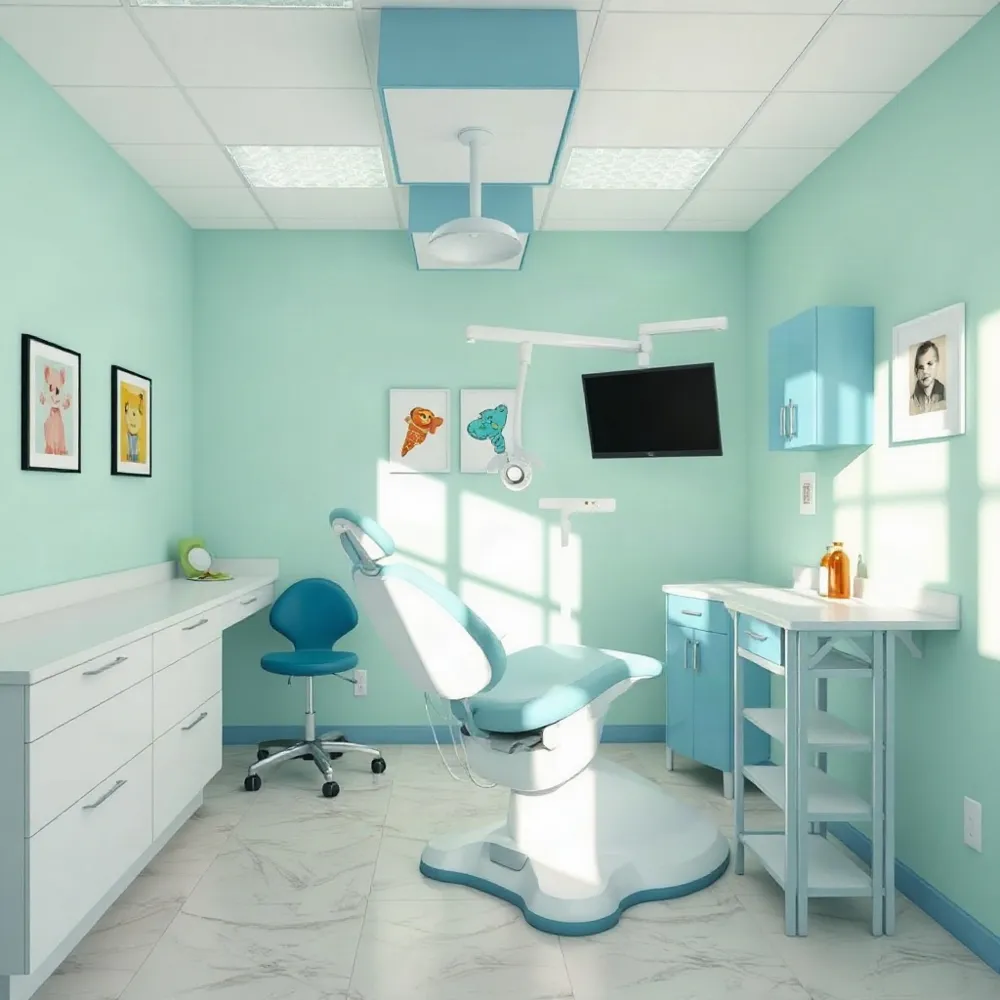 Most children transition to a general or family dentist between ages 12 and 18, but the exact timing depends on your child's comfort level, the complexity of their dental needs, and whether they still feel at home in the pediatric chair. Understanding the differences between these two types of providers helps you make a confident switch.
Pediatric dentist. A pediatric dentist completes an additional two years of training focused on child development, behavior guidance, and treating special needs patients. Their offices are designed for younger patients, with smaller chairs, colorful décor, and a playground-like atmosphere that helps reduce anxiety.
General dentist. A general or family dentist provides comprehensive care for patients of all ages, from preventative check-ups to restorative procedures. They typically see more adults and teens, and their offices tend to feel more like a standard medical clinic.
When your child's needs evolve beyond what a pediatric practice typically offers, your family dentist steps in. For example, Loud Family Dentistry in Shreveport provides comprehensive care for teens, including sports mouthguards, sealants, and orthodontic screening. That broader scope means fewer referrals and more continuity as your child grows into an adult patient.
A practical guideline is to transition when your child starts middle school or high school, as that's when peer pressure and self-consciousness about braces or fillings may increase. If they're comfortable and their dentist communicates well with them, staying with a pediatric provider a bit longer is fine. The American Academy of Pediatric Dentistry notes that the age at which a child moves to a general dentist varies, but most do by the late teens.
For many families, the switch happens naturally during a routine cleaning. If you're unsure, ask your child's current dentist for an opinion. They can assess whether a general practice is ready to take over your child's care or if you should wait a year.
The transition period is also a chance to establish good habits. Preparing older kids for dental X-rays helps them feel more in control, and discussing what to expect reduces anxiety. Your family dentist should take the time to explain procedures, making the move feel like a positive step toward independence.
When comparing the two, focus on your child's specific needs rather than a one-size-fits-all age.
Building a Lifetime of Healthy Smiles
Many parents assume the first dental visit can wait until a child starts school or complains about a toothache. Professional guidance points to a much earlier timeline. The American Academy of Pediatric Dentistry recommends that a child's first dental visit occur by age 1 or within six months of the first tooth erupting, whichever comes first. This early appointment isn't about filling cavities. It's about establishing a relationship between your child and the dental team, checking for early signs of decay, and giving you a chance to ask questions about teething, pacifier use, and fluoride.
The logic behind the age one dental visit is simple: prevention is far easier and less costly than treatment. Tooth decay in baby teeth can progress quickly, and the early visit lets the dentist catch small issues before they become painful problems. It also normalizes the dental chair for your child. A positive first experience, built on gentle conversation and a quick look around, makes future visits far more relaxed. For a more detailed look at what happens during that first appointment, this guide for parents covers the step-by-step routine.
What to Expect at the First Visit
The first visit is intentionally short and low-pressure. The dentist will typically review your child's medical and dental history, do a gentle knee-to-knee exam with you holding your child, and clean any plaque off the teeth. X-rays are usually not needed unless there are specific concerns, such as suspected decay between teeth or a history of trauma. The conversation part of the visit is just as important as the exam. You'll get practical advice on brushing techniques, diet, and habits like thumb-sucking.
This early appointment also gives you a chance to see how your child reacts to the dental environment. If your child is nervous, the team at Loud Family Dentistry is trained to work with young patients using a calm, friendly approach. We focus on making the first visit a positive memory, not a scary one. The goal is to leave with a smile, a goody bag, and a child who's proud of their healthy teeth.
Signs It's Time to Book Sooner
While age one is the recommended target, certain situations call for an earlier visit. If you notice white spots on your child's teeth, which can be the first sign of decay, or if your child is complaining about tooth sensitivity, don't wait. Discoloration, swelling, or pain in the gums also warrant a prompt check-up. Early intervention saves your child from more extensive treatment down the road, and it's always better to address a small issue in the office than to wait for an emergency.
For parents wondering about the right timing, the milestones by age guide outlines what to expect at each stage, from the first tooth to the loss of baby teeth. The consistent theme is that the first visit should happen by age one, and regular check-ups every six months after that keep your child on track for a lifetime of healthy smiles.