Introduction
Pediatric dental care begins early, often by the time a child’s first tooth appears, and sets the foundation for a lifetime of oral health. Regular check‑ups allow dentists to monitor tooth eruption, jaw development, and early signs of decay, while preventive treatments such as fluoride varnish and sealants strengthen enamel. By establishing a “dental home” early, families create a trusted relationship that reduces anxiety and promotes consistent oral‑hygiene habits. Good oral health also supports proper nutrition, speech development, and even overall systemic well‑being, making early dental care a vital component of a child’s overall health and throughout their growth.
Why Early Visits Matter
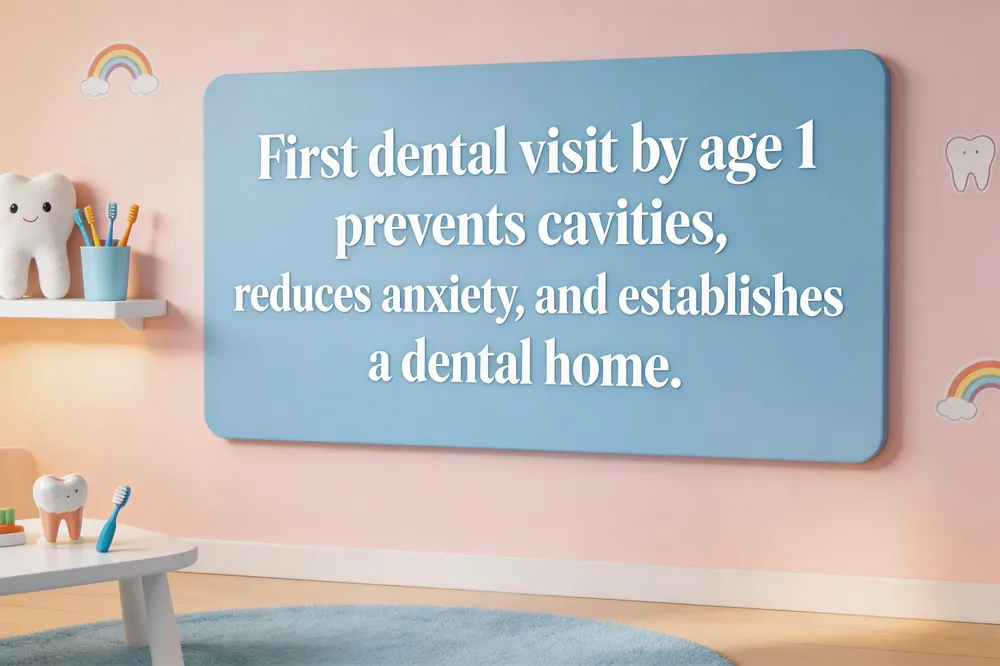 First dental visit timing – The American Academy of Pediatric Dentistry and the American Dental Association agree that a child’s first dental appointment should happen as soon as the first tooth erupts (usually 6‑8 months) and no later than the first birthday. Some families may not schedule until age 2, 3, 4, or even 5, and while a later visit is still valuable, earlier care provides the best chance to prevent problems.
Benefits of early assessment – An early "well‑baby" exam lets the dentist check bite development, identify hidden cavities, and apply fluoride varnish or sealants that can cut decay risk by up to 30 %. It also establishes a dental home, teaches parents proper brushing (a rice‑grain‑size toothpaste for infants, pea‑size after age 3) and diet guidance, and reduces future dental anxiety through familiarization with the office environment.
Risks of delayed care – Waiting until age 3 or older often means missed opportunities to catch early childhood caries, which affect over 40 % of children by kindergarten. Untreated decay can cause pain, infection, speech and eating difficulties, and may lead to more invasive, costly treatments later. Studies show children who receive preventive care before age 3 have a 40 % lower incidence of cavities and fewer emergency visits.
Quick FAQ –
- When to start oral care for baby? Begin wiping gums at birth; transition to a soft brush and a smear of fluoride‑free toothpaste when the first tooth appears, and schedule the first dental visit by the first birthday.
- What is the earliest a child can go to the dentist? As early as six months after the first tooth erupts, with the goal of completing the first visit by age 1.
- AAPD first dental visit recommendation? First visit by the first tooth eruption or by age 1, followed by six‑month check‑ups to maintain a healthy smile.
Early, regular visits set the foundation for a lifetime of confident, cavity‑free oral health.
Home Oral Hygiene Practices
 How do I improve my child's oral health?
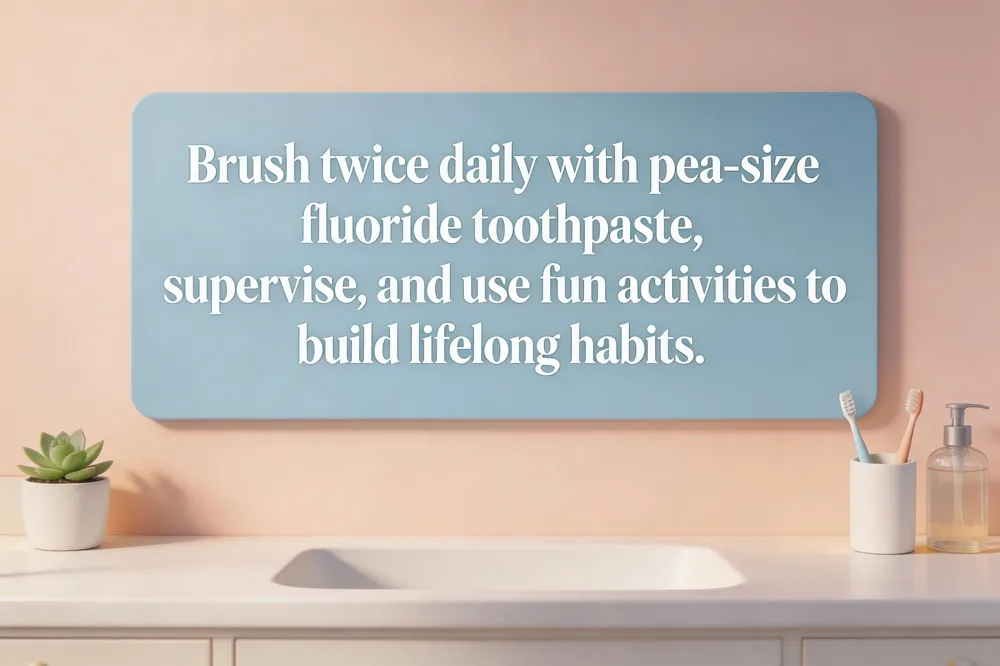
Start brushing twice a day with a pea‑sized amount of fluoride toothpaste (a rice‑grain smear for infants). Supervise until the child can brush independently (around age 6). Schedule the first dental visit by the first birthday and keep six‑month check‑ups for fluoride varnish and sealants. Encourage fluoridated water, limit sugary snacks, and begin flossing as soon as two teeth touch.
Oral hygiene instructions for child PPT
Use a soft‑bristled brush, hold it at a 45‑degree angle, and clean all surfaces for two minutes. Rinse and air‑dry the brush. Teach daily flossing or interdental cleaners (supervised until age 8). Reinforce a low‑sugar diet and avoid prolonged thumb‑sucking or pacifier use after age 3.
Dental Hygiene For Preschoolers activities
- Sticker chart: place a sticker after each morning and night brush.
- Egg‑in‑soda experiment: show how sugar creates decay, then brush the egg clean.
- DIY mouth model: use construction paper lips and marshmallow teeth to practice brushing motions.
- Storytime: read books like The Berenstain Bears Visit the Dentist and discuss.
Oral hygiene for Kids Poster
A bright poster titled “Be a Tooth Defender!” shows step‑by‑step brushing, flossing, and snack limits. Hang it in bathrooms or classrooms as a daily visual cue.
Kids Oral Care products
Choose fun‑flavored fluoride toothpaste, kid‑size electric brushes (e.g., Panda, Monster), and alcohol‑free fluoride rinses to keep brushing engaging and effective.
Key rules
- 2‑2‑2 rule: brush twice daily for two minutes, see the dentist twice a year.
- 3‑3‑3 rule: brush three times daily for three minutes, replace brush every three months (optional for high‑risk kids).
What food kills mouth bacteria?
Cheese, yogurt with probiotics, crunchy raw veggies (carrots, apples), and fluoridated water help neutralize acids and wash away bacteria.
Dental hygiene for kids activities
Combine the chart challenge, soda‑egg experiment, LEGO flossing, and coloring worksheets to turn oral care into a fun, routine habit.
Professional Care & Dental Home
 A dental home is an ongoing, family‑centered partnership that begins by 12 months of age and continues throughout life. The AAPD defines it as a safe, culturally sensitive setting that offers comprehensive preventive and therapeutic care, anticipatory guidance, risk‑based assessments, and timely specialist referrals. Establishing a dental home early reduces early childhood caries, lowers treatment costs, and improves oral‑health knowledge for families. At Loud Family Dental we embrace this model, providing personalized care for children, adolescents, and patients with special‑health needs.
Pediatric dentistry is a specialty devoted to the oral health of infants through adolescents, including those with special‑care needs. Pediatric dentists receive extra training in child psychology, growth and development, behavior‑management techniques, and safe sedation. This expertise lets them deliver preventive services—exams, cleanings, fluoride varnish, sealants—and therapeutic care such as fillings, orthodontic assessments, and trauma management while coordinating with medical providers.
To become a pediatric dentist, one earns a DDS/DMD, passes the National Board exams, and completes a two‑year ADEA‑accredited pediatric residency, often earning a Master of Science. Board certification follows successful Qualifying and Oral Clinical Examinations, confirming advanced competence.
Access to pediatric dental services is expanding through community programs, school screenings, and Medicaid/CHIP coverage. If you search for a “pediatric dentist near me,” Loud Family Dental in Shreveport offers gentle, family‑focused care—including preventive fluoride treatments and sealants—accepting major insurers and sliding‑scale fees to ensure every child can benefit from a dental home.
Preventive Treatments & Clinical Interventions
 Fluoride Varnish and Sealants Fluoride varnish applied every six months strengthens enamel and can cut early‑childhood caries by up to 30 %. Sealants placed on the chewing surfaces of newly erupted molars prevent about 80 % of cavities. Both are safe, covered by most insurance plans, and are cornerstone preventive measures recommended by the ADA, AAPD, and CDC.
Risk Factors for Caries The strongest predictor of a lifetime caries experience is a history of previous decay. High sugar intake, irregular brushing, low fluoride exposure, and socioeconomic barriers (limited access to care, lower parental education) further increase risk. Early identification of these factors during the first dental visit enables tailored guidance and preventive treatment.
Economic Aspects of Pediatric Dentistry Early preventive care reduces costly restorative work. Studies show children who receive care before age 3 have a 40 % lower incidence of early childhood caries and save roughly $300‑$360 per child in later treatment costs. Establishing a dental home also lowers emergency‑room visits and associated health‑system expenses.
What is a pediatric dentist salary? Average annual earnings are about $200,000 (~$96 / hour), with top earners exceeding $250,000. Location, experience, and practice setting influence pay.
Pediatric dental procedures anesthesia Sedation or general anesthesia is used when a child cannot stay still or requires extensive work. Two trained providers monitor vital signs throughout, following AAP and AAPD safety guidelines.
Which risk factors were found to be most significant in predicting a lifetime caries experience? Prior caries, high sugar consumption, poor oral‑hygiene habits, low fluoride exposure, and socioeconomic disadvantages.
Dental health for kids Begin gentle gum cleaning before the first tooth, then brush twice daily with a pea‑sized fluoride toothpaste, floss once teeth touch, and schedule the first dental visit by age 1.
Oral hygiene in children statistics 86.9 % of U.S. children 2‑17 visited a dentist in the past year, yet 23 % of 2‑5‑year‑olds have untreated caries. Consistent preventive care improves these numbers.
Children's Dental Health Month Observed each February to promote oral‑health education, free screenings, and community events.
Is it safe for a 3‑year‑old to get fillings? Yes—modern tooth‑colored composites or glass‑ionomer materials are safe and effective when placed by a pediatric dentist.
Pediatric dental procedures anesthesia The strongest predictors in such of have strong safety protocols, including pre‑procedure fasting instructions and post‑procedure monitoring.
Community Resources & Additional Support
 Child dental health PDF
The American Dental Association offers a free "Child Dental Health" PDF that outlines oral‑health facts for kids ages birth‑5, brushing tips, nutrition guidance, and first‑visit recommendations. Printable posters and activity sheets are included for office use. The National Maternal and Child Oral Health Resource Center also provides the comprehensive guide "Promoting Oral Health in Young Children," covering early hygiene, fluoride use, diet, and the impact of oral health on learning and development. Both PDFs stress that tooth decay is preventable with daily brushing, regular dental check‑ups, and limiting sugary drinks and snacks. These easy‑to‑read resources can be downloaded, printed, and shared with families in waiting areas or go‑ody bags.
Child dental health PDF
The American Dental Association offers a free "Child Dental Health" PDF that outlines oral‑health facts for kids ages birth‑5, brushing tips, nutrition guidance, and first‑visit recommendations. Printable posters and activity sheets are included for office use. The National Maternal and Child Oral Health Resource Center also provides the comprehensive guide "Promoting Oral Health in Young Children," covering early hygiene, fluoride use, diet, and the impact of oral health on learning and development. Both PDFs stress that tooth decay is preventable with daily brushing, regular dental check‑ups, and limiting sugary drinks and snacks. These easy‑to‑read resources can be downloaded, printed, and shared with families in waiting areas or go‑ody bags.
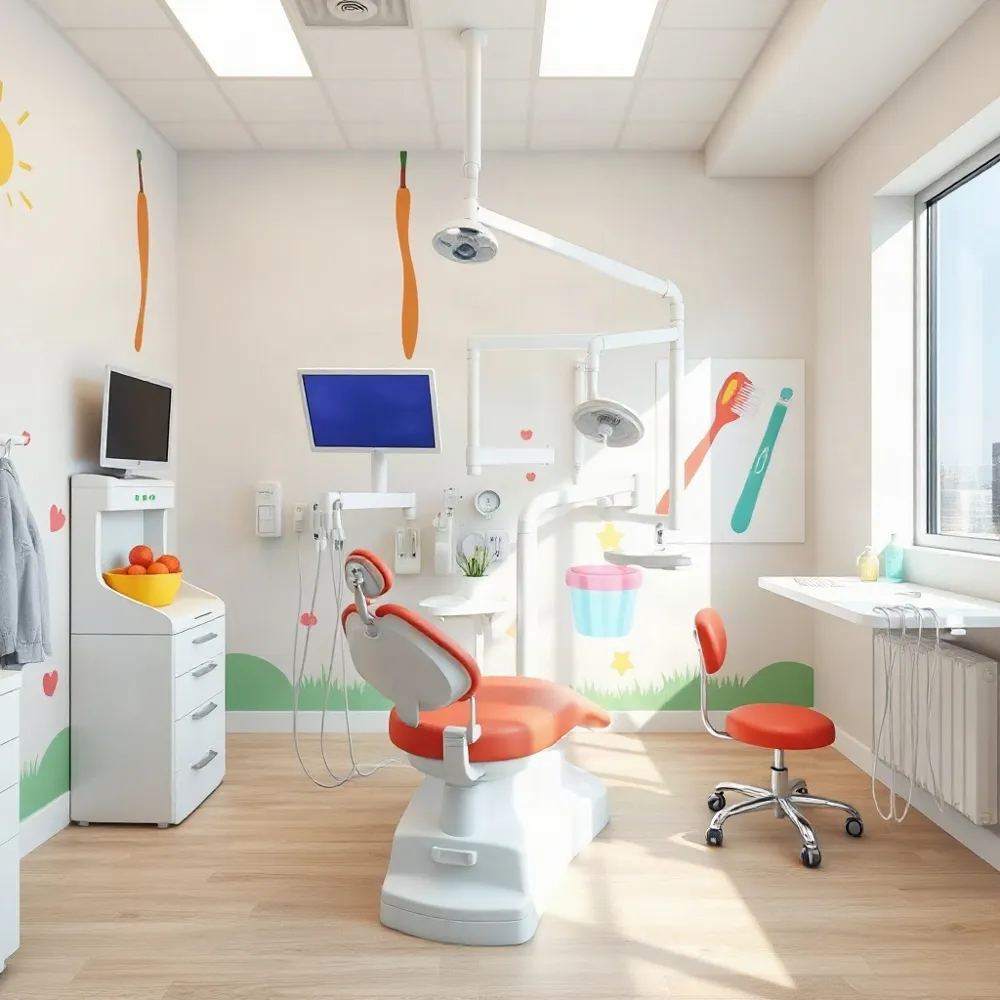
Super Kids Dental – Santa Ana Super Kids Dental, located at 407 E 1st St Suite 2A in downtown Santa Ana, CA, provides a full range of pediatric services—including exams, cleanings, X‑rays, preventive care, orthodontics, and sedation dentistry. Hours are Mon‑Fri 10 am‑7 pm and Sat 8 am‑4 pm; closed Sundays. Appointments can be scheduled by calling (714) 541‑2020 or emailing allen@superkidsdental.net. The practice features themed treatment rooms and a kid‑friendly atmosphere to make dental visits comfortable and enjoyable for young patients.
Conclusion
Timely pediatric dental visits are essential for keeping your child’s smile healthy and pain‑free. Seeing a dentist by age one, and then every six months, lets professionals catch early decay, guide proper brushing and nutrition, and protect developing teeth with fluoride varnish and sealants. These preventive steps reduce the risk of cavities, gum disease, and later orthodontic issues, while also building a positive dental experience that lessens future anxiety. If you live in Shreveport, take advantage of local pediatric dental offices and community programs that offer affordable preventive care. Schedule your child’s first appointment today and give them a strong foundation for lifelong oral health.