
A Stepwise Approach to Tooth Replacement
A dental implant is a small post placed in the jawbone to replace a missing tooth root. Once it heals, a connector called an abutment supports a crown, bridge, or denture. The parts and their roles are outlined in the FDA’s guide to dental implants.
Treatment usually takes place in stages, with time for the jawbone and gums to heal between procedures. The full process may take several months, and steps can vary according to bone condition, oral health, and the type of replacement planned. Loud Family Dental provides comprehensive dental care for patients of all ages in Shreveport, where a dental team can discuss the process in the context of your overall oral health.
A consultation is the starting point for deciding whether an implant may suit you. The dental team may review your health and medications, examine your teeth and gums, and use X-rays or 3D imaging to assess the jawbone. This evaluation helps shape an individual plan and gives you a chance to ask about treatment options, healing, and what happens next. Learn more about the dental implant treatment process.
Planning and Implant Candidacy
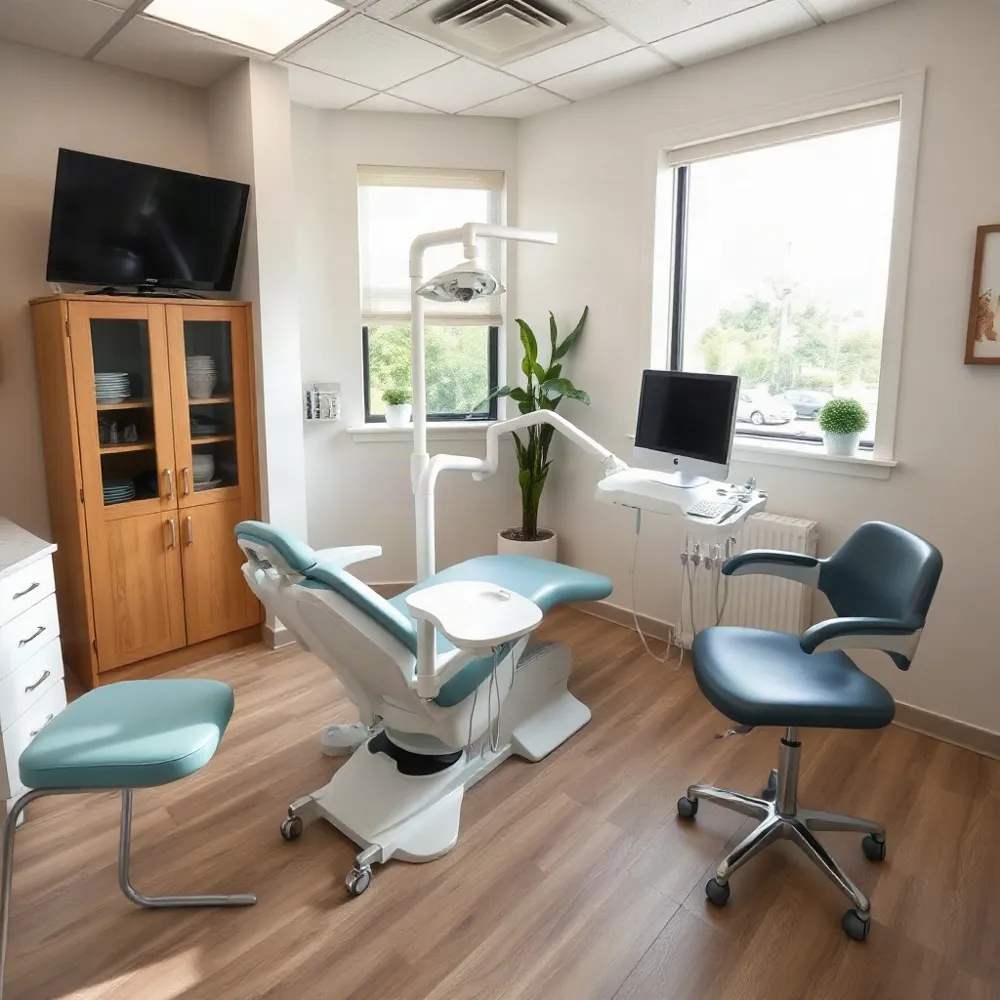 Many people missing one or more teeth may be candidates for implants, but suitability depends on more than the gap itself. The dental team considers jawbone growth and volume, the health of the gums and other oral tissues, overall health, and whether you can complete a treatment process that may take months. Mayo Clinic’s overview of dental implant surgery explains these general factors.
Planning commonly includes a dental examination, X-rays or 3D imaging, and a review of medical conditions, medications, and supplements. These steps help assess the jawbone and remaining teeth and shape a plan around your needs. At Loud Family Dental, a community-oriented Shreveport clinic serving patients of all ages, discussing your health history and treatment goals helps make that planning patient-focused.
Active gum disease, infection, or other oral-health problems may need attention before implant placement. If the jawbone is too thin or soft to support an implant, the dentist may discuss a bone graft to build a stronger foundation. Limited bone does not automatically rule out treatment, but grafting can add steps and healing time. The FDA’s guidance on dental implants also advises patients to discuss candidacy, benefits, and risks with their dental provider.
A consultation is a chance to ask about treatment alternatives, likely steps, timing, and an individualized estimate. Fees and what an initial visit includes vary by office; an exam or imaging may be included or billed separately. Before booking, ask what the visit covers and whether there are charges for imaging, so you know what to expect.
Loud Family Dental provides comprehensive dental services for patients of all ages, making it a local setting to discuss oral-health needs and possible next steps. Bring a current medication list and share relevant health conditions or tobacco use so the dental team can consider factors that may affect healing.
The Main Treatment Stages
 A dental implant system has three parts: a post placed in the jawbone, an abutment that connects the post to the replacement, and the visible tooth or teeth. The restoration may be a crown, bridge, or denture, depending on how many teeth are being replaced. The FDA’s overview of dental implant systems explains how these components work together.
At Loud Family Dental, implant care is part of comprehensive dental services for patients of all ages. The treatment plan typically begins with an examination and may include X-rays or 3D imaging to assess the teeth, gums, and jawbone.
The usual sequence is to remove a damaged tooth if necessary, prepare the jawbone with a graft if needed, and place the implant post. The jawbone then heals around the post in a process called osseointegration, creating support for the restoration. When healing is adequate, the abutment is attached and the final tooth or teeth are fitted. Mayo Clinic’s guide to implant surgery describes this staged approach.
Not every patient needs each step as a separate procedure. Depending on the condition of the jaw and the treatment plan, some stages may be combined. A step-by-step overview of the implant procedure offers more detail on how the parts fit together.
Full-mouth or full-arch treatment follows the same broad pathway, but the team plans the number and position of implants and the type of restoration around the patient’s needs. Preparatory care or grafting may be included, and temporary teeth may be considered while the jaw heals. The final restoration is attached after the team confirms the implants are ready to support it.
Healing Before the Final Tooth
After implant placement, the jawbone needs time to grow around and bond with the implant surface. This process, called osseointegration, creates support for the replacement tooth and is a central part of healing.
Bone healing commonly takes several months. About three to six months is a general estimate, not a promise for every patient; health, the implant site, and any additional treatment can affect timing. An extraction or bone graft may extend the process. Mayo Clinic’s overview of implant surgery explains that the overall treatment can take many months because the bone needs time to heal.
The abutment is the connector between the implant and the final restoration. It may be attached during implant surgery or in a separate minor procedure after the bone has healed. When it is placed separately, the gums generally need at least two weeks to heal before the crown is attached.
Once the dental team confirms that the bone is strong enough to support the new tooth, they take impressions to guide the making of a custom crown. The crown is attached after it is ready and the surrounding tissues are prepared. At Loud Family Dental in Shreveport, treatment planning is part of comprehensive dental care, with timing discussed in light of each patient’s needs and healing.
Temporary Teeth and Restoration Choices
A removable temporary denture may fill a visible gap while an implant site heals. Whether this is suitable depends on the location and treatment plan, so ask your dental professional what you can wear and which foods or activities to avoid during healing. Mayo Clinic’s overview of dental implant surgery explains that temporary dentures may be used while treatment continues.
The final restoration depends on how many teeth need replacement. A single implant can support a crown, multiple implants can support a bridge, and implants may also support a denture or a full-arch restoration. Removable implant-supported teeth can be taken out for cleaning or repair. Fixed crowns and other restorations are attached to abutments and stay in place for routine cleaning and sleep. At Loud Family Dental, patients can discuss restorative choices as part of its comprehensive dental care in Shreveport.
Anesthesia and Preparing for Surgery
A little preparation can help you feel more at ease and give your dental team the information needed to plan safely. Before surgery, tell them about your medical conditions, allergies, and all medicines and supplements you take. At Loud Family Dental, comprehensive care for patients of all ages means discussing your health history as part of planning treatment.
What should I do before dental implant surgery, and what should I avoid?
Follow the office’s individual instructions about food, drink, and prescribed medicines. Do not stop or change any medication unless your dental professional or prescribing clinician directs you to. Eating and drinking restrictions depend on the anesthesia plan, so ask the team if anything is unclear. Contact the office before your appointment if you feel unwell or are unsure whether you should proceed.
Anesthesia may involve local anesthesia to numb the treatment area, sedation to help you relax, or general anesthesia. Your dental professional can explain the options and recommend an approach based on your health and procedure. The Mayo Clinic’s overview of dental implant surgery also advises discussing the appropriate option with your dental team.
If you receive sedation or general anesthesia, arrange for someone to drive you home and plan to rest for the remainder of the day. Ask ahead what sensations to expect: the area is numbed during surgery, though pressure may be noticeable. Soreness, swelling, bruising, or minor bleeding can occur afterward. Ask about suitable pain relief, and contact the office if symptoms worsen or concern you.
Recovery in the First Few Days
What can I expect during recovery from dental implant surgery?
Soreness, swelling, bruising, and minor bleeding can occur after implant surgery. Your dental professional may recommend pain medicine, antibiotics, or soft foods while the site heals. Rest and follow your personal instructions for oral care, diet, and activity. The Mayo Clinic’s dental implant surgery guidance also advises reporting symptoms that worsen. For more on common early aftercare, see this guide to recovery after implant surgery.
How many days should I rest after dental implant surgery, and when can I return to work?
There is no single schedule for everyone. The procedure, your symptoms, and the physical demands of your job all affect when you can resume usual activities. Ask your dental professional how to plan time away and when to return to work or exercise. Loud Family Dental provides comprehensive dental care for patients of all ages, with a focus on comfort and professional care, and can discuss your recovery instructions as part of your treatment.
What foods can I eat after dental implant surgery, and should I avoid dairy?
Soft foods may be recommended at first. Follow your dental professional’s advice about food choices and when to return to your usual diet, and avoid unnecessary pressure on the healing area. The clinical guidance cited here does not establish a general need to avoid dairy. If dairy concerns you or your care team has given specific dietary instructions, ask them what is appropriate for you.
Contact your surgeon or dental office if swelling, soreness, bleeding, or another problem gets worse, or if you are unsure when to resume normal activities.
Risks and Signs to Report
Dental implant treatment can be a suitable option, but it involves surgery and is not right for everyone. Possible complications include infection, injury to nearby teeth or blood vessels, nerve injury that may cause pain or numbness, and sinus problems with some upper-jaw implants. The Mayo Clinic overview of dental implant surgery explains these risks and the factors a dental team considers.
Healing can also be delayed, or the jawbone may not fuse sufficiently with the implant. Smoking may contribute to implant failure and other complications. Medical conditions and medicines can affect healing, so share your health history and current medications with your dental professional before treatment. Loud Family Dental provides comprehensive dental care in Shreveport, where an individual assessment can help clarify whether preparation or another tooth-replacement option should be considered.
Insufficient bone or unhealthy oral tissues may mean that treatment is needed before implant placement, or that a different option is more appropriate. Keeping the implant and surrounding gums clean is also part of ongoing care. The FDA’s guidance on dental implants advises patients to discuss benefits, risks, and candidacy with their dental provider.
Some soreness, swelling, bruising, or minor bleeding can occur after surgery. These effects should be distinguished from symptoms that worsen rather than improve. Contact your dental professional promptly if swelling, soreness, or another concern gets worse, or if an implant feels loose or painful. Follow-up examinations allow the dental team to assess healing and bone integration; only a clinician can determine whether recovery is proceeding as expected.
Options and Treatment Costs
Implant-supported restorations can replace one missing tooth or several. A single implant may support a crown, while implants can also anchor a bridge or a denture. Depending on the design, a restoration may be fixed in place, removable for cleaning, or combine both approaches. The FDA’s overview of dental implants explains the parts of an implant system and the types of restorations it can support.
Implant systems are commonly made from titanium, though ceramic systems are also used. Material alone does not determine the total cost, and the available information does not establish a reliable price comparison between these options. The dentist can explain which materials are suitable for your case and why.
The estimate depends on the number of teeth being replaced, the condition of the jaw and gums, the chosen restoration, and whether preparatory care such as bone grafting is needed. Case complexity, materials, provider fees, and location may also affect the total. Because treatment plans differ, a clinical evaluation is needed for an individualized estimate.
At Loud Family Dental, treatment planning is part of comprehensive dental care for patients in Shreveport. Ask for an itemized estimate and confirm whether it includes imaging, implant placement, the abutment, the final restoration, and follow-up visits. A clear breakdown can help you compare treatment options and understand what remains outside the estimate.
Long-Term Care Protects the Result
 An implant restoration needs regular care after the final tooth is in place. Brush and clean between the artificial tooth, implant, and surrounding gums as carefully as you would natural teeth. An interdental brush may help reach around the implant post, where plaque can collect.
Routine dental checkups and professional cleanings let your dental team monitor the implant and nearby tissues. Mayo Clinic’s implant care guidance recommends careful cleaning and regular follow-up. For practical brushing and cleaning advice, see long-term implant maintenance.
Protect the crown by avoiding hard items such as ice and hard candy, and avoid tobacco. If you grind your teeth, ask your dental professional about ways to reduce pressure on the restoration. At Loud Family Dental, comprehensive dental services for patients of all ages provide a setting to discuss ongoing oral health needs. Your care instructions and follow-up schedule should reflect your health, implant, and dental professional’s advice.
Plan With Your Dental Team
Dental implant care brings together an assessment, placement, healing, and a final restoration. The steps and timing depend on your oral health and treatment needs, so your dentist can explain what your plan involves.
Before deciding, ask whether implants suit your situation, what alternatives are available, what recovery may involve, and what costs to expect. Discuss follow-up visits, too. At Loud Family Dental, a community-oriented Shreveport clinic serving patients of all ages, conversations about care can take your needs and questions into account.
Follow your treating dental professional’s instructions throughout treatment, and report symptoms that worsen or cause concern. Staying in touch helps your dental team respond to changes and guide the next step.