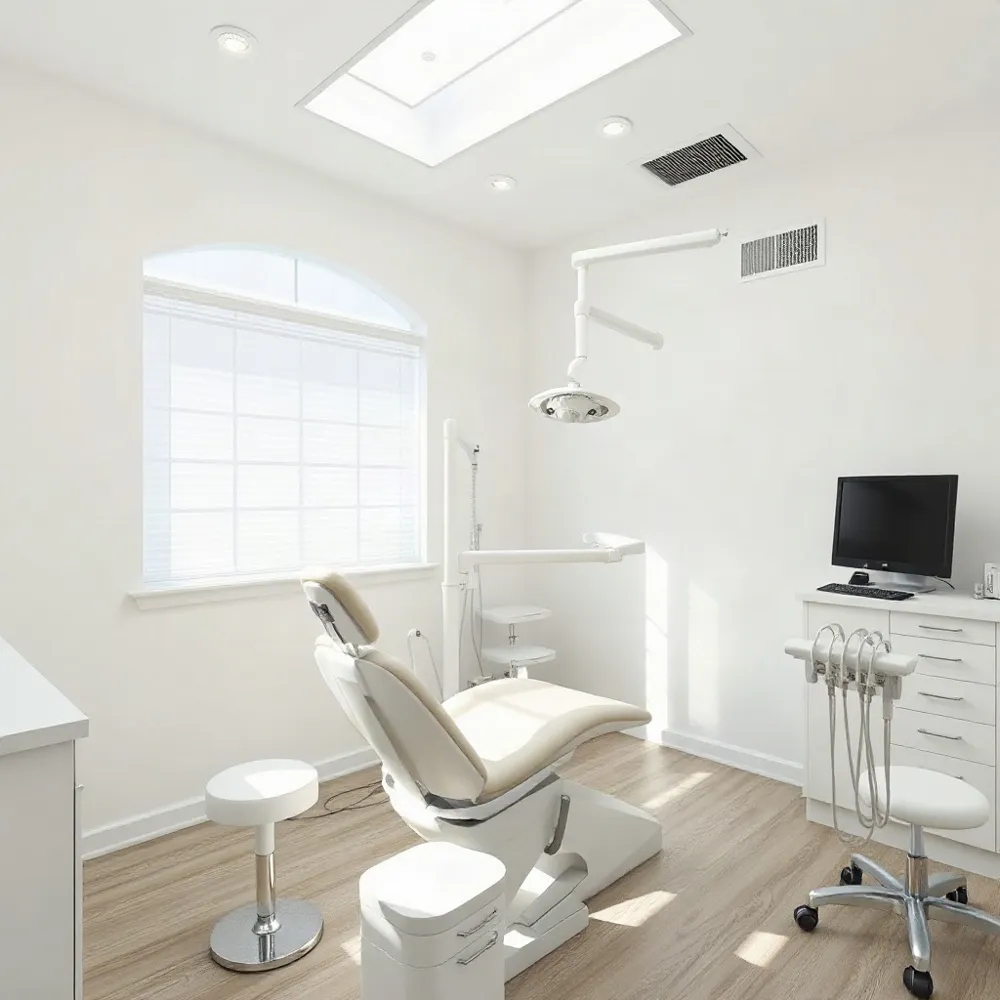
Comfort Begins With Being Heard
A comfortable dental visit depends on more than the procedure. Familiarity, clear explanations, and attention to personal needs can help care feel more manageable. Dental anxiety can affect people of any age, and triggers may range from unfamiliar sounds to difficult past experiences, as explained in this guide to dental anxiety.
Families can tell the dental team what feels difficult, whether a child is worried about new sounds or an adult feels uneasy after an earlier experience. At Loud Family Dental, care for patients of all ages gives families a place to raise concerns and discuss their needs with the team.
Preparation can help: parents can use calm, simple language with children, and patients can ask questions or agree on a signal to pause. Regular preventive visits also offer a chance to build familiarity before a concern becomes urgent. The goal is not to promise an anxiety-free appointment, but to make each step easier to discuss and plan.
Understanding Anxiety and Finding Ways to Cope
 Dental anxiety can grow from a painful or upsetting appointment, fear of needles or discomfort, unfamiliar sounds and instruments, or feeling that you have little control. Other people’s stories may shape expectations, and anxiety can also be connected with a broader tendency toward worry. Often, several factors contribute, and the causes differ from person to person.
Unease about dental care is common, though estimates vary according to how anxiety is measured. For some people, fear becomes strong enough to postpone or avoid appointments. Avoiding care can allow problems to worsen, so telling the dental team what you are experiencing is a useful first step. Dental anxiety and phobia can affect people of any age and may have different triggers.
Before treatment, share specific worries and relevant past experiences with your dentist. You can ask for a step-by-step explanation, request breaks, or agree on a hand signal, such as raising a finger, to pause. These choices can help you communicate while treatment is underway and give the team practical information about what feels manageable.
Slow breathing or another calming routine may help during an appointment. Headphones can offer a distraction if the office permits them. Comfort strategies work differently for each person, so discuss options with the dental team rather than assuming one approach will suit everyone. Ways patients manage dental anxiety include discussing concerns and finding coping steps that feel appropriate.
If fear feels overwhelming or is delaying care, ask about available comfort options and consider speaking with a mental health professional about cognitive behavioral therapy. At Loud Family Dental, care is provided to patients of all ages, with a focus on comfort and professional care. A conversation about your concerns can help the team and you plan a pace that feels manageable.
Helping Children Feel Safe at the Dentist
 For a child, an unfamiliar dental chair, bright lights, new sounds, and tools near the mouth can make a visit feel uncertain. A past difficult appointment may add to that worry. Regular, low-pressure visits can make the office and its routines more familiar over time. One study of children in Spain found an association between more frequent dental visits and lower reported fear, though it does not prove that visits alone prevent anxiety. The study on reducing dental fear in children discusses this relationship.
Parents can describe the appointment in calm, positive, age-appropriate language, such as saying the dentist will look at the child’s teeth. Avoid frightening words and promises that nothing will hurt, since the visit may include unfamiliar sensations. A children’s book or pretend checkup with a toy can introduce the idea without pressure. Early, familiar visits may also help children get used to the setting before they need treatment.
Before the appointment, tell the dental team about your child’s specific fears, sensory sensitivities, or previous difficult experiences. Ask how the team will explain each step and whether they can adjust the pace or offer breaks. At Loud Family Dental, care for patients of all ages is part of the practice’s family-focused services, so parents can share their child’s needs with the team when arranging or attending a visit.
If a child refuses treatment, stay calm and acknowledge the feeling rather than forcing, scolding, or shaming them. Ask whether care can begin with a brief checkup, clearer explanations, breaks, or smaller appointments. Praise the effort involved in showing up, asking questions, or trying a step, even if the visit does not go as planned. Some children need more time, and a visit does not have to be perfect to count as progress.
The dentist can discuss options based on the child’s age, needs, and how urgent the treatment is. If care is postponed, ask when to return and which signs of pain or infection should prompt an earlier call. Dental anxiety guidance notes that people may delay care because of fear, so having a clear follow-up plan matters.
Building Comfortable Visits Into Family Routines
 When family members receive care at one dental office, the team can become familiar with their histories and preferences as needs change with age. That continuity may make conversations easier and help each person feel more at home, though services and appointment options vary by practice. At Loud Family Dental, comprehensive dental care is available for patients of all ages.
Where scheduling allows, booking household appointments together or back-to-back can reduce the effort of coordinating separate trips. Regular preventive visits also give children and adults a chance to become familiar with dental care before a concern becomes painful or urgent. A study of schoolchildren in Spain found an association between more frequent dental visits and lower reported dental fear, though it does not prove that routine visits prevent anxiety for every child. The study supports the value of familiarity, not a guarantee of a stress-free visit.
What is the 2-2-2 rule in dentistry?
The 2-2-2 rule is a simple reminder: brush twice a day for two minutes and visit a dentist twice a year. Brushing in the morning and before bed helps remove plaque, while fluoride toothpaste helps protect enamel. Divide brushing time among the four sections of your mouth and use gentle pressure. Dental visits let the team examine your teeth and gums and remove tartar that brushing cannot.
Twice-yearly visits are a reminder, not a schedule that fits everyone. Your oral health and dentist’s advice may call for a different interval. At home, brushing alongside children and speaking positively about oral care can model everyday habits, but sharing a visit does not automatically ease every child’s worries. Families can ask the dental team about care suited to each person.
Preparing and Choosing Care With Confidence
A little preparation can help your dental team tailor the visit and give you time to make informed choices. Before your appointment, share your medical history, medications, allergies, recent health changes, symptoms, and any concerns about comfort. You can also prepare for your dental appointment by gathering relevant records and writing down questions.
Confirm the appointment details and ask about expected costs and paperwork. Allow enough time to arrive without rushing. For a routine visit, brush and floss gently beforehand, but avoid scrubbing your teeth harshly or trying last-minute whitening. Do not withhold health information, smoke or use tobacco just before the appointment, or ignore instructions for a procedure. If you are unsure whether to eat or drink, ask the office. Let the team know if you feel unwell, and follow the dentist’s specific guidance rather than general preparation rules.
What should you avoid doing before a dental appointment?
Avoid making assumptions about preparation, especially if sedation or a procedure is planned. Instructions can differ, so check with the dental office if anything is unclear. Tell the team about illness or changes in your health, and share any discomfort or anxiety before care begins. At Loud Family Dental, care is provided for patients of all ages, so sharing each person’s history and concerns helps the team understand individual needs.
What are warning signs of an untrustworthy dentist or dental practice?
Be cautious if you are pressured to accept treatment without a clear explanation of the diagnosis, expected benefits, risks, alternatives, and costs. Other warning signs include recommendations for extensive or urgent work without showing the findings, refusal to answer reasonable questions or allow a second opinion, unclear billing, forms you do not understand, or promises of guaranteed results.
You can ask why an X-ray or other test is recommended, what infection-control practices are followed, and what treatment choices are available. If you feel uneasy, pause nonurgent care, request copies of your records and images, and consider another opinion. A useful checklist for preparing for a first dental visit can help you organize questions and information before you go.
Protecting Teeth and Overall Health
When a tooth is damaged, preserving it is often worth considering if it can be restored and maintained. A natural tooth helps with comfortable chewing and a stable bite, supports the bone around it, and avoids a gap that may affect neighboring teeth. Depending on the damage, a filling, crown, or root canal may help keep the tooth. Extraction may be appropriate if it cannot be predictably restored or threatens nearby tissues. If a tooth is missing, replacement options may include an implant, bridge, or denture, depending on the clinical situation. For more on tooth-saving treatment, see root canal treatment.
Oral health is also connected with health beyond the mouth. Gum disease and other oral-health problems have been associated with diabetes and cardiovascular disease, but an association does not show that one condition directly causes another. The relationship may work in both directions, and factors such as smoking and diet can contribute to both. Brushing with fluoride toothpaste, cleaning between teeth, and keeping up with dental care support oral health. Discuss broader health concerns with your medical provider.
For drinks, water is a sensible everyday choice, and fluoridated tap water helps protect against cavities. Plain milk provides calcium and other nutrients, while unsweetened tea is a lower-sugar option. Sugary drinks can feed cavity-causing bacteria, and acidic drinks, including some sugar-free beverages, can wear down enamel. Choose water most often; when you have a sugary or acidic drink, have it with a meal rather than sipping it over time.
At Loud Family Dental, patients of all ages can discuss preventive and restorative care as part of the clinic’s comprehensive dental services. The right plan depends on the tooth, a patient’s health, and their preferences, so ask the dental team to explain the options and what each may involve.
A Manageable Next Step
Comfort grows when patients and families can share concerns, understand the plan, and take part in decisions. At Loud Family Dental, care for patients of all ages gives families a place to discuss changing needs with a dental team.
Keep up with preventive visits, ask what an exam or recommended treatment involves, and mention concerns such as anxiety, sensitivity, or a child’s specific needs. The right pace and support can differ from person to person, so speak with the team about what may help. Regular checkups can also help identify concerns before they become more difficult to manage, as explained in this health information on dental anxiety.
Before your next appointment, write down a question or concern you want addressed. That simple step can help make the visit easier to prepare for and give the conversation a clear starting point.