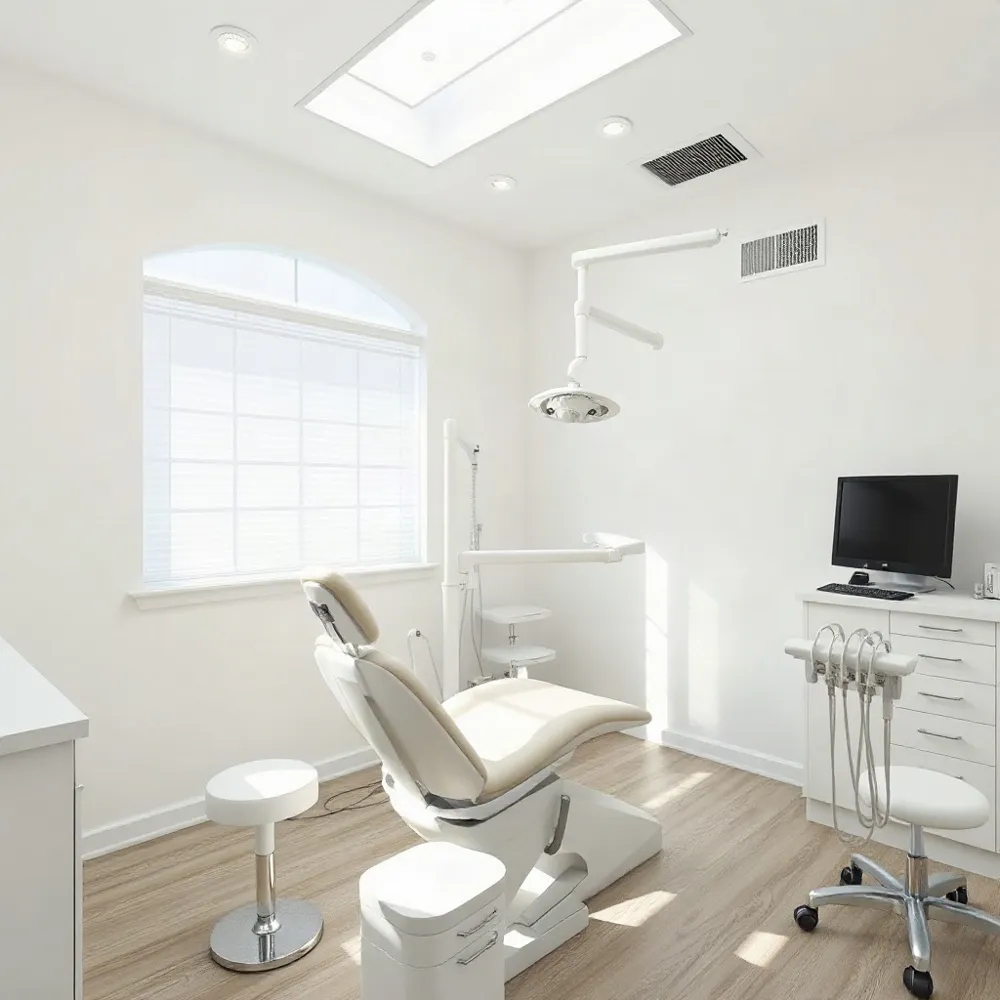
Take Tooth Pain Seriously
When a child suddenly says a tooth hurts, it can be hard to know whether the problem is minor or needs prompt attention. A brief ache may have several causes, and symptoms alone cannot confirm what is happening.
Tooth decay, an injury, or inflammation inside a tooth can produce similar pain, so a dental assessment is the best way to identify the cause. Nationwide Children’s Hospital explains that a dentist may examine the tooth and use X-rays when needed.
Home care may offer temporary comfort, but it cannot diagnose or treat the source. Contact a dentist for guidance and to arrange an appropriate visit, especially if pain persists or affects eating or sleep. At Loud Family Dental, families can seek care at a community-oriented Shreveport clinic that serves patients of all ages.
Recognize Warning Signs
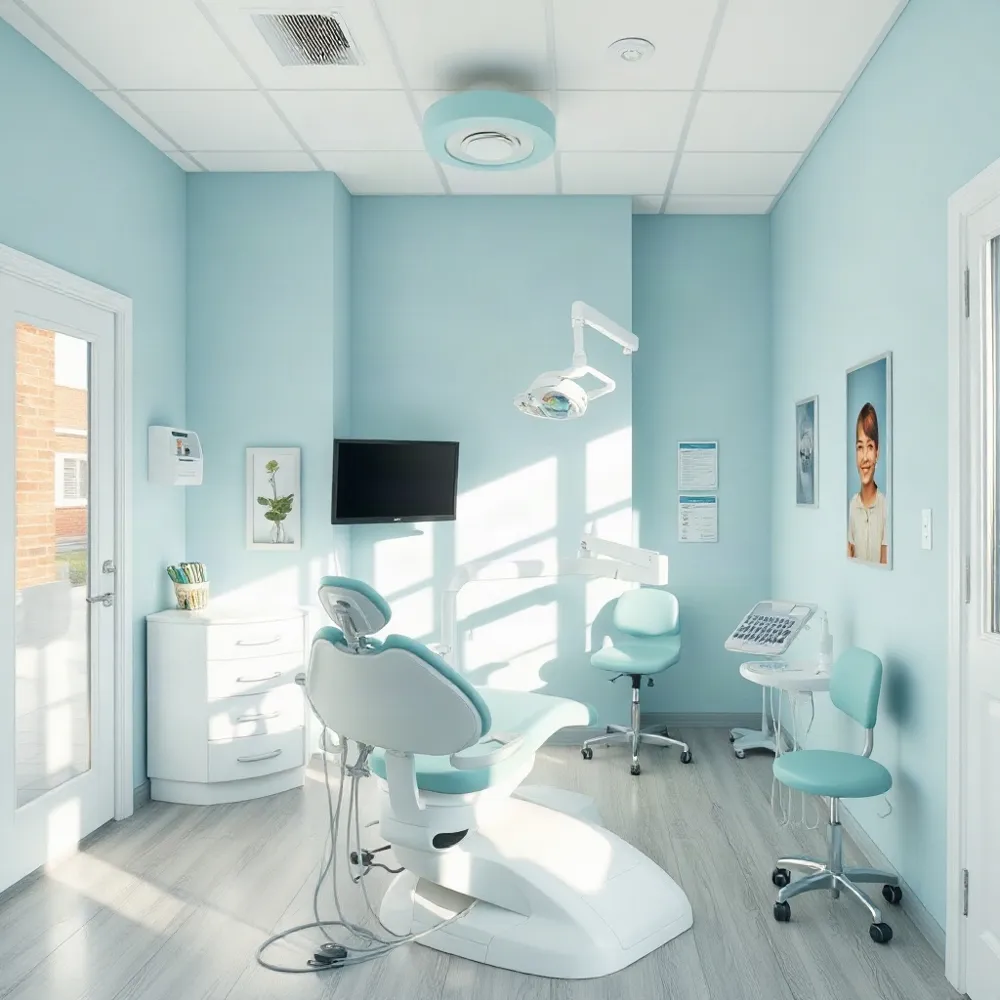 A child’s toothache can come from decay, infection, an injury or crack, food trapped between teeth, gum irritation, or a tooth coming in. Because these problems can feel similar, symptoms alone cannot identify the cause. Nationwide Children’s Hospital explains that a dental assessment is needed.
How can I tell whether my child’s toothache could be an infection?
Pain that persists, worsens, throbs, hurts when biting, or wakes a child at night deserves attention. Possible infection clues include swelling or tenderness in the gums, jaw, or face; pus; a persistent bad taste or odor; fever; fatigue; or trouble eating and drinking. These signs do not confirm an infection, so contact a dentist promptly rather than trying to diagnose the problem at home.
At Loud Family Dental, families in Shreveport can seek professional evaluation as part of the clinic’s comprehensive dental care for patients of all ages. A dentist can assess the symptoms and advise on appropriate next steps.
What counts as a pediatric dental emergency, and when should I seek urgent care?
Severe or worsening pain, facial or gum swelling, a badly broken or knocked-out tooth, or bleeding that will not stop calls for urgent dental guidance. A knocked-out permanent tooth needs immediate attention; keep it moist while arranging care. Do not put a knocked-out baby tooth back in its socket. Call the dental office before traveling when possible so the team can guide you to the right care.
For trouble breathing or swallowing, rapidly increasing swelling in the face or neck, or signs that a child is seriously ill, seek emergency medical care or call 911. Mayo Clinic’s toothache first-aid guidance also advises emergency care for breathing or swallowing difficulty.
Arrange a Timely Dental Visit
 A child with a toothache should be assessed promptly, rather than waiting several days to see whether it disappears. If pain is mild and intermittent, with no warning signs, call the dentist to arrange an appointment soon. A brief wait until later that day may be reasonable if your child is eating and acting normally, but contact the office if you are unsure.
Seek same-day dental advice for pain that persists, worsens, becomes severe, or interferes with eating or sleep. Swelling of the face or gums, fever, drainage, or pain after an injury warrants urgent evaluation. Trouble breathing or swallowing calls for emergency care, as Mayo Clinic’s toothache guidance advises. Temporary pain relief may make a child more comfortable, but it does not address the cause.
When you call, be ready to describe when the pain began, what it feels like, whether it affects eating or sleep, and whether there has been an injury, fever, or swelling. These details help the dental team judge how quickly your child should be seen. At Loud Family Dental, families can discuss a child’s symptoms with a community-oriented clinic offering care for patients of all ages.
During an examination, a dentist may check the teeth and gums and use X-rays when needed to look for decay, cracks, or infection beneath the visible surface. The findings guide treatment, which may include a filling or care for an infected or injured tooth. Nationwide Children’s Hospital’s guidance on toothache in children explains why an evaluation is needed to identify the problem and choose appropriate care.
If pain continues or changes before the appointment, call the dental office again and share the new symptoms. For broader guidance on when to arrange care, see how quickly to seek help for a toothache.
Offer Safe Temporary Comfort
 While arranging a dental visit, take a gentle look inside your child’s mouth for food caught between teeth or an obvious problem. If food seems trapped, gentle flossing may help, but do not force the floss or probe the area. Mayo Clinic’s toothache first-aid guidance also recommends warm-water rinsing and gentle flossing as temporary measures.
A cool compress held against the outside of the cheek may ease discomfort. A child who can reliably swish and spit may also try a gentle warm-water rinse. These steps can make the wait more comfortable, but they cannot identify or treat the source of the pain. For more on gentle oral care while managing discomfort, see guidance on maintaining oral hygiene during dental pain.
If your child needs medicine, ask a dentist, pediatrician, or pharmacist which option and dose are suitable for the child’s age and weight. Follow professional advice or the product label, and do not guess a dose. Alberta Health’s care instructions for children’s tooth and gum pain advises using medicines safely and following label directions.
Do not put aspirin, adult medicine, or any pain reliever directly on the tooth or gums. Avoid topical numbing products, including toothache drops, unless a health professional recommends them. Do not give children codeine or tramadol. Loud Family Dental provides comprehensive dental care for all ages with a focus on comfort and professional care, so a dental assessment remains important even if these measures ease the pain.
Consider Why Pain Worsens at Night
A child’s toothache may feel more intense at bedtime. Lying down can make throbbing more noticeable, while fewer distractions may leave a child more focused on the discomfort. Night pain alone does not reveal what is causing it.
Possible causes include a cavity, a cracked or injured tooth, food caught between teeth, gum irritation, or infection. Tooth or jaw soreness may also follow grinding. Because several problems can cause similar symptoms, a dental examination is needed to identify the cause, as Nationwide Children’s Hospital explains.
Contact a dentist if the pain is severe, keeps returning, or interrupts sleep. Loud Family Dental provides comprehensive dental care for patients of all ages in Shreveport, including children who need an assessment. Facial swelling or fever with tooth pain calls for prompt attention; trouble breathing or swallowing requires emergency care. Mayo Clinic’s toothache first-aid guidance also advises seeking emergency care for breathing or swallowing difficulty.
Treat the Cause, Not Just Pain
The “3-3-3 rule” is an online phrase that often means taking three 200-mg ibuprofen tablets, three times a day, for up to three days. The phrase is used inconsistently, and this schedule is not personalized or safe for everyone.
Ibuprofen may be unsuitable for people with certain health conditions or medication interactions. Children need guidance based on their age and weight, so check with a dentist, doctor, or pharmacist rather than following an online dosing schedule. For help judging a child’s symptoms and care needs, see Loud Family Dentistry’s pediatric dental care guidance.
Pain medicine can ease discomfort temporarily, but it does not identify or treat the source. A dental assessment can help determine whether a child needs care for decay, an injury, or another problem, as explained in Nationwide Children’s Hospital’s toothache guidance. Seek urgent care for facial swelling, fever, or difficulty swallowing or breathing.
Regular dental visits, brushing twice daily with fluoride toothpaste, daily flossing, and limiting sugary and starchy foods can help prevent cavities. Loud Family Dental provides comprehensive care for patients of all ages in Shreveport, including preventive dental visits.
Get Guidance Rather Than Guessing
Even manageable tooth pain can have a cause that is not visible at home. Contact a dentist for guidance, and use temporary comfort measures only as directed while arranging care. Loud Family Dental provides comprehensive dental care for patients of all ages in Shreveport. If your child has trouble breathing or swallowing, seek emergency medical help immediately, as Mayo Clinic advises.