Why Teeth Whitening Matters for Your Smile
A brighter smile is one of the most common cosmetic goals for dental patients. The American Academy of Cosmetic Dentistry found that the most frequent answer to what people would like to improve most about their smile is the whiteness of their teeth, highlighting just how strongly many people value a white smile.
There are two main approaches to teeth whitening: professional treatments provided by a dentist and over-the-counter products available at stores. Professional options divide into in-office procedures that deliver results in a single visit and custom take-home kits with dentist-grade gel. Over-the-counter choices include whitening strips, gels, toothpastes, and rinses.
This article compares these methods across effectiveness, safety, cost, and how long results last so you can make an informed choice. A consultation at Loud Family Dental is the first step to determine which whitening approach fits your needs and to ensure your teeth and gums are healthy before treatment.
Understanding Tooth Stains and Discoloration
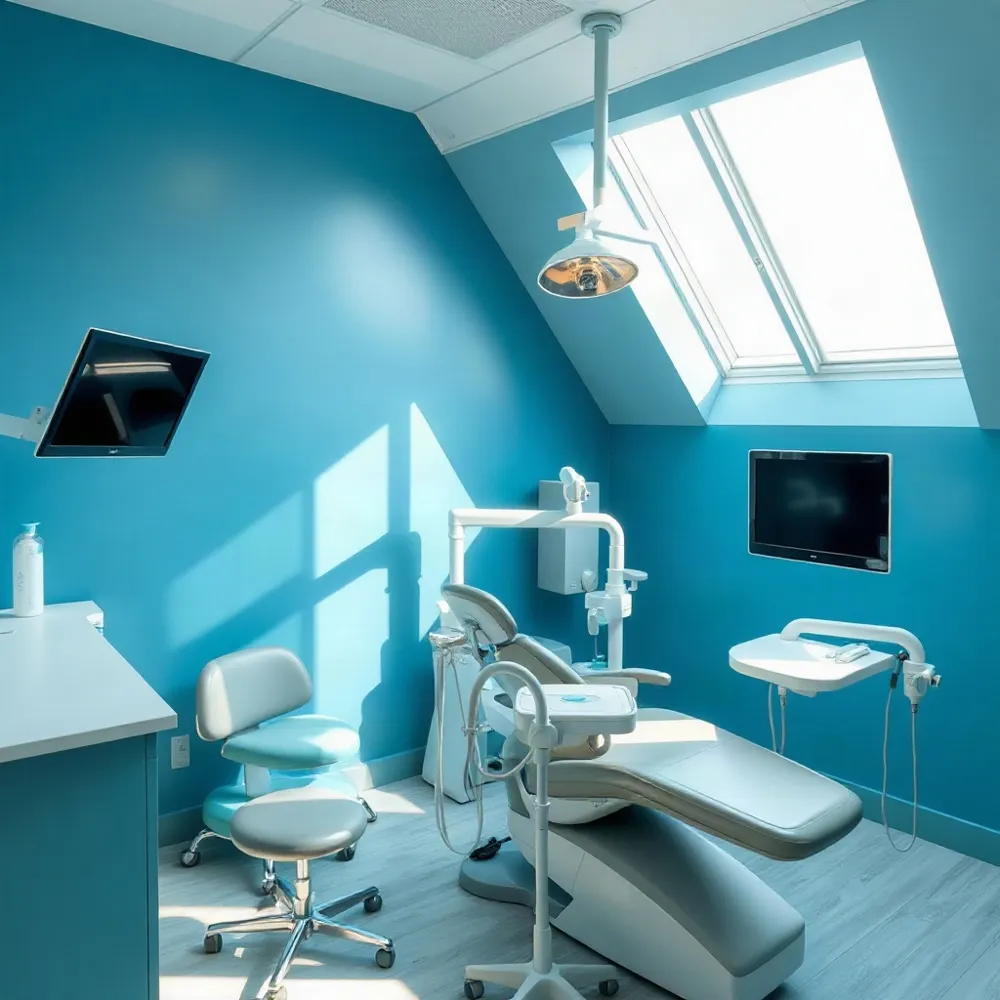 Tooth discoloration falls into two main categories: extrinsic and intrinsic stains. Extrinsic stains develop on the outer surface of the enamel and are caused by everyday habits like drinking coffee, tea, or red wine, and using tobacco. Intrinsic stains occur inside the tooth, within the dentin layer, and result from factors such as aging, certain medications like tetracycline antibiotics, or trauma. Professional whitening can address both types of stains effectively, while over-the-counter products mainly treat extrinsic, surface-level discoloration.
As we age, the enamel naturally thins and becomes more translucent, allowing the yellowish dentin underneath to show through. This gradual yellowing is a normal part of the aging process. For yellow teeth with extrinsic or mild intrinsic staining, professional whitening can produce excellent results. In-office treatments can lighten teeth by several shades in a single session, while custom take-home trays offer gradual brightening over one to two weeks. However, whitening does not work on existing dental restorations such as crowns, veneers, fillings, or bonding.
Common Causes of Staining
The most common culprits behind tooth staining are dietary and lifestyle choices. Frequent consumption of coffee, tea, red wine, and dark berries deposits chromogens on the enamel. Smoking or chewing tobacco introduces tar and nicotine, which create stubborn yellowish-brown stains. Certain medications, especially the antibiotic tetracycline, can cause deep intrinsic staining if taken during childhood. Good oral hygiene and regular professional cleanings help minimize the buildup of these stains.
While over-the-counter whitening strips and toothpastes can lighten mild surface stains, they often fall short for deeper or longer-standing discoloration. Professional treatments at Loud Family Dental use higher concentrations of hydrogen or carbamide peroxide to break down both extrinsic and intrinsic pigmentation, delivering more dramatic and longer-lasting results. A dental exam before whitening ensures your teeth and gums are healthy and that the chosen method is safe for your specific needs.
Common side effects of teeth whitening include temporary tooth sensitivity and mild gum irritation, which usually subside shortly after treatment. Overuse of whitening products can lead to enamel roughening or uneven results, especially with ill-fitting over-the-counter trays. Consulting a dentist before starting any whitening regimen minimizes these risks. The team at Loud Family Dental can help you achieve a brighter smile safely by recommending the most effective approach for your type of staining.
| Stain Type | Common Causes | Best Treatment Options |
|---|---|---|
| Extrinsic | Coffee, tea, red wine, tobacco | OTC strips, professional in-office or custom trays |
| Intrinsic | Aging, medications (tetracycline), trauma | Professional in-office whitening or veneers |
| Age-related yellowing | Natural enamel thinning over time | Professional whitening (in-office or custom trays) |
Professional In-Office Whitening: Fast and Powerful
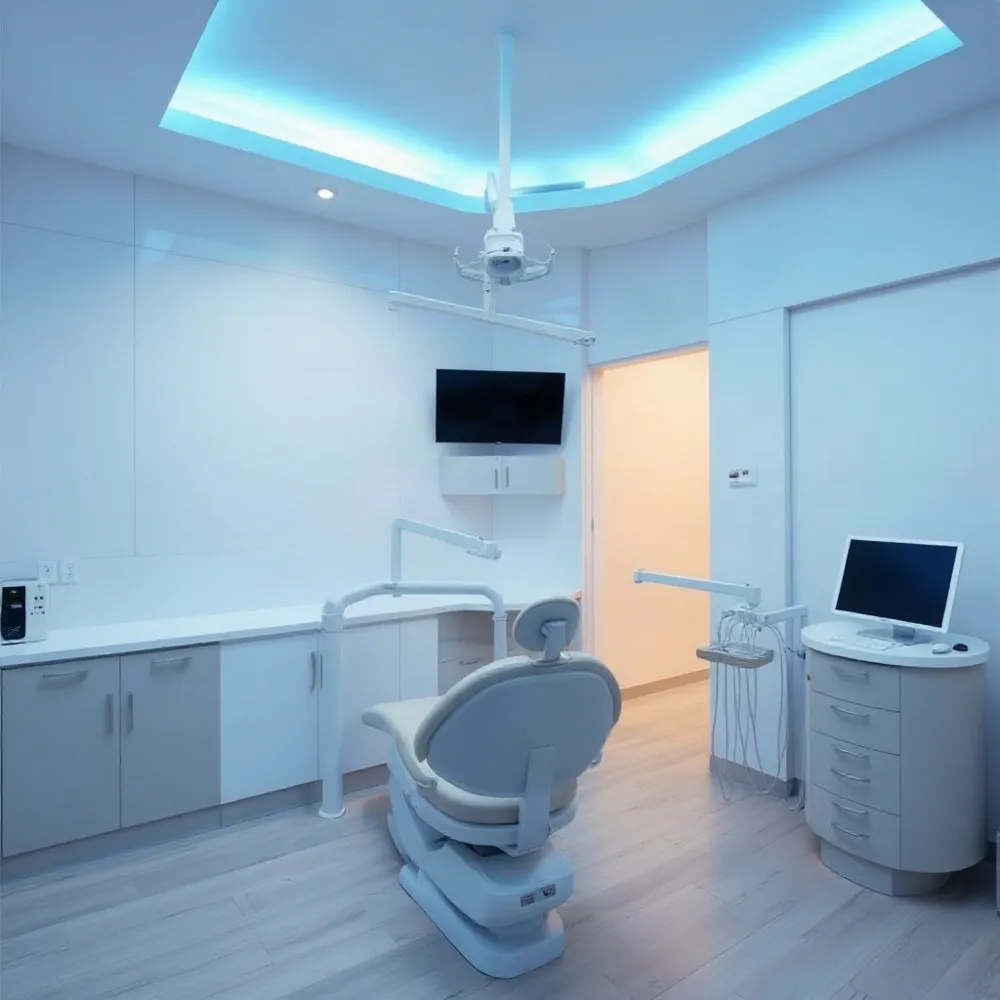 For patients seeking the fastest and most dramatic results, in-office whitening performed by a dentist is the most effective approach. The entire procedure takes about 60 to 90 minutes and begins with a protective barrier applied to your gums to shield soft tissues from the high-concentration bleaching gel.
The gel typically contains 25-40% hydrogen peroxide, a much stronger concentration than anything available over the counter. Many dentists also use a special light or laser to activate the gel and accelerate the whitening process. Most patients see their teeth lighten by 5 to 10 shades in a single session, with the full effect visible immediately after treatment.
Safety is a major advantage of professional supervision. The dentist can monitor your sensitivity throughout the appointment and offer desensitizing treatments if needed, minimizing the risk of gum irritation that often occurs with ill-fitting store-bought trays. In-office whitening typically costs between $300 and $1,000 per session, and because it is considered a cosmetic procedure, dental insurance does not cover it.
This option is ideal for patients who need quick, dramatic results before a special event like a wedding or job interview, or those with deep, stubborn stains from coffee, tea, or tobacco that over-the-counter products cannot fully address. If you want a brighter smile in about an hour, an in-office treatment is your best choice.
At Loud Family Dentistry, we tailor each in-office whitening session to your specific needs. Our team uses professional-grade gels and protective techniques to deliver safe, noticeable results you can see the same day.
Custom Take-Home Whitening Kits from Your Dentist
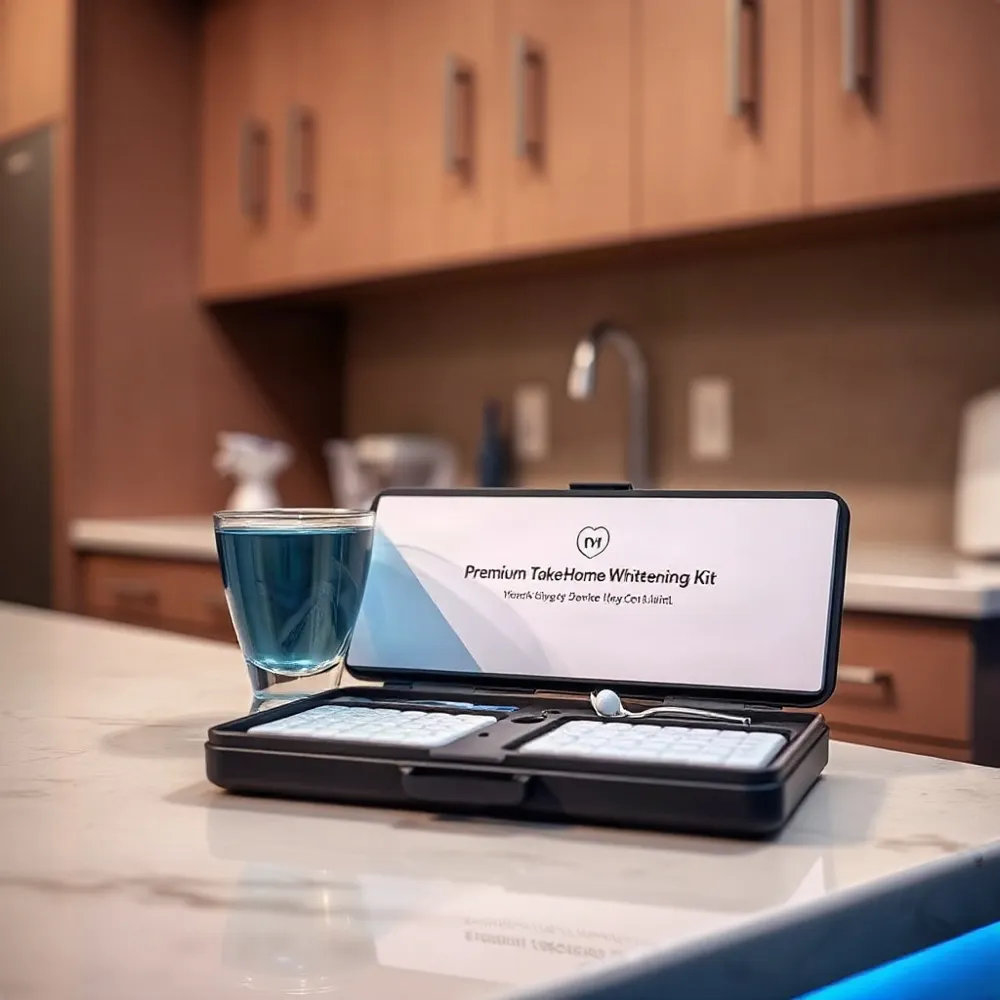 Unlike one-size-fits-all drugstore trays, a custom take-home whitening kit starts with a visit where your dentist takes impressions or digital scans of your teeth. These molds are used to fabricate trays that fit your dental arches precisely, ensuring the bleaching gel contacts every tooth surface evenly while staying away from your gums.
The professional-grade gel in these kits typically contains 10% to 22% carbamide peroxide (roughly equivalent to 3% to 7% hydrogen peroxide). Depending on your dentist's instructions, you wear the filled trays for 30 minutes to overnight each day over one to two weeks. Most patients achieve 2 to 6 shades of improvement by the end of the treatment cycle.
Because the gel's concentration is lower than what is used during in-office whitening, custom take-home kits typically cause less tooth sensitivity while still delivering professional-quality results. The gradual whitening process also allows for consistent, even brightness with fewer surprises. An added benefit is the ability to use the same custom trays for periodic touch-up treatments later, extending the life of your whiter smile.
The cost for a custom take-home whitening kit from a dentist generally ranges from $150 to $500, with replacement gel refills costing $20 to $40 per tube. With good oral hygiene and avoidance of staining foods and drinks like coffee, tea, and red wine, results from professional take-home whitening can last one to three years. This approach is well suited for patients with mild to moderate surface stains who want flexibility and a lower upfront investment than an in-office session.
Over-the-Counter Whitening: Convenience and Cost
For patients who want to brighten their smile on a budget or prefer a do-it-yourself approach, over-the-counter (OTC) whitening products offer a convenient starting point. The market includes whitening strips, gel trays, paint-on pens, toothpaste, LED light kits, rinses, and even chewing gum. Most of these products rely on either hydrogen peroxide (typically 3% to 10%) or carbamide peroxide (10% to 35%) as their active bleaching ingredient.
Because OTC concentrations are lower than professional-grade gels, results are more modest. Users can expect a whitening of about 1 to 3 shades over several weeks, with the best outcomes on mild surface stains from coffee, tea, or smoking. Deeper intrinsic discoloration from medications, trauma, or aging usually does not respond to these products.
Price is a major draw: OTC products range from roughly $5 for a whitening toothpaste to $150 for a premium LED kit. However, the lower cost comes with trade-offs. Without a prior dental exam, applying whitening agents over undiagnosed cavities or cracked enamel can cause sharp pain and worsen oral health issues. Ill-fitting one-size-fits-all trays and strips often allow gel to seep onto gums, leading to irritation and uneven whitening.
These options suit budget-conscious patients with mild, surface-level discoloration who are willing to wait for gradual results. For those who want faster, safer, and more dramatic whitening, Loud Family Dental offers custom-fitted trays and professional-grade gels that deliver consistent, uniform results while protecting your gums — often in a fraction of the time.
Comparing Results: How Long Does Whiteness Last?
How long your whitening results stay bright depends on the method you choose and how well you care for your teeth afterward. The timeline varies significantly between professional treatments and over-the-counter products.
Professional Whitening: Up to 1–3 Years
In-office professional whitening provides the longest-lasting results, typically maintaining brightness for 1 to 3 years with proper care. The high-concentration bleaching agents used in a dentist's office penetrate deeper into enamel, breaking down stubborn stains more effectively than any at-home product. Custom take-home kits from a dentist, which use professional-grade gel in trays molded to your teeth, can keep your smile bright for 1 to 2 years with regular use and good oral hygiene.
Over-the-Counter Products: Shorter Lifespan, More Touch-Ups
OTC whitening strips and gels offer results that typically last 4 to 6 months and require monthly touch-ups to maintain the shade. Whitening toothpastes and rinses produce the shortest effect, often fading within 3 to 4 months, and are best used as maintenance tools rather than standalone whitening treatments.
What Determines How Long Whitening Lasts?
Several daily habits affect the longevity of your results. Dark-colored foods and drinks such as coffee, tea, and red wine can speed up fading. Smoking, poor oral hygiene, and certain medications also shorten how long your teeth stay white. Even after a professional treatment, teeth are naturally porous and will slowly absorb new stains over time.
How to Make Your Results Last Longer
To extend the life of your whitening, avoid staining foods and drinks for at least 48 hours after treatment, when enamel is most porous. After that, brush with a whitening toothpaste, floss daily, and schedule regular professional cleanings. Drinking dark beverages through a straw can also help reduce contact with your teeth. For the longest-lasting results, consider touch-up treatments every 6 to 12 months using a custom take-home tray from your dentist.
For a deeper look at how professional whitening compares to at-home kits, read our article on professional teeth whitening vs. at-home kits.
Safety and Side Effects: What You Should Know
The most common side effect across all whitening methods is temporary tooth sensitivity. This happens because peroxide increases the permeability of tooth enamel, allowing external stimuli to reach the nerve more easily. Gum irritation can also occur if the whitening agent contacts soft tissues. Both effects are almost always temporary, typically resolving within 24 to 72 hours after treatment ends.
Professional supervision minimizes these risks considerably. A dentist applies a protective barrier over the gums before using higher-concentration gels, and can incorporate desensitizing agents into the treatment. Custom-fitted trays from a dentist, like those offered at loudfamilydentistry.com, ensure the gel contacts only the tooth surfaces and stays off the gums, preventing uneven whitening and irritation.
Over-the-counter products carry greater risks when used incorrectly. Applying too much gel or leaving strips on too long can cause chemical burns to the gums and soft tissues. The one-size-fits-all design of many OTC trays can also allow gel to seep onto gums, leading to inflammation and patchy whitening. Overuse of abrasive or high-peroxide OTC products can damage tooth enamel over time.
Who Should Avoid Whitening Treatments?
Whitening is not recommended for everyone. Individuals who are pregnant or nursing, children under 14 to 16 years old, and patients with untreated cavities, gum disease, or cracked teeth should postpone whitening until their condition is addressed. The American Dental Association advises that products bearing its Seal of Acceptance have been evaluated for safety and effectiveness, making them a reliable choice.
Cost Comparison: Is It Worth Investing in Professional Whitening?
Teeth whitening is an elective cosmetic procedure, so dental insurance does not cover it. That means patients pay the full cost out of pocket — which makes understanding the price difference between professional and over-the-counter (OTC) options an important step before deciding.
Professional in-office whitening at a dentist's office typically costs between $300 and $1,000 per session. Custom take-home whitening kits from a dentist range from $150 to $500, with gel refills costing $20 to $40. Over-the-counter alternatives are cheaper upfront: whitening strips run $30 to $70, toothpaste $5 to $15, and LED kits $50 to $300. But the lower price tag often comes with slower, less dramatic results and a shorter lifespan — OTC results may fade within a few months, requiring repeated purchases that add up over time.
Professional whitening delivers faster, longer-lasting outcomes — up to one to three years with proper care — reducing the need for frequent touch-ups. At Loud Family Dentistry, we help patients evaluate the true value of whitening by considering per-use cost, effectiveness, safety, and longevity. For a patient preparing for a wedding or a big event, the immediate, dramatic brightening of an in-office session can be a worthwhile investment. For someone with mild discoloration and a flexible timeline, a custom take-home kit provides professional-grade results at a lower cost than in-office treatment.
The real value goes beyond price. Professional treatment is supervised by a dentist, which means the gums are protected, the gel is applied correctly, and any underlying issues like cavities or gum disease are addressed first. This reduces the risk of discomfort and uneven results that sometimes occur with ill-fitting drugstore trays.
| Method | Typical Cost | Results Duration | Best For |
|---|---|---|---|
| In-office whitening | $300 – $1,000 | 1 – 3 years | Fast, dramatic results for events |
| Custom take-home kit | $150 – $500 | 1 – 2 years | Gradual whitening, lower sensitivity |
| OTC whitening strips | $30 – $70 | 4 – 6 months | Mild surface stains, tight budget |
| Whitening toothpaste | $5 – $15 | 3 – 4 months | Maintenance, surface stain removal |
Post-Whitening Care to Maintain Your Bright Smile
The first 48 hours after whitening are critical. Your enamel is temporarily more porous and prone to absorbing pigments, so avoid dark foods and drinks such as coffee, tea, red wine, berries, and soy sauce. Stick to a "white diet" of chicken, rice, bananas, and white fish. Citrus fruits and other acidic items can also increase sensitivity, so steer clear of them during this window.
Oral hygiene plays a major role in preserving brightness. Brush twice daily with a whitening toothpaste, floss at least once a day, and use an antibacterial mouthwash to reduce plaque buildup. When you do consume staining beverages like coffee or tea, use a straw to minimize contact with your teeth.
Regular professional cleanings every six months remove surface stains that accumulate over time. To keep your smile vibrant, plan touch-up treatments every 6 to 12 months — either with dentist-provided custom trays or a quality over-the-counter product. And avoid all tobacco products, as nicotine and tar quickly yellow teeth and shorten the life of your whitening results.
Your Path to a Brighter Smile Starts Here
Professional whitening offers faster, more dramatic results with higher safety and longer durability than over-the-counter products. A dentist can recommend the method best suited to your needs and oral health. Schedule a consultation at Loud Family Dental to explore your options and take the first step toward a brighter, more confident smile.