A Calm Start to Preventive Care
A child’s dental cleaning is more than a polish. It is a preventive visit that helps care for teeth and gums and gives the dental team a chance to spot concerns early. At Loud Family Dental, care is provided for patients of all ages, with attention to comfort as well as oral health.
The appointment is shaped around the child, so the exact steps can differ with age, comfort, and dental needs. A young child may need time to get used to the room and team, while another child may be ready for a more complete cleaning. Preventive care guidance such as the American Academy of Pediatrics’ Bright Futures initiative also emphasizes health supervision tailored to children and families.
Caregivers can ask questions about what to expect, their child’s teeth, or everyday brushing and flossing. The dental team can share findings and practical home-care guidance, helping families understand what to continue and when a concern may need follow-up.
The Examination Comes First
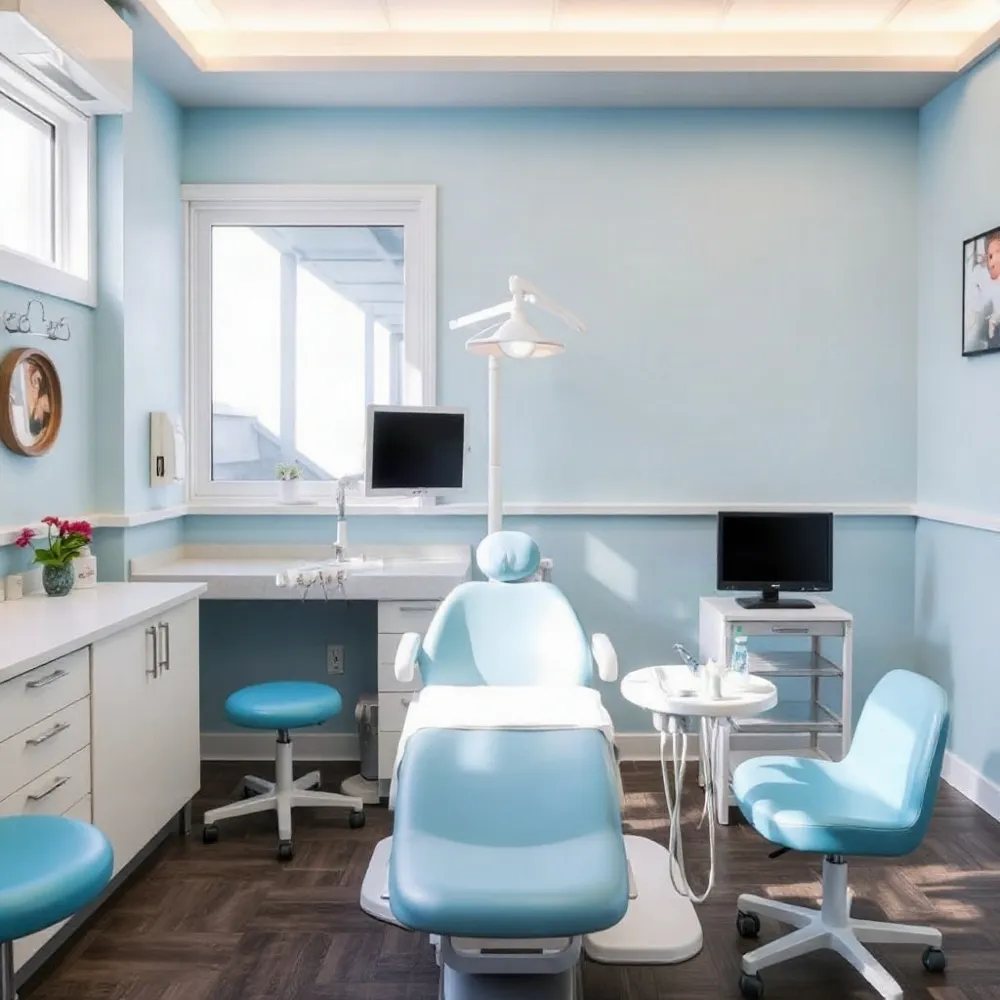 A cleaning begins with a gentle look at the child’s teeth and gums. The dentist or hygienist checks for plaque, signs of decay, gum irritation, and other changes that may need attention. At Loud Family Dental, care is provided for patients of all ages, with attention to comfort during the visit.
The examination also gives the dental team a chance to follow how teeth are developing and whether they appear to be aligning as expected. These observations help the dentist understand a child’s oral health as it changes over time. The visit is part of preventive care, alongside the broader health guidance offered through the American Academy of Pediatrics’ Bright Futures initiative.
X-rays may be recommended when the dentist needs to assess areas that cannot be seen directly, such as spaces between teeth or structures beneath the gumline. They are not automatically needed at every cleaning. The decision depends on the child’s dental history, current findings, and individual needs.
Caregivers can help by sharing questions, changes they have noticed, or concerns about the child’s comfort. If a child feels anxious, needs a pause, or would benefit from extra reassurance, let the dental team know. At Loud Family Dental, a community-oriented practice in Shreveport, communication helps the team provide care with comfort in mind.
The dentist or hygienist can explain what they are checking in simple, age-appropriate language and discuss any findings with the caregiver. Once the examination is complete, the team can move on to cleaning and offer guidance suited to the child’s needs. For a closer look at how an initial appointment is organized, see what to expect during a child’s first dental visit.
Removing Plaque and Tartar
 Once the examination is complete, the hygienist removes plaque, a soft bacterial film that collects on teeth. Hardened plaque, called tartar, is different: brushing and flossing at home do not remove tartar once it has built up. A professional cleaning uses dental instruments to clear deposits that a toothbrush and floss cannot reach. For more on why tartar needs professional attention, see what happens during a professional cleaning.
The tools depend on the amount and location of buildup. An ultrasonic instrument may help loosen larger deposits, while hand instruments can remove remaining tartar near the gumline or between teeth. The hygienist works around each tooth, adjusting the approach to the child’s needs and comfort rather than treating every cleaning as identical.
During the visit, the hygienist may also floss between the teeth to remove debris left in tight spaces. This gives children a chance to see how flossing reaches areas a toothbrush can miss and helps reinforce the value of flossing at home. Loud Family Dental provides care for patients of all ages, so children can receive preventive dental care in a family-focused setting.
Some children notice mild pressure or sensitivity, especially around tender gums or areas with more buildup. They can tell the hygienist if something feels uncomfortable or if they need a pause. Clear communication helps the dental team make the cleaning more comfortable and keep the child involved throughout the appointment.
Polishing and Added Protection
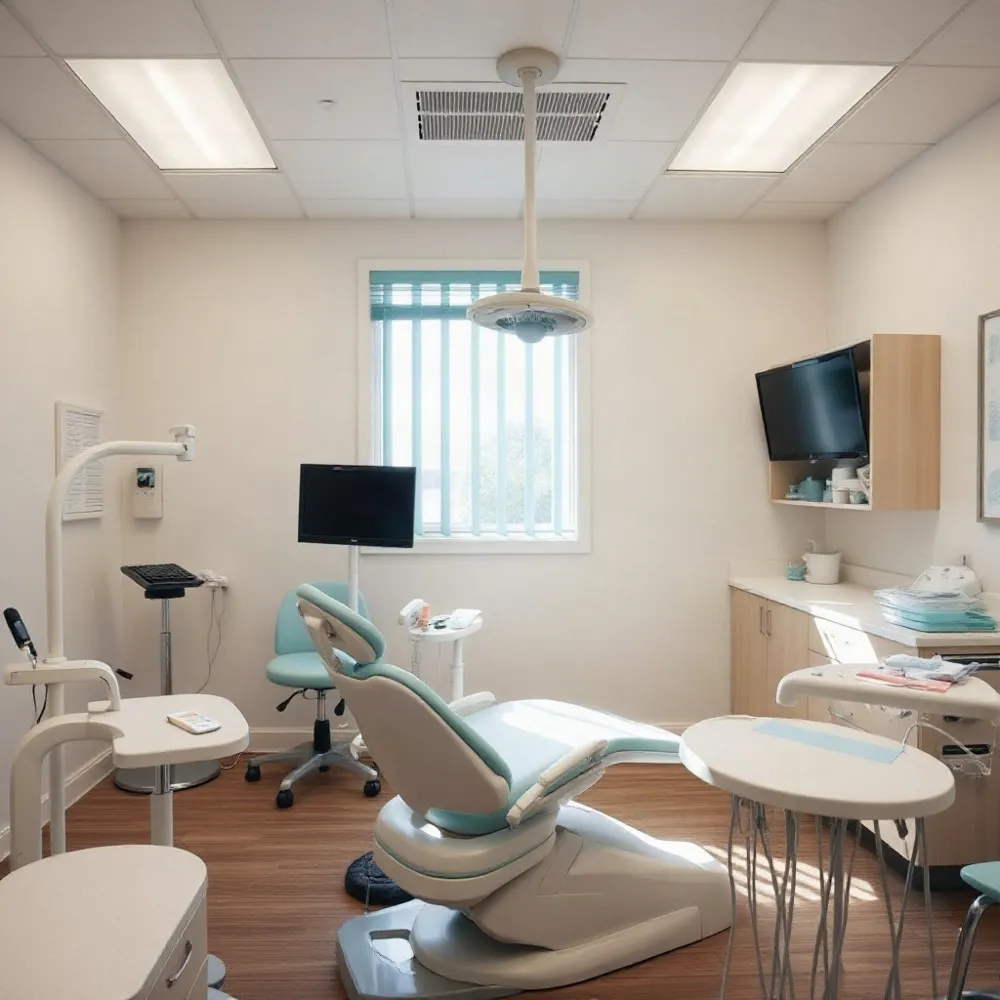 After plaque and tartar are removed, the hygienist may polish the teeth with a powered tool and mildly gritty paste. The paste may be flavored, and polishing can smooth tooth surfaces and remove some light surface stains. For a child, the team can explain the sensation in simple terms and pause if the child needs a break.
Fluoride may be offered after the cleaning to strengthen enamel and help lower the risk of tooth decay. It is an optional preventive step, not part of every basic cleaning. The dentist considers factors such as the child’s cavity risk and oral health before recommending it. At Loud Family Dental, preventive care is part of the clinic’s services for patients of all ages, with care tailored to each patient.
Dental sealants may also be recommended for some children. These thin protective coatings cover the grooves of certain teeth, where food and plaque can collect, but they are a separate preventive measure rather than a routine part of every cleaning. The dentist can explain whether sealants suit a child’s teeth and how they fit alongside brushing, flossing, and regular checkups.
The polishing and any added protection are distinct from the essential cleaning steps. A child’s needs can change as teeth develop, so the dental team can discuss which options make sense at the visit. The Bright Futures initiative offers broader guidance on preventive care and health supervision for children, though it does not set dental-cleaning procedures.
Talking Through Findings and Home Care
After the cleaning, the dentist or hygienist may explain what they noticed and answer a caregiver’s questions. If they see an area of concern, they may suggest practical changes to brushing or flossing. Families can also review how to support a child’s daily routine through Loud Family Dental’s guidance on pediatric dental care.
At home, children should brush twice a day with fluoride toothpaste and floss daily. Young children often need a caregiver’s help to reach every tooth surface and brush thoroughly. As children become more independent, caregivers can continue checking that brushing is effective and that flossing reaches between the teeth.
Professional cleanings complement, rather than replace, daily care. Brushing and flossing help control plaque between visits, while the dental team can remove hardened deposits that are difficult to clear at home and check for changes in the teeth and gums. Preventive care fits within broader child health guidance, such as the American Academy of Pediatrics’ Bright Futures initiative.
Many children have checkups and cleanings about every six months, but that schedule is not right for every child. A dentist may recommend visits more or less often depending on the child’s oral health, history, and individual needs. At Loud Family Dental, care for patients of all ages gives families a place to discuss those needs and receive guidance suited to their child.
Building Comfortable Dental Habits
A pediatric cleaning brings together an examination, removal of plaque and tartar, and guidance shaped around a child’s needs. Each part gives caregivers a chance to understand what is happening in their child’s mouth and what steps may help protect it between visits.
Ask the dental team to explain any findings, when to schedule follow-up, and how to handle concerns about discomfort or home care. If a child seems uneasy, share that with the team so they can respond in an age-appropriate way. Clear, calm answers can help caregivers feel prepared and help children know what to expect.
At Loud Family Dental, a community-oriented clinic in Shreveport serving patients of all ages, care focuses on comfort and professional attention. Familiar visits suited to a child’s age can make preventive care feel more manageable over time. With support from caregivers and the dental team, children can practice everyday oral-care habits and grow more comfortable asking questions about their health.