
When a Dental Visit Feels Difficult
Returning to the dentist can feel daunting when fear, uncertainty, or embarrassment has kept appointments on hold. A person may worry about pain, what treatment will involve, or how their teeth will be judged. Avoidance can allow dental problems to worsen, which may make the next visit feel even harder, as Cleveland Clinic explains.
One patient’s account of seeking care after years away can show what taking a first step may look like, but it cannot predict how another person’s appointment or treatment will go. Experiences differ, and the right pace and support are personal.
A useful starting point is to tell the dental team what feels difficult, ask questions, and request an appointment focused on conversation or a routine checkup. Patients can also discuss a signal for pausing treatment or other ways to feel more in control. At Loud Family Dental, care for patients of all ages is grounded in comfort and professional attention.
Understanding Dental Anxiety
 Dental anxiety is fear, nervousness, or stress connected with dental visits or treatment. It ranges from mild unease to intense fear that can lead someone to delay or avoid care. It is common, but estimates differ because studies may define and measure anxiety in different ways. Read more about understanding dental anxiety.
Triggers vary from person to person. Some people worry about pain or needles; others react to instruments, unfamiliar sounds, or uncertainty about what will happen. An upsetting past experience, embarrassment about oral health, or feeling unable to pause treatment may also contribute. Dental anxiety and phobia can involve physical reactions such as sweating, trembling, nausea, dizziness, or a racing heartbeat.
These reactions can begin before an appointment and may make it tempting to postpone care. Avoidance can allow dental problems to worsen, which may mean more involved treatment later and add to a person's worry. Naming the specific concern is a practical first step: a patient might tell the dental team that needles, sounds, pain, or feeling out of control is hardest.
At Loud Family Dental, comfort and professional care are part of the clinic's stated approach to serving patients of all ages. Patients can raise concerns with the team and ask what to expect before treatment. A clear conversation does not make every fear disappear, but it gives the dental team a chance to understand the patient's needs and discuss an approach that feels more manageable.
A Manageable First Step
If embarrassment about your teeth or years away from dental care are holding you back, you can mention that when you call. You are not expected to have everything figured out before booking. Ask what a first visit involves and whether it can begin with a conversation and examination, followed by a clear explanation of findings and options.
One person’s account on a Dental Fear Central forum describes avoiding dentists for more than 30 years. The poster said reviews and the availability of sedation influenced the choice of office. Meeting the dentist before treatment helped them feel more at ease, and they later reported that the experience was less frightening than expected. They also said they used oral sedation. This is a personal experience, not clinical evidence or a prediction of how another patient will feel.
If you need treatment but feel too anxious to attend, tell the office what concerns you, whether that is pain, sounds, embarrassment, or a past experience. Ask whether you can start with a consultation or examination, meet the team, and make a plan before treatment. A consultation can also help you decide whether the team feels like a good fit. At Loud Family Dental in Shreveport, patients can discuss their concerns with the team as part of planning care in a clinic that serves patients of all ages.
You can ask about taking one step at a time and prioritizing care according to urgency, comfort, and budget. The dental team can explain available options, but recommendations and services depend on your needs and the practice. If you proceed, you can ask questions and discuss ways to pause or make the visit more manageable. Booking a conversation is a practical first step, not a commitment to treatment that day.
Ways to Feel More in Control
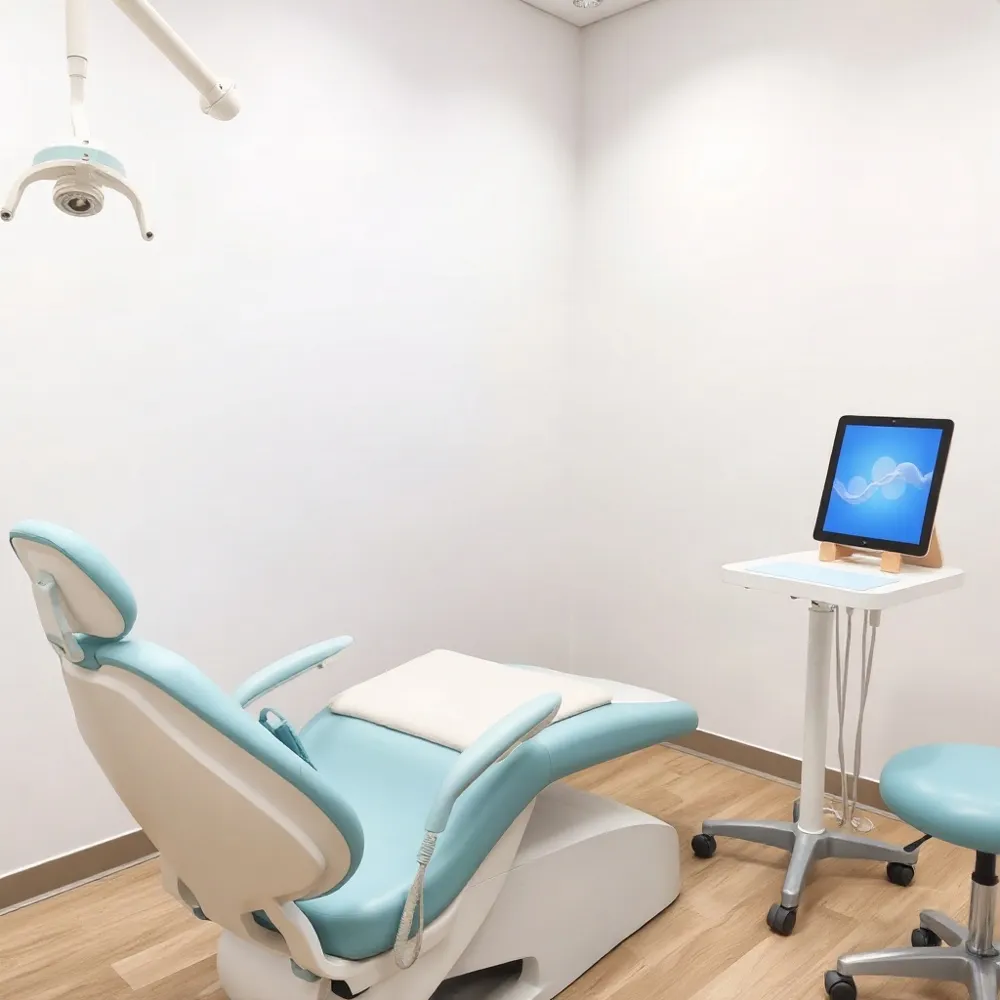 Before the appointment, tell the dental team what worries you, including any difficult past experiences or specific sounds, sensations, or procedures you fear. You can also ask what to expect and request a consultation before treatment. Clear communication gives the team a chance to tailor its approach, while discussing next steps in advance may make care feel less uncertain. Cleveland Clinic’s guidance on dentophobia recommends speaking up about anxiety and agreeing on a signal to pause.
Choose an appointment time that fits your routine and gives you room to arrive without rushing. Getting there a little early can leave time to settle in, ask final questions, and try slow, steady breathing or another calming activity. At Loud Family Dental, patients can also ask about using headphones and a personal playlist during treatment, an option described in the clinic’s patient journey.
During treatment, agree on a hand signal, such as raising your hand, to ask the dentist to pause. You can request a break or a check-in, and ask for a plain-language explanation before each step. A pause signal is not a disruption; it helps the team understand when you need a moment.
Music or a calming mental image may help shift your attention, if headphones are compatible with the procedure and the office can accommodate them. If one approach has helped before, mention it. If it has not, say that too, so the team can consider other ways to support you. The Better Health Channel’s advice on dental anxiety also describes breathing, distraction, and pause signals as possible coping strategies.
When anxiety remains difficult to manage, ask whether a longer appointment, additional breaks, or other support might suit your circumstances. Sedation is not appropriate for everyone, and any option should be discussed with a dental professional who can consider your health and the planned care.
When More Support May Help
Severe dental anxiety deserves a thoughtful plan, not pressure to simply get through an appointment. A dentist can listen to what feels frightening, explain each step in plain language, move at a comfortable pace, and agree on a signal, such as raising a hand, to pause treatment. Clear communication and a chance to ask questions can help patients feel more involved in decisions.
A brief consultation before treatment may offer space to meet the dentist and talk through concerns without starting a procedure. Ask the office whether this is available, since practices differ in the accommodations they provide. At Loud Family Dental, a community-oriented practice serving patients of all ages, comfort is part of its focus; you can also read about how the team builds trust with nervous patients.
If anxiety remains difficult to manage, medication or sedation may be worth discussing with a clinician. Options can include nitrous oxide or prescribed oral medication, but availability and suitability vary. A clinician should consider the planned procedure, health history, and other medicines before recommending an approach. Harvard Health Publishing’s guidance on dental anxiety also stresses discussing medical conditions and medications when considering anxiety support.
Do not take your own or another person’s Xanax (alprazolam) before a dental visit without first discussing it with the dental team and the prescribing clinician. Its effects may combine with sedatives, causing marked drowsiness or slowed breathing, and can make driving unsafe. If medication is part of the plan, ask whether someone must drive you to and from the appointment. Tell the team about all medications and medical conditions, and ask about expected benefits, risks, and transport arrangements.
Helping Anxious Children
 Children can take cues from a parent’s words and tone. Describe the visit calmly and positively as a way to help keep teeth healthy, without focusing on procedures or suggesting that something will hurt.
Avoid frightening words and upsetting stories about your own dental experiences. Reading a child-friendly book about a checkup or playing pretend dentist at home can make the setting and routine feel more familiar. You can also prepare your child for a positive dental visit with simple, reassuring language.
Before the appointment, tell the dental team what worries your child. Loud Family Dental serves patients of all ages, and sharing a child’s concerns gives the team context to offer age-appropriate explanations and reassurance.
Praise your child for trying, even if they remain nervous or need time to settle in. Confidence may grow through patient, supportive experiences, rather than one visit needing to go perfectly.
Returning at Your Own Pace
A first step can be a conversation or consultation, not immediate treatment. There is no single approach that works for everyone, but sharing your concerns helps the dental team discuss options suited to you.
If anxiety is delaying care, contact a dental professional and ask what a manageable next step could be. A consultation can help you understand the plan before deciding how to proceed, as Cleveland Clinic explains.