
When a Tooth Needs More Support
A cracked, worn, or extensively damaged tooth may need more support than a filling can provide. A dental crown is a custom cap that covers the tooth, helping restore its shape and function while protecting the remaining structure. Crowns are one treatment option, not a universal answer, and the right choice depends on how much healthy tooth remains and the tooth’s overall condition.
A dental evaluation helps determine whether a crown or a more conservative restoration is appropriate. At Loud Family Dental, patients of all ages receive comprehensive dental care in a comfort-focused setting. The dentist can examine the tooth, explain the available options, and discuss the benefits and limits of each approach. Cleveland Clinic’s guide to dental crowns also emphasizes that treatment depends on individual needs, so an assessment can help inform a decision tooth by tooth.
What a Dental Crown Does
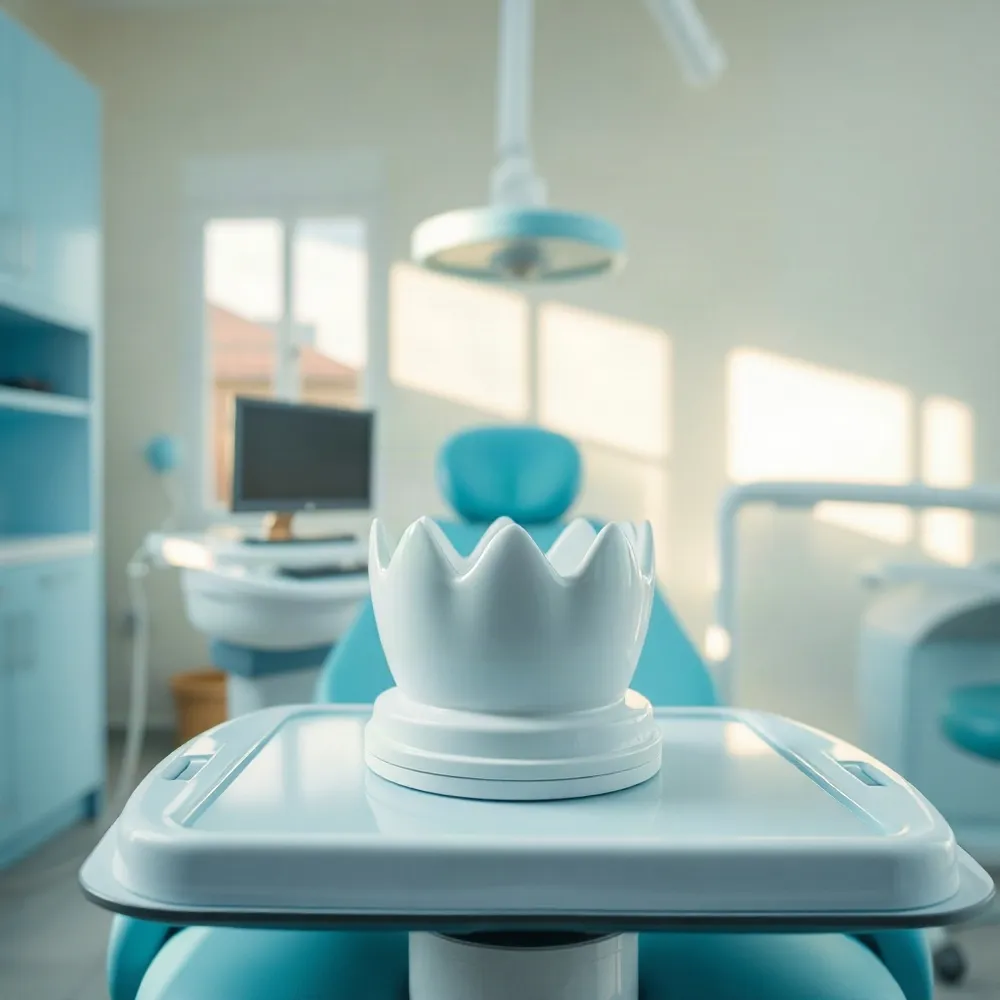 A dental crown is a custom-made covering shaped to fit over a prepared tooth. “Tooth cap” and “dental crown” mean the same restoration. By restoring a tooth’s shape and chewing surface, a crown can support weakened structure and help protect it from further damage. Learn more about how dental crowns work.
At Loud Family Dental, the crown material is considered as part of care for each patient, rather than as a one-size-fits-all choice. A dentist weighs the tooth’s location and condition, oral-health needs, bite forces, appearance preferences, and cost before discussing suitable options. Cleveland Clinic’s guide to dental crowns also explains how materials differ.
Metal crowns are durable and resist chipping, but their metallic color can make them more noticeable, so they may suit less visible teeth. Porcelain-fused-to-metal crowns pair a strong metal base with a tooth-colored surface, though the porcelain can chip and reveal the metal. Ceramic or porcelain crowns can closely resemble natural enamel, while zirconia is a durable ceramic option.
Resin crowns are more fragile than many other options and are often used temporarily. Each material involves trade-offs, so a dentist at Loud Family Dental can explain which choices fit the needs of an individual tooth and the patient’s priorities.
When a Crown May Be Recommended
A crown may be considered when decay, a large filling, a crack, a fracture, or wear has weakened a tooth. Dentists may also recommend one after root canal treatment if the remaining tooth needs added support. A crown covers the compromised area and helps the tooth handle chewing forces, but it cannot guarantee that future damage or decay will not occur.
A tooth can be weakened without hurting. The absence of pain does not establish that a tooth is sound, so a suspected crack or other change is worth having assessed. The Cleveland Clinic’s guide to dental crowns describes crowns as one option for restoring weak, cracked, broken, or worn teeth.
Full coverage is not the only way to repair a damaged tooth. A filling or bonding may suit a limited area, while an inlay or onlay can restore some teeth that need more than a filling but do not require a crown. The dentist assesses the damage, remaining tooth structure, and whether the tooth can support a restoration predictably.
A crack extending below the gumline, or damage too extensive to restore, may call for a different approach. Depending on the tooth’s condition, that could include treatment of the pulp or, if the tooth cannot be restored, extraction and possible replacement. At Loud Family Dental, a Shreveport clinic serving patients of all ages, an evaluation helps clarify the condition of the tooth and the available options.
Ask the dentist to explain what the examination shows, why a crown is or is not recommended, and what alternatives may fit. It is also reasonable to discuss what monitoring or delaying treatment could mean for that particular tooth.
From Tooth Preparation to Final Fit
 Treatment starts with an examination of the tooth and any needed care, such as treating decay. Once the area is numb, the dentist shapes the tooth by removing some enamel to make room for the crown. Filling material may be added where needed to build up the tooth and give the crown a stable foundation.
The dentist records the prepared tooth with a physical impression or digital scan. In the traditional approach, a temporary crown protects the tooth while a dental laboratory makes the permanent one, a process that commonly takes two to three weeks or longer. At a later appointment, the dentist checks the new crown’s shape, color, and fit, then bonds it in place with dental cement. Cleveland Clinic’s crown procedure overview describes these steps and typical timing.
Some offices use computer-aided design and manufacturing (CAD/CAM) to design and mill a ceramic crown in one visit. This option is not suitable for every patient or tooth. As a community dental clinic serving patients of all ages in Shreveport, Loud Family Dental can assess the tooth and discuss an appropriate treatment approach; the number of visits and overall timing depend on the case and the method used.
Risks, Care, and Crown Lifespan
 A crown can protect a weakened tooth, but getting one requires removing some natural enamel. After placement, temporary sensitivity to hot or cold is possible. A crown may also chip, fracture, loosen, or fit poorly, and the gums near it can become irritated. Allergic reactions to crown materials are rare. Review the possible benefits, risks, and alternatives with a dentist before treatment.
A crown does not make the tooth immune to decay. Plaque can collect around its edge, where the natural tooth remains exposed, so brushing, flossing, and dental checkups still matter. For more on possible concerns and ongoing care, see this guide to dental crown risks and care.
Brush at least twice daily with fluoride toothpaste, floss every day, and attend regular cleanings and exams. Avoid chewing ice, very hard foods, or sticky sweets that could damage or dislodge a crown. If you grind or clench your teeth, ask your dentist whether a custom mouth guard could help protect it.
A crown’s average lifespan is about five to 15 years, though some last longer. Its service life depends on factors such as material, tooth location, bite forces, oral hygiene, and maintenance, so it is not permanent or guaranteed to last a particular length of time. Cleveland Clinic’s dental crown care guidance also recommends regular dental visits to monitor the restoration.
Contact a dentist if a crown becomes loose, cracked, chipped, or sharp, or if you notice a bad taste or breath. Mild sensitivity can occur at first, but persistent pain, pain when biting, or discomfort that disrupts sleep deserves assessment. Loud Family Dental provides comprehensive dental care for patients of all ages in Shreveport, where a dentist can assess a crown and the tooth beneath it.
Understanding Crown Costs
There is no single price that applies to every dental crown, and the available clinical guidance does not establish a reliable fee for every patient. The final cost can depend on the crown material, which tooth is treated, the complexity of the case, and whether additional care is needed before placement.
Insurance coverage and out-of-pocket costs vary by plan and treatment details. Ask the dental office for an itemized estimate, then check with your insurer to confirm benefits, exclusions, and your expected share before treatment. A dentist can also explain which parts of the proposed care affect the estimate.
For a broader look at how restorative options and their costs may differ, see this guide to crown, bridge, and implant fundamentals.
A Decision Made Tooth by Tooth
A crown can restore chewing function and support a weakened tooth, but it is not needed for every dental problem. A dentist may recommend a smaller restoration or another option based on how much healthy tooth remains. Even with a crown, daily brushing, flossing, and regular dental visits help protect the tooth and surrounding gums, as the Cleveland Clinic’s crown guidance explains.
At Loud Family Dental, patients in Shreveport can discuss their tooth’s condition, suitable crown materials, alternatives, treatment steps, and expected costs as part of comprehensive dental care for all ages. Asking how each option fits your needs can help you make an informed decision with your dentist.