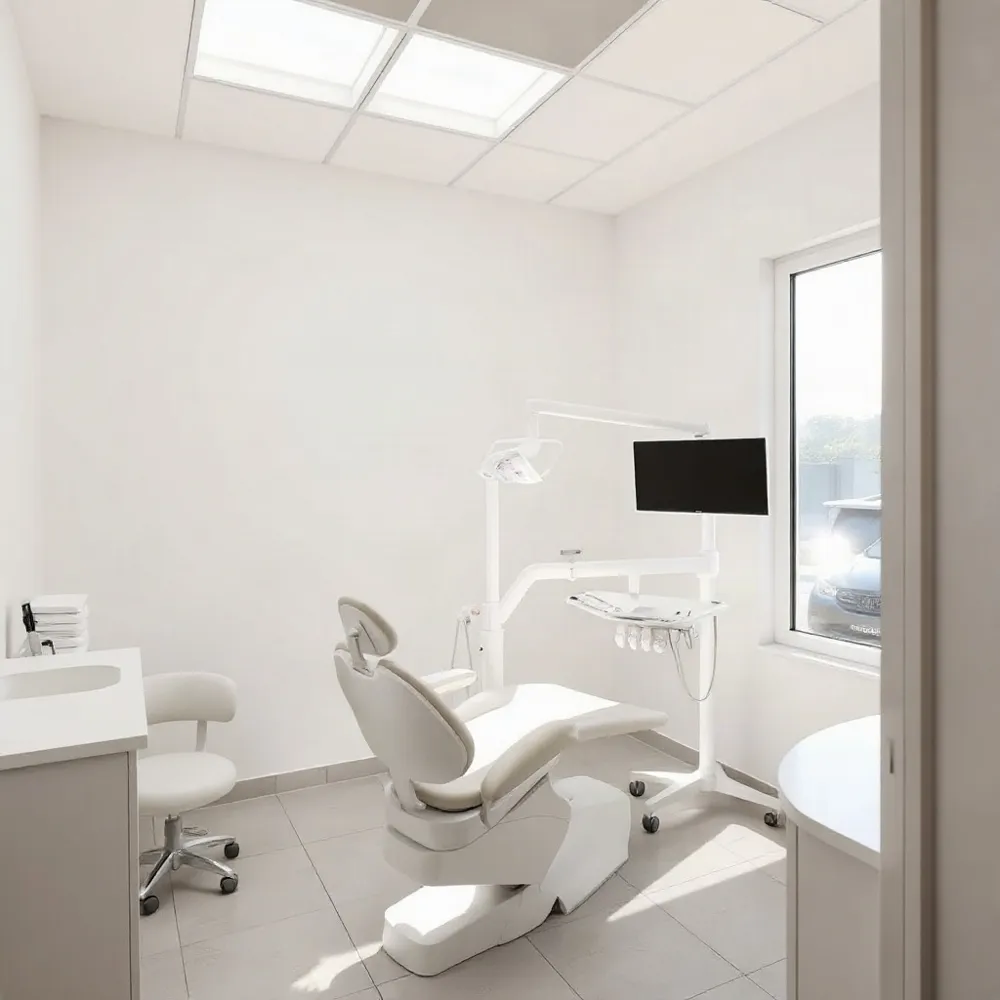
Understanding Professional Teeth Whitening
What is Teeth Whitening?
Teeth whitening is a cosmetic dental procedure designed to remove stains and discoloration from the surfaces of natural teeth, resulting in a brighter, healthier-looking smile. It primarily targets yellowing caused by factors such as coffee, tea, smoking, aging, and certain foods.
Professional vs. Over-the-Counter Whitening
Professional teeth whitening uses high concentrations of effective bleaching agents like hydrogen peroxide or carbamide peroxide. These treatments are performed or supervised by dental professionals, ensuring safety and customized care. They provide faster, more noticeable, and longer-lasting results compared to over-the-counter (OTC) products, which use lower strengths and can sometimes cause uneven results or sensitivity if misused.
Common Causes of Tooth Discoloration
Tooth discoloration can result from:
- Extrinsic factors: Consumption of coffee, tea, red wine, soda, and tobacco use.
- Intrinsic factors: Aging, certain medications, illness, and dental trauma.
- Lifestyle habits and poor oral hygiene also contribute to staining.
Professional whitening effectively addresses many types of surface stains but may be less effective on intrinsic discolorations, which sometimes require alternative treatments like veneers or crowns.
The Professional Teeth Whitening Treatment Process

What happens during a professional teeth whitening treatment?
The process begins with a thorough evaluation and cleaning of your teeth to remove plaque and tartar, optimizing the whitening effect. A protective barrier in teeth whitening is carefully applied to safeguard your gums, lips, and other soft tissues from irritation during treatment.
Next, a highly concentrated whitening gel, typically containing 25% to 40% hydrogen peroxide, is applied to the surface of your teeth. This gel works to break down stains and discoloration effectively.
An advanced light source, such as LED or laser, is then directed at your teeth to activate and accelerate the whitening gel. This light activation in tooth whitening usually occurs in 20-minute intervals, repeated 3 to 4 times depending on your individual dental needs. Though some studies suggest light activation may not significantly enhance whitening outcomes, it remains a common practice in many professional settings.
The entire session lasts about 45 minutes to an hour, making it a quick and convenient option for those seeking immediate visible whitening results.
During the procedure, dental professionals closely monitor your comfort and safety, ensuring the process is painless teeth whitening treatment and minimizing any potential sensitivity. Post-treatment, you'll receive instructions on care, such as foods to avoid after whitening to maintain your brighter smile.
Professional teeth whitening, like those at Aspen Dental whitening options, can lighten teeth up to 10 shades in as little as 30 minutes, providing faster, safer, and more reliable outcomes than over-the-counter options. Maintaining the results involves good oral hygiene and lifestyle choices, including minimizing consumption of staining substances such as coffee and tobacco.
Benefits and Safety of Professional Teeth Whitening

What are the benefits of professional teeth whitening?
Professional teeth whitening benefits provides several advantages over over-the-counter (OTC) products. In-office treatments use stronger bleaching agents like hydrogen peroxide or carbamide peroxide, which penetrate the enamel deeply to remove both surface and intrinsic stains. These treatments deliver faster, more significant whitening results, often within a single session lasting 30 minutes to an hour. Unlike OTC products, professional whitening is customized to individual dental conditions, ensuring optimal effectiveness and minimizing risks.
How are treatments customized and supervised?
Dental professionals tailor teeth whitening treatments based on the patient’s oral health, stain type, and sensitivity levels. They conduct thorough evaluations and professional dental cleaning importance beforehand to maximize outcomes. During the procedure, protective barriers shield gums from irritation, and the patient's comfort is closely monitored. Professional supervision also ensures safe use of high-grade bleaching agents, reducing side effects such as excessive sensitivity or gum inflammation.
What are the long-lasting aesthetic benefits?
Professional whitening treatments not only brighten teeth dramatically but also yield results that can last six months to over a year with proper oral care. Patients often experience enhanced confidence and satisfaction with their smile’s appearance. Maintaining good dental hygiene and avoiding stain-causing foods and tobacco help preserve these improvements.
Are there safety concerns and how are side effects minimized?
While professional whitening is generally safe, possible side effects include temporary tooth sensitivity and slight gum irritation. Such effects are typically short-lived and subside within a few days. Dentists help patients manage these discomforts through tailored treatment plans and recommend desensitizing products or over-the-counter pain relief when needed, along with tooth sensitivity management post whitening.
Is the procedure painful?
Most patients find professional whitening comfortable and pain-free. Some may experience mild tingling or warmth during treatment, but serious pain is rare. Protective measures, such as applying a gum barrier and adjusting bleach concentration, contribute to maintaining patient comfort throughout the session.
| Aspect | Details | Patient Benefit |
|---|---|---|
| Effectiveness | Stronger agents remove deep stains quickly | Noticeable whitening in one visit |
| Customization | Tailored to dental health and sensitivity | Safer, optimized results |
| Supervision | Monitored by dental professionals | Reduced risk and side effects |
| Longevity | Results can last 6-12 months or more | Prolonged aesthetic improvement |
| Safety Measures | Protective barriers, controlled agent concentrations | Minimized gum irritation and pain |
| Temporary Sensitivity | Usually resolves within 1-2 days | Manageable mild discomfort |
Duration, Longevity, and Maintenance of Whitening Results

How long does a professional teeth whitening procedure usually take?
Professional teeth whitening is a convenient cosmetic dental treatment that typically lasts about one hour per session. The in-office whitening treatments, often called chairside bleaching, can be completed in a single visit, making it ideal for people with busy schedules. During this time, a dental professional applies a special whitening gel—commonly containing hydrogen peroxide or carbamide peroxide—and may use light activation in tooth whitening to enhance the process. The treatment sometimes involves multiple gel applications within that session to achieve optimal painless teeth whitening treatment.
Timeline for visible results in-office and at-home
In-office teeth whitening provides immediate visible whitening results, often within the one-hour session itself. Patients can expect their smile to brighten by several shades right after treatment. Conversely, take-home whitening kits given by a dentist typically take longer, ranging from one to two weeks to show significant improvement. Although take-home treatments act more gradually, they are effective and allow continued whitening at the patient's convenience.
How long do the results of professional teeth whitening last?
The longevity of professional whitening effects varies widely but generally ranges from six months up to three years. Most patients see noticeable results lasting about one year. Factors such as good oral hygiene, age, and especially lifestyle choices play a major role in determining how long whitened teeth maintain their brightness.
Factors affecting durability such as diet and oral care
Teeth are prone to getting stained again by foods and drinks that are high in pigment and acidity, such as coffee, tea, red wine, and berries. Smoking also greatly contributes to recurrence of discoloration. To prolong whitening results, avoiding these staining agents shortly after treatment—especially during the first 48 to 72 hours when teeth are more susceptible—is recommended. Maintaining daily brushing and flossing habits along with regular professional dental cleanings helps keep the enamel smooth and less prone to stain buildup.
Importance of follow-up and touch-up treatments
Given that whitening results diminish over time, scheduling routine touch-up whitening treatments is advised to sustain the desired brightness. These can be done in-office or with dentist-provided take-home kits, often once or twice a year depending on individual needs and lifestyle. Additionally, follow-up visits allow dental professionals to monitor oral health and address any tooth sensitivity management post whitening or complications from bleaching treatment, ensuring a safe and effective long-term whitening outcome.
Preparation and Post-Treatment Care for Optimal Results
Pre-treatment dental exam and cleaning
Before undergoing professional teeth whitening, a thorough dental examination and cleaning are essential. This step ensures your oral health is optimal and free of issues like cavities or gum disease that could affect whitening outcomes. Cleaning removes plaque and tartar, creating a clean surface for the whitening agents to work effectively. This highlights the professional dental cleaning importance.
Restrictions on pregnancy and patient suitability
Teeth whitening is generally not recommended during pregnancy due to safety concerns with bleaching agents such as hydrogen peroxide and carbamide peroxide. Hormonal changes during pregnancy can also increase tooth sensitivity and unpredictability of results. It is important for pregnant or nursing women to consult their dentist and consider postponing whitening treatments until after pregnancy.
Post-treatment recommendations to reduce sensitivity and staining
After whitening, teeth may experience mild sensitivity or tingling, which usually resolves within a few days. Protective barriers during whitening used during treatment help reduce gum irritation. For 48 to 72 hours post-treatment, avoid acidic and deeply colored foods and drinks like coffee, red wine, tea, berries, and soda to prevent staining while enamel is more vulnerable. Using straws for beverages can minimize contact with teeth. For more details see Protective barriers during whitening and Post-treatment staining precautions. Also, for managing tooth sensitivity management post whitening.
Dietary and lifestyle advice after whitening
Maintaining a lifestyle that supports whitening results is important. Limit intake of staining substances such as tobacco, coffee, tea, and red wine. Smoking cessation is highly recommended, as tobacco can quickly re-stain teeth. Good oral hygiene practices help preserve brightness. Refer to Post-Whitening Care Tips and Foods to Avoid After Whitening for additional guidelines.
Importance of regular dental hygiene and follow-up visits
Regular brushing, flossing, and dental checkups contribute to long-lasting whitening results. Many dentists recommend touch-up whitening treatments once or twice a year to sustain your smile's brightness. Regular visits also allow your dental professional to monitor for any signs of sensitivity or enamel changes, ensuring your whitening remains safe and effective. For more about the Professional teeth whitening process and benefits.
Cost Considerations and Accessibility of Professional Whitening
What is the typical cost of professional teeth whitening in the United States?
Professional teeth whitening typically costs between $500 and $1,000 when done in-office by a dental expert. The average price in 2022 was about $508, reflecting both its popularity and effectiveness in delivering fast, noticeable results.
How does the cost compare with at-home and over-the-counter (OTC) kits?
Custom take-home whitening kits supplied by dentists range from $150 to $600. These kits usually take several days to weeks to achieve desired results. OTC products, like whitening strips or gels, are the least expensive option, often costing between $10 and $55. However, they typically use weaker bleaching agents and require longer use to see any effect.
Does insurance cover professional teeth whitening?
Since teeth whitening is a cosmetic dental treatment, most dental insurance plans in the U.S. do not cover the treatment cost. Patients should expect to pay out-of-pocket but might find savings through dental discount plans or special promotions.
What factors influence pricing?
Several factors affect the price, including:
- Treatment type: In-office treatments with advanced Light-activated teeth whitening technology usually cost more than take-home kits.
- Geographic location: Prices can vary regionally, often higher in urban or affluent areas.
- Dentist expertise and technology used: Modern bleaching agents and professional teeth whitening benefits add to the cost but improve safety and results.
Is the value of professional whitening worth the cost?
Professional teeth whitening provides stronger, faster, and longer-lasting results compared to OTC products. With customized teeth whitening treatment, supervision by dental experts to minimize risks, and enhanced patient comfort, many find the investment worthwhile. The confidence boost from a brighter smile often justifies the expense for those seeking noticeable and safe improvement in tooth color.
Embrace a Brighter Smile Safely and Effectively
Professional Teeth Whitening: Advantages at a Glance
Professional teeth whitening stands out as the safest and most effective method to achieve a noticeably brighter smile. Unlike over-the-counter products, these treatments use high-grade bleaching agents such as hydrogen peroxide or carbamide peroxide, which deliver faster and longer-lasting results. Performed under the careful supervision of dental experts, professional whitening minimizes risks like gum irritation and tooth sensitivity while ensuring even, natural-looking color enhancement tailored to your unique dental condition.
Personalized Care from Dental Professionals
Consulting with a dentist is essential before pursuing whitening treatments. A dental professional evaluates your oral health, chooses the most suitable whitening option, and customizes the process to fit your needs. This supervision protects your teeth and gums and helps set realistic expectations about the whitening results, ensuring your comfort throughout the treatment.
Maintaining Your Radiant Smile
To keep your teeth shining after whitening, adopting good oral hygiene practices and lifestyle choices is crucial. Avoiding foods and drinks that cause stains, such as coffee, tea, and red wine, during the initial 48 hours post-treatment—and beyond—helps prevent discoloration. Regular dental checkups and touch-up treatments recommended by your dentist can prolong the whitening effect, allowing you to enjoy a beautiful smile with confidence for months or even years.