Make Room for a More Comfortable Visit
A dental visit can feel easier when you know what may happen and can tell the team what would help. Whether you feel nervous, have been away from dental care for a while, or are bringing a young child, you deserve a respectful conversation without judgment.
At Loud Family Dental, a community-oriented clinic in Shreveport serving patients of all ages, comfort and professional care are part of the practice’s approach. Sharing concerns early gives the team a chance to understand your needs and discuss what to expect.
A little preparation can make the visit feel more manageable. This guide covers choosing a suitable appointment time, getting ready, understanding common steps, and finding ways to cope with anxiety during care.
Plan Ahead and Share What You Need
 A little planning can make check-in and conversation with the dental team feel less rushed. Choose a time that fits your schedule, and consider mentioning any anxiety or accessibility needs when you book. At Loud Family Dental, sharing those concerns early gives the team context to support patients of different ages and needs.
What should I say when scheduling a dental appointment?
Tell the scheduling team whether you need a routine checkup, a cleaning, or an appointment for a specific concern. Describe symptoms plainly, including when they began and whether you have pain, sensitivity, or swelling. Mention relevant medical conditions, medications, when you last saw a dentist, and any dental anxiety or accessibility needs.
You can also share goals you hope to discuss, such as addressing a sensitive tooth or improving your smile. Before ending the call, ask what to bring and whether the visit is expected to include an exam, a cleaning, or both. If you are unsure how to describe a concern, note what you have noticed and when it occurs.
How can I prepare for a dental appointment or cleaning?
For routine care, brush and floss as usual; special preparation is not generally needed for a standard cleaning. Bring or update your health history and medication details, and have insurance information available if applicable. Write down symptoms and questions so you can raise them during the visit, and tell the team about health or dental-care changes since your last appointment.
If forms need to be completed, plan to arrive a little early. Follow any specific instructions the dental office gives you, since preparation can vary depending on the planned procedure. If you feel nervous or have a sensitive gag reflex, mention it ahead of time so the team can discuss possible ways to make the visit more comfortable.
Know What the Appointment May Include
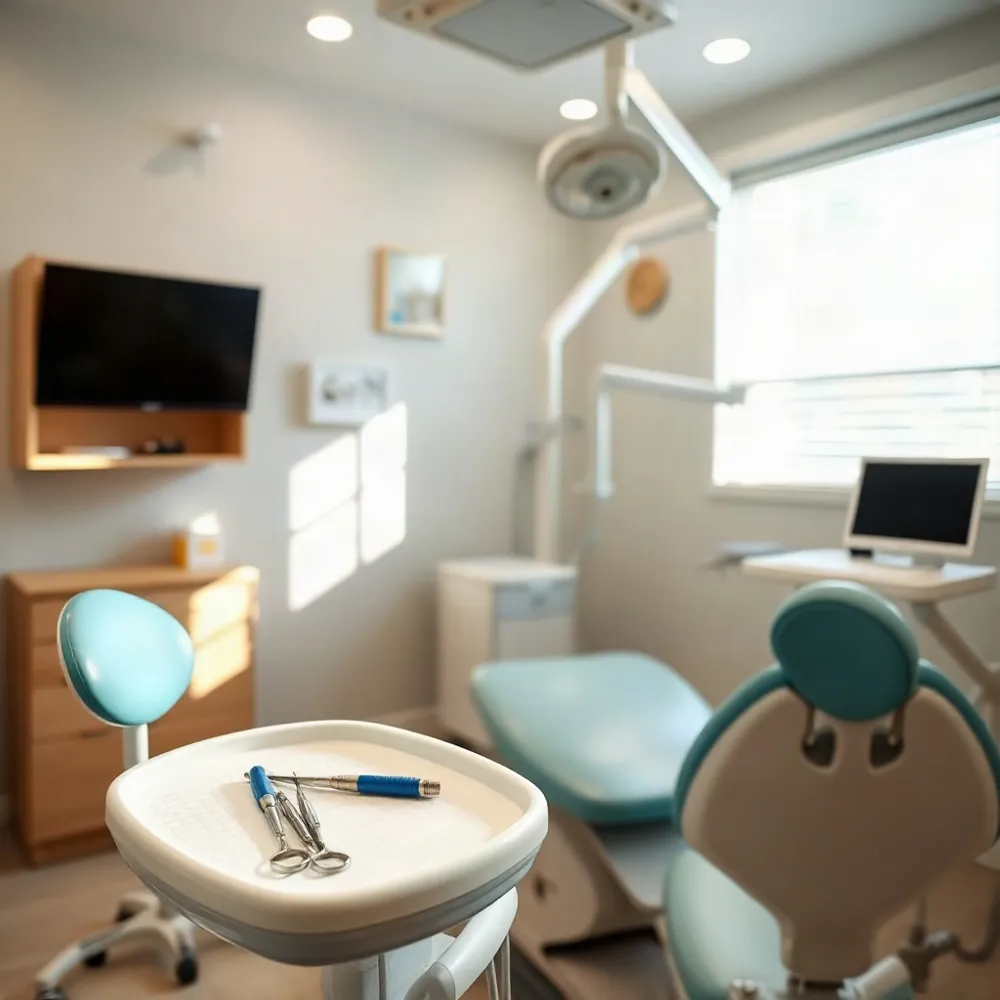 A dental exam is an assessment of your oral health. The dentist checks your teeth, gums, bite, and other tissues for concerns such as decay, gum changes, wear, or sensitivity. They may also look for changes that need further evaluation. A first visit at Loud Family Dental can include a review of your health history and an examination of your teeth and gums.
X-rays may be recommended when a visual exam cannot show enough, but the images depend on your dental history and current needs. The dentist can explain why imaging may help and answer questions before proceeding.
What is the difference between a dental exam and a cleaning?
The exam evaluates your oral health; a cleaning removes plaque and hardened tartar that brushing and flossing may leave behind, often followed by polishing. A hygienist commonly performs the cleaning, while the dentist conducts the exam. They may happen at the same appointment, but they are separate services, and the cleaning plan depends on your needs.
What should I expect at a dental appointment after years away?
The visit can begin with your health history, medications, symptoms, and any concerns. After examining your mouth, the dentist can review findings with you and discuss possible next steps. A cleaning may happen that day or later, depending on your oral health and the care recommended.
Ask for explanations in plain language, and bring up treatment options, costs, pain, or anxiety. The purpose is to understand your oral health and plan care with you, not to judge. If treatment is recommended, the team can explain the options so you can consider what comes next.
Start Early With Children’s Dental Care
When should a baby have their first dental visit?
Schedule a baby’s first dental visit by their first birthday or within six months after the first tooth appears, whichever comes first. An early check lets the dentist follow oral development, offer prevention guidance, and help your family establish a dental home. Learn more about why early pediatric dental visits matter.
What happens at a toddler’s first dental visit?
A toddler’s first visit is usually brief and gentle. The dentist looks at the teeth and gums, checks how the mouth is developing, and may assess the bite and oral habits. Caregivers can ask about brushing, teething, and food and drink choices that support cavity prevention. The dentist can answer questions and recommend follow-up based on the child’s needs.
Shyness or fussiness is normal. Explain in calm, positive, age-appropriate language what the dentist does and why visits help keep teeth healthy. Loud Family Dental serves patients of all ages, and caregivers can tell the team about a child’s concerns in advance and ask about the practice’s approach and available accommodations.
A parent or caregiver may be able to stay in the room. A stop signal, distraction, praise, or a small age-appropriate reward can help a child feel supported. At home, a familiar toy or blanket, dental-themed books or videos, and pretend dentist play may make the visit feel less unfamiliar.
Understand Anxiety and Its Triggers
Dental anxiety can range from uneasiness before an appointment to intense fear. It may be connected to a painful or upsetting past visit, fear of pain or needles, embarrassment about oral health, or concern about being unable to speak up or stay in control during treatment. Frightening stories from other people can also shape expectations.
Triggers differ from person to person. The sound of instruments, clinical smells, the sight of dental tools, or the treatment setting itself may bring on worry. Some people have trouble sleeping before a visit or notice a racing heartbeat, sweating, trembling, nausea, dizziness, or shortness of breath. Others may cry, panic, postpone appointments, or avoid care. Not everyone experiences the same signs.
Naming a specific concern can help the dental team respond with reassurance and clearer explanations. At Loud Family Dental, patients are encouraged to voice concerns before treatment begins, so the team can discuss what to expect and answer questions. You can also learn about how the practice approaches comfort during emergency visits.
Anxiety is not a reason for shame. Regular dental care and daily brushing and flossing help maintain healthy teeth and gums, while appointments give the team a chance to identify concerns before they become more advanced. Delaying care can make it harder to keep up with oral health, so consider discussing a manageable next step with your dental team.
Build Comfort During Treatment
 Anxiety does not have to disappear before you can receive dental care. At Loud Family Dental, patients of all ages can discuss what would make treatment feel more manageable as part of a comfortable, professional visit.
How can I manage anxiety about dental treatment?
Tell the dental team what worries you, then ask for a plain-language explanation of what will happen. You can agree on a signal, such as raising your hand, to request a pause, ask a question, or take a breath. This kind of communication can help you feel more involved in decisions about your care. [Learn more about communicating with your dentist about anxiety](./how-to-talk-to-your-dentist-about-dental-anxiety-before-treatment#why-open-communication-with-your-dentist-is-crucial).
Slow, steady breathing may ease tension during treatment. Ask whether a shorter visit, a different appointment time, or a distraction such as music is available. Loud Family Dental provides comprehensive care for patients of all ages, so you can raise your preferences with the team and discuss what may fit your appointment.
Discuss pain control, medication, or sedation with a dental professional before treatment. Options depend on your health, the procedure, and the provider’s assessment. Do not take medication or a sedative for dental anxiety unless a qualified clinician recommends it and explains safe use.
If anxiety is severe or keeps you from getting care, speak with your dentist and consider help from a qualified mental-health professional. Feeling more confident may take more than one appointment. A manageable first step, such as discussing your concerns or arranging an assessment, still counts.
Take the Next Step at Your Pace
You can ask questions, share concerns, and work with the dental team to make care feel more predictable. At Loud Family Dental, patients of all ages can receive comprehensive care in a community-oriented setting.
Choose one manageable next step: call the office, write down questions, or arrange your child’s first visit. Moving at your own pace can help make appropriate dental care feel more within reach.