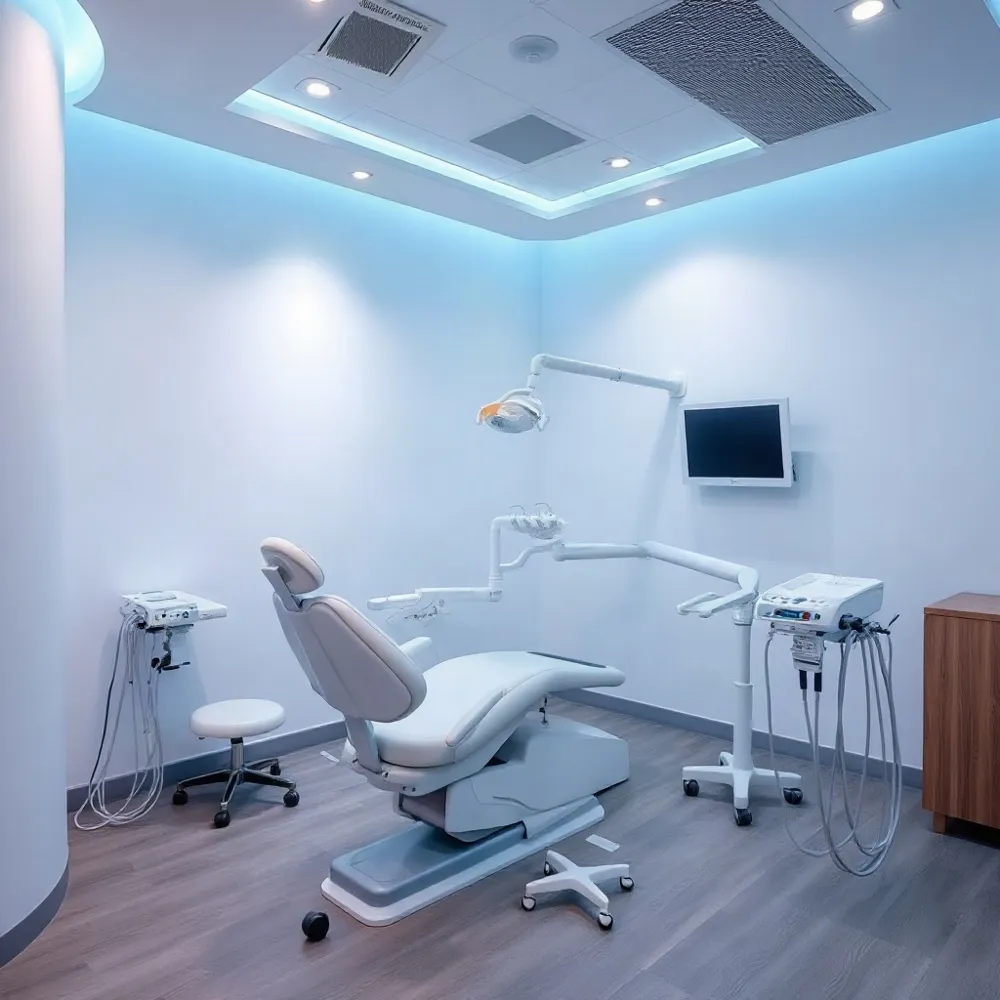
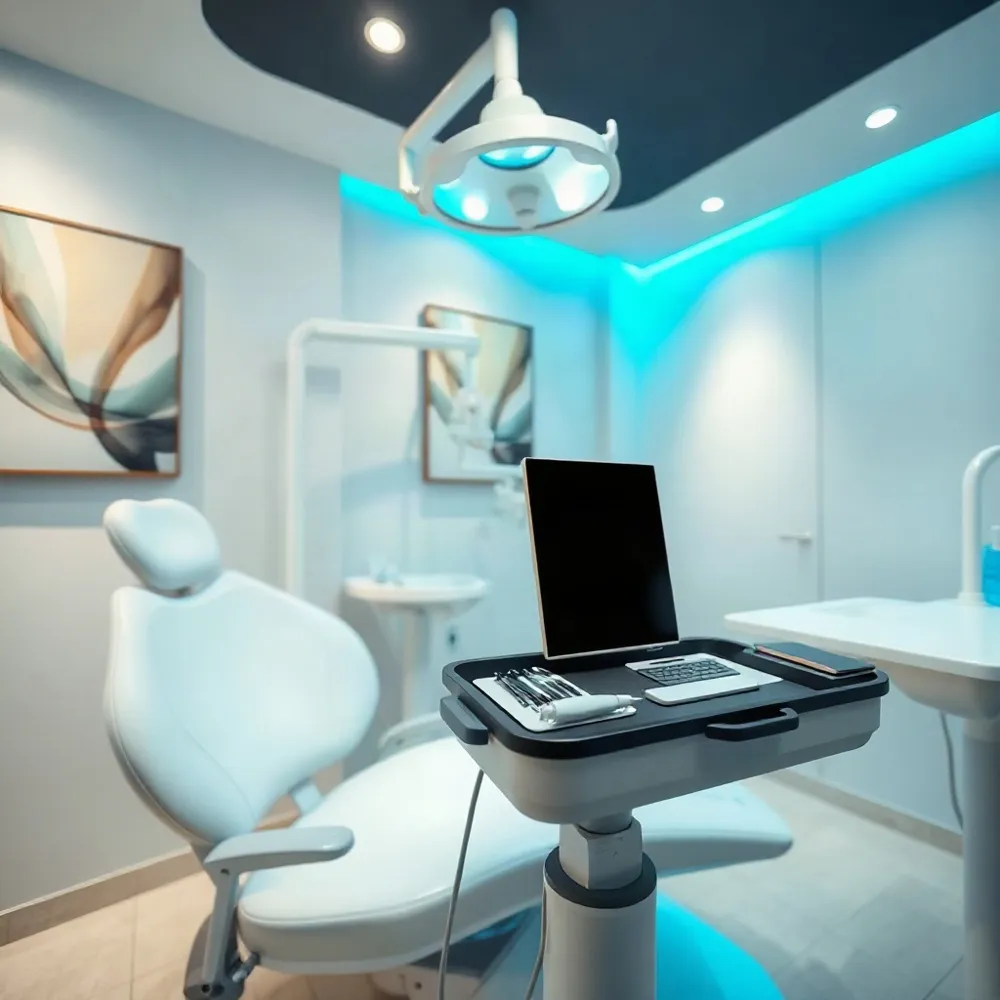
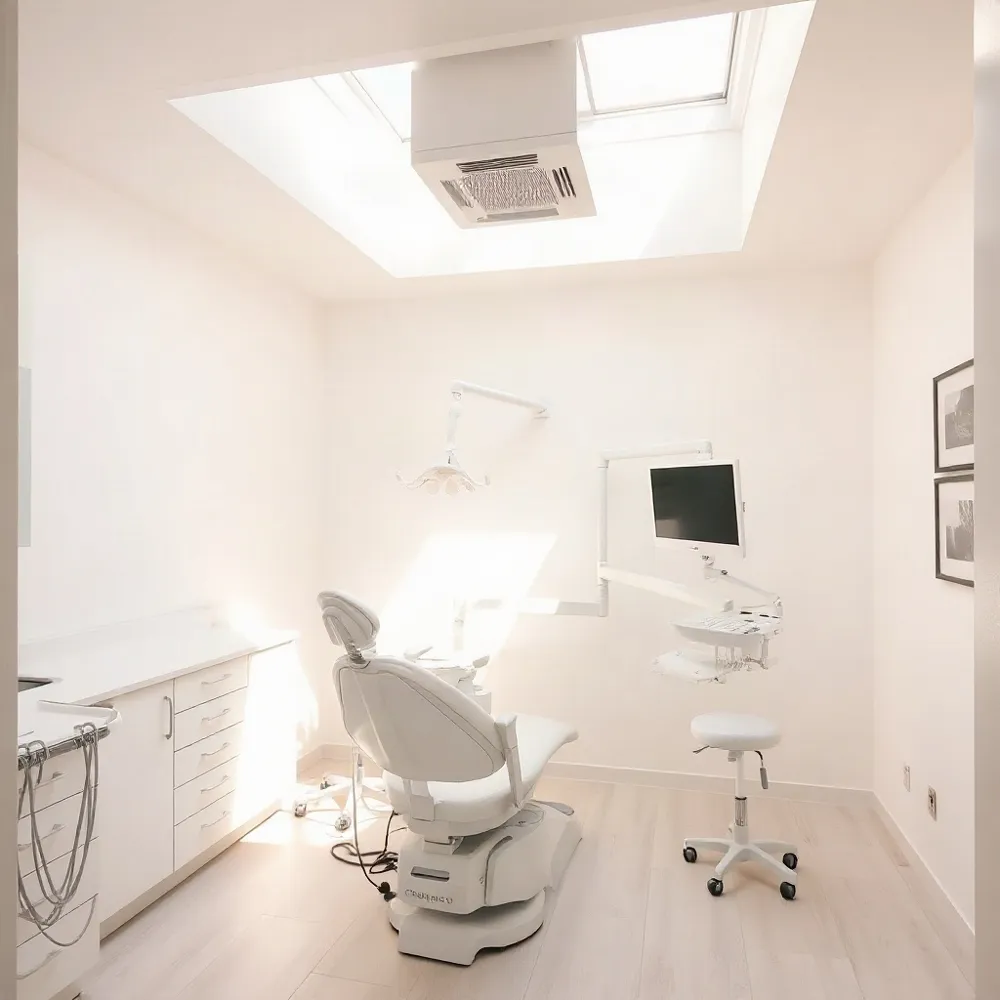
Why Preparing for Your First Dental Visit Matters
Importance of Preparation for Your First Dental Visit
Preparing for your initial dental appointment is essential for a smooth and productive experience. By gathering your medical history, a list of medications, and dental insurance information beforehand, you help your dental team provide safe and tailored care. Writing down questions or concerns also ensures that you address what matters most to you during the visit.
Setting Expectations to Reduce Anxiety
Understanding what to expect can ease nervousness. Your first visit typically involves paperwork review, a thorough oral examination, digital x-rays if necessary, and a professional cleaning. Knowing that dental professionals are trained to make this visit comfortable can build confidence and encourage regular check-ups.
Overview of Comprehensive Dental Services Offered
During your first appointment, the dentist will assess your teeth, gums, bite, and overall oral health, including screenings for oral cancer. Preventive treatments such as fluoride applications or sealants may be recommended to protect your smile. The visit concludes with personalized advice and scheduling follow-up care to maintain ongoing oral wellness.
Comprehensive Dental Services Offered at Family Dental Clinics

What are the comprehensive dental services typically offered at a family dental clinic?
Family dental clinics are designed to provide dental care for patients of all ages, offering a broad spectrum of services to maintain and improve oral health. These clinics typically cover routine dental check-ups and preventive care, including regular exams, professional cleanings, fluoride treatments, and sealants to help prevent tooth decay.
For restorative needs, family dentists provide treatments such as fillings for cavities, crowns to protect damaged teeth, root canal therapy when infection occurs, and tooth extractions when necessary. Cosmetic dentistry is also commonly available, with procedures like teeth whitening and orthodontic options such as Invisalign orthodontic treatment to enhance appearance and boost confidence.
Beyond basic and cosmetic care, many family dental clinics offer advanced procedures. These include Dental implants procedure for tooth replacement, bone grafting to support implants, treatment for sleep apnea, and sedation dentistry to ease patient anxiety. Emergency dental services are also an important aspect, helping patients manage urgent issues such as toothaches, broken teeth, or dental trauma promptly.
By utilizing modern dental technology and focusing on personalized care, family dental clinics aim to provide a comprehensive dental care experience. This approach ensures individuals and families receive convenient, ongoing treatment tailored to their unique oral health needs.
Ensuring Comfort and Professional Care During Your Visit
How do family dental clinics ensure comfort and professional care for patients?
Family dental clinics focus on creating a welcoming and relaxing environment to ease patients' nerves. This often includes calming colors, comfortable furniture, and amenities like music or entertainment options to help patients feel at home.
They use advanced technology such as laser dentistry and digital impressions. These tools make dental procedures less invasive and more comfortable, reducing pain and speeding up recovery.
Pain management is a priority. Dentists utilize topical anesthetics and relaxation techniques to minimize discomfort during treatments. Open and clear communication employing simple language helps calm anxiety and build trust. For more on Managing dental anxiety and Dental Comfort Measures, see these resources.
Staff training is key for effective patient care. Team members are taught empathy and active listening skills to properly address concerns and ensure patients feel heard and respected.
Clear and transparent treatment plans keep patients informed, helping them feel more confident about their care. Learn about Customized Treatment Plans and Treatment Options Discussion.
Family dental clinics also emphasize minimizing wait times and encouraging regular follow-ups. These steps show a commitment to continuous care and maintaining patient satisfaction throughout the treatment journey. For guidance on Scheduling Follow-Up Visits and Importance of Routine Checkups, refer here.
Preparing for Your Appointment: Practical Tips for New Patients
Arriving Early and Confirming Appointments
[Arriving 15 minutes early for registration] for your first dental visit allows time for registration and helps the appointment start smoothly. Many dental offices now offer online appointment scheduling and send reminders via phone or email, making it easy to confirm your visit and reduce the chance of missed appointments.
Bringing Necessary Documents and Insurance Cards
To streamline check-in and billing, bring your dental insurance card] and any referral forms if required. Also, carry relevant medical records and X-rays] if available, to help the dentist understand your complete health background.
Completing New Patient Forms and Medical Histories
Before your appointment, [fill out new patient forms] detailing your contact information, dental and medical histories, allergies, and consent for treatment. Accurate and complete information supports safe and personalized dental care.
Preparing Medication Lists and Updating Health Information
[Listing medications to bring], including prescription drugs, over-the-counter medicines, vitamins, and supplements. Update your healthcare provider about recent health changes], noting changes in symptoms], or reporting medication effects] since your last visit to aid in treatment planning.
Tips for Scheduling and Reminders
Confirm your appointment ahead of time and use digital reminders to stay on track. Scheduling visits at convenient times, including evening or weekend hours] if offered, helps maintain consistent dental care and reduces stress.
Following these [preparing for your dental appointments], practical tips prepares you for a comfortable and efficient dental visit, forming a solid foundation for your long-term oral health care.
What to Expect During Your First Dental Visit
Initial check-in and meeting the dental team
When you arrive for your first dental appointment, expect to be greeted warmly by the Patient Coordinator or receptionist. You may be asked to arrive 15 minutes early for registration to allow time for registration. During check-in, you'll provide essential information such as your insurance cards, updated medication list, and any relevant medical or dental records. Many offices now offer digital check-ins to streamline this process and reduce wait times.
Dental history review and health screening
Before the exam begins, a dental hygienist or assistant will review your dental and medical history, including current medications, allergies, and any concerns you might have about your oral health. Your blood pressure might be checked as part of the health screening to ensure overall wellbeing.
Dental exam components including x-rays and oral cancer screening
The dentist will conduct a comprehensive oral examination lasting around an hour. This includes checking your teeth, gums, bite, jaw function, and soft tissues like the tongue and cheeks. Digital x-rays such as panoramic and bitewing images may be taken to provide detailed views of your teeth and jawbone with minimal radiation exposure. An oral cancer screening is also performed, involving examination of the mouth, neck, jaw, and tongue.
Professional cleaning and preventive treatments
A professional dental cleaning typically follows the exam and takes about 45 minutes. This involves removing plaque and tartar buildup, flossing, polishing your teeth, and inspecting for signs of gum disease. Preventive treatments such as fluoride application or dental sealants may be recommended to help strengthen your teeth and prevent decay.
Developing a personalized treatment plan and scheduling follow-ups
Based on the findings from your exam and cleaning, the dental team will discuss any treatment needs, explain available options, and help you understand your oral health status. A personalized treatment plan is created, and referrals to specialists can be made if necessary. Finally, you will be encouraged to schedule follow-up appointments for routine check-ups and additional treatments to maintain long-term oral health.
The Importance of Community Orientation in a Dental Clinic

Why is community orientation important for a dental clinic?
Community orientation plays a crucial role in a dental clinic’s success by building trust and rapport with local patients. When a clinic understands and respects the specific oral health needs and preferences of the community it serves, patients feel more comfortable and valued during their First Dental Visit Tips for Kids.
How does tailoring services to community health needs benefit patients?
Tailoring services allows the clinic to address the unique dental issues common in the area, such as higher rates of cavities or gum disease. Customized care plans and preventive measures can better prevent serious oral health problems, improving overall community wellbeing (First dental visit guide, Preparing your child for their first dental visit).
What role do collaborations with local organizations and schools play?
Dental clinics often partner with schools and community organizations to promote oral health education. These collaborations help raise awareness about the importance of regular dental visits and good hygiene practices, especially among children and at-risk populations (Child's first dental visit, Preparing for a doctor's appointment).
How does promoting oral health education influence the community?
Education efforts empower patients with knowledge about preventing tooth decay and gum disease. Workshops, school visits, and informational campaigns make oral health a priority, strengthening lifelong healthy habits (Preparing for dental appointments, importance of routine dental care).
What is the impact of community orientation on patient retention and clinic reputation?
A clinic that actively engages with its community develops a positive reputation as a welcoming and reliable provider. This leads to higher patient retention rates, as satisfied patients are more likely to return regularly and recommend the clinic to others (The Patient's First Visit).
| Aspect | Benefit | Outcome |
|---|---|---|
| Building Trust and Rapport | Patients feel valued and comfortable | Increased patient loyalty (Positive First Dental Visit |
| Tailored Services | Addresses local dental health needs | Effective prevention and treatment (First dental appointment overview) |
| Collaborations with Local Groups | Enhances oral health education | Better informed community (Importance of Early Dental Care for Children) |
| Promoting Education | Encourages healthy habits | Reduced dental disease prevalence (Oral Hygiene Habits for Children) |
| Community Engagement | Clinic becomes trusted locally | Strong clinic reputation and growth (Community orientation in dental clinics) |
Making Your First Visit a Positive Experience
Preparing for Your First Dental Appointment
Making your first dental visit positive starts with easy preparation:
- Complete necessary forms ahead of time.
- Bring insurance information, medication lists, and medical history.
- Prepare any questions or dental goals.
Open Communication with Your Dental Team
During your visit, openly share your dental concerns and history. This builds trust and helps the team tailor your care effectively.
Building a Long-Term Relationship
Regular visits every six months help detect issues early and promote lasting oral health. Establishing a partnership with your dental team encourages personalized care aligned with your needs.
Benefit to You and the Community
Participating in community-focused dental practices means comprehensive care and support, contributing to both individual wellbeing and broader public health.
Embrace communication and preparation to make your first visit comfortable and the foundation of lifelong oral health.