Understanding Dental Anxiety and Its Impact on Dental Care
What Is Dental Anxiety?
Dental anxiety is a common and natural biological response where the body activates its fight or flight system due to perceived threats in the dental setting. It affects a significant portion of the population, with roughly 36% of Americans experiencing some level of discomfort or fear related to dental visits.
Common Triggers
Dental anxiety often arises from past painful or uncomfortable experiences, feelings of losing control during procedures, and the close physical proximity involved in dental care. The sounds, smells, and sensations typical of a dental office can intensify these feelings, making some patients particularly apprehensive.
Consequences of Avoiding Dental Visits
Avoiding regular dental checkups and treatments because of anxiety can lead to worsening oral health issues. This neglect often results in more complex problems requiring invasive procedures, which can increase both physical discomfort and anxiety. Early and consistent preventive care is crucial to breaking this cycle and maintaining oral well-being.
Why Open Communication with Your Dentist is Crucial

Importance of Sharing Fears and Concerns with the Dentist
Being honest and open about your Dental anxiety before treatment allows your dentist to understand exactly what makes you uneasy. This transparency helps create a trusting environment where your fears are acknowledged rather than ignored.
How Dentists Use This Information to Tailor Care
When dentists are aware of your concerns, they can adapt their approach to meet your unique needs. This might include explaining each step clearly, using gentler techniques, or offering sedation dentistry options to keep you comfortable throughout the appointment.
The Role of Discussion in Establishing Treatment Signals and Managing Pain
A vital part of communication is agreeing on simple signals, like raising your hand, to request breaks if you feel overwhelmed. Sharing your pain levels openly also enables the dentist to adjust anesthesia or comfort measures promptly, ensuring that pain is well managed. Using signals for dental breaks and communicating dental fears are key techniques here.
Why Should Patients Talk to Their Dentist About Dental Anxiety Before Treatment?
Talking to the dentist helps the dental team understand the patient’s fears, allowing them to tailor the treatment approach, implement breaks with signals, and provide personalized pain management, which reduces anxiety and improves comfort. This falls under Managing dental anxiety through communication and Discussing fears with your dentist.
How Can Discussing Dental Anxiety with the Dentist Affect Treatment?
Discussing dental anxiety enables dentists to incorporate strategies such as sedation options for dental anxiety, distraction techniques during dental procedures, and adjusted communication to accommodate patient needs and increase relaxation during procedures.
Preparation Strategies to Enhance Comfort Before Your Appointment
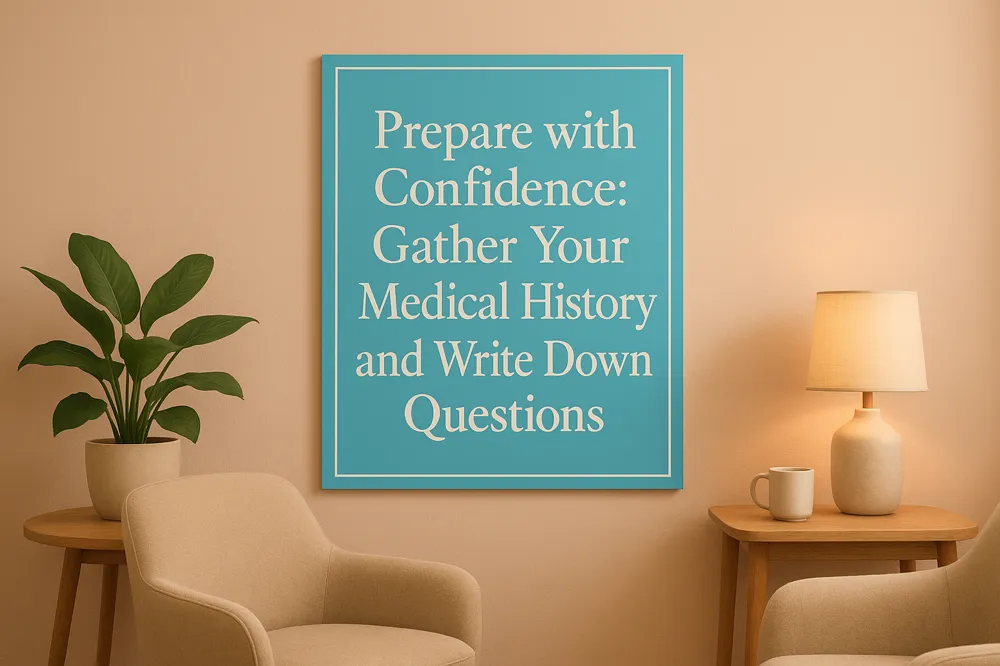
What steps can patients take before their dental visit to manage anxiety?
Preparing for a dental appointment can significantly reduce anxiety and improve your overall experience. One of the first steps is Gathering dental and medical history, including any medications, allergies, and chronic health conditions. This information ensures your dentist provides safe and personalized care.
Scheduling your appointment at a convenient and less stressful time, such as early morning or when your day is otherwise free, helps to minimize anxiety. Additionally, practicing thorough oral hygiene—brushing and flossing well—before your visit can make the treatment smoother and more comfortable.
Writing down questions or concerns for your dentist allows you to communicate effectively with your dentist. This preparation helps you feel more in control and ensures that your specific worries are addressed during the visit.
Bringing a support person to your appointment can offer emotional support and comfort, which many patients find reassuring during their dental visits. These preparation strategies work together to create a more calming and confident dental experience.
Effective In-Office Techniques to Manage Anxiety During Treatment
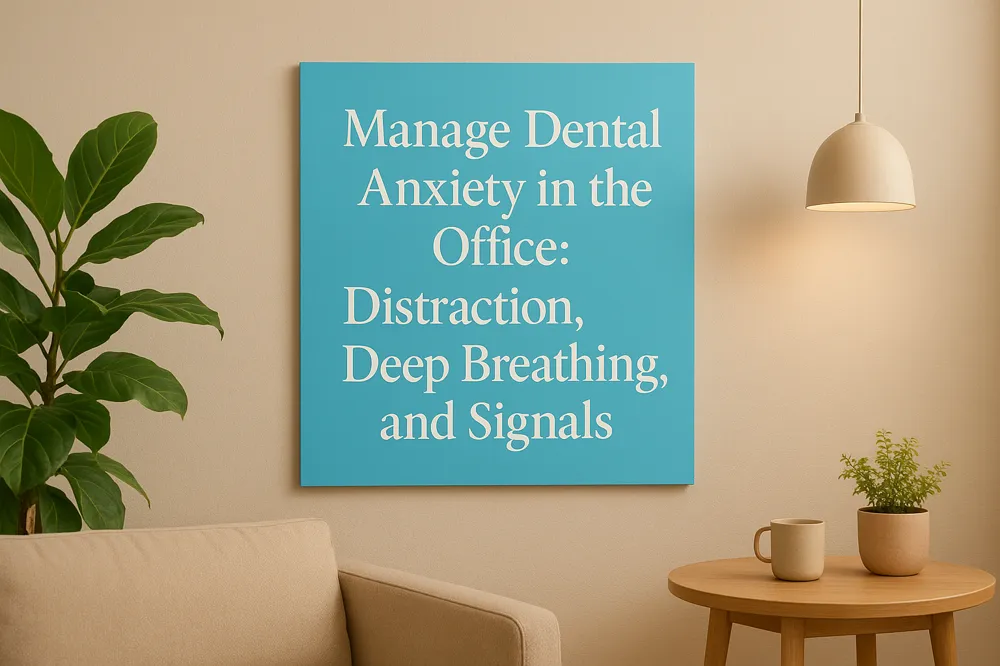
What techniques can patients and dentists use during treatment to help reduce anxiety?
During dental treatments, managing anxiety is essential for patient comfort and successful outcomes. Several effective techniques are used by both patients and dentists to ease nervousness and promote relaxation.
Distraction Methods: Patients can divert their attention away from dental procedures through distraction techniques during dental procedures such as listening to calming music, watching videos on provided screens, or engaging in conversation with dental staff. Using headphones to listen to music or audiobooks is particularly effective in reducing the impact of dental sounds that may trigger anxiety.
Deep Breathing and Mindfulness: One powerful relaxation method is the 3-4-5 breathing technique. This involves inhaling slowly through the nose for 3 seconds, holding the breath for 4 seconds, then exhaling gently through pursed lips for 5 seconds. Breathing deeply through the belly rather than the chest activates the parasympathetic nervous system, calming nerves and reducing the body's fight-or-flight response during treatment.
Communication Signals for Breaks: Establishing a simple hand signal before treatment lets patients discreetly communicate when they need a pause or feel discomfort. This empowers patients by giving them a sense of control and helps dentists respond promptly to patient needs, creating a more comfortable experience.
Sedation Options for Severe Anxiety: For patients with severe dental anxiety, sedation dentistry is available. Options include nitrous oxide (also known as laughing gas), oral sedation, and intravenous (IV) sedation. These methods help patients relax or remain calm during procedures, even enabling some not to remember the treatment afterward. Dentists tailor sedation choice based on individual anxiety levels and treatment complexity.
Together, these in-office techniques provide a comprehensive approach to making dental visits more manageable and less stressful.
| Technique | Description | Benefits |
|---|---|---|
| Distraction (Music/Video) | Use of audiovisual media or conversation | Diverts attention, reduces sensory triggers |
| Deep Breathing (3-4-5) | Controlled breathing pattern through belly | Calms nervous system, reduces anxiety |
| Communication Signals | Pre-agreed hand signal for breaks | Empowers patient, ensures safety |
| Sedation (Nitrous/IV) | Medical sedation methods for severe anxiety | Enables relaxation, pain reduction |
Understanding Sedation and Medical Options for Severe Dental Anxiety
What sedation options are available for patients with severe dental anxiety?
sedation dentistry offers several effective methods to help patients with severe dental anxiety feel calm and comfortable during dental procedures. Common sedation types include:
- Inhalation sedation: Uses nitrous oxide (commonly known as laughing gas) administered through a mask. This helps the patient relax and feel less anxious.
- Oral sedation: Involves taking a prescribed medication by mouth before or during the appointment to induce relaxation.
- Intravenous (IV) sedation: Medication is delivered directly into the bloodstream, providing a deeper state of relaxation; patients generally remain awake but may have little memory of the procedure.
Learn more about Dental sedation options.
How does sedation work and what can patients expect?
Sedation works by calming the nervous system and reducing sensations of fear and anxiety. Patients often experience a sense of relaxation and reduced awareness of dental procedures. Most remain conscious but feel comfortable and relaxed. Importantly, sedation does not necessarily mean being unconscious like general anesthesia.
For details on Managing dental anxiety and how sedation helps, see the resource.
When is sedation indicated and how are patients referred?
Sedation is typically recommended for patients with intense dental phobia, a history of traumatic dental experiences, or when extensive procedures are required. Dentists may refer patients to specialized sedation clinics to ensure proper monitoring and care.
More information on sedation clinic referral and dental anxiety management.
How is safety ensured and is patient awareness maintained during sedation?
Dental sedation is administered under strict guidelines to ensure the patient’s safety. Vital signs are continuously monitored throughout treatment. Even under sedation, patients can respond to commands or signals, maintaining basic awareness while feeling deeply relaxed.
Learn about Using signals for dental breaks and pain management and safety practices during sedation.
By understanding sedation options and communicating openly with dental professionals, patients can greatly improve their dental visit experience, overcoming severe anxiety to receive necessary care. For additional strategies for dental anxiety management, explore available resources.
Maintaining Regular Dental Visits and Building Trust for Long-Term Anxiety Management
Why is it important to continue regular dental visits even if you experience anxiety?
Avoiding dental visits due to anxiety often leads to worsening dental issues that may require more invasive and complex treatments later on. Regular dental visits enable preventive care, allowing dentists to catch and treat problems early, which helps maintain better oral health (Importance of regular dental visits, Importance of regular dental checkups, Importance of regular dental care).
How do regular visits prevent worsening conditions?
Consistent check-ups and cleanings help stop issues like cavities and gum disease from advancing. Early intervention reduces the risk of pain and complicated procedures, which also helps lower patient anxiety in the long run (Preventing dental problems with regular visits, Importance of regular dental check-ups).
How can trust and comfort be built through repeated visits and open dialogue?
Open communication with your dentist about your fears encourages personalized care and control over treatment. Over time, this fosters confidence and trust that make dental visits feel safer and less stressful (Communicating dental fears, Effective dentist-patient communication, Sharing feelings with your dentist.
What calming elements can be used in the dental environment to ease anxiety?
Using soothing music with a slow tempo and aromatherapy with essential oils can create a relaxing atmosphere. Such non-pharmacological approaches significantly reduce stress, heart rate, and improve patient comfort during appointments (Aromatherapy for dental anxiety, Calming music during dental procedures, Relaxation techniques for dental visits.
Building relationships based on trust, combined with consistent care and a calming environment, supports long-term management of dental anxiety and promotes healthier smiles.