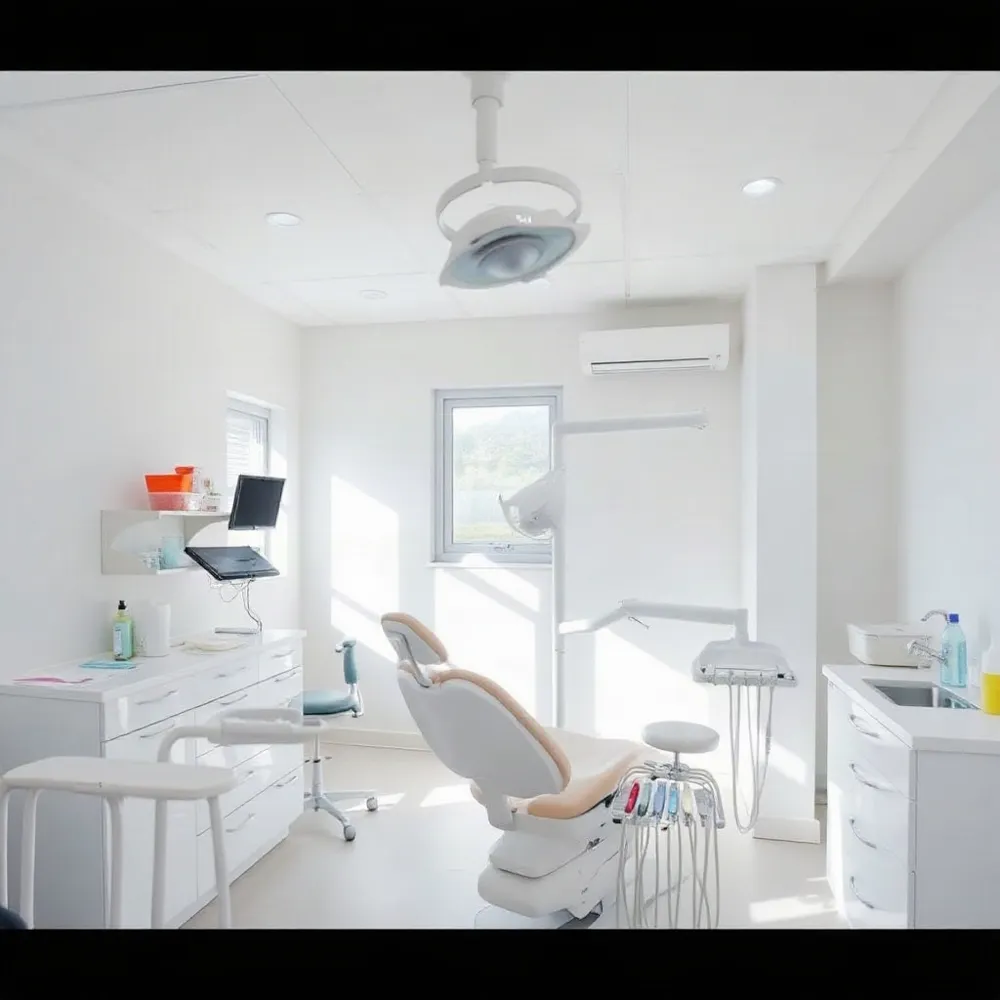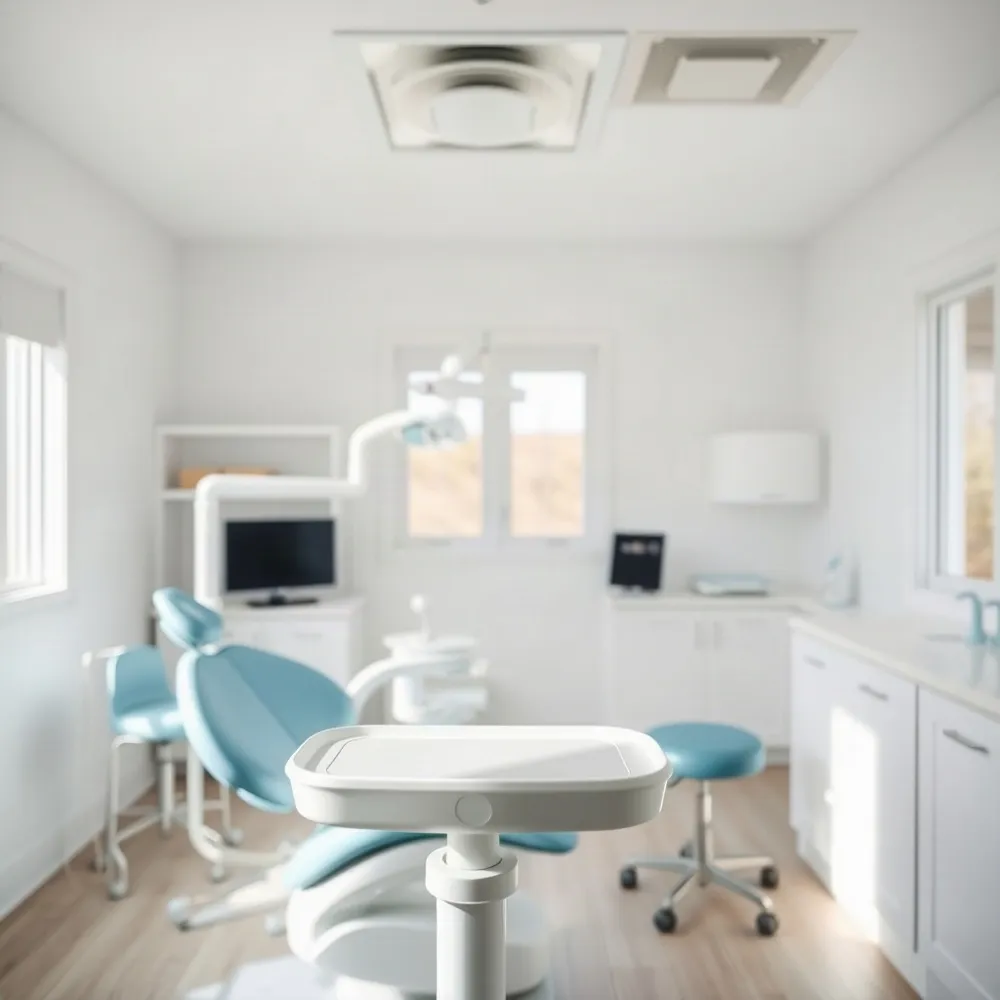
A More Personal Dental Visit
Dental care is easier to understand when recommendations reflect the person receiving them. A personalized treatment plan considers oral health, medical history, concerns, preferences, daily routines, and goals instead of assuming one approach suits everyone.
That context can shape which concerns need attention first, what preventive care may help, and how treatment fits into a patient’s life. At Loud Family Dental, a community-oriented clinic in Shreveport serving patients of all ages, care focuses on comfort and professional attention.
Personalization is a conversation, not a promise of a particular result. Patients can discuss options and questions with their dental team, then work together to make care understandable and responsive. This section explores how assessment, communication, and follow-up support that process. Research on individualized patient education also describes listening and adapting information to a person’s needs, though it does not establish specific dental outcomes (healthcare communication study).
How Your Plan Takes Shape
 A treatment plan starts with a conversation, not a checklist. The dentist asks what brought you in, what you hope to change, and whether anything about dental care makes you uncomfortable. Reviewing your medical and dental history, then examining your teeth and gums, helps the team understand your concerns alongside your current oral health.
When appropriate, X-rays, digital images, or other tests can help reveal concerns that are not obvious during an exam. Medical conditions, medications, previous dental experiences, comfort needs, and everyday routines may also affect which options are suitable. Research on individualized patient education emphasizes that listening and adapting explanations to a person’s needs can support shared decisions, though it does not establish dental treatment outcomes (research on tailoring patient education).
The dentist can explain the recommended options, why each may help, and any possible risks. Discussing costs and likely timelines gives you practical information for weighing those choices. Ask questions, mention what matters most to you, and say if a proposed schedule or approach does not fit your circumstances. Loud Family Dental serves patients of all ages and emphasizes comfort and professional care, so age and individual comfort needs can be part of the conversation.
A plan is not necessarily fixed after the first visit. Follow-up appointments give the team a chance to check how treatment is progressing and revisit recommendations if your oral health, goals, or circumstances change. For more on what to expect as recommendations are developed, see how your plan takes shape at an initial visit.
From Assessment to Follow-Up
A treatment plan is a sequence of decisions, not a fixed checklist. At Loud Family Dental, care for patients of all ages can begin with a review of health history and current concerns, followed by an examination and any imaging the dentist considers appropriate.
The next step is to identify what needs attention and decide what should come first. Pain, infection, or decay may take priority over longer-term restorative or cosmetic goals, depending on the findings. The dentist can then explain suitable options, including expected benefits, possible risks, timing, and costs, so you can weigh them against your needs, preferences, and budget.
Treatment does not always need to happen all at once. When appropriate, care can be arranged in phases, allowing time for healing, reassessment, scheduling, and financial planning. If circumstances or examination findings change, the sequence can be reviewed rather than treated as set in stone.
A written summary can make recommendations and next steps easier to revisit between appointments. Scheduled follow-ups let the dental team check healing and progress, answer questions, and adjust care when needed. Research on individualized patient education also describes assessment, adapted communication, and ongoing review as ways providers can respond to a person’s needs, though it does not establish dental treatment outcomes the study of individualized patient education.
This assessment-to-follow-up sequence is also outlined in a guide to personalized treatment planning. At Loud Family Dental, professional care and attention to patient comfort provide a setting for discussing each stage and deciding what feels manageable.
Communication Makes Care Collaborative
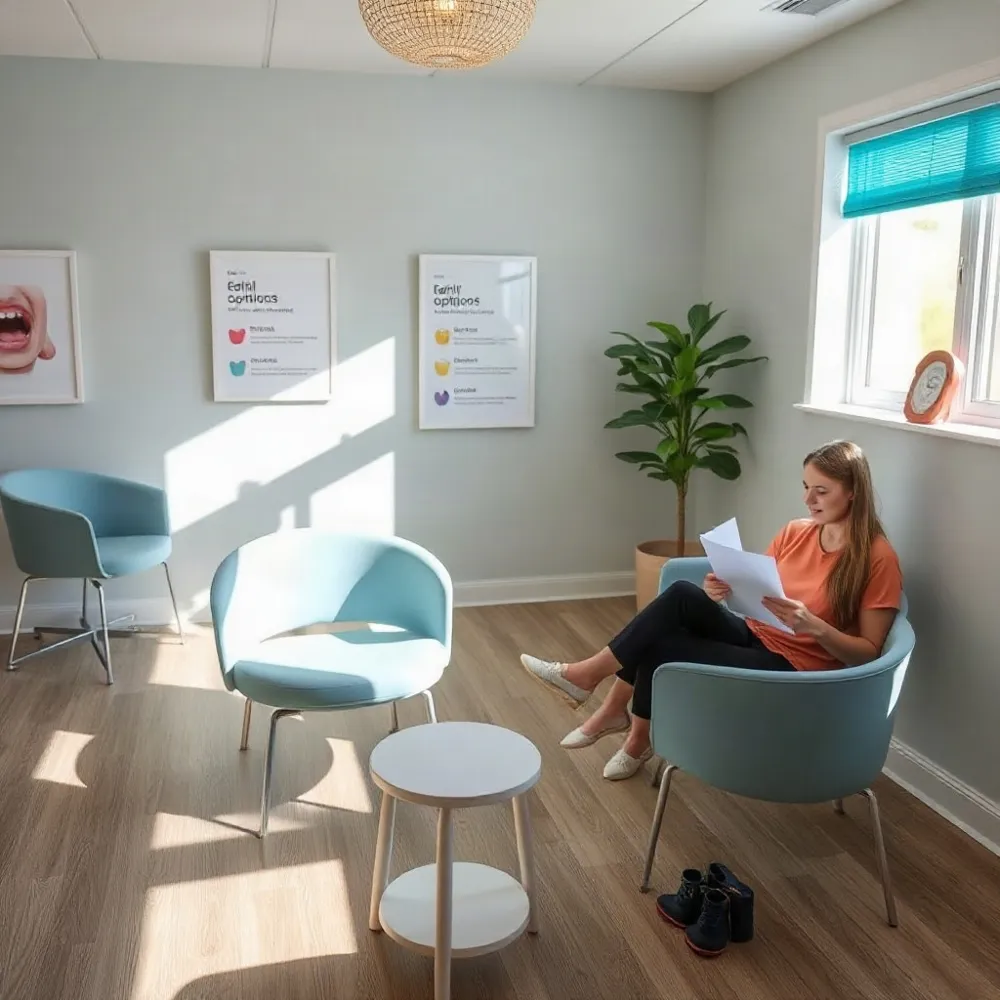 A treatment recommendation is easier to weigh when the dentist explains what it involves and makes room for questions. At Loud Family Dental, care for patients of all ages can include discussing concerns and preferences so patients can take part in decisions rather than feel rushed through them.
A qualitative study of healthcare providers explored how they tailor therapeutic patient education. Though it did not study dentistry or dental outcomes, it describes useful communication practices: listening to patients, adjusting information to their needs, and involving them in decisions. The study of individualized patient education offers a general framework, not proof that a particular dental plan produces specific results.
Explanations can be adapted to a patient’s familiarity with dental terms, language, and daily circumstances. A dentist might focus first on the most relevant options, use plain language, and pause to check what the patient understands. Asking what remains unclear can reveal concerns that would otherwise be missed.
Communication also includes responding to emotions. Someone who feels anxious or sensitive during treatment can describe what makes visits difficult and ask about comfort approaches, including sedation when clinically appropriate. The dental team can discuss what is available and whether it suits the patient’s health and planned care.
Feeling heard may make it easier to consider recommendations and express personal priorities. This does not guarantee a particular health outcome, but it can make the conversation more welcoming and help patients understand the choices before them. Patients can revisit questions as their needs or circumstances change.
Choosing Care That Fits
Choosing where to receive dental care is a personal decision. A privately owned practice may suit people who value seeing a familiar team and building an ongoing relationship, while others may prefer a larger office with different scheduling options. Experiences vary by practice, so ownership alone does not determine the quality or cost of care.
At Loud Family Dental, care is provided in a community-oriented Shreveport clinic for patients of all ages, with a focus on comfort and professional care. When comparing offices, ask what services are available, how soon appointments can be scheduled, and how the team approaches treatment planning. Consider whether clinicians listen to your concerns and explain recommendations in terms you understand.
Before agreeing to treatment, check whether the practice is in your insurance network and ask for an explanation of expected costs, coverage, and payment options. A clear conversation about finances can help you decide whether a proposed plan fits your budget and priorities. Do not assume that a private practice is automatically more expensive, or that a chain will offer the same services at every location.
If continuity matters to you, ask how the office supports ongoing care and whether you can discuss changing needs with the same team. The patient-centered foundation of trust can help you think about what a comfortable, communicative relationship with a dental team may involve. The right choice is the practice and plan that fit your oral-health needs, budget, and preferences.
Understanding Gum Treatment Recovery
 When gum disease calls for treatment below the gumline, a dentist may recommend scaling and root planing, often called a deep cleaning. The procedure removes plaque and tartar from tooth roots and smooths those surfaces. At Loud Family Dental, the dentist can explain why this approach suits your gum health and discuss how it fits your individual care plan.
Recovery is usually manageable, but temporary effects can include sore or swollen gums and light bleeding. Teeth may feel sensitive to hot, cold, or sweet foods for several days or longer. As inflammation settles, gums can look as though they have receded; this may reflect reduced swelling rather than a new problem. For more context on when a dentist may recommend this treatment, see gum disease treatment options.
Treatment may involve more than one appointment, and sessions can take longer than a routine cleaning. Local anesthetic may be used for comfort, but it can leave the mouth numb temporarily. Ask your dentist what to expect, how to manage sensitivity, and whether your medical history or medications affect your recovery.
Infection is uncommon, but possible. Contact your dentist if bleeding is heavy, swelling gets worse, or discomfort persists instead of improving. The dental team at Loud Family Dental can help clarify which symptoms warrant a call and what steps may ease recovery.
A Plan You Can Revisit
Dental needs and priorities can change, so a treatment plan need not be the last word. At Loud Family Dental, care for patients of all ages is grounded in professional attention and comfort, with recommendations that can be discussed as circumstances shift.
Patients can ask questions, explain what matters most, and revisit options at later appointments. Research on individualized health education describes listening, adapting information, and reviewing goals as part of an ongoing patient-provider relationship, though it does not measure dental treatment outcomes (study of tailored patient education).
Before or during a visit, consider sharing your oral-health goals, concerns, comfort needs, schedule, and practical limits. A clear conversation gives your dental team useful context for discussing care that fits your needs now and may be reviewed again later.