Fluoride Is Not Just for Children
Fluoride treatments are often associated with childhood, but adults can benefit from fluoride too. It helps strengthen enamel and repair early mineral loss, supporting cavity prevention throughout life, as the National Institute of Dental and Craniofacial Research explains.
That does not mean every adult needs an in-office treatment. The value of extra fluoride depends on factors such as past cavities, dry mouth, gum changes, and dental work. At Loud Family Dental, patients of all ages can discuss preventive care as part of the clinic’s comprehensive dental services in Shreveport.
For most adults, brushing regularly with fluoride toothpaste is a practical foundation. A dentist can review your oral health and decide whether a rinse, prescription product, or professional application may offer added protection. The CDC’s fluoride guidance also recommends discussing product choices with a dental professional.
How Fluoride Helps Protect Teeth
 Each day, acids form when mouth bacteria feed on sugars. These acids pull minerals from tooth enamel, and decay can begin when mineral loss outpaces the mouth’s natural repair process. Fluoride helps interrupt that process by making enamel more resistant to acid and supporting mineral replacement.
Fluoride can slow mineral loss, encourage remineralization, and help reverse very early decay. It also helps limit cavity-causing bacteria. This supports repair in weakened enamel, but fluoride cannot rebuild a large cavity or replace tooth structure that has already been lost. A dentist may need to restore that damage.
Fluoride works through repeated exposure, not on a fixed timeline after one application. Regular use can gradually support enamel repair and help teeth withstand future acid attacks. The CDC’s guidance on fluoride explains how it helps replace minerals and protect tooth surfaces at every age.
Fluoride occurs naturally in water and some foods, and it is also found in toothpaste and mouth rinse. Dental professionals can apply it as a varnish, gel, or foam. At Loud Family Dental, preventive care is provided for patients of all ages, and a dentist can discuss whether an added fluoride treatment suits an individual’s needs. For more on how acid damage and mineral repair relate to cavities, read how fluoride helps protect teeth.
When Adults May Need Extra Protection
 Not every adult needs professional fluoride treatment. A dentist may consider it when a person has a higher risk of cavities, based on their dental history, health, and daily oral-care routine. The ADA topical fluoride guideline recommends additional topical options for people at risk, rather than for every adult.
Frequent or recent decay can signal that teeth may need extra protection. Dry mouth is another concern: some medicines and health conditions reduce saliva, which normally helps wash away food particles and bacteria. Radiation treatment that affects the salivary glands can also reduce saliva and raise cavity risk.
Gum recession may expose roots, whose surfaces are more vulnerable to decay than enamel-covered parts of the teeth. Gum disease can also increase risk. Braces, crowns, bridges, and removable partial dentures may leave areas that are harder to clean or more prone to cavities, including around brackets and restoration edges.
At Loud Family Dental, patients can receive comprehensive dental care in a community-oriented Shreveport clinic. During a visit, a dentist can review risk factors and discuss whether an in-office fluoride application or another product fits the patient’s needs. Fluoride is an added preventive measure, not a substitute for brushing with fluoride toothpaste, flossing, thoughtful dietary choices, or regular dental visits.
A professional assessment can help distinguish routine prevention from situations that may call for extra support. The CDC’s fluoride guidance likewise advises discussing additional fluoride with a dental professional, since the decision depends on individual cavity risk and existing fluoride use.
Professional Treatments and Individual Schedules
A dentist or hygienist can apply fluoride during a routine exam or cleaning. Varnish is commonly painted onto the teeth, while gel or foam may be applied directly or placed in a tray. The application itself usually takes less than five minutes, according to Cleveland Clinic guidance on fluoride.
There is no single schedule for every adult. Some people may benefit from treatment every six months, while adults prone to cavities may need it more often. Your dental team can recommend an interval based on your oral health, cavity history, and other risk factors. At Loud Family Dental in Shreveport, treatment can be discussed as part of comprehensive care for patients of all ages.
Evidence about root-surface decay is more specific than a general recommendation for all adults. A 2016 evidence review found low-certainty support that fluoride varnish applied at least twice a year may help prevent root caries in adults, so this finding is not a guarantee or a universal schedule. The review of fluoride varnish evidence also summarizes guidance focused on adults with root caries.
After an application, follow the dental team’s instructions about when to eat, drink, or brush. Advice can differ depending on the product used, so ask before leaving if anything is unclear.
Daily and At-Home Fluoride Options
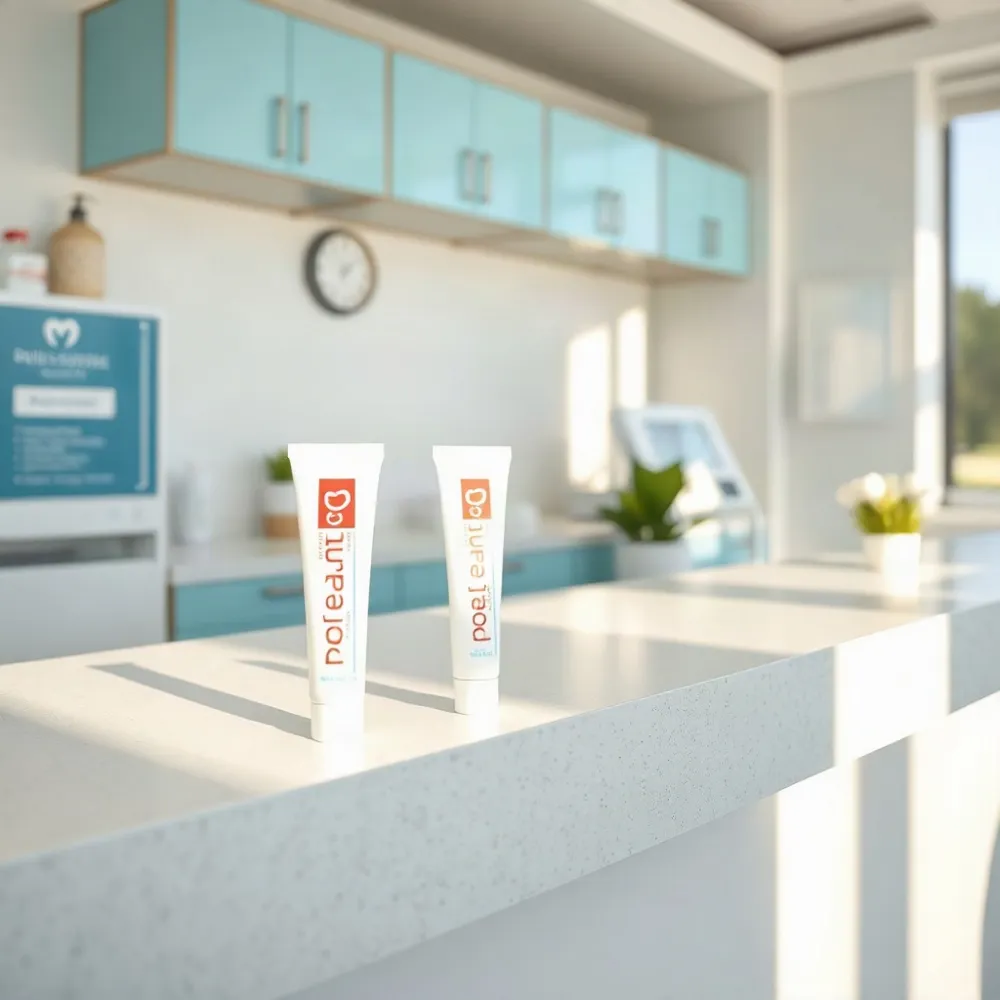 For many adults, brushing twice a day with fluoride toothpaste is a practical way to keep fluoride on the teeth between dental visits. The CDC recommends brushing at least twice daily with fluoride toothpaste, which helps replenish minerals at the tooth surface.
Follow the package directions and check the label, since products can differ in fluoride concentration. Spit toothpaste out rather than swallowing it, and ask your dentist whether to rinse immediately after brushing. If you are unsure which toothpaste fits your needs, the team at Loud Family Dental can consider your oral health and daily habits during a visit.
Some fluoride mouth rinses are sold over the counter, while stronger rinses, gels, and pastes may require a prescription. These products can add protection for people at higher risk of cavities, but they are not necessary for everyone. The CDC notes that people who drink fluoridated water and brush daily with fluoride toothpaste may not need higher-strength gel or foam.
If you have frequent cavities, dry mouth, exposed roots, or another risk factor, ask your dentist whether a prescription product is appropriate. Use it only as directed, and check with your dentist or pharmacist before starting it. Home fluoride products complement professional assessment and regular dental visits; they do not replace them. At Loud Family Dental, preventive care is part of the clinic’s comprehensive services for patients of all ages.
Safety, Side Effects, and Family Context
Is fluoride safe, and what are the potential risks of fluoride treatments? Fluoride dental products are considered safe and effective when used as directed, but swallowing too much can be harmful. Follow product instructions and do not swallow toothpaste, rinses, or professional treatments. The CDC’s fluoride guidance explains that fluoride products are safe when used as directed.
Dental fluorosis can occur when children swallow excessive fluoride while their teeth are developing. It may cause faint changes in enamel appearance, but it is not the typical concern for adults using fluoride products as directed, as Cleveland Clinic explains. Claims about effects on the brain or other organs should be considered in context: risks depend on the amount and source of exposure, so broad claims should not be applied to routine dental use. Loud Family Dental offers comprehensive care for patients of all ages, giving families a place to discuss individual concerns and options. A person may also react to an ingredient in a particular product; ask a dentist about alternatives. For more on appropriate use, see fluoride safety and precautions.
What fluoride guidance should parents follow for children?
Use fluoride toothpaste twice daily from the first tooth. For children under three, use a rice-grain-sized smear; from ages three to six, use a pea-sized amount. Supervise brushing and encourage children to spit rather than swallow. A dentist can advise whether varnish or supplements are appropriate after considering drinking-water fluoride levels and the child’s cavity risk.
Make the Decision With Your Dentist
Fluoride can help protect adult teeth, but not everyone needs an added professional treatment. Your dentist can weigh your cavity history, daily habits, and existing fluoride sources, including toothpaste and drinking water, before recommending a plan. The CDC’s fluoride guidance likewise advises discussing additional products with a dental professional.
At a routine visit, mention dry mouth, exposed roots, recent decay, crowns, bridges, braces, and medications that may affect saliva. Ask whether toothpaste alone is appropriate, whether another product may help, and what it may cost. At Loud Family Dental, patients in Shreveport can discuss these concerns as part of care for all ages.
A recommendation should fit your needs, not a one-size-fits-all schedule. Professional fluoride may reduce risk, but it cannot guarantee that cavities will not develop. Your dental team can explain the options and help you decide whether extra protection makes sense.