Making Your First Dental Visit a Positive Experience
A first dental visit can feel intimidating, but it is designed to be simple and painless. Instead of focusing on major work, the appointment is about getting to know you, reviewing your dental history, and establishing a baseline for your oral health. This foundation helps your dentist track changes over time and spot problems early.
Regular checkups help identify concerns before they become painful or expensive to fix. Professional cleanings remove plaque and tartar that daily brushing cannot reach, which supports gum health and helps prevent more serious issues. Early detection of conditions like gum disease or oral cancer, as noted by the University of Rochester Medical Center, makes treatment more effective.
The goal is to build a relationship that supports a lifetime of good oral health. At Loud Family Dental, the team focuses on personalized care, learning about your habits, concerns, and goals to create a treatment plan that fits your needs. Whether you are a first-time patient or returning after a long gap, the process is designed to be gentle, educational, and positive.
When to Schedule Your Child's First Visit
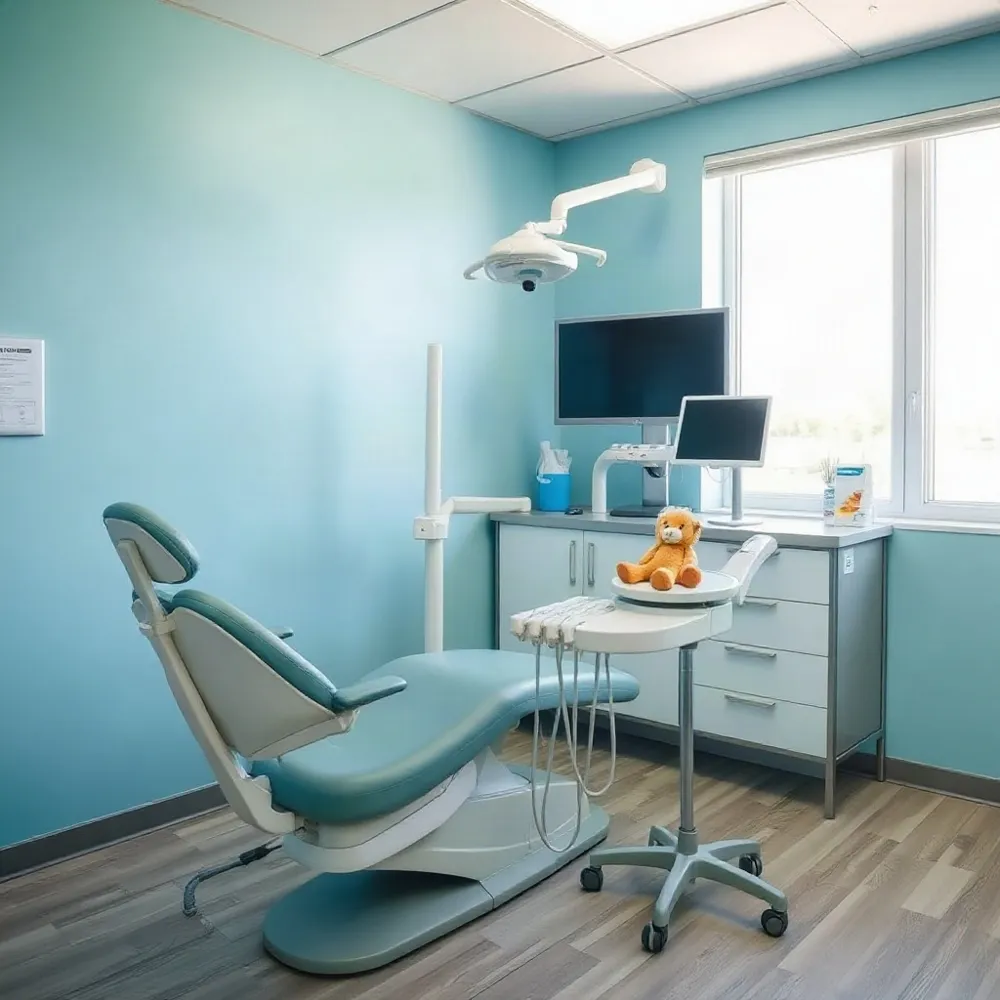 The American Academy of Pediatric Dentistry and the American Dental Association recommend a child's first dental visit by age 1 or within six months of the first tooth appearing. This timing is not arbitrary — cavities can develop as soon as the first tooth emerges, making early evaluation important for prevention.
Starting early offers benefits that go beyond checking for decay. An early visit lowers cavity risk, provides age-specific guidance on brushing, flossing, and fluoride use, and offers diet counseling to reduce sugar exposure. The dentist also monitors jaw and bite development and helps the child build comfort with the dental environment. At Loud Family Dental, the first visit is designed to be gentle and educational, focusing on making the experience positive for both parent and child.
Schedule the appointment for a morning time when your child is well-rested and cooperative. Avoid naptime or late-day slots, as tired children are more likely to be fussy. A rested child is more open to the new experience, which helps the dentist complete the exam smoothly and sets the stage for a lifetime of comfortable dental care.
Preparing Your Child for a Tear-Free Visit
 The way you talk about the dentist in the days before the appointment sets the tone. Use positive, simple language: tell your child you are going to the "tooth doctor" to count and clean their teeth. Avoid words like "shot," "drill," or "hurt," which can create unnecessary fear. Your child picks up on your emotions, so staying calm and relaxed helps them feel the same way.
Reading children's books about visiting the dentist can make the experience feel familiar and fun. Titles such as Elmo Visits the Dentist or Peppa Pig: Dentist Trip show characters going through the same steps your child will experience. Role-playing at home reinforces this: let your child count your teeth with a toy mirror or pretend to clean a stuffed animal's mouth. This turns the unknown into a game.
Bringing a comfort item, like a favorite stuffed animal or blanket, gives your child something familiar to hold onto during the exam. At Loud Family Dental, the team is experienced with young children and will work at your child's pace—often using a lap exam where you sit in the chair with your child on your knee.
Every child reacts differently, and crying or wiggling is completely normal. The dental team is trained to stay calm and patient, ending the visit on a positive note. If your child has special needs, mention this when scheduling so the office can allow extra time and make any needed accommodations. By preparing at home and trusting the team in the office, you give your child the best chance for a tear-free first visit.
What to Expect During Your First Appointment
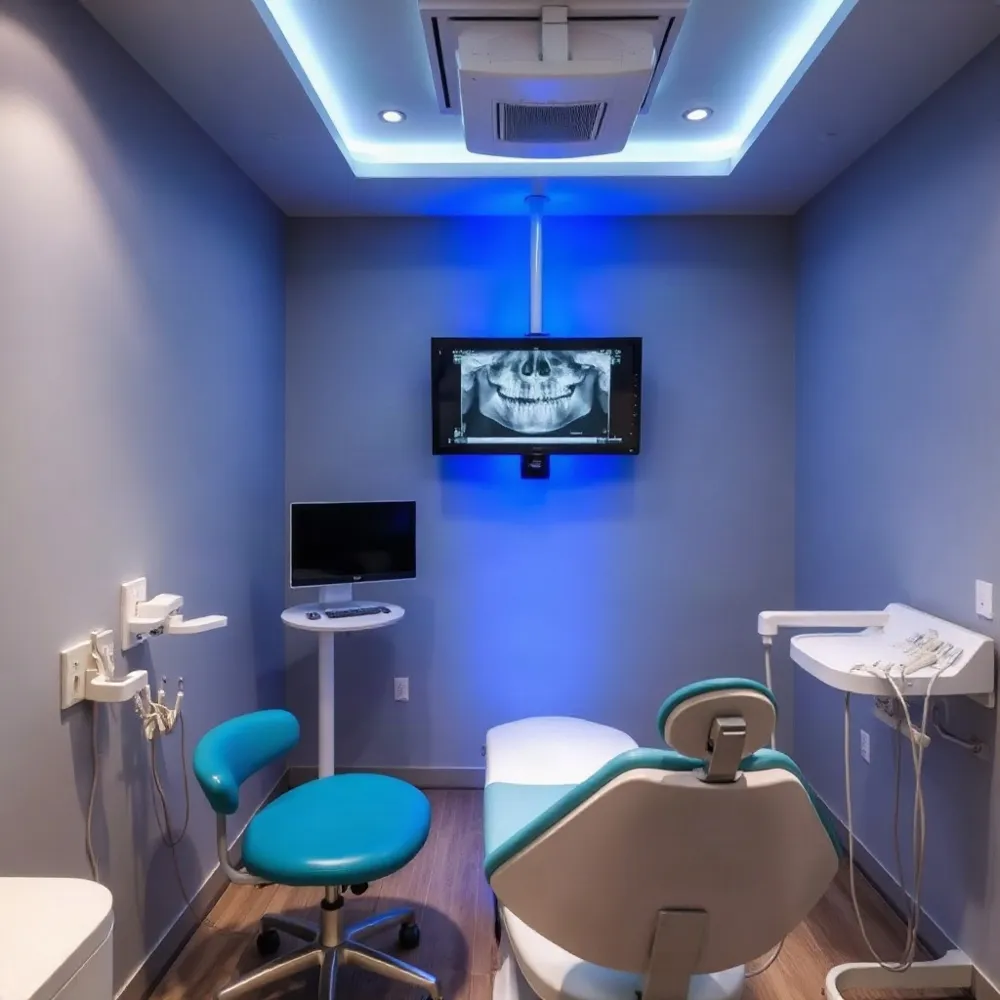 The first step in your appointment is a simple check-in process. New patient paperwork asks for your personal information, medical and dental history, and insurance details. Many offices, including Loud Family Dental, offer the option to complete these forms online before you arrive, which saves time on the day of your visit.
After check-in, a team member will review your health history with you, including any medications you are taking. If you have dental anxiety or specific concerns, this is the best time to mention them. The dentist needs a complete picture of your overall health to provide the safest and most effective care.
Next, the dentist will take digital X-rays. Modern digital X-ray machines use very low amounts of radiation and are safe. They help the dentist see cavities between teeth, issues below the gumline, and the condition of your jawbone — problems that are not visible during a routine visual exam. A first-visit exam for a new patient typically requires X-rays for a complete look at your teeth, gums, and supporting bone structures.
The comprehensive exam is the core of the visit. The dentist will check each tooth, examine your gums and bite, and look for pockets or gaps between teeth and gums using a periodontal probe. Many dentists also include an oral cancer screening, checking the jaw, neck, tongue, and inside of the mouth for suspicious lumps or lesions. First dental appointments for adults often take between 60 and 90 minutes to allow for this thorough evaluation.
Most first visits include a professional cleaning. The dental hygienist will use metal or ultrasonic tools to remove hard plaque and tartar from your teeth and along the gumline. After scaling, they will polish your teeth with a spinning tool and buffing paste. A fluoride treatment may also be applied to strengthen enamel and help prevent cavities. While you might feel some pressure or slight sensitivity, the cleaning should not be painful.
For children, the process is adjusted to be more gentle and brief. A first visit for a child typically lasts 30 to 45 minutes. The dentist will check for cavities, examine the child's bite and jaw growth, and may perform a gentle cleaning. Very young children can sit on a parent's lap during a knee-to-knee examination to help them feel secure.
How to Prepare for Your First Visit
Proper preparation helps your first dental appointment go smoothly and comfortably. Taking a few simple steps beforehand allows your dental team to focus on your needs from the moment you arrive.
What to Bring and Complete Before Your Visit
When you call to schedule, ask if the office offers online patient forms you can complete at home. Filling out paperwork ahead of time saves you 10 to 15 minutes on the day of your appointment. Whether you complete forms online or in the office, have your insurance card, a list of current medications, and your medical history ready.
Arrive 10 to 15 minutes early to finish any remaining paperwork and settle in before the exam begins. This also gives you time to ask the front desk staff any last-minute questions.
What to Avoid Before Your Appointment
Before a routine visit, avoid eating sticky or hard-to-clean foods such as popcorn, toffee, and sugary items that can get trapped between your teeth. Stay away from foods or drinks with artificial coloring that can stain your teeth and make issues less visible. Skip extremely hot or cold items that could increase tooth sensitivity and cause discomfort during the exam.
Avoid drinking too much coffee or using tobacco before the appointment. Both can dry out your mouth and lead to unpleasant odors or increased sensitivity. If you are scheduled to receive anesthesia during the visit, do not eat for at least five hours beforehand to prevent nausea and complications. At Loud Family Dental, the team can discuss any specific preparation needs with you when you book.
If You Have Dental Anxiety
Tell the office when you schedule if you feel nervous about the visit. Many dentists offer options such as music, sedation, or simply explaining each step as they go to help you relax. Deep breathing exercises before and during the appointment can also calm your nerves. At Loud Family Dental, the team focuses on making every patient feel at ease from the first phone call.
A light meal and brushing your teeth before the appointment helps you feel fresh and comfortable. Save snacks for after the visit so they are not on your teeth during the exam.
What Your Dentist Discovers From Your Mouth
A comprehensive dental exam is about much more than checking for cavities. The condition of your teeth, gums, tongue, and the soft tissues in your mouth can offer clues about your overall health that may surprise you. Dentists are trained to spot these signs, and catching them early can lead to better outcomes.
For example, small red growths on the gums can sometimes be a sign of pregnancy. Unusually pale gums may point to anemia. A persistently dry mouth might be a side effect of medications such as antidepressants, which can increase your risk for cavities. During high-stress periods, many people develop sensitive gums and teeth your dentist can easily identify.
Oral lesions can indicate the early stages of autoimmune diseases, allowing for early referral to a physician. An oral cancer screening is a standard part of any thorough exam and can detect suspicious lumps or lesions that need further investigation. The same thorough approach is used at Loud Family Dental, where the team examines every patient for these broader health concerns, not just dental decay.
After the Exam: Treatment Plans and Ongoing Care
After the exam, your dentist will sit down with you to review the findings. This is the time to discuss any issues that were found, such as cavities, gum disease, or early signs of wear. The dentist will explain what each finding means and recommend the best course of action, whether that's a simple filling, a deeper cleaning, or a cosmetic option like teeth whitening.
From these findings, the dentist will create a personalized treatment plan tailored to your specific needs and goals. The plan will outline the recommended procedures, the order they should be done, and how they fit into your long-term oral health. For example, routine cleanings and exams are typically scheduled every six months, while more complex work like crowns or implants may be spread over several appointments to fit your schedule.
Cost is an important part of any treatment plan. The office staff will provide a clear breakdown of the costs for each service, explain what your insurance covers, and discuss any out-of-pocket amounts. Many practices, including Loud Family Dental, offer payment options such as CareCredit to make treatments more affordable. You can also ask about financing for major procedures like bridges, dentures, or orthodontic work.
Family dental care includes a full range of services under one roof, from routine cleanings and fillings to crowns, bridges, dental implants, and cosmetic options like Invisalign and teeth whitening. This whole-family approach means children, teens, and adults can all receive care at the same office, often with same-day appointments available for urgent needs. Loud Family Dental accepts most major insurances and has Spanish-speaking staff to help patients feel at ease.
After your treatment plan is reviewed, the front desk will schedule any follow-up visits. Most healthy mouths need a cleaning and exam every six months, but your dentist may recommend a different cadence based on your specific condition. Before you leave, you will have a clear roadmap for your next steps, whether that's a return for a filling, a consultation for implants, or simply your next routine checkup.
Building a Lifetime of Healthy Smiles
Your first visit establishes the baseline for a lifetime of oral health. At Loud Family Dental, the team focuses on making patients of all ages feel comfortable and informed, providing personalized care in a welcoming environment.
Prevention and early detection help avoid costly, painful problems down the road. Scheduling regular checkups every six months and following your dentist's home care guidance keeps your smile healthy between visits.