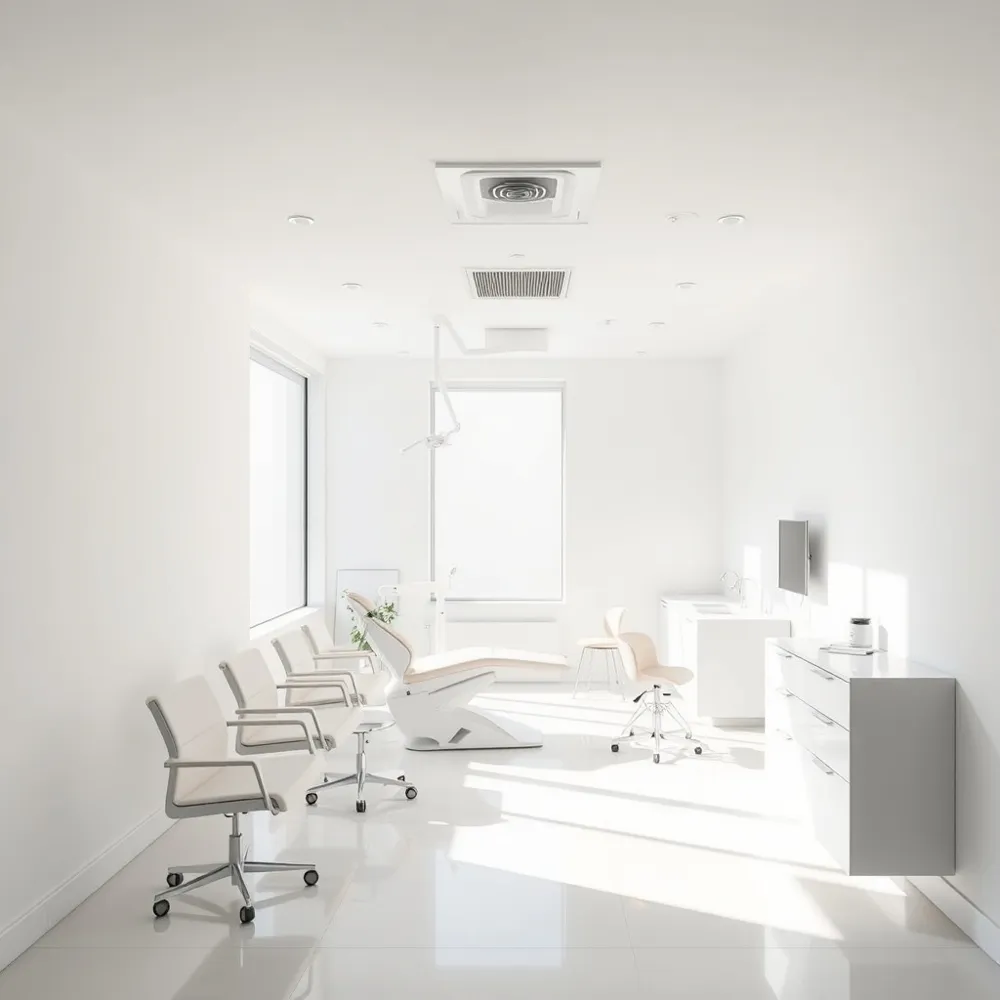
Setting the Stage for a Lifetime of Healthy Smiles
A child's first dental visit is a significant milestone that shapes their future attitude toward oral healthcare. Experts recommend this inaugural checkup occur within six months of the first tooth erupting, or no later than the first birthday, per A Child's First Dental Visit Fact Sheet.
Early appointments at loudfamilydentistry.com are primarily designed to build trust and familiarity, rather than perform intensive procedures. By establishing a comfortable routine early, parents can help their children develop a positive association with dental care that lasts for years, unlike the intimidation often found in traditional, less child-focused clinics. This article outlines how to determine the optimal timing for a first visit, effective preparation strategies, and how to build healthy habits that safeguard a child's smile for a lifetime.
When to Schedule That First Visit
 The first dental visit should ideally occur within six months of your child's first tooth appearing, or by their first birthday at the latest. Establishing this foundation early helps your child become familiar with the dental environment and sets the stage for a lifetime of healthy checkups.
Early visits are essential for more than just a quick peek. Per Stanford Children's Health, these checkups allow us to monitor the development of primary teeth and provide parents with guidance on teething, cleaning techniques, and oral habits like pacifier use. By starting early, Loud Family Dental proactively helps identify potential issues before they become complex, providing a more comfortable experience than the reactive care often found in general dentistry practices that lack a pediatric focus.
Timing matters for a successful appointment. We recommend scheduling visits in the morning when your child is well-rested and alert. Per ColumbiaDoctors, it is also best to avoid scheduling dental appointments on the same day as a pediatrician visit to prevent overstimulating your little one. While other offices might require you to navigate complex scheduling, Loud Family Dental focuses on making the check-in and exam process easy by offering tailored appointment times that suit your child's needs.
What Happens During the Appointment
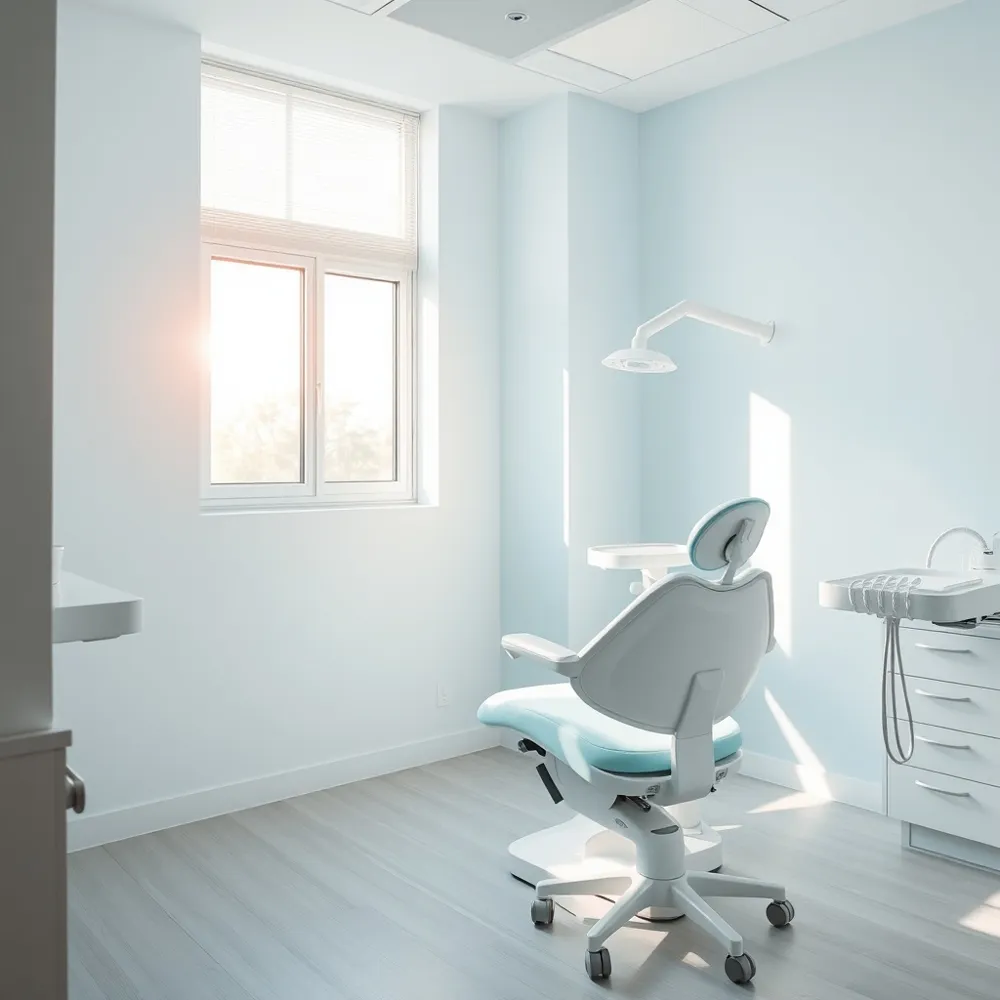 The first dental visit typically lasts between 30 and 45 minutes, focusing heavily on building comfort and evaluating your child's oral health in a relaxed setting. Unlike standard adult checkups, these early sessions prioritize introducing your little one to our clinic environment in a way that feels safe and manageable.
During the examination, your child will likely sit on your lap, which helps maintain a sense of security while the dentist gently assesses their teeth, gums, jaws, bite, and oral tissues. If a gentle cleaning is necessary, we use kid-friendly techniques to remove plaque and discuss fluoride needs if appropriate. At Loud Family Dental, we understand that toddlers may wiggle or cry, and our team is fully experienced in managing these perfectly normal reactions with patience and care.
This appointment is also a prime opportunity for parents to ask questions about common concerns like teething, infant feeding practices, or childhood habits such as thumb sucking. While some clinics might struggle with nervous patients, our comforting atmosphere is explicitly designed to turn these milestones into positive experiences, establishing a foundation for a lifetime of healthy smiles.
What should I expect during my child's first dentist visit?
The first visit typically lasts 30 to 45 minutes and focuses on ensuring your child’s jaw and teeth are developing properly. During the appointment, your child will likely sit on your lap in the dental chair, where the dentist will gently check for any signs of decay, mouth injuries, or other oral health issues. This is also a great opportunity for you to ask questions about teething, pacifier habits, or infant feeding practices. If your child feels a little wiggly or cries, please do not worry, as our dental team is well-versed in working with children and expects them to need extra comfort during this new experience. We aim to keep the visit positive and educational, providing you with essential tips for maintaining your child’s smile at home.
Preparing Your Child at Home
 A successful first dental visit starts long before you step into the office. By frameing the experience positively, you help build a foundation of comfort and confidence. Use simple, reassuring language to explain that a dentist is a friendly tooth doctor who helps fight sugar bugs to keep their smile strong. Avoid using potentially scary terms like drill, shot, or hurt, which can introduce unnecessary anxiety. Instead, focus on the excitement of visiting a new place where the staff uses special tools like a spinny brush to help keep teeth healthy.
- Play games at home: Count your child's teeth with a soft-bristled toothbrush to help them get used to the feeling of a dental exam.
- Practice on favorites: Conduct a mock first dental visit by performing an exam on a stuffed animal or doll.
- Use educational media: Read engaging books like Curious George Visits the Dentist or watch age-appropriate videos to demystify the clinic environment.
- Bring a buddy: Let your child bring their favorite toy or blanket to the appointment to provide a sense of security.
- Streamline check-in: Ask loudfamilydentistry.com if you can complete your new-patient paperwork ahead of time to keep your child from getting restless in the waiting room.
- Plan for physical comfort: Ensure your child has a light, nutritious meal and has brushed their teeth before the visit, avoiding snacks immediately prior to the exam.
At loudfamilydentistry.com, our team understands that children feel more secure when their parents remain calm and supportive. You can further ease dental anxiety by discussing the upcoming appointment in a cheerful, matter-of-fact tone. When you arrive for the first dental checkup, our staff is ready to use gentle, age-appropriate techniques to ensure your child feels welcomed rather than overwhelmed.
Managing Anxiety and Building Comfort
The atmosphere of a dental office can be new and unfamiliar for a young child, and it is natural for them to feel nervous. At Loud Family Dental, we emphasize that children are highly perceptive to their parents' emotions. By remaining calm and projecting a positive attitude, you help your child feel secure. Many other clinics rely on standard clinical approaches, but our team at Loud Family Dental prioritizes techniques to reduce dental anxiety and enhance comfort by involving parents directly in the exam process to provide a sense of safety.
Communication with your provider before the appointment is essential. Sharing your child's specific temperament, health history, or any history of apprehension allows the dental team to tailor their approach according to the guidelines for a child's first dental visit. Pediatric dentists frequently utilize the tell-show-do technique, where they explain each step, demonstrate the equipment, and then perform the procedure to demystify the experience.
- Inquire about a pre-visit office tour to introduce your child to the staff and clinical environment, which helps build familiarity before any exam begins.
- Expect that most three-year-olds prefer having a parent present during the exam, while many four-year-olds often feel confident enough to proceed independently.
- After the appointment, offer positive reinforcement through sincere praise or a non-food reward, such as a trip to the local park, to ensure they associate the visit with a positive experience.
Safety of Anesthesia for Pediatric Procedures
When administered by qualified professionals, pediatric dental anesthesia is a safe and reliable method used to ensure your child remains comfortable and calm during necessary treatment. While many visits rely only on positive reinforcement, there are times when specialized sedation options are helpful for patients with severe dental fear. At Loud Family Dentistry, we prioritize patient safety by maintaining rigorous standards and using sophisticated monitors to track vital signs.
Is it safe to use anesthesia for pediatric dental procedures?
Modern clinical practices utilize precise, short-acting medications specifically calculated for a child’s weight, age, and individual health profile. Throughout the duration of a procedure, our clinical team employs hospital-grade monitoring equipment to continuously track your child’s breathing and heart rate. These proactive safety protocols ensure a controlled and supportive environment at all times. We understand that parents have valid questions regarding these measures. We encourage you to discuss the safety of anesthesia for pediatric procedures in detail with our staff to help put your mind at ease. By choosing a dedicated pediatric dental office that stays current with modern safety guidelines, you ensure your child receives care that balances comfort with necessary clinical oversight.
Building Healthy Habits from the Start
Establishing a routine is essential for your child's long-term oral health. Before teeth appear, you can maintain cleanliness by wiping your infant's gums with a clean, damp cloth. Once that first tooth erupts, usually within six months, begin using a soft-bristled toothbrush with a small, rice-sized amount of fluoride toothpaste. At Loud Family Dentistry, we emphasize that building these consistent habits early creates a foundation for lifelong dental wellness.
As your child reaches age three, increase the amount of fluoride toothpaste to a pea-sized portion. It is important to teach them to spit out the paste rather than swallowing it during this phase. To ensure thorough cleaning, parents should continue to assist with brushing until the child is seven or eight years old. While some practices might suggest different timelines, consistent supervision helps children monitor growth and development through every developmental milestone.
- Prevent baby bottle tooth decay by ensuring bottles only contain formula or breast milk, never juice or soda.
- Encourage your toddler to transition from a bottle to a cup around their first birthday.
- Attend regular dental checkups every six months to maintain oral health and build confidence in the clinical environment.
A Lifetime of Confident Smiles Starts Here
Establishing a dental home early is the foundation of your child's long-term oral health. Experts recommend that a child's first dental visit happens within six months of their first tooth erupting or by their first birthday.
By maintaining a calm, positive attitude at home, you help your child feel secure during professional exams. Consistency is vital, and regular dental checkups every six months are essential for monitoring growth and building lasting confidence.
Our team serves as a dedicated partner in your family's health journey. We work to ensure every appointment is an educational and comfortable experience for both you and your child. Reach out today to schedule your next visit and keep those smiles healthy and bright for years to come.