Why Proper Preparation Matters
Your first dental visit is a brief yet comprehensive assessment that typically includes verification of identity, insurance check‑in, a review of medical and dental histories, and a visual exam often followed by X‑rays, cleaning, and a discussion of any concerns. Arriving prepared—bringing a photo ID, insurance card, current medication list, recent X‑rays, and a list of questions—helps the team verify coverage quickly, reduces paperwork, and allows the dentist to focus on clinical care rather than administrative details. This organization speeds the check‑in process, minimizes wait time, and creates a calm environment, which in turn lowers patient anxiety and promotes a more effective, stress‑free experience for both new and returning patients. It gives the dentist a picture of your oral health, enabling recommendations and a treatment plan that aligns with your.
Gathering the Right Documents and Essentials
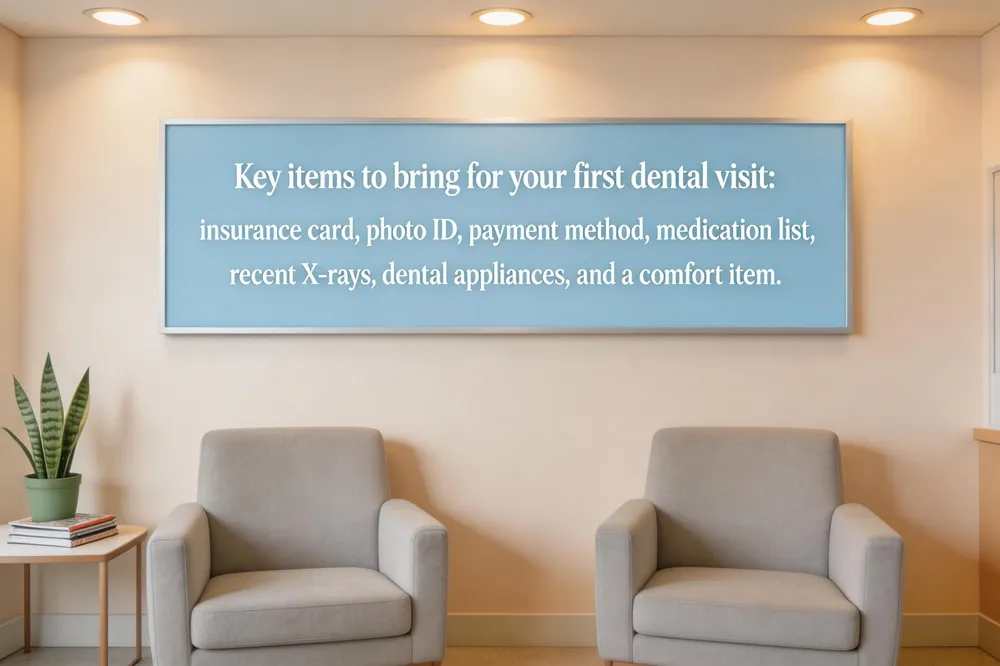 When you walk into a dental office for the first time, the staff will ask for a few key items to verify who you are, what your coverage looks like, and to tailor care to your health background.
Insurance verification – Bring your dental insurance card (and any secondary plan or discount card) so the office can confirm network status, deductible, co‑pay and annual maximum on the spot.
Identification and payment – A valid photo ID (driver’s license, state ID, or passport) is required for patient verification. Have a credit/debit card, check, or cash ready for any copayments or deductibles that may be due.
Medical & dental history – Write down all prescription and over‑the‑counter medications, dosages, allergies, and any chronic conditions. If you completed a health‑history questionnaire before arrival, bring that copy to speed the check‑in.
Recent X‑rays and dental appliances – Copies of X‑rays taken within the past six months, plus any appliances you wear (night guard, retainer, dentures), give the dentist a clear picture of your oral‑health baseline.
Comfort items – Items that promote comfort, such as headphones or reading material, can reduce anxiety during the visit.
Answer to the key question: Bring your completed intake forms (or be ready to fill them out), a valid photo ID, dental insurance card(s), a list of current medications, any dental appliances, recent X‑rays or records, and a method of payment. Adding a comfort item can make the visit smoother for you or your child.
Navigating Dental Insurance Without a Physical Card
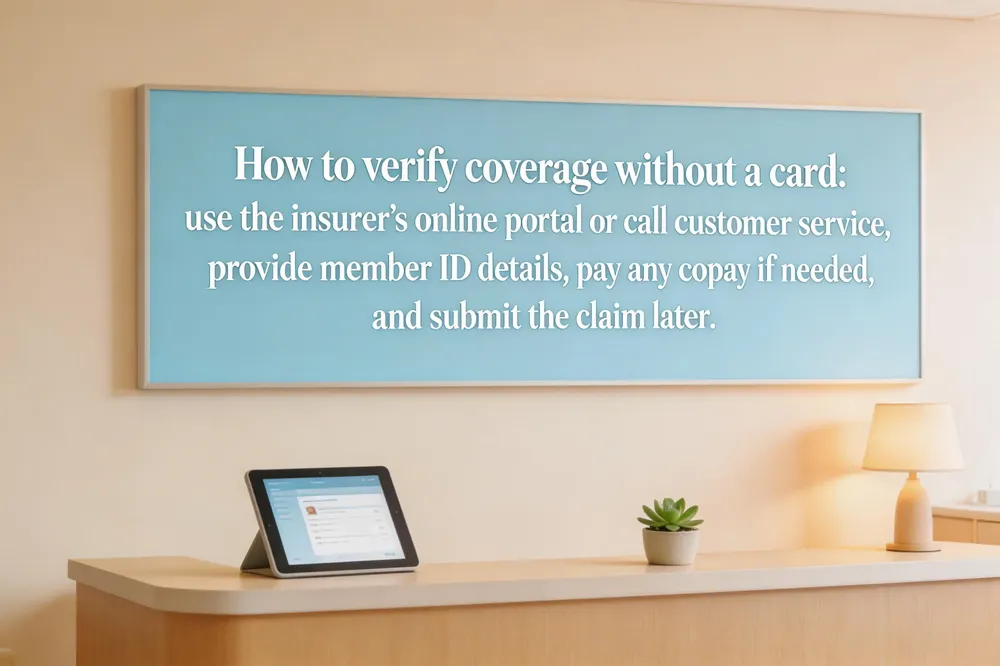 Even if you forget your dental insurance card, you can still get care. First, log in to your insurer’s online portal or mobile app to locate your member ID, group number, and coverage details; you can also download a printable digital card. If you prefer, call the insurer’s customer‑service line and ask the representative to confirm your benefits over the phone, providing your name, date of birth, and plan number. When you arrive at the dental office, give them this information so they can verify coverage and submit the claim directly. If the office cannot verify coverage on the spot, pay the copay or deductible out‑of‑pocket, keep the receipt, and submit a claim later using the same member details. Finally, store the digital card on your phone or print a temporary ID for future visits.
Preparing Kids and Toddlers for Their First Visit
 Explain the appointment in simple, upbeat terms—tell your toddler the dentist will count their teeth, take a quick look, and give a special sticker. Use picture books, short videos, or a toy dental set for role‑play; let the child pretend to be the dentist or patient so the visit feels like a game. Choose a calm morning time slot when the child is rested and less likely to be hungry or tired. Bring comfort items such as a favorite stuffed animal, blanket, or headphones to hold during the exam and reduce anxiety.
Pediatric exam basics and the Rule of 7 – At Loud Family Dental, a first visit is scheduled as soon as the first tooth appears (by age one). The dentist reviews a brief health history, performs a gentle visual exam, may take a quick X‑ray, and discusses feeding habits, pacifier use, and proper brushing. The Rule of 7 reminds parents to schedule check‑ups every 7 months for infants, every 7 months for toddlers, and every 7 months for school‑age children to keep oral health on track.
Q&A
- How to get toddler ready for dentist? Explain the visit simply, read a book, role‑play, pick a morning slot, bring a comfort item, stay calm, and reward the child afterward.
- Pediatric dentist visit? The dentist examines gums, teeth, bite, may take an X‑ray, and gives guidance on diet, brushing, fluoride, and habit control. Follow‑up every six months.
- Infant dental exam? Schedule when the first tooth erupts or by the first birthday; the dentist checks gums, jaw, early decay, and provides fluoride and home‑care advice.
- What is the 3‑3‑3 rule for teeth? Brush three times a day, for at least three minutes each time, and replace the toothbrush every three months.
What Happens During the First Appointment
 A first dental visit begins with health‑question review and paperwork: the team checks your photo ID, insurance card, and a completed medical/dental history form, noting medication list, allergies, and any recent X‑rays. Next, the hygienist takes diagnostic X‑rays (if needed) and performs a professional cleaning to eliminate plaque and tartar. The dentist then conducts a comprehensive oral exam, assessing teeth, gums, bite, and performing an oral cancer screening. After the exam, treatment planning and patient education follow— the dentist explains findings, answers your list, and outlines a personalized preventive or restorative plan, including advice on brushing, flossing, fluoride, and habits like thumb‑sucking for children.
Do’s and don’ts before a cleaning: Do bring insurance, ID, medication list, and any dental appliances; [brush and floss] thoroughly the night before and a few hours before the appointment; eat a light, protein‑rich meal; Arrive 10–15 minutes early. Don’t come if you’re ill, avoid heavy sugary foods, skip whitening products or strong fragrances, and refrain from smoking or alcohol before the visit.
Maximizing Dental Insurance Benefits and Understanding Coverage
 Understanding your plan’s annual maximum and deductible is the step. Most policies cap benefits at $1,000–$2,000 per year; exams, cleanings and X‑rays often count toward this limit. The deductible (e.g., $50) must be paid before coinsurance applies—if a $250 filling follows a $50 deductible, you owe $50 plus 20 % of the remainder. Services excluded include adult orthodontics, cosmetic whitening, implants unless medically necessary, over‑the‑counter products, and experimental procedures. To stretch benefits, schedule all fully covered care early, break larger restorations into two benefit years, and treat minor issues promptly. The “Rule of 7 and 3‑3‑3” reminds patients to see a dentist every six months, keep three cleanings per year, and replace toothbrushes quarterly. When bundling dental and vision, compare carriers such as Delta Dental + VSP, UnitedHealthcare, or Cigna for premiums, maximums, and coverage.
Your First Visit: Ready for Success
Before you walk into the dental office, be sure you have a few key items in hand. Bring your current dental‑insurance card (policy number), a photo ID, and a credit/debit card or cash for any copay. Pack a completed medical‑history form or a written list of medications, allergies, and recent dental work, plus recent X‑rays if available. Write down any questions or concerns you want to discuss. Arrive 10–15 minutes early, verify the address, and remember to brush and floss beforehand. With these steps you’ll feel relaxed, confident, and ready for a comfortable, successful first visit.