Why Veneers Are a Popular Smile Upgrade
Veneers can be a life-changing cosmetic upgrade, but they are also a lasting commitment. Before you schedule an appointment, it helps to weigh the realistic benefits against the financial outlay, the permanent enamel removal, and the ongoing care they require. Understanding these trade-offs ahead of time lets you make a decision you will feel good about for years.
The Financial Investment and What It Covers
Porcelain veneers are typically a significant investment. According to Cleveland Clinic, the cost varies based on the number of teeth treated, the dentist’s expertise, and your location. A thorough consultation will provide an exact quote, so you are not caught off guard by the final bill. When you compare options, remember that cheaper materials like composite veneers may cost less upfront but often require more frequent repairs and replacement.
Financing options can make the upfront cost more manageable. Many dental offices, including Loud Family Dentistry, offer payment plans or work with third-party financing to spread the cost over time. Be sure to ask about all available options during your consultation so you can find a plan that fits your budget.
The Permanent Enamel Removal
One of the most important things to understand is that getting veneers is not reversible. To bond the veneer properly, your dentist must remove a thin layer of enamel from the front of your teeth. This process is outlined in detail in resources like DentaTur’s guide to celebrities with veneers and Burbank Dental’s prepping guide, which emphasize that the enamel loss is permanent. Once removed, your teeth will always require a veneer or crown to protect them. This is a significant decision that should not be taken lightly.
Lifespan and Maintenance
With proper care, porcelain veneers can last anywhere from 10 to 15 years or more, while composite veneers typically last five to seven years. However, this longevity depends on how well you maintain them. Aftercare is crucial — you must avoid biting into hard objects like ice or fingernails, and you should limit staining foods and drinks. Regular dental checkups at Loud Family Dentistry will help ensure your veneers stay in top condition, catching any issues early before they lead to more serious problems.
Good oral hygiene is also non-negotiable. Brushing twice a day, flossing daily, and using a non-abrasive toothpaste help protect the underlying tooth structure and the gum tissue around your veneers. Loud Family Dentistry recommends routine cleanings and exams to keep your smile healthy and your veneers looking their best.
Potential Risks and Sensitivity
As with any dental procedure, veneers come with potential risks. Some patients experience increased tooth sensitivity to hot and cold temperatures, especially in the first few weeks after placement. Others notice that their bite feels different initially. While these issues often subside as you adjust, it is important to discuss any persistent discomfort with your dentist. Cleveland Clinic notes that proper placement and a well-fitted design minimize most of these risks.
Another consideration is that veneers may not be the best option for everyone. If you have significant tooth decay, gum disease, teeth grinding (bruxism), or severely weakened teeth, your dentist may recommend alternative treatments such as crowns. A thorough consultation at Loud Family Dentistry will determine whether veneers are a safe and suitable choice for your specific oral health needs.
The Cosmetic Outcome and Natural Appearance
When done by an experienced cosmetic dentist, veneers can look remarkably natural. The goal is not to have perfectly uniform, artificial-looking teeth, but rather to enhance the natural shape, color, and alignment of your smile. Reviewing before-and-after photos can give you a realistic idea of what is achievable. Your dentist will work with you to select the shade and shape that complements your facial features and personal aesthetic.
It is also essential to have realistic expectations. Veneers can fix chips, gaps, discoloration, and misalignment, but they cannot completely transform your entire facial appearance. A skilled dentist like those at Loud Family Dentistry will discuss what veneers can and cannot do for your specific case, ensuring you are not disappointed with the final result.
Commitment to Aftercare
The investment in veneers does not end after you walk out of the office. Proper aftercare is essential to protect your new smile and extend its lifespan. This includes avoiding stain-causing habits like smoking or excessive coffee consumption, wearing a night guard if you grind your teeth, and scheduling regular dental visits.
Loud Family Dentistry emphasizes the importance of patient education and support. We provide clear, personalized guidance on how to care for your veneers, so you can enjoy a beautiful, confident smile for years to come. Choosing veneers is a significant decision, but with the right information and a trusted dental team, you can move forward with confidence.
| Factor | Details | Consideration |
|---|---|---|
| Cost | Porcelain veneers are more expensive than composite | Ask about financing and payment plans |
| Enamel Removal | Permanent removal of a thin enamel layer | Only suitable for health enamel |
| Lifespan | Porcelain: 10-15 years; Composite: 5-7 years | Requires proper care and maintenance |
| Sensitivity | Some may experience temporary sensitivity | Discuss with your dentist if persistent |
| Maintenance | Routine brushing, flossing, and dental visits | Avoid hard foods and stains |
Understanding the Different Types of Veneers
 Veneers are thin shells bonded to the front of your teeth to fix chips, gaps, discoloration, and uneven shapes. They offer a natural-looking, minimally invasive path to a more confident smile. The American Dental Association notes that veneers are a common cosmetic treatment, but the real value depends on choosing the right material for your goals, your budget, and your dentist's guidance.
Two main types dominate: porcelain and composite. Porcelain veneers are known for their durability and stain resistance, often lasting 10–15 years with proper care. Composite veneers are more affordable and can be applied in a single visit, but they typically last 5–7 years and are more prone to chipping and staining. Each option requires a slightly different preparation and maintenance routine, which matters when you're planning ahead.
What to Expect Before, During, and After Placement
The procedure usually spans two or more visits. During the first appointment, your dentist prepares the teeth by removing a thin layer of enamel, takes impressions, and places temporary veneers. Porcelain veneers are then fabricated in a lab, while composite can be sculpted directly in the chair. Before committing, you can review before and after photos of porcelain veneers to see realistic outcomes.
Temporary veneers protect your prepared teeth and help you adjust to the new feel. Your dentist will check fit and color at the final placement, using a temporary cement to let you test the look before bonding. This staged approach reduces surprises and ensures you're comfortable with the shape and shade.
Caring for Your Veneers: Long-Term Tips
After placement, treat your veneers like your natural teeth: brush twice a day, floss daily, and avoid hard foods like ice and hard candy. Porcelain resists stains, but the bond line can discolor if you smoke or drink coffee, tea, or red wine excessively. For composite, avoid pigmented foods for the first 48 hours after placement to prevent early staining.
Regular dental checkups are essential. Your dentist will monitor the integrity of the veneers and can polish them to reduce buildup. If you grind your teeth at night, a night guard is a smart investment to protect your veneers from chipping. With proper care, porcelain veneers can last 10–15 years, while composite typically lasts 5–7 years.
Material. Porcelain offers superior stain resistance and longevity (10–15 years per most clinical guides). Composite is less expensive and can be repaired more easily, but it stains and chips more readily (5–7 years).
Procedure. Porcelain usually requires two visits: preparation, temporary placement, then final bonding. Composite is often completed in one visit via direct sculpting.
Maintenance. Bi-annual dental visits, proper brushing and flossing, and avoiding hard foods apply to both. Porcelain needs less frequent polishing, while composite may need touch-ups after a few years.
Cost. Porcelain is more expensive upfront, but its durability can lower replacement frequency. Composite is more budget-friendly initially but may require earlier replacement or repairs due to wear and staining.
| Criteria | Porcelain Veneers | Composite Veneers |
|---|---|---|
| Lifespan | 10–15 years | 5–7 years |
| Stain resistance | High | Moderate |
| Visits | 2+ | 1 |
| Cost per tooth | Higher | Lower |
| Repairability | Limited | Easier |
Now that you understand the basics, you can make an informed decision. If you're considering veneers, consult with a trusted dentist who will walk you through your options. For more on the procedure and whether it's right for you, check out our guide to cosmetic dentistry procedures and explore how veneers can transform your smile.
At Loud Family Dentistry, we focus on making your veneer journey comfortable and transparent. Our team in Shreveport offers both porcelain and composite options, and we'll help you choose based on your smile goals and budget. Book a consultation today and see how a few thin shells can boost your confidence.
The Reality of Irreversible Treatment
Choosing between porcelain and composite veneers comes down to how much natural tooth structure you want to keep, how long you expect the restorations to last, and your budget. The two materials differ in preparation, appearance, and durability, so it helps to understand what each involves before you commit.
Porcelain Veneers: A Long-Lasting, Natural Look
Porcelain veneers are the gold standard for smile makeovers. Because they are custom-made in a dental lab, they offer the most lifelike translucency and color match. To place them, your dentist must remove about 0.5 millimeters of enamel, which is a permanent and irreversible process. In return, you get a veneer that typically lasts 10 to 15 years with proper care. At Loud Family Dentistry, we take detailed impressions and use high-quality materials to ensure a precise fit that feels natural from day one.
The preparation requires a temporary set of veneers while yours are being fabricated, adding a bit of time to the process. However, the result is a strong, stain-resistant surface that reflects light similarly to natural teeth. If you are considering this option, our cosmetic dentistry guide walks through the steps involved, from the initial consultation to the final placement.
Composite Veneers: A Conservative, Same-Day Option
Composite veneers are applied in a single visit and require little to no enamel removal, making them a reversible and more affordable alternative. The dentist shapes tooth-colored resin directly onto your teeth and then hardens it with a curing light. While the procedure is faster and less invasive, composite is more prone to chipping and staining, with a typical lifespan of 5 to 7 years. This makes them a popular choice for patients who want a quick improvement without the permanent commitment of porcelain.
The trade-off is that composite veneers can look less natural over time, especially if you smoke or drink coffee regularly. At Loud Family Dentistry, we will help you weigh these factors during a consultation, so you understand what to expect before deciding. For a deeper look at the maintenance involved, our post-procedure care guide offers practical aftercare tips.
How to Choose Between Porcelain and Composite
Your choice depends on your smile goals and your willingness to accept the irreversible nature of porcelain preparation. If you are looking for the longest-lasting, most natural result and are prepared to commit, porcelain is likely your best bet. If you prefer a less invasive, more budget-friendly option and are okay with replacing the veneers more often, composite may be the right fit. At Loud Family Dentistry, our team will assess your enamel health and discuss your expectations so you can make an informed decision.
How Long Do Veneers Last?
Once your porcelain veneers are placed, how you care for them in the first days and beyond directly affects how long they last. While the underlying tooth structure is protected, the veneer itself needs consistent, gentle maintenance to keep its bond and appearance. Most people want a straightforward answer: with proper care, porcelain veneers typically last 10 to 15 years, and sometimes up to 20 years or more (per the Cleveland Clinic). The habits you build now, from what you eat to how you brush, determine whether your smile stays as polished as the day it was placed.
For the first few days after placement, treat your veneers gently. Avoid biting into hard foods like nuts, ice, or crusty bread, and steer clear of sticky items such as caramel or gum. Highly pigmented drinks, including coffee, red wine, and tea, can stain the bonding cement and the edges of the veneers, so it helps to sip them through a straw or rinse with water right afterward. You can read more about the step-by-step process of getting veneers to know what to expect before, during, and after the procedure.
Daily Maintenance Habits That Extend Veneer Life
Brushing twice a day with a non-abrasive fluoride toothpaste and flossing daily are non-negotiable. Abrasive toothpastes can scratch the glaze of porcelain, making it more prone to staining and dullness over time. Use a soft-bristled brush and gentle circular motions, and consider a daily alcohol-free mouthwash to reduce bacteria without drying your gums. Also, be mindful of teeth grinding; if you clench or grind at night, ask your dentist about a custom night guard to protect your veneers from chipping.
The investment you make in your veneers is only as good as your commitment to their upkeep. A simple routine of brushing, flossing, and regular professional checkups (usually every six months) keeps your underlying teeth and gums healthy, which in turn supports the long-term stability of your veneers. The aftercare guide from Loud Family Dentistry reinforces this, noting that porcelain veneers can last up to 20+ years with proper care.
Nourishment and Lifestyle Choices
Your diet and habits have a direct impact on veneer longevity. While porcelain is stain-resistant, the bonding cement and the tooth margin are more porous. Limit acidic foods and beverages, which can erode enamel at the edges, and consider a straw when drinking anything acidic or highly pigmented. Smoking or using tobacco products can cause yellowing around the gumline and may dull the surface of your veneers over time.
If you are considering veneers or already have them, understanding what to expect in terms of maintenance is key. The complete guide to maintaining your veneers outlines that with proper oral hygiene and avoiding habits like nail-biting or using your teeth as tools, you can maximize the life of your veneers. Regular dental visits allow your dentist to catch any early signs of wear or loosening.
By pairing a consistent home-care routine with professional oversight, you can feel confident that your porcelain veneers will keep your smile radiant for many years. Whether you are new to veneers or just want to refine your aftercare, the advice above provides a reliable foundation for a long-lasting, beautiful result.
Who Is Not a Good Candidate?
Veneers are a popular cosmetic solution for a confident smile, but they are not right for everyone. Before committing to treatment, it's important to evaluate your oral health and discuss your goals with a qualified dentist. Certain underlying conditions can make veneers fail prematurely, so understanding candidacy upfront protects both your teeth and your investment.
Here's what disqualifies most patients and what alternatives exist if you're not an ideal candidate.
Untreated Tooth Decay and Active Gum Disease
Veneers bond to healthy tooth structure, so active decay or periodontal disease must be resolved first. Placing veneers over cavities or inflamed gums can trap bacteria, leading to further decay and infection. In fact, most dentists prioritize treating these issues before any cosmetic work begins.
This is why a thorough dental assessment before whitening helps ensure the treatment is safe and appropriate for your teeth, as dentists evaluate enamel health and detect any underlying problems. Similarly, checking for decay and gum health is a standard part of the veneer consultation. If you have untreated decay, your dentist will recommend fillings or other restorations before moving forward with veneers.
Severe Tooth Wear or Structural Damage
Veneers require a certain amount of natural enamel to bond securely. If you have severe wear from grinding, clenching, or trauma, there may not be enough healthy structure to support them. In such cases, crowns or other restorations are often more appropriate, as they offer greater protection and durability.
During your consultation, your dentist will examine your bite and tooth structure. If you're prone to bruxism, you may need a night guard or consider alternative treatments.
Poor Oral Hygiene Habits
Veneers don't prevent decay or gum disease; they only cover the visible part of the tooth. You still need to brush, floss, and attend regular checkups. Even with veneers, the underlying natural tooth remains susceptible to decay, so maintaining excellent hygiene is non-negotiable.
This is why dental veneer aftercare emphasizes brushing and flossing daily and avoiding hard foods that could chip the porcelain. If you're not ready to commit to these habits, veneers may not be the right choice.
Unrealistic Expectations
Veneers can transform your smile, but they can't fix every issue. They won't change the shape of your jaw or alter your bite. If you expect a completely unattainable result or hope veneers will solve functional problems, you may be disappointed. A candid conversation about what veneers can and can't do is essential.
Pregnancy and Certain Medications
While there's no universal rule, some dentists prefer to postpone elective cosmetic procedures during pregnancy or while taking certain medications that affect gum health. Hormonal changes can increase gum inflammation and sensitivity, potentially compromising the fit and longevity of veneers. Always disclose your medical history and any medications you're taking.
Candidacy. Comprehensive evaluation of oral health, including detection of decay and gum disease, before any veneer placement.
Tooth wear. Assessment of enamel loss from grinding or erosion to ensure sufficient support for veneers.
Hygiene. Commitment to brushing, flossing, and regular checkups to prevent decay and gum issues under the veneers.
At Loud Family Dentistry, your comfort and oral health come first. Our team will conduct a thorough examination, discuss your goals, and recommend the best approach. If veneers aren't right for you, we'll help you explore other options. Schedule a consultation today to see if veneers are your path to a smile you'll love.
What to Expect During the Process
Choosing the right veneer material is one of the most important decisions in your smile makeover. The two main options, porcelain and composite, differ not only in appearance and durability but also in the amount of preparation required and the overall cost. Understanding these differences helps you discuss your goals with your dentist and choose the approach that best fits your lifestyle and budget.
Porcelain veneers:. These are thin shells of ceramic that are custom-made in a lab and then bonded to the front of your teeth. They resist stains exceptionally well and closely mimic the light-reflecting properties of natural enamel. With proper care, porcelain veneers usually last between ten and fifteen years, as noted in this guide to dental veneers. The procedure involves removing a small amount of enamel from the tooth surface, and your dentist will place a temporary veneer while the permanent one is being made.
Composite veneers:. These are applied directly to your teeth using a tooth-colored resin that is sculpted and shaped in a single visit. The main advantages are a less invasive preparation, a quicker procedure, and a lower upfront cost. However, composite is more prone to chipping and staining compared to porcelain, and it typically needs to be replaced sooner. Dental veneers can last anywhere from five to fifteen years, but composite often falls on the shorter end of that range.
Your dentist will help you weigh factors like the health of your enamel, your bite, and your aesthetic goals. If you are still deciding between materials, reviewing the benefits of veneers for smile makeovers can offer a helpful starting point. No matter which you choose, a thorough consultation and a clear understanding of the process are the first steps toward a confident smile.
Financial Considerations and Average Costs
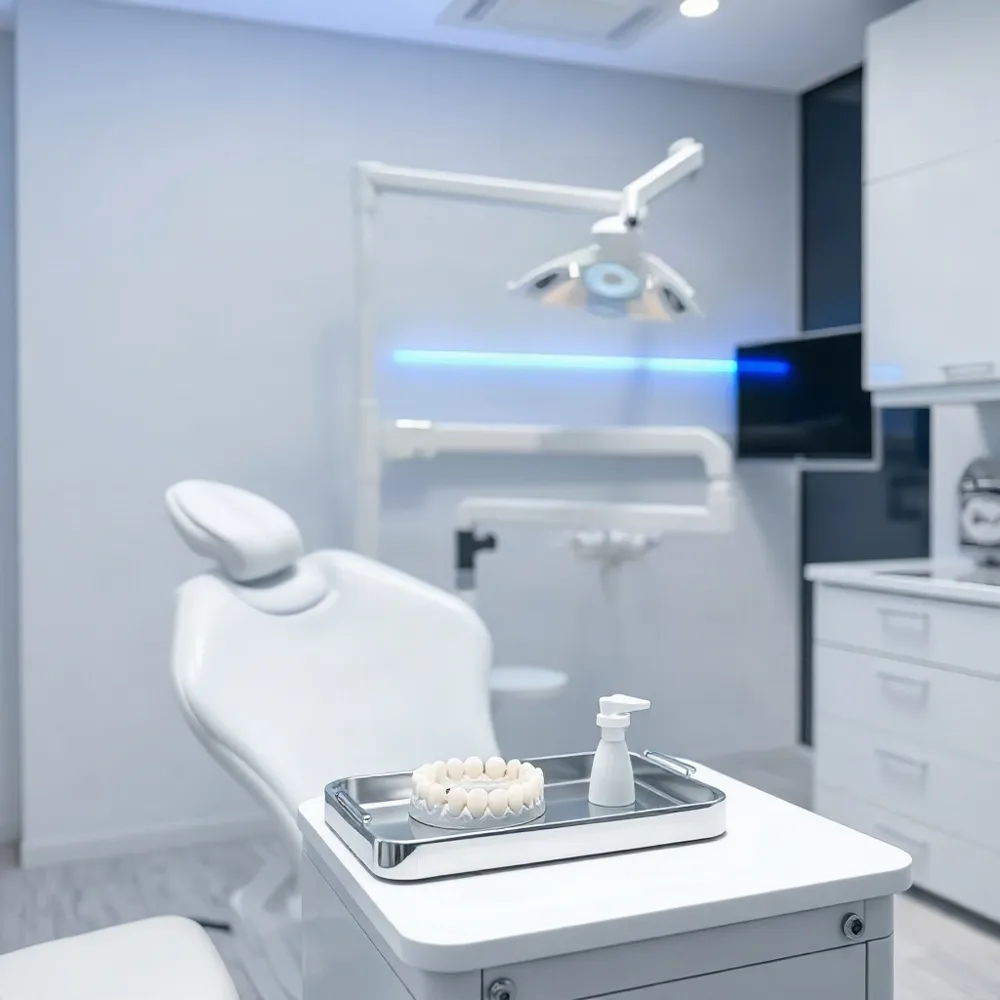 Porcelain veneers are a significant investment, and the price varies based on location, the dentist's expertise, and the number of teeth being treated. On average, you can expect to pay between $500 and $4,000 per tooth. This wide range reflects the quality of materials and the level of customization involved in crafting each veneer.
When comparing costs, you'll often encounter two primary options: porcelain veneers and composite veneers. Porcelain veneers are more expensive, typically ranging from $1,000 to $2,500 per tooth at our practice, while composite veneers are a more budget-friendly alternative. The longevity and stain resistance of porcelain often justify the higher price, making it a worthwhile consideration for many patients.
For a more detailed breakdown of what influences the cost, including the number of teeth and any preparatory work needed, consult our guide on dental veneers cost per tooth. This resource can help you understand the potential range and plan your budget accordingly.
Preparing for Front Teeth Veneers
 A bright, even smile is one of the first things people notice, and porcelain veneers have become a go-to solution for those looking to correct chips, gaps, or stubborn stains. Unlike crowns that cover the whole tooth, veneers are ultra-thin shells bonded to the front surface, offering a natural-looking transformation with minimal tooth reduction. The appeal is clear: they deliver dramatic, long-lasting changes in just a couple of visits, making them a practical choice for busy adults and teens alike.
However, veneers aren't a one-size-fits-all treatment. The type of material, the amount of tooth preparation, and your daily habits all influence both the final look and how many years they'll last. Understanding these factors before you commit helps you avoid surprises and ensures the result feels like a genuine improvement rather than a temporary fix.
Caring for Your New Smile
Porcelain veneers are a popular cosmetic upgrade because they look and feel like natural teeth, but keeping them that way depends on the care you give them after they are placed. The good news is that a solid daily routine is straightforward: treat your veneers much like you would your natural teeth, with a few extra precautions. Regular brushing and flossing stay central to protecting both your veneers and the underlying gum tissue, and these habits also help prevent issues that could shorten the life of your restoration.
Start with a soft-bristled toothbrush and a non-abrasive toothpaste. Hard bristles and gritty whitening toothpastes can scratch the surface of porcelain, leaving it looking dull over time and creating tiny places for stain to catch. Gentle, circular motions for two minutes remove plaque without damaging the veneer surface. When it comes to flossing, use a floss threader or an interdental brush to clean between teeth without dislodging the veneer. For a helpful refresher on adapting your care routine after any cosmetic dental procedure, see our guide on maintaining oral hygiene after cosmetic dental procedures.
Daily Habits That Protect Your Investment
Beyond the basics of brushing and flossing, a few simple habits make a noticeable difference. Avoid biting your nails, chewing on pens, or using your teeth to open packages; these actions can chip or crack the porcelain. Likewise, be mindful of hard or crunchy foods like ice, toffee, and popcorn kernels, which can stress the veneer. With reasonable care, porcelain veneers often last between 10 and 15 years, while composite veneers typically last 5 to 7 years, per Cleveland Clinic. Remember that a veneer failure is rarely the porcelain itself; it is usually a chip along the edge or decay around the margins, both of which good oral hygiene prevents.
If you grind or clench your teeth at night, ask about a custom night guard. Grinding places intense pressure on veneers and can cause cracks or cause them to detach. A night guard is a small, discreet investment that protects both your veneers and your natural teeth. Also, schedule regular checkups and cleanings so your dentist can spot early signs of wear, such as margin gaps or slight detachment, before they become bigger problems.
Foods and Drinks to Enjoy in Moderation
While porcelain resists stains better than natural enamel, it is not Stain-proof. Highly pigmented drinks like coffee, tea, red wine, and cola can gradually discolor the bonding cement at the margins or leave a tint on the porcelain itself. You do not need to give these up completely; just rinse your mouth with water after consuming them, and wait at least 30 minutes before brushing to avoid softening enamel. When possible, drink these beverages through a straw to minimize contact with your front veneers.
For daily protection, brushing and flossing remain your first line of defense. If you are unsure about which routine is best for your new veneers, the team at Loud Family Dentistry can help you build a personalized plan that fits your lifestyle.
| Aspect | Recommended Care | Why It Matters |
|---|---|---|
| Brushing | Soft brush, non-abrasive paste | Prevents scratches and stains |
| Flossing | Daily, gentle technique | Removes plaque at margins |
| Diet | Limit pigmented drinks | Reduces staining risk |
| Protection | Night guard for grinding | Prevents chipping and cracking |
| Checkups | Every 6 months | Catch issues early |
Making the Right Choice for Your Smile
Not every smile makeover turns out exactly as envisioned. Sometimes the result looks too bulky, sometimes teeth feel uneven, and occasionally you just don't trust the diagnosis you received. Getting a second opinion on dental veneers is often a smart step before committing to treatment, especially if you have been told you need extensive work on otherwise healthy teeth.
A responsible dentist will agree that a second opinion is reasonable, particularly when the proposed plan involves multiple veneers or the removal of significant natural tooth structure. Many patients use this moment to confirm that the recommended material, such as porcelain veneers, fits their long-term goals. It also offers a chance to compare treatment philosophies and costs without obligation.
Red Flags That Warrant a Second Look
- The proposed treatment plan removes more tooth enamel than seems necessary for the desired outcome.
- You feel pressured to proceed immediately, without time to review your options or ask questions.
- The dentist cannot clearly explain the expected lifespan of your veneers or how they will affect your bite.
- You have unresolved discomfort, sensitivity, or gum irritation that the plan does not address.
Before getting veneers, check that the dentist has performed a thorough exam, including X-rays and a bite assessment, rather than basing the plan solely on a visual inspection. Reviewing what to expect before, during, and after getting veneers can help you prepare your questions. Also ask to see before and after photos of actual patients, such as those in the veneer transformation gallery.
What to Look for in a Second Opinion
When you sit down with a second dentist, focus on the specifics. Ask whether your natural tooth structure should be preserved whenever possible, and how the clinic determines the correct veneer thickness. A conservative approach often involves porcelain veneer prepping that removes a minimal amount of enamel while still allowing for a natural, durable result.
Also look for a dentist who explains the entire journey, from the initial consultation and temporization to the final placement and aftercare. For example, this guide on preparing and temporizing veneers breaks down what happens between visits. A transparent practice will walk you through each step and adjust the plan to your comfort level.
How Loud Family Dentistry Fits In
At Loud Family Dentistry in Shreveport, Louisiana, we welcome second opinions and will always tell you when veneers are not the right choice for your situation. Our team takes a patient-first approach to cosmetic dentistry, evaluating your enamel health, bite, and aesthetic goals before recommending any treatment. We rarely need to remove more natural tooth than is absolutely necessary, and we will show you exactly what to expect from each veneer procedure.
Whether you are just starting to explore veneers or have already received a proposal from another clinic, we invite you to compare our approach. We are happy to review X-rays, prior records, and treatment plans, and we will give you an honest assessment of whether veneers, teeth whitening, or another cosmetic option is best for your smile. Reach out to schedule a consultation and see the difference a thorough, judgment-free second opinion can make.
Veneers are a significant investment in your appearance and your dental health, so it is always worth the time to get a second perspective. A quality dentist will respect your decision to seek more information and will work with you to achieve a result that looks natural and lasts.