Introduction: Your Smile is an Investment Worth Protecting
Your Smile is an Investment Worth Protecting
Cosmetic dentistry offers life-changing results. Your new smile represents a significant investment in your confidence and oral health. Just like any valuable asset, it requires diligent care and maintenance to preserve its beauty and function over the long term.
The longevity of your cosmetic dental work—whether it's veneers, whitening, bonding, or implants—is directly tied to the care you provide after the procedure. Proper post-procedure care is not just about healing; it's the foundation for ensuring your results last for many years. Neglect can lead to discoloration, damage, or even failure of the restorations, necessitating costly repairs.
Daily oral hygiene and routine professional maintenance are the cornerstones of protecting this investment. A consistent home care routine adapted for your specific dental work, combined with regular check-ups and cleanings, forms a protective shield around your smile. This guide will provide you with the essential knowledge and practical steps needed to maintain your beautiful, confident smile.
We will cover the fundamental daily hygiene practices tailored for cosmetic restorations, discuss important dietary and lifestyle considerations, and explain the vital role of your dental team in ongoing care. By following these guidelines, you can enjoy the full benefits of your cosmetic dentistry for as long as possible.
Foundations of Post-Procedure Care: The First 24 to 48 Hours

Immediate Steps Upon Returning Home
After a cosmetic dental procedure, what you do in the first few hours sets the stage for a smooth recovery. Your primary actions should include resting after dental procedures and allowing any anesthesia to fully wear off before attempting to eat or drink. This is crucial for safety and helps prevent you from accidentally biting your cheek, tongue, or lip. If you have had a restoration placed, like a crown, veneer, or filling, the initial bond needs time to fully set. For more details, see post-procedure care for dental treatments and caring for dental veneers and bonding.
Navigating Initial Dietary Restrictions
For the first 24 to 48 hours, your diet should consist solely of eating soft foods after dental treatments. Think yogurt, mashed potatoes, applesauce, smooth soups, and pasta. It is essential to avoid foods that are hard (like nuts, raw vegetables, and hard candies), sticky (like caramel or taffy), or extremely hot or cold. Avoiding hard foods after cosmetic dentistry is crucial as they can dislodge a temporary restoration or damage a new, permanent one, such as a veneer or a bonded tooth. Hot and cold foods can trigger significant sensitivity, especially after procedures like teeth whitening. Learn more about dietary choices affecting cosmetic dental work and foods to avoid after veneers or crowns.
Rest and Oral Hygiene Fundamentals
Rest is not just a suggestion; it is a vital part of healing. Avoid strenuous physical activity for at least the first 24 hours, as this can increase bleeding or swelling. Your oral hygiene routine must be adjusted to be very gentle. Brush with a soft-bristled toothbrush and non-abrasive fluoride toothpaste, using light, circular motions. Be cautious around the treated area. Flossing is important, but do so carefully. For temporary crowns or veneers, slide the floss out to the side instead of lifting it up to avoid pulling it off. Review gentle oral hygiene after dental procedures and gentle oral hygiene practices.
Managing Common Post-Procedure Sensations
It is normal to experience some swelling, minor bleeding (especially after procedures like implant placement), and sensitivity in the initial period. To reduce swelling, apply a cold pack to the outside of your cheek in cycles of 20 minutes on and 20 minutes off for the first 24-48 hours. Minor bleeding can often be managed by biting gently on a clean piece of gauze. For general comfort, rinsing your mouth gently with warm salt water (about 1/2 teaspoon of salt dissolved in 8 ounces of warm water) a few times a day can soothe tissues and aid in cleaning. For more information, see managing discomfort after dental work and manage sensitivity after dental treatment.
What to Avoid in the First Two Days
Certain habits can severely hinder your recovery. Do not smoke or use any tobacco products, as this can delay healing and increase the risk of infection. Avoid drinking alcohol, as it can interact with medications and impair healing. Do not drink through a straw, as the suction can dislodge a blood clot after extractions or place stress on new restorations. Also, avoid chewing directly on the side of your mouth where the work was performed to protect the new dental work. For more guidance, refer to post-procedure care instructions and avoiding certain foods post-procedure.
Quick Reference: First 48-Hour Care Summary
| Action Category | Do's | Don'ts |
|---|---|---|
| Diet | Eat soft, lukewarm foods like yogurt and soup. | Avoid hard, sticky, hot, or cold foods and beverages. |
| Oral Hygiene | Brush gently with a soft brush and non-abrasive paste. | Do not use abrasive toothpaste or brush aggressively near the treated area. |
| Activity | Rest and take it easy for at least 24 hours. | Avoid strenuous exercise and heavy lifting. |
| Habits | Rinse gently with warm salt water. | Do not smoke, drink alcohol, or use a straw. |
| Pain/Swelling | Use a cold pack on the cheek for swelling. | Do not apply heat to the area in the first 48 hours. |
| Restorations | Be mindful when chewing; favor the other side. | Do not test the new restoration by biting hard objects. |
Daily Hygiene Routines: Adapting Your Care for Veneers, Crowns, and Bonding

The necessity of brushing with a soft-bristled brush and non-abrasive, fluoride toothpaste.
Preserving your cosmetic dental work begins with gentle brushing. Use a soft-bristled toothbrush, as hard bristles can scratch the polished surfaces of veneers or crowns. Pair this with a non-abrasive, fluoride toothpaste. Whitening or tartar-control pastes often contain abrasive particles that can dull your restorations over time. Fluoride helps strengthen the natural tooth structure around and underneath your cosmetic work.
Hold the brush at a 45-degree angle to your gums. Use light, gentle pressure with small circular motions. Pay extra attention to the gumline where restorations meet your tooth. This area is prone to plaque buildup, which can lead to decay and gum irritation. Brush for a full two minutes to ensure all surfaces are clean.
Proper flossing techniques and tools for cleaning around restorations
Daily flossing is non-negotiable. Plaque loves to hide between teeth and at the margins of crowns, veneers, and bonding. For these areas, use a gentle C-shaped motion. Guide the floss carefully down the side of the tooth and restoration. Never snap the floss up and down, as this can damage gum tissue or weaken the seal of your dental work.
Special tools make cleaning easier. Floss threaders are invaluable for navigating under dental bridges. Interdental brushes can clean around the contours of crowns. A water flosser is an excellent adjunct. Its pulsating stream can flush out debris from hard-to-reach spots without putting mechanical stress on your restorations.
Choosing the right mouthwash and avoiding damaging products
Selecting the correct mouthwash is a key part of your routine. Opt for an alcohol-free, antimicrobial formula. Alcohol can dry out your mouth and, over time, may weaken the bonding agents used for veneers and composite bonding. An antimicrobial rinse helps reduce bacteria that cause plaque and gum disease.
Crucially, avoid over-the-counter whitening products. These are designed for natural enamel and can be too harsh for cosmetic restorations. Using them can lead to uneven coloring, as the porcelain or composite resin will not whiten like your natural teeth. Stick to products recommended by your dentist to keep your smile uniformly bright.
An explanation of the 3-3-3 brushing rule and its application
The 3-3-3 rule is a simple, effective framework for optimal oral care. It involves brushing your teeth three times a day, for three minutes each session, and replacing your toothbrush every three months. For patients with cosmetic dental work, this proactive approach is highly beneficial.
Brushing three times a day helps manage plaque more consistently, protecting the edges of your restorations from decay-causing bacteria. The three-minute duration ensures you have enough time to clean all surfaces thoroughly, including around your cosmetic enhancements. Replacing your brush every quarter prevents worn-out bristles from becoming ineffective or potentially scratching your restorations.
While twice-daily brushing is the common minimum, adopting the 3-3-3 rule, with the gentle techniques and tools described, is a powerful strategy for maintaining both your natural smile and your cosmetic investment.
| Hygiene Task | Tool/Method | Key Reason for Cosmetic Work | What to Avoid |
|---|---|---|---|
| Brushing | Soft-bristled brush, non-abrasive fluoride paste | Protects restoration surface, cleans gumline | Hard bristles, abrasive/whitening toothpaste |
| Cleaning Between Teeth | Gentle flossing, floss threaders, water flosser | Removes plaque at restoration margins | Snapping floss, which can damage gums or bond |
| Rinsing | Alcohol-free, antimicrobial mouthwash | Reduces bacteria without drying bonding agents | Alcohol-based rinses, whitening mouthwashes |
| Brush Replacement | New brush every 3 months (per 3-3-3 rule) | Ensures effective, gentle cleaning | Using old, frayed brushes that can't clean well |
Lifestyle Habits for Long-Term Success: Protecting Your Investment

Dietary Adjustments for a Lasting Smile
What you eat and drink directly impacts the longevity and appearance of your cosmetic dental work. Certain substances are notorious for causing stains, which can dull whitening treatments and discolor restorations like bonding over time. Common culprits include coffee, black tea, red wine, and dark berries like blueberries.
To enjoy these items while minimizing risk, consider drinking dark liquids through a straw. This simple habit reduces direct contact with your teeth. Additionally, rinsing your mouth with water immediately after consuming stain-causing foods or drinks helps wash away pigments before they set.
Acidic foods and beverages, such as citrus juices and sodas, can also weaken tooth enamel over time. This erosion may compromise the bond of veneers or crowns. It's wise to consume acidic items in moderation and avoid brushing your teeth for at least 30 minutes afterwards, as enamel is temporarily softened.
Here is a quick reference for managing dietary choices:
| Food/Drink Category | Examples | Recommended Action for Protection |
|---|---|---|
| Staining Agents | Coffee, red wine, soy sauce | Use a straw; rinse with water after. |
| Hard/Sticky Items | Ice, hard candy, caramel, nuts | Avoid chewing on them completely. |
| Acidic Items | Soda, citrus fruits, sports drinks | Consume in moderation; wait to brush. |
Breaking Damaging Habits
Your teeth are designed for chewing food, not as multi-purpose tools. Habits like using your teeth to open packages, bite nails, or chew on pens and ice put excessive force on cosmetic restorations. This pressure can lead to chips, cracks, or even cause a veneer or crown to become loose.
Nail-biting is a common stress-related habit that creates uneven pressure, potentially damaging the edges of bonding or veneers. Being mindful of these actions and finding alternative behaviors is a crucial part of protecting your dental investment. Keep simple tools like scissors or bottle openers handy to resist the temptation. Remember to avoid using teeth as tools to protect your work.
Essential Protective Gear: Nightguards and Mouthguards
Many people grind or clench their teeth during sleep, a condition known as bruxism. This habit exerts tremendous force that can wear down natural enamel and crack porcelain restorations. A custom-fitted nightguard for teeth grinding, provided by your dentist, acts as a protective buffer. It absorbs this pressure, safeguarding your cosmetic work and preventing headaches or jaw soreness. A nightguard for cosmetic dental work or a nightguard for crowns and veneers during sports is also recommended for protection.
For physical activities, a protective mouthguard for dental protection is equally important. Whether you play contact sports or engage in activities with a risk of facial impact, a mouthguard for sports and veneers helps prevent traumatic injuries that could dislodge or fracture veneers, crowns, or implants. While over-the-counter options exist, a custom guard from your dentist offers the best fit and protection.
The Impact of Smoking on Your Smile
Smoking and the use of other tobacco products have severe consequences for both oral health and cosmetic results. Tobacco causes stubborn surface stains on teeth and restorations, quickly diminishing the brightness of a whitened smile. More critically, it impairs blood flow to the gums, increasing the risk of gum disease.
Healthy gums are the foundation that supports all cosmetic dental work. Gum recession or infection can compromise the fit and appearance of veneers and crowns, and is a leading cause of dental implant failure. Avoiding tobacco after cosmetic dentistry or avoid smoking after cosmetic dental work is one of the most significant steps you can take to ensure the long-term success and health of your smile, benefiting your overall wellbeing in the process.
| Lifestyle Factor | Risk to Cosmetic Work | Protective Action |
|---|---|---|
| Teeth Grinding (Bruxism) | Cracks, chips, excessive wear on veneers/crowns. | Use a custom-fitted nightguard for teeth grinding. |
| Sports/Physical Activity | Trauma leading to fractured or dislodged restorations. | Wear a protective mouthguard for dental protection. |
| Smoking/Tobacco Use | Staining, gum disease, poor healing, implant failure. | Seek resources to quit; avoid all tobacco. |
| Using Teeth as Tools | Chipping, cracking, loosening of restorations. | Use proper tools (scissors, openers). |
The Non-Negotiable Role of Professional Care
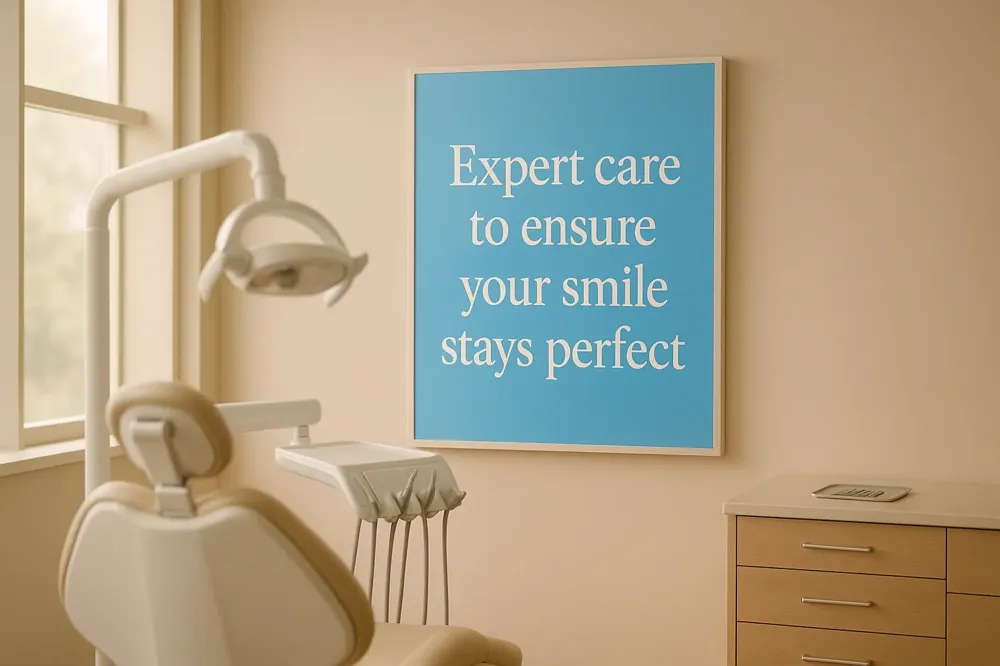
Scheduling and attending regular dental check-ups and professional cleanings
Regular dental visits are a foundational part of maintaining your cosmetic dental work. Most dentists recommend scheduling check-ups and professional cleanings every six months. These appointments allow your dental team to perform a thorough examination and provide care that goes beyond what you can achieve at home.
During these visits, hygienists use specialized, non-abrasive tools and techniques to remove tartar and plaque buildup. This professional cleaning is crucial because it safely cleans around the edges of veneers, crowns, and implants without scratching or dulling their polished surfaces. Attempting to remove hardened tartar at home is not possible and could damage your restorations.
How dentists monitor restorations during check-ups
Your dentist does much more than just clean your teeth during a routine visit. They conduct a detailed assessment of all cosmetic restorations. Using visual inspection and sometimes dental instruments, they check for early signs of chips, cracks, or wear on veneers and bonding. They also examine the margins where restorations meet the gumline for any staining, plaque accumulation, or signs of restoration issues.
A key focus is on gum health. Healthy gums are essential for the stability and appearance of cosmetic work. Your dentist will look for redness, swelling, or bleeding around restorations, which could indicate inflammation or the early stages of gum disease. Catching these issues early prevents them from escalating into problems that could compromise your dental work or natural teeth.
The specific benefits of professional cleanings for cosmetic work
Professional cleanings offer distinct advantages for preserving cosmetic dentistry. Dentists and hygienists are trained to clean restorations with techniques that protect their integrity. For example, they might use a polishing method like Guided Biofilm Therapy (GBT) for cosmetic restorations, which is non-abrasive and preserves the luster of porcelain and composite materials.
These cleanings reach areas that are difficult to access with regular brushing and flossing, particularly under dental bridges or around implant posts. Removing plaque from these spots is vital to prevent decay in the supporting natural tooth or prevent peri-implantitis with good hygiene in the gum tissue around implants. A professional cleaning also helps maintain the brightness of your smile by removing surface stains that can dull the appearance of even stain-resistant materials over time.
When to contact your dentist immediately
While routine care is planned, you must also be prepared to act on unexpected issues. You should contact your dentist immediately for certain signs to contact dentist after procedures. Severe or increasing pain, significant swelling that persists after a few days, or a fever could signal an infection. Any restoration that feels loose, comes off completely, or has a visible chip or crack requires prompt professional attention.
Do not try to re-cement a loose crown or veneer yourself with household adhesives. This can cause further damage and complicate proper repair. Keep the restoration safe and bring it to your appointment. Quick action allows your dentist to address the issue, often with a simple repair or recementation, protecting your investment and preventing more extensive dental work later.
| Professional Visit Component | Primary Action | Benefit for Cosmetic Work |
|---|---|---|
| Examination | Visual and tactile check of restorations | Early detection of chips, stains, or fit issues |
| Gum Health Assessment | Evaluation of tissue around restorations | Prevents gum disease that can undermine stability |
| Professional Cleaning | Safe tartar/plaque removal with special tools | Preserves restoration surface; prevents decay at margins |
| Personalized Advice | Review of home care routine and habits | Tailored post-procedure care plans to extend the life of your smile |
Conclusion: A Partnership for a Lasting, Confident Smile
A Shared Commitment to Your Smile
Maintaining the results of cosmetic dental work is not a solo endeavor. It is a collaborative partnership between you and your dental care team.
Your diligent daily care—through proper oral hygiene, mindful eating, and protective habits—forms the foundation for a long-lasting result.
The Power of Consistent, Small Steps
Professional treatments provide a beautiful starting point, but the longevity of that beauty depends on your consistent daily routine. These small, everyday actions protect your investment and ensure your smile stays healthy.
The Importance of Professional Guidance and Support
Your dentist and hygienist are your partners in this process. Regular check-ups and professional cleanings allow them to monitor your oral health, spot potential issues early, and provide personalized advice for your specific restorations.
Preserving Beauty and Health for the Future
This ongoing partnership is what truly preserves your smile. It is the combination of your at-home commitment and our professional oversight that ensures your smile remains as healthy as it is beautiful for years to come.
We Are Here for You
We encourage you to view our office as a resource. If you ever have questions about your specific treatment, experience unusual sensitivity, or are unsure about a product or habit, please do not hesitate to contact us. We are here to help you maintain your confident smile.
| Patient's Role | Dental Team's Role | Shared Outcome |
|---|---|---|
| Daily brushing and flossing | Routine exams and cleanings | Early detection of issues |
| Mindful diet and habits | Personalized care advice | Prevention of damage and stains |
| Using protective devices | Professional adjustments and repairs | Extended lifespan of restorations |
| Prompt reporting of concerns | Timely intervention and solutions | Sustained smile health and beauty |