Welcome to Your Veneer Aftercare Guide
Proper post‑procedure care is essential for protecting your new veneers, minimizing discomfort, and ensuring long‑term durability. Immediately after placement, numbness from local anesthesia may last several hours, so avoid chewing until full sensation returns to prevent accidental bites to the lips, tongue, or gums. Pain can be managed with ibuprofen 200 mg (three tablets) plus acetaminophen 500 mg (one tablet) every six hours as needed.
Key steps to follow after your veneer appointment include:
- Dietary precautions – Stick to soft foods for the first 24‑48 hours and avoid hard, sticky, or chewy items (e.g., ice, hard candy, caramel) to protect the bonding material.
- Gentle oral hygiene – Brush twice daily with a soft‑bristled toothbrush and non‑abrasive fluoride toothpaste, using gentle circular motions near the gum line. Floss carefully once a day; avoid aggressive flossing around the veneer margins during the first day.
- Rinse for comfort – Warm salt‑water rinses (1 tsp salt in a cup of warm water) 2‑3 times daily soothe gum soreness for the first few days.
- Pain and sensitivity management – Mild hot or cold sensitivity is normal for a few weeks; use the ibuprofen/acetaminophen regimen or a desensitizing toothpaste if needed.
- Avoid harmful habits – Do not use teeth as tools, bite nails, or chew on pens; wear a night guard if you grind teeth.
- Professional follow‑up – Schedule regular six‑month check‑ups and cleanings, and contact your dentist promptly if a veneer feels loose, chips, or causes persistent pain.
By adhering to these guidelines, you’ll help the cement set properly, reduce the risk of decay at the gum‑line edge, and keep your smile looking bright for years to come.
Immediate Post‑Procedure Care
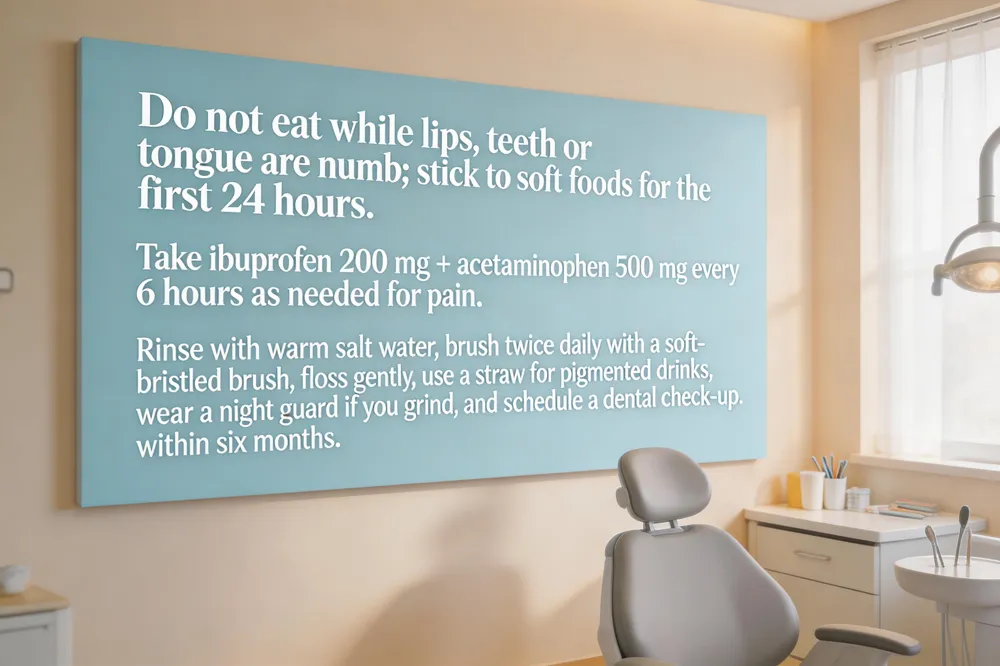 After veneer placement, lips, teeth, and tongue may be numb for several hours; avoid eating until numbness fully wears off to prevent biting the oral tissues. Begin with a soft‑food diet (yogurt, soups, scrambled eggs, smoothies) and avoid hard, crunchy or sticky foods for at least the first 24 hours to protect the temporary cement and the newly bonded tooth.
Take ibuprofen 200 mg (3 tablets) together with acetaminophen 500 mg (1 tablet) every 6 hours as needed for pain control after the anesthetic wears off.
Gum tissue around the prepared tooth can be sore for several days; rinse with warm salt water (1 tsp salt in a cup of warm water) to help soothe the area.
Maintain oral hygiene by brushing twice daily with a soft‑bristled toothbrush and non‑abrasive toothpaste, and floss carefully—use a floss threader if needed—to avoid pulling at the veneer margins. Avoid hard, chewing, sticky foods and highly pigmented drinks; use a straw and rinse with water afterward.
Finally, wear a night guard if you grind your teeth and schedule regular dental check‑ups and professional cleanings every six months to ensure the longevity of both your veneers and the underlying natural teeth.
Managing Sensitivity and Understanding Longevity
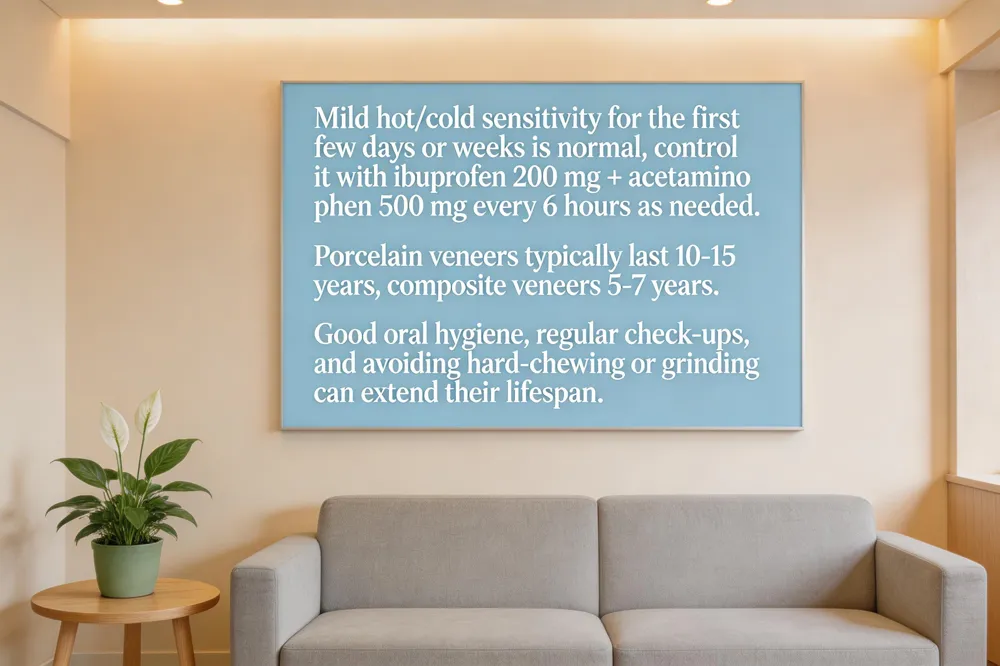 After your veneers are cemented, it’s normal to feel a mild sensitivity to hot, cold, sweet, or biting pressures for the first few days or weeks. This reaction is usually caused by the thin enamel removal during preparation and settles as the tooth settles and the bonding material fully hardens. To keep discomfort at bay, the clinic recommends a simple pain‑management regimen: take ibuprofen 200 mg (three tablets) together with acetaminophen 500 mg (one tablet) every six hours, as needed, until the numbness wears off and the sensitivity eases.
Are veneers permanent? Veneers are not a permanent restoration; they are a long‑term solution that involves irreversible enamel removal. Porcelain veneers typically last 10–15 years, while composite veneers usually last 5–7 years. Over time, chips, stains, or looseness may occur, requiring repair or replacement. Good oral hygiene, regular check‑ups, and avoiding hard‑chewing or grinding can extend their life.
How long do veneers last? Porcelain veneers are the most durable, often lasting 10–15 years (sometimes longer with excellent care). Composite veneers, being less resilient, generally last 5–7 years, though diligent brushing, flossing, and a night‑guard can push their lifespan toward ten years. The key to longevity is consistent, gentle oral‑care habits and professional monitoring.
Oral Hygiene and Cleaning Techniques
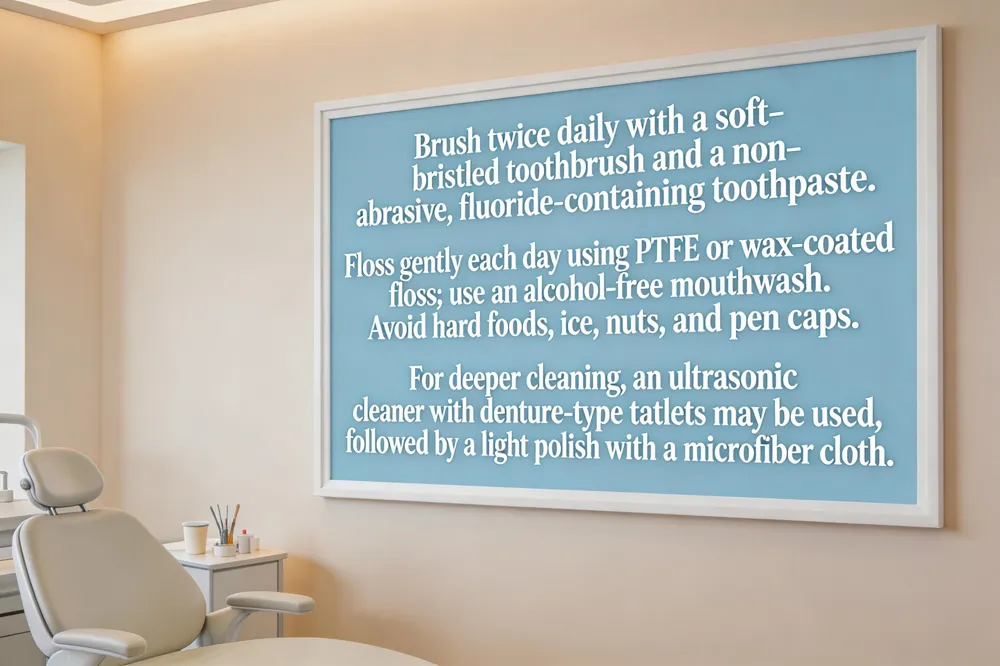 Keeping veneers sparkling and healthy starts with a gentle, consistent oral‑care routine. Veneers maintenance tips – Brush twice daily with a soft‑bristled toothbrush and a non‑abrasive, fluoride‑containing toothpaste designed for restorations. Floss gently each day using PTFE or wax‑coated floss to clean the margins without pulling the bond. An alcohol‑free mouthwash helps reduce bacteria while preserving the adhesive. Avoid hard foods, ice, nuts, pen caps, and never use teeth as tools; these can chip or crack porcelain. Limit pigmented drinks such as coffee, tea, and red wine, rinsing or brushing afterward to prevent staining. Schedule professional cleanings and check‑ups every six months. Dental veneer cleaner – Use a non‑abrasive, enamel‑safe toothpaste or a dedicated veneer cleaning solution. For deeper sanitation, an ultrasonic cleaner with denture‑type tablets can remove biofilm more effectively than brushing alone, followed by an alcohol‑free mouthwash and a light polish with a microfiber cloth. Skip whitening agents or abrasive powders. Non‑abrasive toothpaste for veneers – Choose a product labeled “non‑abrasive” or “safe for veneers,” free of baking soda, charcoal, or peroxide. Look for fluoride and gentle enzymes (e.g., papain) that lift stains without scratching the surface. Pair this toothpaste with a soft brush and circular motions for the best long‑term results.
Diet, Lifestyle, and Protective Devices
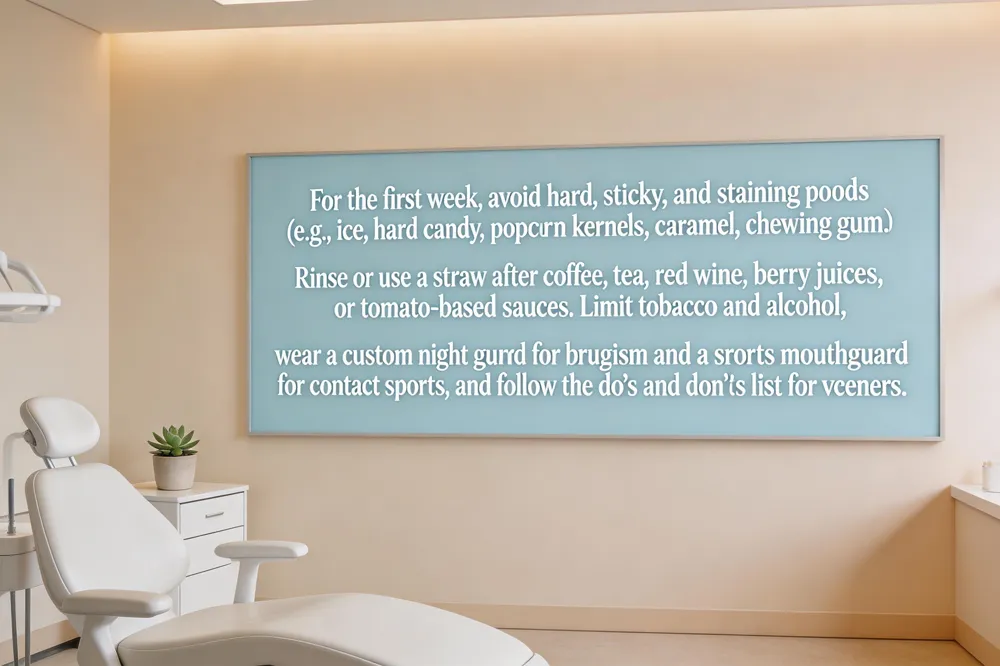 Hard, sticky, and staining food avoidance – For the first week after cementation, stay away from ice, hard candy, popcorn kernels, caramel, chewing gum, and any sticky treats that can pull a veneer loose or cause a chip. When you do enjoy coffee, tea, red wine, berry juices, or tomato‑based sauces, rinse with water or use a straw and brush gently afterward to limit surface staining.(coffee, tea, red wine, berry juices, or tomato‑based sauces)
Impact of smoking and alcohol – Tobacco and excess alcohol both stain porcelain and composite veneers and increase gum‑disease risk. If you smoke, consider quitting or at least limiting use, and avoid drinking dark beverages without rinsing soon after.
Night‑guards and sports mouthguards – Teeth grinding (bruxism) and contact‑sport impacts can crack or debond veneers. A custom‑fitted night guard protects your smile while you sleep; a sports mouthguard offers similar protection during games.
Do’s and don’ts with veneers – Brush twice daily with a soft‑bristled toothbrush and non‑abrasive fluoride toothpaste; floss gently with PTFE or waxed floss. Skip whitening toothpaste, abrasive brushes, and using teeth as tools. Schedule regular six‑month check‑ups and professional cleanings to monitor margins and keep plaque at bay.
What not to do after veneers – Do not chew hard foods, bite nails, or use your veneers to open packages. Avoid neglecting oral hygiene, skip staining habits without rinsing, and ignore grinding—wear a night guard if advised.
Composite veneers after 5 years – By the five‑year mark, composite veneers may show mild discoloration, edge rounding, or tiny chips. Maintaining meticulous oral hygiene, avoiding hard‑chewing habits, and limiting staining foods can extend their life; minor chips can be repaired with bonding, but extensive wear may require replacement.
Long‑Term Maintenance, Costs, and Frequently Asked Questions
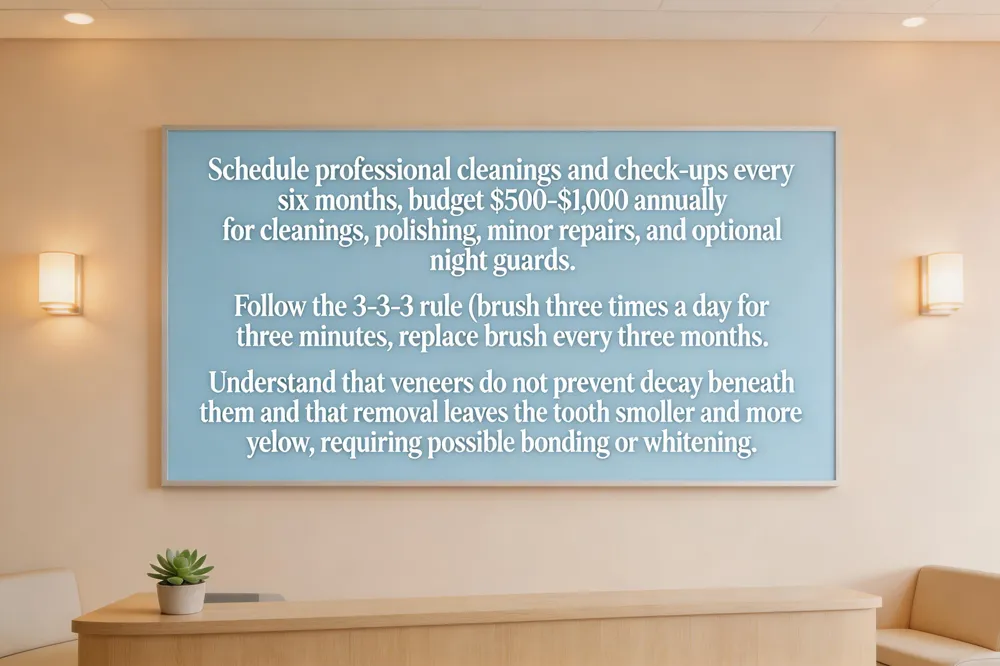 Maintaining your smile after veneers requires a disciplined oral‑care routine and regular professional visits. Schedule a dental check‑up and professional cleaning every six months; the dentist will polish the veneers, remove plaque from the margins, and check for early signs of decay or gum disease.
Cost of maintenance – Routine cleanings and polishing typically run $100‑$200 per visit, so budgeting $400‑$800 a year is realistic. Minor repairs (chips or cracks) cost $150‑$300 per tooth, and a custom night guard for grinders adds $50‑$150. Overall, plan for $500‑$1,000 annually to keep veneers looking their best.
Decay risk and the 3‑3‑3 rule – Veneers do not prevent decay beneath them. Plaque can accumulate at the edge, so brush twice a day (or three times for extra protection) for three minutes each session, replace your brush every three months, and floss gently around the margins. This “3‑3‑3” habit helps protect both the veneers and the natural tooth structure.
What happens after veneers are removed? – Once the thin enamel layer is gone, the front teeth may appear smaller, rough, or more yellow. They cannot revert to their original appearance, but composite bonding, whitening, or new restorations can improve aesthetics.
FAQs
- Do teeth decay under veneers? Yes, if plaque isn’t removed at the edges. Good hygiene and regular check‑ups prevent this.
- Veneer maintenance cost? $100‑$200 per cleaning, $150‑$300 per repair, plus optional night guard.
- What is the 3‑3‑3 rule? Brush three times a day for three minutes, replace brush every three months.
- Front teeth after veneers removed? They may look smaller and darker; corrective bonding or whitening can help.
- What I wish I knew before getting veneers? They’re permanent, require careful care, and involve multiple visits.
- Veneer cost? Porcelain $800‑$1,500 per tooth; composite $300‑$600. Full‑mouth makeovers can exceed $12,000.
Adhering to these guidelines will extend the life of your veneers and keep your smile bright for years to come.
Your Roadmap to a Bright, Healthy Smile
After your veneer treatment, the next weeks are crucial for lasting results. First, protect the new restorations by eating soft foods for the first 24‑48 hours and steering clear of hard, sticky, or chewy items that could chip or dislodge the bond. If a temporary veneer is in place, avoid flossing around it and brush gently with a soft‑bristled brush; once the permanent veneer is cemented, resume normal brushing but skip flossing and rotary brushes on the day of cementation to let the adhesive set properly. Manage any numbness or mild sensitivity with the recommended ibuprofen 200 mg + acetaminophen 500 mg regimen every six hours, and soothe sore gums with warm salt‑water rinses (1 tsp salt in a cup of warm water) several times a day.
Oral hygiene remains the cornerstone of veneer longevity: brush twice daily using a non‑abrasive, fluoride toothpaste and a soft brush, floss gently each day, and consider an alcohol‑free mouthwash to keep plaque at bay without weakening the bonding material. Avoid at‑home whitening kits and limit staining foods and drinks—coffee, tea, red wine, berries, and acidic juices—rinsing or brushing shortly afterward. If you grind or clench, a custom night guard will protect both the veneers and your natural teeth. Schedule regular dental check‑ups every six months for professional cleanings and early detection of any decay or margin issues.
Staying proactive—following these simple habits and contacting your dentist promptly if you notice chips, loosening, persistent pain, or unusual sensitivity—will keep your smile bright, healthy, and beautiful for years to come.