Introduction to Cosmetic Dentistry and Community Care
Overview of cosmetic dentistry
Cosmetic dentistry focuses on enhancing the appearance of your smile by addressing concerns like discoloration, chips, gaps, or misalignment. Common treatments include teeth whitening, dental bonding, veneers, and contouring of teeth and gums. These procedures improve balance, symmetry, and overall smile aesthetics.
Community-oriented dental services
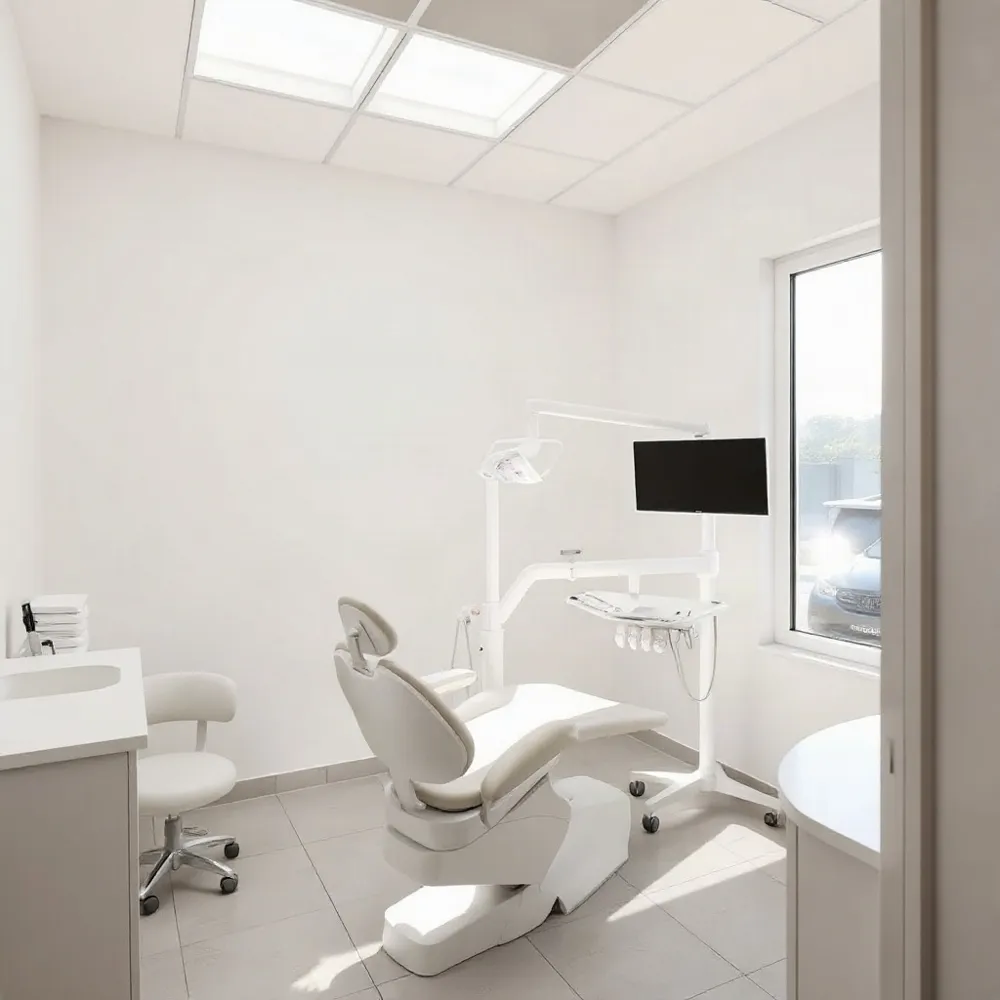
Many dental practices, such as those in Shreveport and Spring, emphasize accessible cosmetic dentistry with advanced technologies and various payment options. Local clinics often provide patient-centered care tailored to individual needs, offering comprehensive exams and personalized treatment plans.
Patient-focused dental care
Patient comfort, education, and ongoing support are priorities in cosmetic dentistry. Dentists guide patients through treatment options, recovery expectations, and maintenance tips, aiming to boost confidence and promote long-term oral health alongside aesthetic improvements.
Common Cosmetic Dentistry Procedures and Their Benefits

Teeth Whitening
Teeth whitening is one of the most popular cosmetic dental procedures. It uses bleaching agents to safely lighten teeth, effectively removing stains caused by age, food, drinks, and smoking. Professional teeth whitening treatments can be done in-office teeth whitening or at-home teeth whitening and usually last between six months to three years. This procedure provides a noticeable improvement in smile brightness, boosting confidence.
Dental Bonding
Dental bonding uses tooth-colored resin to repair small cracks, chips, or discolorations. The resin is applied and then hardened with a special light, allowing immediate return to normal activities. Bonding helps change tooth shape and conceal imperfections, lasting approximately five to eight years. It is a minimally invasive option that can improve the appearance quickly and affordably.
Porcelain Veneers
Porcelain veneers are veneers custom-made shells bonded to the front surfaces of teeth. They conceal various issues like chips, cracks, discoloration, gaps, and mild misalignment, creating a natural and attractive smile. Veneers usually last between five to fifteen years with proper care. They offer an excellent long-term solution for enhancing smile aesthetics.
Tooth and Gum Contouring
Tooth contouring reshapes tooth enamel by removing small amounts to improve shape and alignment. Gum contouring involves surgically removing excess gum tissue for a balanced gum line. Both procedures are considered permanent, enhancing smile symmetry and overall appearance. Recovery from tooth contouring is rapid, while gum contouring may need a few days for healing.
Dental Crowns and Implants
Dental crowns restore damaged or weakened teeth by covering them with a protective cap, improving shape, strength, and appearance. Crowns typically last around fifteen years with good care. Dental implants replace missing teeth by surgically inserting titanium posts into the jawbone, topped with crowns. Implants preserve bone health and provide a natural look and function lasting many years.
Maintaining excellent oral hygiene and regular dental visits are essential to prolong the results of these cosmetic dentistry treatments. Though cosmetic procedures may not be covered by insurance and cosmetic dentistry and can involve costs, they often provide lasting benefits that improve both aesthetics and oral health.
Longevity, Maintenance, and Recovery of Cosmetic Treatments
How long do the results of different cosmetic dentistry procedures last?
The durability of cosmetic treatments varies by procedure. Teeth whitening results typically last between six months and three years, requiring touch-ups to maintain brightness. Dental bonding usually lasts five to eight years before needing repair or replacement. Porcelain veneers offer longer-lasting effects, often remaining effective for five to fifteen years. Tooth and gum contouring are considered permanent procedures, delivering lifelong results.
What is the typical recovery time for these cosmetic treatments?
Recovery time depends on the specific procedure. Less invasive treatments like dental bonding allow patients to resume normal activities immediately. Conversely, surgical procedures such as gum contouring generally require a brief recovery period of a couple of days at home to ensure proper healing.
What maintenance or replacement might be necessary?
Cosmetic dental procedures may require ongoing care. Teeth whitening often needs periodic touch-ups to sustain improved color. Dental bonding can degrade or chip over time, necessitating repairs or replacement. Veneers, while durable, can also wear down or become damaged, prompting eventual replacement. Maintaining follow-up visits with your dentist supports the longevity of these treatments.
Why is good oral hygiene important after cosmetic dental work?
Preserving your new smile depends heavily on excellent oral hygiene. Regular brushing, flossing, and dental visits prevent staining, decay, and gum disease, which can compromise cosmetic results. Avoiding habits that discolor teeth, such as smoking and consuming colored beverages, also helps extend the lifespan of whitening and veneers.
Taking care of cosmetic dental work ensures lasting beauty and function, allowing you to enjoy a confident, radiant smile for years to come.
Factors to Consider Before Choosing Cosmetic Dentistry
Cost and insurance coverage
Cosmetic dentistry procedures are generally elective and often not covered by dental insurance plans. Patients should be prepared for out-of-pocket expenses, which can vary depending on the treatment type and complexity. Some practices offer financing options to assist with costs. Understanding potential maintenance or replacement costs over time is also important, as certain treatments like veneers or dental bonding may require upkeep.
Suitability and dental health prerequisites
A thorough dental examination is essential before pursuing cosmetic dental procedures. Healthy teeth and gums are a prerequisite; underlying issues such as cavities or gum disease need to be addressed first to ensure optimal and lasting results. Not all common indications for cosmetic dentistry suit every patient, so individual dental conditions and goals should be carefully evaluated.
Consultations and personalized treatment plans
Consulting with a qualified cosmetic dentist ensures that treatment plans are tailored to individual needs and cosmetic goals. Dentists can recommend the most appropriate procedures—like professional teeth whitening treatments, porcelain veneers, dental bonding, or dental implants—based on the patient's oral health and desired outcomes. These discussions also cover expected recovery times for cosmetic procedures, procedure longevity, and maintenance requirements.
Impact on self-confidence and oral health
Cosmetic dentistry not only enhances smile aesthetics but often boosts self-confidence and promotes better oral hygiene. Many patients find that improved appearance motivates them to maintain their dental health more diligently. Additionally, some cosmetic procedures can improve function, such as dental crowns or dental implants restoring damaged or missing teeth, which contributes positively to overall oral wellness.
How Community-Oriented Dental Clinics Support Cosmetic and Comprehensive Care
What comprehensive dental services are typically offered by community-oriented dental clinics?
Community-oriented dental clinics provide a broad range of services suitable for diverse patient needs. These services cover preventive care like cleanings, exams, and sealants, designed to maintain oral health and prevent disease. They also offer restorative therapies such as fillings, crowns, and root canals to restore teeth affected by decay or injury. Many community clinics further enhance smiles through cosmetic dental procedures including teeth whitening and veneers. Pediatric dentistry is a cornerstone, offering child-friendly care that encourages lifelong healthy habits. Specialized services such as orthodontics or periodontal treatments may also be available, ensuring comprehensive and well-rounded dental care.
How do dental clinics ensure comfort and professional care for patients of all ages?
To ensure comfort and a positive experience for patients from children to seniors, dental clinics create a welcoming atmosphere that helps ease anxiety. They employ advanced pain management techniques, including local anesthesia and sedation when needed, to minimize discomfort. Staff are trained in compassionate, patient-focused care tailored to the unique needs and concerns of each age group. Treatments are individualized based on dental health status and age, ensuring safe and effective care. Strict hygiene protocols and clear communication help build trust and keep patients informed throughout their treatment.
What are the benefits of choosing a community-oriented dental clinic?
Selecting a community-oriented dental clinic offers many advantages. These clinics often cultivate close relationships with local residents, leading to personalized care that aligns with community needs. They emphasize preventive care and education to help patients maintain better oral health and prevent future issues. Their warm and comfortable environment helps patients feel relaxed and valued. Ultimately, such clinics provide accessible, compassionate dental services that improve oral health outcomes for the whole community, supporting both functional and aesthetic dental needs.
The Patient Journey: What to Expect from Consultation to Aftercare

Initial Dental Examination and Radiographs
Your cosmetic dentistry journey begins with a thorough dental examination and radiographs. This step helps your dentist assess your oral health comprehensively and identify any underlying issues that need attention before cosmetic dental procedures. Understanding your dental condition ensures a safe and effective approach tailored just for you.
Designing Treatment Plans Tailored to Individual Goals
Following your examination, your dentist collaborates with you to design a personalized treatment plan. Whether you desire whiter teeth, reshaped contours, or repaired chips, the plan reflects your unique aesthetic goals and dental needs. This personalized approach ensures that your smile enhancement aligns perfectly with your vision and oral health through personalized treatment plans in cosmetic dentistry.
Single-Visit vs. Multiple-Appointment Procedures
Cosmetic procedures vary in complexity and duration. Simple treatments like dental bonding or professional teeth whitening treatments often can be completed in a single visit, providing immediate results. On the other hand, options such as porcelain veneers, dental implants, or Invisalign may require multiple appointments to ensure precision and allow for healing between stages.
Importance of Follow-Up and Ongoing Care
After your cosmetic dental procedure recovery, follow-up visits play a vital role in monitoring healing and ensuring the longevity of your new smile. Maintaining good oral hygiene and routine dental check-ups helps preserve results, whether it's touching up teeth whitening every few months or checking the condition of veneers and bonding. Your dentist will guide you on the best aftercare practices for lasting benefits.
Making an Informed Decision About Cosmetic Dentistry
Understanding Cosmetic Dentistry Options
Cosmetic dentistry includes a variety of procedures designed to enhance the appearance of your smile, such as teeth whitening, dental bonding, veneers, and gum contouring. These treatments can address issues like discoloration, chips, cracks, gaps, and misalignment. Recovery times vary by procedure, with some like bonding allowing immediate return to routine, while others like gum contouring may require a few days of healing.
Consulting Trusted Dental Professionals
Before proceeding with any cosmetic treatment, it's important to consult with a trusted dental professional. They can evaluate your oral health, discuss your cosmetic goals, and develop a personalized treatment plan. This approach ensures that cosmetic enhancements not only improve appearance but also maintain or enhance oral health.
Benefits Beyond Appearance
Cosmetic dentistry can significantly boost self-confidence by providing a bright, balanced smile. Beyond aesthetics, many procedures support better oral hygiene and function, such as dental implants restoring missing teeth or Invisalign straightening crooked teeth subtly. While cosmetic dentistry often involves an investment, maintaining good oral hygiene and regular dental visits help preserve results for many years.