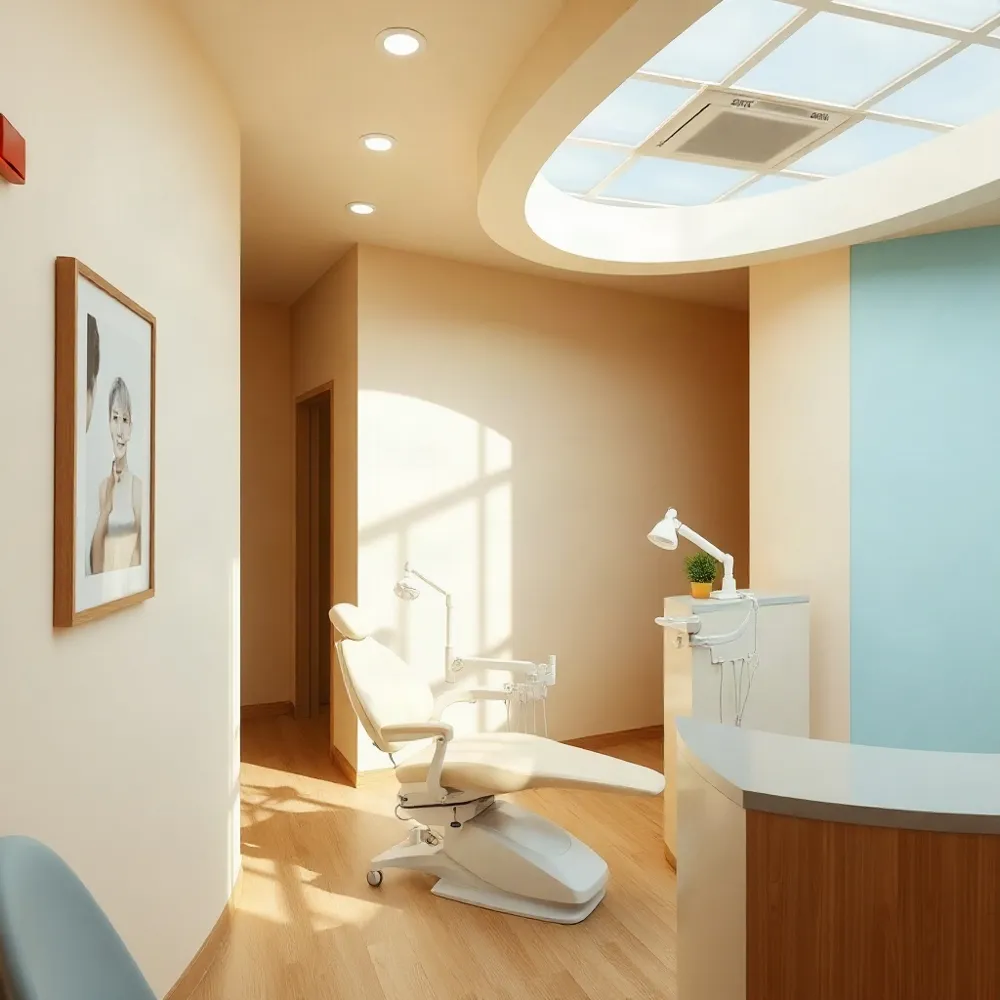
Why Comfort Matters in Children’s Dental Visits
Importance of Reducing Dental Anxiety in Children
Children often experience anxiety during dental visits due to unfamiliar sounds, tools, and environments. This discomfort can lead to fear that affects future dental care and oral health. Reducing dental anxiety early on helps children feel safe and cooperative during appointments.
Benefits of Positive Early Dental Experiences
Starting dental visits by the first birthday or as soon as the first tooth appears fosters familiarity and trust. Positive early experiences build confidence, reduce fear, and encourage lifelong healthy habits. Simple strategies like role-playing, reading storybooks, and praise after visits turn appointments into positive events.
Role of Family Dental Clinics in Fostering Comfort
Family dental clinics, like those in Shreveport, provide welcoming, gentle environments tailored to kids. Trained staff use calming techniques, child-friendly decor, and allow comfort items to ease fears. These clinics focus on making dental care approachable, building trust that lasts a lifetime.
Preparing Your Child for a Positive Dental Visit
How can parents help calm and prepare a child for a dental visit?
[Introducing children to the dentist early] is essential for building comfort and familiarity with the environment. Experts recommend scheduling the first appointment by the child's first birthday or shortly after their first tooth appears. This early exposure reduces the fear of the unknown and sets a foundation for [Building Lifelong Positive Dental Habits].
Parents play a crucial role in calming and preparing their children for these visits. Maintaining a [Calm Parental Demeanor During Dental Visits] can significantly ease the child's anxiety, as children often mirror their parents' emotions. Scheduling appointments when the child is well-rested, such as in the morning, helps ensure they are more relaxed and cooperative.
Using [Using Children's Books to Normalize Dental Visits and Role-Playing Dental Visits at Home](https://www.smilesbychoice.com/tips-to-help-your-child-feel-comfortable-at-dentist/) demystifies the process and allows children to feel more in control. Parents should use simple, positive language and avoid terms that might induce fear, like 'pain' or 'needle.' Explaining procedures in an age-appropriate way helps children understand what to expect.
Bringing [Comfort Items for Children at the Dentist] such as favorite stuffed animals, blankets, or headphones provides emotional security during the visit. Distraction Techniques During Dental Visits] like listening to music or watching videos can also help reduce nervousness during treatments.
Creating a [Make Dental Visits Fun for Kids], fun environment with positive reinforcement, like praise or small rewards after a successful visit encourages children to view dental care as a normal, non-threatening routine. Together, these strategies make dental visits a more enjoyable and stress-free experience for children and parents alike.
The Role of Family Dental Clinics in Supporting Children's Comfort
What dental services are commonly offered in family dental clinics?
Family dental clinics provide a broad range of dental services to meet the needs of patients of all ages. These services include preventive care such as routine check-ups, cleanings, fluoride treatments, and digital X-rays, helping catch issues early and keep children's teeth healthy.
Restorative treatments like fillings, crowns, root canals, and dental implants repair damaged teeth and restore proper function. Clinics also offer emergency dental care for urgent issues like toothaches or broken teeth, ensuring timely relief and comfort.
Gentle, compassionate treatment approaches are prioritized, especially with pediatric patients, to make visits less intimidating and encourage lifelong oral health habits.
Does family dental care typically accept Medicaid, and how does that benefit families?
Many family dental clinics, including those in communities like Shreveport, Louisiana, accept Medicaid benefits, which greatly enhances access to quality dental care for families.
Medicaid acceptance removes financial barriers, allowing children to receive early and consistent dental care—vital for preventing decay and other oral health issues. Family clinics often have specialized pediatric care, kid-friendly decor, and calming techniques such as sedation dentistry to ease anxious children during treatments.
This combination of accessibility and child-focused care promotes positive dental experiences and healthier smiles.
What are some advantages of choosing family dental care in terms of affordability?
Family dental care can be more affordable by simplifying treatment planning and consolidating appointments for all family members, reducing time and administrative costs.
Many clinics offer family discounts or bundled services, making oral healthcare more budget-friendly. The use of modern dental technology, like same-day crowns and digital X-rays, enhances treatment efficiency and patient comfort, reducing repeat visits.
A welcoming, family-friendly environment with compassionate staff helps lower dental anxiety, especially for children, leading to smoother, less stressful appointments.
By choosing a community-oriented family dental clinic, families can enjoy comprehensive, affordable care that nurtures healthy smiles for everyone.
Techniques Dentists Use to Ease Children's Dental Anxiety
How Do Child-Friendly Office Environments Help?
Dentists create vibrant, colorful offices decorated with toys and interactive elements to make the dental setting inviting. These spaces reduce fear by turning the visit into a fun experience rather than something intimidating. See more on Creating a Welcoming Dental Environment for Kids and Child-friendly dental offices.
Why Is Gentle Communication Important?
Dental teams use simple, age-appropriate language and avoid scary words like "pain" or "needle." Explaining procedures in a friendly way helps children understand what to expect, making visits less frightening. Learn about Using Friendly Language in Pediatric Dentistry and Effective Communication with Children About Dental Care.
What Role Do Distraction Techniques Play During Procedures?
Techniques such as ceiling-mounted TVs, music, or fidget toys divert a child’s attention from dental work, helping reduce nervousness and make appointments smoother. More about Distraction Techniques During Dental Appointments and Using Distraction Techniques in Dental Care.
How Does Gradual Exposure Build Trust?
Dentists often introduce children slowly to dental visits through short, non-invasive appointments. This approach familiarizes children with the environment and equipment, easing anxiety and building confidence over time. Find out about Trust-Building and Desensitization Techniques and Gradual Exposure for Anxious Children.
When Are Sedation and Nitrous Oxide Used?
For highly anxious or special needs children, sedation options like nitrous oxide (laughing gas) may be offered. This safe, calming method helps children relax during more complex procedures when other comfort techniques are not enough. Learn about Nitrous Oxide Use in Pediatric Dentistry and Sedation Dentistry as a Last Resort.
Why Is Parental Presence and Calmness Vital?
Having a parent nearby provides reassurance and emotional security. Parents who remain calm and positive help reduce their child’s fears by modeling a relaxed attitude, supporting a comfortable dental experience. Read about Parental Presence for Child Comfort at the Dentist and Supporting Your Child During Dental Visits.
Building Lifelong Positive Dental Habits Through Early Familiarity

Why Does the American Academy of Pediatric Dentistry Recommend Early Visits?
The American Academy of Pediatric Dentistry recommendations advise scheduling a child's first dental visit by their first birthday or within six months of their first tooth erupting. Early visits help children become familiar with the dental environment, easing fears and preventing anxiety before it develops.
How Does Routine Dental Care Help Reduce Anxiety?
Making dental visits a predictable and regular routine promotes safety and confidence in children. When dental care is expected and familiar, children are less likely to feel stressed or scared during appointments, which aligns with Making Dental Visits a Regular Routine for Kids and Importance of Regular Dental Visits for Children.
What Are the Long-Term Benefits of Positive Early Dental Experiences?
Positive dental experiences at a young age set the foundation for good oral health habits throughout life. Children who feel comfortable and secure during dental visits tend to maintain regular dental checkups and have fewer dental issues as adults, as highlighted in Building Lifelong Positive Dental Habits and Positive Early Dental Experiences.
Why Is Language Important When Talking to Children About Dental Visits?
Using gentle, positive language and avoiding terms like "pain" or "needle" helps reduce fear. Emphasizing the benefits of healthy teeth, such as smiling confidently and enjoying food, allows children to appreciate why dental care is important. This is supported by Using Friendly Language in Pediatric Dentistry and Positive communication about dental visits.
How Can Positive Reinforcement and Celebrating Milestones Help?
Praising children for bravery and celebrating milestones—like losing a first tooth or a clean checkup—encourages a positive attitude toward dental visits. Rewards such as stickers or small treats reinforce cooperative behavior, as described in Positive Reinforcement After Dental Appointments and Rewarding Children After Dental Visits.
What Role Do Parents Play in Shaping Children's Views on Dental Care?
Parents’ calm and positive attitude greatly influences their child's dental experience. Children often mirror their parents' feelings, so maintaining a relaxed and reassuring presence helps children approach dental visits with confidence and trust. This is emphasized in Parents staying calm during dental visits, Parental presence during dental visits, and The Role of Parental Attitude in Children's Dental Experiences.
Optimizing Practice Efficiency with the 80/20 Rule in Dentistry
What is the 80/20 rule in dentistry and how can it improve dental practice efficiency?
The 80/20 rule, also known as the Pareto Principle, suggests that approximately 80% of outcomes result from 20% of efforts. In dental practice, this means that focusing on the most effective procedures, patient care routines, and operational activities can lead to significant improvements in practice efficiency and patient outcomes.
Understanding the 80/20 rule in dental clinic operations
Dentists and their teams can identify the crucial tasks that lead to the majority of positive results—for example, preventive care, patient communication, and streamlined scheduling. By prioritizing these high-impact activities, clinics can reduce wasted time and resources.
Focusing efforts on high-impact activities for better outcomes
Emphasizing early preventive visits and communication, and Helping Your Child Feel Comfortable at the Dentist can improve treatment outcomes and reduce appointment cancellations or no-shows, which greatly enhances clinic productivity.
How efficient management benefits patient experience and reduces anxiety
An efficient, well-organized practice minimizes patient waiting times and creates a calm environment. This atmosphere is particularly important for children, helping reduce their anxiety during dental visits by making the experience smooth and predictable. See strategies for Supporting your child during dental visits and Make dental visits fun for kids.
Relation to managing children’s dental visits smoothly
Applying the 80/20 rule allows practices to invest more energy into creating Creating a child-friendly dental environment and preparing personalized care plans. These efforts build trust, reduce fear, and encourage regular dental visits from a young age, fostering Building Lifelong Positive Dental Habits.
| Aspect | Focus Area | Benefit |
|---|---|---|
| Practice Efficiency | High-impact activities | Improved outcomes and time management (Proven Strategies for Pediatric Dental Care) |
| Patient Experience | Reduced wait times | Lower anxiety and enhanced comfort (Supporting your child during dental visits) |
| Pediatric Care | Child-friendly approach | Builds early trust and reduces fear (Creating a child-friendly dental environment) |
| Preventive Focus | Early visits and communication | Fewer invasive treatments (Early Positive Dental Experiences for Kids) |
Fostering Comfort and Confidence for Healthy Smiles
Helping children feel comfortable at the dentist involves several thoughtful strategies.
Creating a welcoming environment with friendly staff and child-friendly amenities can ease anxiety. Preparing children through role-playing, children's books, and positive language helps demystify visits and reduce fear. Allowing comfort items like stuffed animals and using distraction methods such as music make appointments less intimidating. Most importantly, parents’ calm and encouraging attitude positively impacts their child’s emotional state.
Choosing a family-friendly dental practice—with pediatric-trained dentists, colorful decor, and gentle care—supports a positive and relaxed experience. Early, regular visits build trust and familiarity, fostering lifelong good oral hygiene habits. These early positive dental experiences help children view dental care as a normal, non-threatening part of life, leading to healthier smiles and reduced anxiety throughout adulthood.