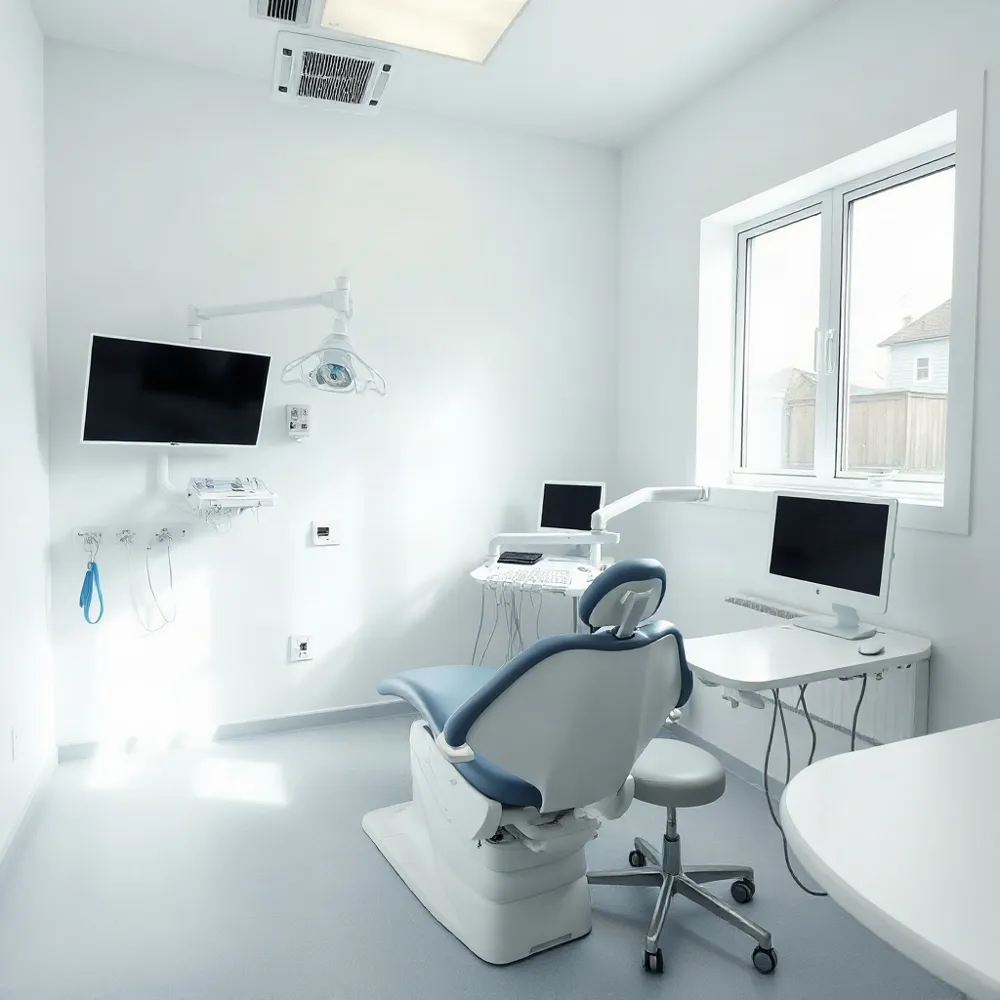
A Compassionate Guide to Your Dental Care Experience
What is the Dental Patient Journey?
Imagine planning a trip. You research destinations, book a journey, and anticipate the experience. Your path to a healthy smile is similar. The dental patient journey describes the complete process, from your first moment of consideration through long-term care. It includes every interaction you have with a dental practice, both online and offline.
This journey is rarely a straight line. It’s a multi-stage process shaped by your needs, research, and emotions. Understanding this map helps practices create smoother, more supportive experiences that reduce anxiety and build lasting trust.
The Stages of Your Journey
Your journey typically unfolds through several key phases:
- Awareness and Research: It starts when you recognize a need, perhaps a toothache or a desire for a brighter smile. You begin searching online for symptoms, treatments, or local dentists.
- Consideration and Evaluation: You explore solutions and narrow down providers. You look at practice websites, read reviews, and assess credibility to find a good fit.
- Conversion and Booking: You make first contact, either by calling or using an online booking system. A smooth, quick response here is crucial.
- The Practice Visit: This is the core experience, from the welcoming reception to the consultation and any treatment. Trust is built through clear communication and a calming environment.
- Aftercare and Retention: After your visit, follow-up care, reminders for future appointments, and ongoing communication keep your oral health on track and strengthen your relationship with the practice.
Loud Family Dental: A Community-Oriented Philosophy
For over 35 years, Loud Family Dental in Shreveport, Louisiana, has been built on a simple, powerful idea: providing personalized, comprehensive care for the entire family. Founded in 1984, the practice is led by Dr. Rodrick Loud, who continues the legacy of community-focused service started by his father.
The clinic’s mission, “Illuminating Smiles, Illuminating Lives,” reflects a commitment to more than just procedures. They aim to be a dental home where patients of all ages feel understood and valued. Serving Shreveport, Bossier, and surrounding areas, they emphasize building long-term relationships and understanding each family’s unique history and needs.
Why the Full Experience Matters
A positive dental journey impacts more than just your teeth. It influences your overall perception of care and your willingness to maintain regular visits. When a practice invests in every touchpoint—from a user-friendly website and easy scheduling to a comforting office atmosphere and thoughtful follow-up—it shows a deep respect for the patient.
This holistic approach leads to stronger trust, higher patient satisfaction, and better long-term oral health outcomes. It transforms dental care from a task to be endured into a supportive partnership for your wellbeing.
| Stage of Journey | Patient Activities | Practice Actions | Key Goal for Patient |
|---|---|---|---|
| Awareness & Research | Search symptoms online, explore treatment options. | Provide educational content, optimize online profiles. | Feel informed and find relevant help. |
| Consideration | Read reviews, compare services, assess practice credibility. | Showcase services clearly, display patient testimonials. | Gain confidence in choosing the practice. |
| Appointment Booking | Call or book an appointment online. | Offer easy scheduling, respond quickly and warmly. | Schedule visit with minimal friction. |
| Practice Visit | Arrive, complete forms, undergo consultation/treatment. | Create welcoming environment, communicate clearly, build rapport. | Feel comfortable, heard, and well-cared for. |
| Aftercare & Follow-up | Receive reminders, follow post-op instructions, schedule next visit. | Send check-ins, provide educational tips, manage recall. | Maintain oral health and feel valued long-term. |
Phase 1: Discovery & First Contact – Your Journey Begins Online and Over the Phone
What is the patient journey in a healthcare or dental care setting?
In a healthcare or dental care setting, the patient journey is the complete end-to-end experience a person has, from first awareness and scheduling through treatment and into aftercare. For a dental patient at a clinic like Loud Family Dental, this journey begins with the initial contact, whether online or by phone, to book an appointment. It continues through the in-office experience, including check-in, the consultation or procedure, and the discussion of treatment plans. The journey extends beyond the chairside visit to include follow-up communications, at-home care instructions, and scheduling future check-ups. Ultimately, it encompasses every touchpoint that shapes the patient’s perception, comfort, and long-term oral health outcome.
The importance of first digital impressions via website, Google Business Profile, and social media
Your journey to a dental office typically begins long before you walk through the door. It starts with an online search or a scroll through social media. Most patients will first encounter a practice through its digital storefront.
A complete and professional Google My Business for dentists profile is often the first point of contact. This listing should display accurate hours, the correct address with a Google Maps pin, high-quality photos of the clinic, and positive patient reviews. Practices with ten or more recent five-star reviews tend to rank higher in local search results and convert more potential patients.
A fast, mobile-friendly website is equally crucial. It should load quickly, present services clearly, and feature testimonials and team photos. This digital presence helps build initial trust and authority, reassuring patients they are considering a reputable provider.
How potential patients research symptoms, solutions, and providers (Awareness, Consideration, Evaluation stages)
The modern patient’s research process is often non-linear and unfolds in distinct psychological stages of the patient journey in dentistry. It begins with Awareness, where someone recognizes a dental need. They might search for symptoms like “why does my tooth hurt?” or explore general treatments like “what is a dental implant?”
Next comes the Consideration stage. Here, the search becomes solution-oriented. Patients compare options with queries like “best treatment for gum recession” or “Invisalign vs. braces.” They look for clear, educational content on practice websites that explains procedures without heavy sales language.
Finally, they enter the Evaluation stage to narrow their choices. They assess a practice’s credibility by reading reviews, examining before-and-after photos, and judging the clarity of information. Content that is informative and uses approachable language performs best here, reducing a patient’s uncertainty and reducing uncertainty for dental patients.
The crucial role of the initial phone call and online booking in converting interest into an appointment
The moment a potential patient decides to reach out is critical. An inquiry can be lost if the process feels difficult. The initial phone call requires undivided attention from a friendly, trained front desk team. They should answer with a smile, ask open-ended questions, and collect necessary information without offering diagnoses.
Equally important is offering a frictionless online booking system. Real-time scheduling allows patients to book appointments anytime, which can increase booked appointments and reduce no-shows. The goal is to schedule the first visit within seven days of the inquiry, often followed by an immediate confirmation email with new patient paperwork.
Loud Family Dental’s presence and approach to making first contact easy and welcoming
Loud Family Dental, serving Shreveport and surrounding communities, exemplifies a community-oriented approach to the first phase of the patient journey. Their online presence, including their website and social media profiles, provides clear information on comprehensive family dentistry services.
The practice offers same-day appointments and accepts most major insurance plans, removing common initial barriers. The availability of Spanish-speaking staff further enhances accessibility for the local community. By maintaining an updated Google Business Profile with a 4.4-star rating from numerous reviews, they build digital trust that encourages patients to take the next step from online research to making that first contact.
| Patient Journey Stage | Typical Patient Action | Key Practice Strategy | Desired Outcome |
|---|---|---|---|
| Awareness | Searches for symptoms or general dental information online. | Publishes educational dental blogs and guides and maintains strong SEO. | Patient becomes aware of the practice as a knowledgeable resource. |
| Consideration | Researches specific treatments and compares providers. | Features clear dental treatment subpages for consideration with before-and-after photos. | Patient shortlists the practice as a potential solution. |
| Evaluation | Reads reviews and assesses practice credibility. | Showcases positive patient testimonials and team bios. | Patient decides to contact the practice. |
| First Contact | Calls the office or uses online booking. | Trains front desk for warm calls and offers real-time online scheduling. | Inquiry is successfully converted into a booked appointment. |
Phase 2: Welcoming Arrival & Pre-Visit Preparation
The Significance of the Waiting Area
The first physical impression of a dental clinic's environment is crucial. For many patients, especially those with anxiety, the waiting area sets the emotional tone for their entire visit. A welcoming and calming space directly counters the common perception of dental offices as anxiety-provoking and unfriendly. Key elements include a tidy layout, calming colors, and soft lighting.
Functionally, the waiting area is more than just a holding space; it's an opportunity to begin reducing patient stress. Amenities like a beverage station, a kids' corner, and access to nature views or art can serve as positive distractions. Design considerations such as sound-absorbing ceilings, carpeting, and comfortable seating help manage the clinic's soundscape, creating a more serene atmosphere from the moment a patient walks in.
The Role of Ambiance and Sound
Sound management is a vital component of the waiting area's ambiance. Unwanted noise can heighten anxiety, while carefully chosen sounds can soothe. Playing gentle background music or calming television channels is a common practice to mask external sounds and create a pleasant auditory environment. This approach aligns with research showing that music can influence mood, reduce arousal levels, and distract from unpleasant thoughts.
For the clinic's operational efficiency, keeping ringtones low and managing internal noise from equipment or conversations prevents the waiting area from becoming a source of stress. This thoughtful control of the sound environment demonstrates care for patient comfort and contributes to a more professional and patient-centered impression.
Team Preparation Through the Morning Huddle
Before a patient arrives, personalized preparation happens behind the scenes. The Morning Huddle is a critical team meeting where the day's appointments are reviewed. For new and returning patients, the team discusses specific details to guide personalized interactions. This may include noting name pronunciations, understanding reported pain levels, or flagging important medical concerns like latex allergies.
This preparation ensures every team member is informed, preventing accidents and making the patient feel recognized and valued from their first interaction. It transforms the visit from a generic appointment into a tailored experience, directly addressing individual needs and building a foundation of trust.
Streamlining the Check-In Process
A major friction point in the patient journey is a lengthy or confusing check-in. Streamlining this process is essential for reducing wait times and enhancing patient comfort. One highly effective method is encouraging patients to download and complete their medical history and registration forms from the practice's website before their appointment.
Having forms pre-completed allows the front desk to verify information quickly, eliminating the need for patients to repeat their details. This efficient approach respects the patient's time, reduces administrative burdens on staff, and allows the clinical team to access necessary information immediately. It turns a potentially stressful waiting period into a smooth, brief transition into care.
| Design Element | Primary Function | Patient Benefit |
|---|---|---|
| Calming Colors & Lighting | Creates visual serenity | Reduces initial anxiety and promotes relaxation |
| Sound-Absorbing Materials | Minimizes echo and equipment noise | Creates a quieter, less stressful environment |
| Comfortable Seating & Layout | Provides physical comfort and clear pathways | Enhances sense of welcome and reduces crowding stress |
| Amenities (e.g., drinks, kids' area) | Offers positive distraction | Occupies waiting time pleasantly, caters to families |
| Pre-Visit Form Completion | Digitizes administrative intake | Dramatically reduces front-desk wait times and hassle |
Phase 3: Building Rapport, Examination & Treatment Planning
Building Trust Before Clinical Discussion
At Loud Family Dental, your appointment begins with genuine conversation, not a clinical procedure. The team focuses on understanding patient goals and listening to your experiences. This initial dialogue builds rapport with patients, creating a safe space for you to share your concerns, which is especially important for those who are anxious or returning after many years, including patients with dental anxiety and noise sensitivity or dental phobia. Building this relationship in dental practice is a foundational skill that makes the rest of the patient journey more collaborative and less stressful.
A Comprehensive and Gentle Examination
A thorough dental examination is the cornerstone of a new patient first dental visit or a checkup after a long absence. The process involves several key steps to assess your complete oral health, forming part of a 90-minute cleaning appointment for a detailed assessment:
- Health History Update: Reviewing your medical and dental background to ensure safe, personalized patient interactions.
- Digital Imaging: Taking necessary digital X-rays for a complete picture of bone health and any hidden issues.
- Visual and Tactile Exam: The dentist and hygienist will gently check your teeth, gums, and other oral tissues for signs of decay, gum disease, oral cancer, and other conditions, conducting a thorough oral exam.
This exam is conducted with patience and care, prioritizing your comfort every step of the way.
Using Visual Aids and Technology to Explain Findings
Clear communication and transparent communication during exams are essential for patient understanding. Practices leverage modern technology like intraoral cameras and 3D scans (such as an iTero scanner) to demystify dental health. These visual aids during dental consultations help explain findings in a way that is easy to grasp, improving understanding of treatments and transforming complex information into a clear visual story, which is key to improving treatment plan acceptance.
A Value-Based Approach to Treatment Planning
Presenting a treatment plan is about collaboration. The focus is on providing patient-centered solutions that align with your personal goals. The team explains options using plain language, avoiding dental jargon, and highlighting benefits. Before asking for patient commitment, they test for your understanding. This value-based approach and gradual treatment plan presentation ensure you feel informed and in control, which is crucial for gaining patient trust and moving from selling to providing value.
Common Family Dentistry Procedures
Family dentistry practices like Loud Family Dental offer a wide spectrum of comprehensive family dental services to meet the needs of every generation. Here is a brief overview of common procedures you might encounter:
| Procedure Category | Specific Examples | Primary Purpose |
|---|---|---|
| Preventive Care | Professional dental cleanings, Exams, Fluoride, Sealants | Maintain health and prevent future problems |
| Restorative Care | Fillings, Crowns, Bridges, Dentures | Repair damage and restore function |
| Surgical Care | Extractions, Root Canals, Implant Surgery | Remove infection or replace missing teeth |
| Cosmetic Services | Teeth Whitening, Veneers, Bonding | Enhance smile aesthetics and boost confidence |
| Orthodontics | Clear Aligners (e.g., Invisalign), Braces | Straighten teeth and correct bite alignment |
Navigating Treatment Commitment
Successful treatment acceptance is built on the trust developed earlier. Dentists present plans by focusing on the next steps after dental consultation, addressing concerns about duration, discomfort, and cost. Financial discussions are handled respectfully by staff who explain flexible payment options. This separation allows the clinical team to remain focused on your care, ensuring you leave with a clear, manageable path forward. Effective follow-up with patients and post-visit follow-up are also key to building patient trust after dental treatment and fostering loyalty in dental care.
Phase 4: In the Chair – Managing Comfort, Sound, and Clinical Care
Addressing Dental Anxiety Through Empathy and Clear Communication
Many patients feel nervous or anxious about dental visits. These feelings are common and often tied to a fear of the unknown or past experiences. Building trust through empathetic communication is the first step to easing this anxiety. A skilled dental team takes time to build patient rapport, listen actively, and explain every step of a procedure in simple, clear language. For patients with significant anxiety or phobia, practices can offer sedation options in dental practices for anxiety. The goal is to create a partnership where patients feel heard, respected, and in control of their care.
The Impact of Sound on Patient Anxiety and Staff Focus
The dental operatory has many distinct sounds, from equipment like handpieces to routine conversations. For patients, particularly anxious or phobic individuals, these sounds can be a major source of stress. In fact, noise as a reason to avoid dental visits is rated as a top reason people avoid dental visits. Unwanted noise doesn't just affect patients; it also impacts the dental team. For staff, constant noise can lead to increased stress, difficulty concentrating, and fatigue. Studies show that higher noise levels can even correlate with a greater noise pollution and surgical error risk, highlighting its importance for both patient safety and clinician performance.
Using Music as a Patient-Controlled Tool for Comfort
Music is a powerful, evidence-based tool to improve the in-chair experience. Research indicates that listening to music can lower stress hormones, reduce blood pressure, and distract from unpleasant sensations. Its anxiolytic effects of music in dentistry can be comparable to some medications. Critically, music is most effective when patients choose it themselves. Offering headphones for anxiety during dental procedures with patient-curated playlists allows for personalization and helps mask the sounds of dental equipment. This simple, cost-effective intervention puts control back in the patient's hands, fostering relaxation and a more positive dental patient experience.
Practical Steps for Noise Control in Clinic Design
Creating a calmer sound environment involves thoughtful design and maintenance. From the initial clinic layout, consider using clinic design for sound management such as sound-absorbing materials on ceilings and walls, carpeting in waiting areas, and ensuring doors and windows are well-sealed. Regular equipment management is also key. Placing compressors in separate, insulated rooms, using anti-vibration mats, and ensuring handpieces are properly serviced can significantly reduce background noise. These measures contribute to a more peaceful atmosphere that benefits everyone in the practice and supports a seamless dental patient journey.
| Focus Area | Key Consideration | Implementation Example |
|---|---|---|
| Patient Comfort | Reducing anxiety triggers | Offer headphones with personal music choice |
| Clinical Environment | Minimizing disruptive noise | Use dental office noise control measures like sound-absorbing materials & carpeting |
| Equipment Management | Controlling noise at source | Isolate compressors; maintain handpieces |
| Team Performance | Enhancing focus and reducing stress | Design for acoustic comfort in work areas |
| Holistic Design | Creating a calming patient journey in dentistry stages | Combine sound control with gentle lighting |
Phase 5: Commitment, Financial Clarity & Follow-Up

Securing Patient Commitment with Clarity and Support
A patient's decision to proceed with treatment hinges on the trust and clarity built in earlier stages, as outlined in frameworks for improving dental practice growth and enhancing the dental patient experience. At this point, the focus shifts from presenting options to understanding the patient's readiness. It's helpful to ask directly for their reaction to the proposed plan. A positive response indicates a green light to move forward. This step is about ensuring the patient feels confident and fully informed, a key part of the dental patient decision process, not about persuading them.
Streamlining Discussions: Separate Clinical and Financial Talks
Clinical discussions should stay centered on care and comfort. For that reason, it's best practice for the administrative team to handle all financial conversations separately, a strategy that aligns with improving dental practice by reducing patient friction. This separation helps maintain a trusting doctor-patient relationship. Key points to communicate transparently include:
- Cost Expectations: Use plain language to outline fees.
- Insurance: Provide clear information about coverage and estimated out-of-pocket costs.
- Flexible Payment Plans: Offer modern solutions like in-house payment plans, third-party financing (e.g., CareCredit), or online payment options (PayPal). These make treatment more accessible and manageable, contributing to high-quality value for individual patients.
The Critical Role of Post-Visit Follow-Up
Following up with a patient after their visit or a procedure is a step that often gets overlooked, yet it powerfully demonstrates care and is essential for fostering loyalty in dental care. Effective post-visit actions create a seamless transition from the clinic back to daily life. This phase has several key components:
- Appointment Reminders: Automated, friendly reminders via SMS or email help reduce missed appointments and keep the schedule running smoothly, a proven method to elevate the dental patient journey.
- Aftercare Instructions: Providing clear, easy-to-follow guidance on post-treatment care promotes proper healing and reduces complications.
- Well-being Check-Ins: A simple text or call to see how a patient is feeling after a major treatment can significantly enhance their overall patient satisfaction in dental practice.
Strengthening Relationships and Gathering Feedback
Follow-up communications are a valuable tool for building long-term patient loyalty as part of the post-visit follow-up for dental patients stage. These interactions make patients feel valued and heard, encouraging them to stay engaged with the practice. This is also a prime opportunity to gather constructive feedback through electronic surveys for patient satisfaction or reviews, which are vital for auditing patient journeys in dentistry.
Patient insights help identify areas for improvement in service delivery. Furthermore, a positive experience naturally leads to referrals. A gracious request from the dentist for asking for patient referrals or reviews, supported by easy-to-use links or QR codes, can help build a strong pipeline of new patients through trusted word-of-mouth, a core aspect of dental practice growth strategies.
| Action Step | Primary Goal | Typical Method |
|---|---|---|
| Treatment Commitment | Confirm patient understanding and readiness to proceed | Direct conversation, addressing final concerns |
| Financial Transparency | Remove stress from cost discussions | Separate meeting with admin, clear payment plans |
| Immediate Follow-Up | Ensure patient comfort and proper healing | Automated aftercare instructions, well-being check-ins |
| Ongoing Engagement | Build loyalty and gather insights for improvement | Feedback mechanisms for patient journeys, educational content, milestone recognition |
The Foundation of Lifelong Care: Patient Education and At-Home Hygiene

Empowering Patients as Active Participants
Building a healthy, lasting smile is a true partnership between you and your dental team. Modern dentistry emphasizes this collaborative approach, focusing on empowering patients through open dialogue and clear education. When you understand the "why" behind dental recommendations, you become an active participant in your care. This knowledge builds confidence and helps you make informed decisions that support your long-term oral and overall health. Asking questions and voicing concerns are highly encouraged, as this exchange allows your dentist to tailor care specifically to your life, goals, and comfort level.
Explaining Standard At-Home Care Recommendations
Your daily routine forms the bedrock of your dental health. The standard recommendations from dental professionals provide a clear framework for success:
- Brushing: Brush your teeth for two full minutes, twice a day. Using a fluoride toothpaste helps strengthen enamel and fight decay.
- Flossing: Clean between your teeth at least once daily to remove plaque and food debris that your toothbrush cannot reach, preventing gum disease and cavities between teeth.
- Professional Cleanings: Regular dental check-up frequency is essential. Hygienists use specialized tools to remove tartar (hardened plaque) and surface stains that home care cannot eliminate, preventing more serious issues from developing.
Consistency with these habits is far more impactful than occasional intense effort. They work together to disrupt the harmful bacteria that cause cavities and gum inflammation.
What is the 3-3-3 Rule for Brushing Teeth?
For individuals seeking an even more proactive approach to cavity and gum disease prevention, some practices recommend following the 3-3-3 rule for brushing teeth effectiveness. This easy-to-remember guideline helps elevate your daily routine beyond the minimum standard:
| Rule Component | Recommended Action | Key Benefit |
|---|---|---|
| Frequency | Brush three times a day | Disrupts plaque after main meals |
| Duration | Brush for three minutes each time | Ensures thorough cleaning of all surfaces |
| Tool Care | Replace brush head every three months | Maintains effective, hygienic bristles |
The goal of brushing three times daily—ideally after breakfast, after lunch, and before bed—is to consistently clear away food particles and acids before they can harm your teeth. The three-minute duration allows time to methodically clean the outer, inner, and chewing surfaces. This routine should always be paired with a gentle technique and daily flossing for comprehensive protection.
Recommending Visit Frequency for Check-ups and Cleanings
While the common advice is to visit the dentist for a check-up and professional cleaning every six months, this frequency is not one-size-fits-all. Your dentist will recommend a schedule based on your individual oral health status and risk factors. For example, patients managing conditions like gum disease may need maintenance visits every three or four months to keep their health stable. Children and adults with a high risk of cavities might also benefit from more frequent monitoring. These regular appointments are not just about cleaning; they are crucial preventive checkpoints to catch small issues early, often making treatment simpler, more comfortable, and more affordable.
Phase 6: Cultivating Loyalty and a Thriving Patient Community

How does a patient journey differ from operational patient flow?
While both are essential to a quality dental practice, the patient journey in dentistry and operational patient flow focus on different perspectives. Operational patient flow is the clinic's internal system—the logistics of moving a patient efficiently from check-in, to the chair, through treatment, and to check-out, minimizing wait times and maximizing resource use. In contrast, the patient journey is the patient's holistic, personal experience, encompassing their emotions, perceptions, and interactions from first discovering the practice online to completing treatment and follow-up care. The flow is about operational efficiency and clinic throughput, while the journey is about emotional comfort, communication, and building trust. Ultimately, a successful practice expertly manages the flow to create the foundation for a positive, seamless patient journey.
Strategies for patient retention: celebrating milestones and communication
Retention is about making patients feel valued long after their appointment ends. Consistent follow-up is key. Send automated check-ins after major treatments to see how they're feeling and provide relevant care tips. This proactive outreach shows you care about their wellbeing.
Personal touches build emotional connections. Celebrate patient milestones with birthday greetings or messages acknowledging their anniversary as a patient. Acknowledging referrals on social media, with the patient's permission, adds a special touch. These actions transform a clinical relationship into a personal one, making your practice memorable.
Maintain ongoing, helpful communication. Use newsletters or social media to share oral health tips and practice updates. This keeps your practice top-of-mind and reinforces your role as a trusted health advisor.
Encouraging patient referrals and positive online reviews
Satisfied patients are your most powerful advocates. A direct, gracious request from the dentist at the end of a successful visit can be highly effective. Follow up with a text or email containing links to your Google Business Profile or other review sites to make sharing feedback easy.
Create simple incentives for referrals, such as a thank-you note or a small gift. For reviews, hand out cards with QR codes that lead directly to your review page. Actively managing your online reputation is crucial, as practices with ten or more recent five-star reviews tend to rank higher in local search and convert more new patients.
How the journey leads to practice growth and community trust
A well-optimized patient journey is an investment that pays dividends in practice sustainability. When patients feel informed, emotionally supported, and confident in their care, they become loyal advocates. This loyalty translates into higher retention rates, consistent treatment plan acceptance, and a steady stream of referrals.
This cycle builds a trusted community reputation. In today's market, where 73% of consumers say experience is a key factor in their decisions, a practice known for its exceptional patient journey stands out. It fosters stronger patient relationships and drives sustainable practice growth by creating a community of patients who feel genuinely cared for.
| Concept | Primary Focus | Key Outcome | Example Action |
|---|---|---|---|
| Operational Patient Flow | Clinic logistics & efficiency | Minimized wait times, maximized throughput | Using a pre-visit checklist to verify insurance |
| Holistic Patient Journey | Patient emotions & overall experience | Built trust, loyalty, and satisfaction | Sending a personalized follow-up message after treatment |
| Patient Retention | Long-term relationship building | Consistent care, reduced patient turnover | Celebrating patient anniversaries or birthdays |
| Referrals & Reviews | Leveraging patient satisfaction | New patient acquisition, online credibility | Dentist asking for a referral at end of a visit |
| Community Reputation | Public perception & trust | Sustainable practice growth, market differentiation | Showcasing patient stories and reviews online |
Your Journey, Our Commitment: Building Smiles and Trust for Generations
Understanding the Patient's Path
Your experience at a family dental practice is more than a series of appointments; it's a carefully considered journey from the first moment of awareness through long-term care. This journey is structured into distinct phases that aim to build trust and make every interaction seamless.
We begin with your initial research, where a professional online presence provides clear information. The next step is booking your appointment, which is designed to be simple through online scheduling or a welcoming phone call. Your visit itself is the heart of the journey, where a calm, supportive environment and clear communication are prioritized. After your appointment, thoughtful follow-up and continued support help build a lasting relationship. This integrated process ensures you feel heard, valued, and confident at every stage.
A Commitment Centered on You and Your Community
At Loud Family Dental, our commitment is to a patient-centered approach that has served families in Shreveport and surrounding communities for decades. We focus on creating a welcoming atmosphere where every patient, from children to seniors, receives personalized care. This means understanding your family's unique history, listening to your concerns, and working with you to achieve your smile goals.
Our practice is built on the belief that excellent dental care is about building relationships. We offer comprehensive services for all ages in one convenient location, simplifying your family's healthcare. From preventive cleanings to advanced restorative and cosmetic treatments, we are here to support your oral health through every stage of life.
Taking the Next Step Toward Confidence
Embarking on or continuing your dental care journey is an investment in your health and confidence. Regular visits and open communication with your dental team are fundamental to maintaining a healthy smile for years to come. Whether you are seeking routine care, have specific concerns, or are exploring cosmetic improvements, we are here to guide you with transparency and expertise.
We invite you to experience a dental practice where your comfort and goals are our priority. Let us partner with you in achieving lasting oral health and the confidence that comes with a bright, healthy smile.
Overview of the Patient Journey Stages at Loud Family Dental
| Stage Name | Patient's Typical Actions | Practice's Commitment & Actions | Key Benefit for Patient |
|---|---|---|---|
| Awareness & Research | Searches online for symptoms or services; browses practice info. | Maintains an informative website and positive online profiles with clear service details. | Easy access to trustworthy information builds initial confidence. |
| Decision & Booking | Calls or books an appointment online. | Offers easy scheduling, fast response, and sends preparatory information. | A frictionless start reduces anxiety and sets a positive tone. |
| The Practice Visit | Arrives for appointment, undergoes consultation and/or treatment. | Provides a calming environment, clear explanations, and empathetic, personalized care. | Feeling heard and comfortable during the clinical experience. |
| Aftercare & Retention | Receives follow-up communication and schedules next visits. | Sends reminders, checks on well-being, and maintains open channels for questions. | Continuous support reinforces trust and long-term health habits. |
| Advocacy & Growth | May leave a review or refer friends and family. | Expresses gratitude for feedback and may have referral appreciation programs. | Feeling valued as part of a community, encouraging shared positive experiences. |