
A Visit That Starts a Conversation
A first dental visit is a chance to understand your oral health, ask questions, and agree on a practical plan, not simply to receive treatment. At Loud Family Dental, patients of all ages can discuss their concerns with a community-oriented Shreveport team focused on comfortable, professional care.
Before you go, jot down symptoms, questions, and current medications, and share relevant medical and dental history. That information can affect safe care, so ask the dentist to clarify anything on the health-history form (American Dental Association guidance). If you feel anxious, tell the team when booking or at the appointment.
Ask what the examination includes, whether a cleaning is planned, and what to expect if you are bringing a child. For young children, the American Dental Association’s first-visit guidance offers preparation tips. You can also ask about treatment choices and how the practice explains recommendations, then consider whether the conversation feels clear and respectful.
Know What the First Visit May Include
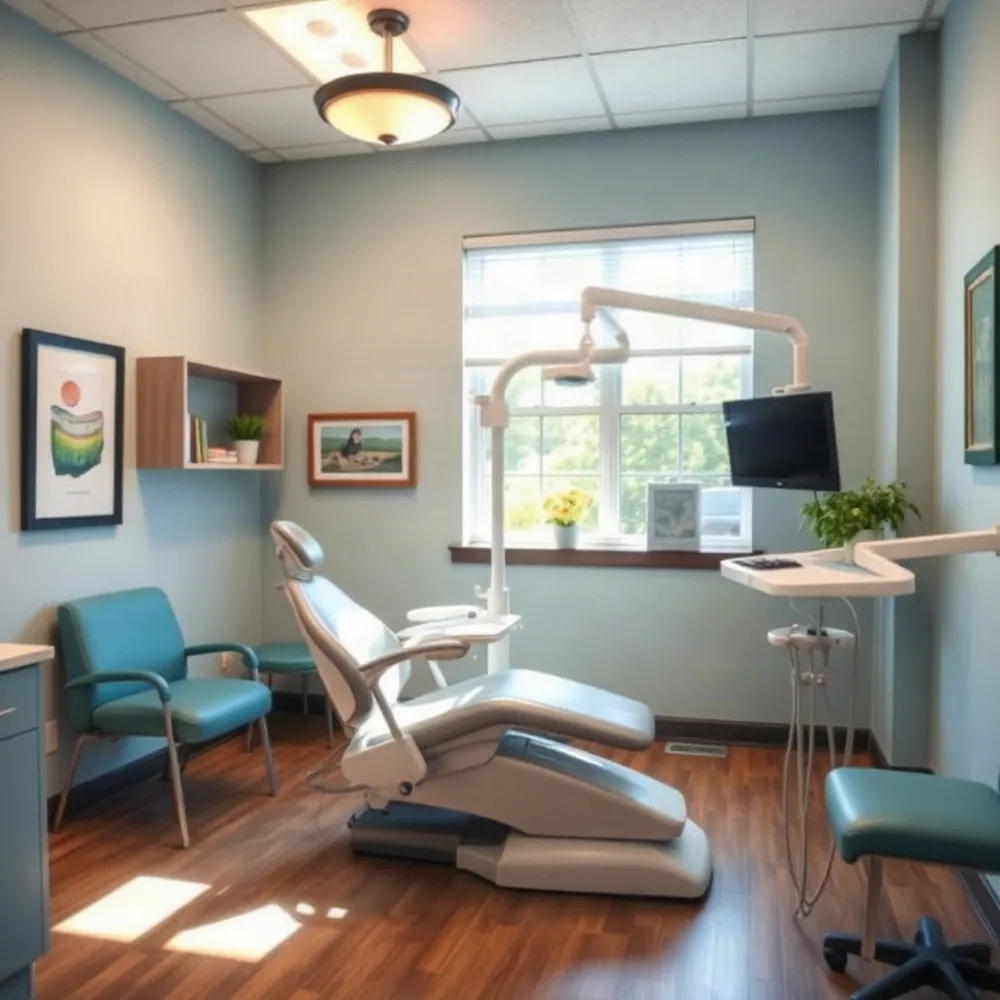 A first appointment often starts with a review of your medical and dental history, current medications, symptoms, oral-care habits, and goals. Share changes in your health, allergies, or concerns, since these details can affect how the dental team plans safe care. The American Dental Association’s guidance on medical and dental histories explains why this information matters.
The dentist may examine your teeth, gums, bite, and other oral tissues, then explain what they are checking. X-rays may be recommended when they can help assess areas that are not clear from an examination alone. Ask why images are needed, what they may show, and whether you can review them with the dentist. At Loud Family Dental, the initial appointment is an opportunity to discuss your concerns as part of comprehensive care for patients of all ages.
A professional cleaning is often included, but it is not guaranteed at every first visit. The dentist or hygienist considers the condition of your teeth and gums and your individual needs; inflammation, tartar buildup, or another concern may call for a different type of cleaning or a separate appointment. Ask whether a cleaning is planned when you schedule, and what sensations or comfort options to expect.
During the exam, ask what any findings mean and which preventive steps or treatments are recommended. Bring your insurance information and a current medication list, and check with the office about forms or records to complete beforehand. Appointment length and steps vary by practice and patient, so confirm what to allow for your visit. For more on the usual sequence, see what to expect during your first appointment.
Prepare for a Toddler’s First Visit
 A child’s first dental visit is recommended after the first tooth appears and no later than the first birthday. Early visits let the dentist check how the teeth and jaw are developing and help a toddler get used to dental care. The American Dental Association’s guidance for a baby’s first dental visit offers more detail.
At the appointment, the dentist may gently examine the teeth, gums, bite, jaw, and other oral tissues for decay or developmental concerns. A cleaning may be offered if appropriate. X-rays are generally not routine for young children, but may be recommended to investigate a specific concern.
Share your child’s health history and ask for advice suited to their age. Useful topics include brushing, fluoride, teething, feeding, pacifier use, and finger-sucking. At Loud Family Dental, care for patients of all ages makes room for families to discuss a child’s needs and questions.
To prepare, describe the visit positively and practice opening your child’s mouth together. Choose a time when your toddler is usually rested, and ask whether you can hold them or stay nearby during the exam. Crying or wiggling can be a normal response to an unfamiliar experience; the appointment’s length and activities depend on the child’s age and needs.
Before you leave, ask when your child should return. The right interval depends on their oral health and the dentist’s recommendation, so follow-up timing can be tailored rather than assumed.
Discuss Findings and Treatment Choices
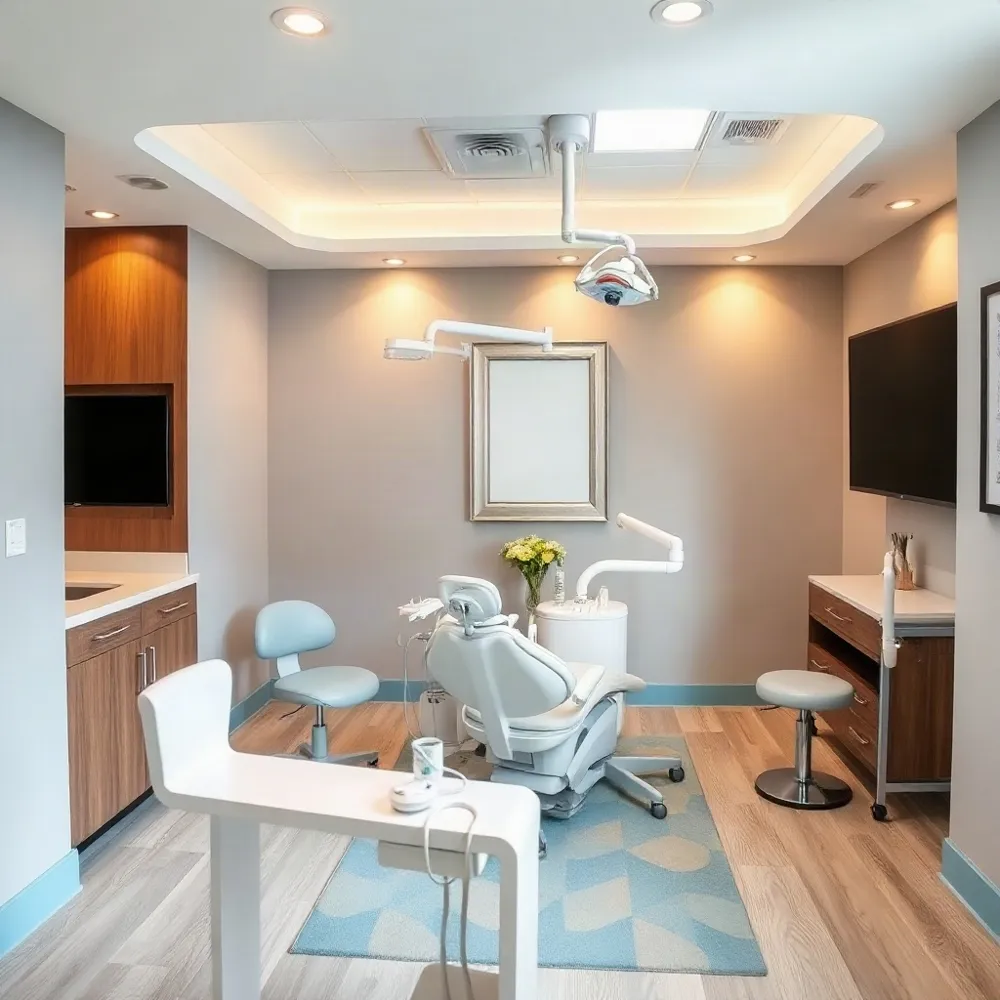 Returning after several years away can bring uncertainty, but the first appointment can focus on your current oral health, symptoms, and priorities, not on judging the time between visits. At Loud Family Dental, care is provided for patients of all ages, and you can explain what you would like to address first.
The dentist may find cavities, gum concerns, or damaged dental work. X-rays or other images may be recommended when they can help assess an area that is not clear from the examination; a cleaning may also be appropriate, or the team may explain why another step should come first. Ask what the dentist sees and what each recommendation is intended to address.
A complete medical and dental history helps the dentist plan care around your health. Share relevant conditions, medications, and allergies, and ask how they may affect treatment or aftercare. The American Dental Association’s guidance on health histories explains why this information should be reviewed with the patient before care is planned. Tell the office when your health or medications change.
For each proposed treatment, ask what needs attention now, what can be monitored, and what the benefits, risks, alternatives, timing, and estimated costs are. You can also ask what may happen if you wait and whether preventive care could help. The ADA’s patient guidance on dental visits encourages patients to ask about examinations, X-rays, fees, and recommended care.
You do not have to agree to or complete every recommendation at once. Request a clear explanation or written plan, then ask about payment options before scheduling. If you feel anxious, have pain or sensitivity, or need a pause, tell the team; discussing discomfort helps them respond and explain possible adjustments. At Loud Family Dental, professional care is offered with a focus on patient comfort, so raise concerns as they come up.
Use Practical Prevention as Your Guide
The “2-2-2” phrase commonly means brushing twice a day for two minutes and seeing a dentist twice a year. “3-3-3” is less standardized: it may suggest brushing three times daily for three minutes and visiting every three months, but definitions vary. Neither phrase is a universal prescription.
A practical starting point is brushing twice daily with fluoride toothpaste and cleaning between your teeth every day. The American Dental Association notes that visit frequency depends on individual needs, so ask your dentist what interval fits your health history and risk factors. People managing gum disease, a higher cavity risk, or orthodontic treatment may need more frequent professional care. At Loud Family Dental, patients of all ages can discuss preventive care as part of the clinic’s comprehensive dental services.
Molars are often vulnerable because the pits and grooves on their chewing surfaces can trap food and plaque, especially when those areas are hard to clean. Decay can also form between teeth or along exposed roots, so brushing alone may miss some spots. The American Dental Association’s guidance on dental visits explains that checkups can help identify problems even when symptoms are absent.
A cavity may not cause pain or other obvious signs at first. Keep up with home care and regular examinations, and ask the dental team to point out areas that need extra attention. For a routine that suits your needs, Loud Family Dental can discuss brushing, cleaning between teeth, and how often to return.
Notice Whether Communication Feels Right
A dental visit should leave room for questions and clear explanations. At Loud Family Dental, patients of all ages receive comprehensive care, so notice whether the team listens to your concerns and takes your health history into account when discussing care.
Warning signs can include rushed appointments, unclear answers, or pressure to accept treatment before you understand the diagnosis, benefits, risks, and costs. A dentist should explain findings, discuss reasonable alternatives, and welcome questions without making you feel judged. The American Dental Association’s guidance on choosing a dentist encourages patients to consider communication and comfort.
Also consider practical matters: whether scheduling and location work for you, how the office handles emergencies, and what the team can do to support your comfort. One disappointing interaction does not necessarily mean a practice is unsuitable, but repeated concerns about communication, access, or billing may justify a second opinion or a different dentist. You can also read more about signs of a responsive dental partnership.
Take notes, ask for step-by-step explanations, and continue the conversation at follow-up visits. You do not have to resolve every concern at your first appointment.
Leave With a Clear Next Step
A first dental visit works best as a two-way conversation. Share relevant health information, ask for explanations, and take time to understand recommendations. Accurate medical and dental history can help inform safe, personalized care, as the American Dental Association’s guidance on health histories explains.
Before leaving, clarify what comes next: a change to your home-care routine, a follow-up appointment, or time to consider treatment choices. At Loud Family Dental, patients of all ages can discuss their concerns with a community-oriented Shreveport dental team focused on comfort and professional care.
You do not have to resolve every concern in one visit. Questions can continue at future appointments, and the care plan should reflect your health needs and comfort. The American Dental Association’s patient guidance notes that visit timing and care recommendations vary from person to person.