Why Communication Shapes Your Dental Experience
Effective communication in dentistry goes far beyond the words spoken in the operatory. It forms the foundation of the dentist-patient relationship, influencing everything from treatment acceptance to long-term oral health outcomes. When dental teams master clear, empathetic, and patient-centered communication, they not only reduce anxiety but also build trust, which research shows is essential for patients to feel comfortable and engaged in their care.
The 5 Cs of Effective Dental Communication
 Good communication between a dentist and patient is about more than just being friendly. It directly affects the quality of care you receive. When a dental team explains things clearly and listens carefully, you feel safer, understand your treatment options, and are more likely to follow through with the care you need. In fact, the principles of clear, correct, concise, complete, and cohesive communication are so important that dental professionals call them the "5 Cs" of effective communication. These five principles help ensure that every conversation, from a routine check-up to a complex procedure, is productive and reassuring for you.
At Loud Family Dental in Shreveport, Louisiana, these principles are part of everyday practice. The team isn't just focused on the technical side of dentistry; they actively work to make sure you understand what's happening and why. For example, our dentists take time to build trust through personalized care, using the 5 Cs to create a relaxed and open environment. This patient-first approach is what sets a truly comfortable visit apart from a stressful one.
Clear. Clear communication means avoiding dental jargon and technical terms that can leave you confused. Instead of saying "mesial and distal surfaces," a dentist using this approach might say "the front and back sides of your tooth." This way, you know exactly what's being discussed. The National Library of Medicine highlights that using plain language helps patients better understand their condition and treatment, leading to less anxiety and more informed decisions.
Correct. Being correct isn't just about clinical accuracy; it's about giving you accurate information in a way that's also emotionally appropriate. Correct communication means the dentist presents facts honestly, answers your questions precisely, and points you to reliable sources. It also involves active listening to correct any misunderstandings you might have about a procedure. Strategies from dental communication research stress that two-way dialogue, where the dentist checks your understanding, is crucial for this to happen.
Concise. A concise conversation respects your time and attention. It means the dentist focuses on the most important points without getting lost in unnecessary detail, while still leaving room for you to speak. Concise communication also means the dentist is a good listener, giving you the floor to voice concerns about things like dental anxiety. This balanced give-and-take ensures you feel heard and not rushed.
Complete. Completeness makes sure no stone is left unturned. This covers the full range of your health history, medication, and lifestyle habits that might affect your treatment. It also means providing comprehensive explanations of all available options, from the risks and benefits to the costs involved. For a personalized experience, this is where the dentist connects the dots between your overall health and your dental care, ensuring the treatment plan is as tailored to you as possible.
Cohesive. Cohesive communication means the whole team is on the same page. The front desk, dental assistant, and dentist all share information consistently and clearly. When communication is cohesive, it builds a strong foundation of trust, as you see the same faces and feel confident that everyone involved understands your needs. This seamless approach is what makes the entire experience feel smooth, professional, and genuinely caring.
Understanding the 5 Cs gives you a framework for knowing what to look for in a dental practice. When you walk into a clinic and feel that these principles are at work, you know you're in good hands. At Loud Family Dental, we consciously apply these communication strategies in every patient interaction to ensure you always feel respected, informed, and comfortable. To see how we put this into practice on your very first visit, learn more about understanding the patient journey with Loud Family Dental.
Alleviating Dental Anxiety Through Understanding
 Choosing a dentist in Shreveport often comes down to more than clinical skill. For many, the deciding factor is how the team makes them feel from the moment they walk in. The strategies for effective dentist-patient communication go beyond simple courtesy; they are a clinical tool that directly influences patient comfort, cooperation, and long-term oral health. A practice that prioritizes clear, empathetic dialogue can transform a routine checkup from a source of dread into a positive, reassuring experience.
This focus is central to how Loud Family Dentistry approaches every appointment. Rather than rushing through procedures, the team takes time to listen actively and explain each step, which reduces anxiety and builds trust. This commitment to understanding each patient's unique history and concerns is what separates a simple visit from a genuine partnership in your dental health.
The Core of Trust: Active Listening and Empathy
Effective communication starts with listening. When a dentist asks about your concerns and actually hears the answers, it signals respect. This is especially important for patients who feel nervous. The doctor-patient relationship is built on this foundation of mutual respect and understanding. A provider who shows empathy can quickly ease fears that might otherwise keep a patient from seeking necessary care. For example, simply acknowledging a patient's dental anxiety and discussing ways to manage it can make a world of difference.
Scope. The scope of communication ranges from explaining a diagnosis in plain language to answering questions about treatment costs and pain management. It is about ensuring the patient leaves with a full understanding of their oral health status and the recommended next steps.
Integration. Integration means weaving communication throughout the entire patient journey, from the first phone call to the post-treatment follow-up. Loud Family Dentistry integrates this by ensuring every team member, from the front desk to the hygienist, uses a consistent and caring tone.
Intelligence. This is the emotional intelligence required to read a patient's non-verbal cues, such as body tension or a hesitant expression. Recognizing these signals allows the team to adjust their approach, offer a pause, or provide extra reassurance, as detailed in strategies for common dental anxieties.
Ultimately, the goal is to create a comfortable, safe environment where patients feel empowered to take control of their oral health. This philosophy is echoed in the ways personalized dental care builds trust. By prioritizing communication at every turn, Loud Family Dentistry helps patients move from fear to comfort, one visit at a time.
The Power of Non-Verbal Communication in Dentistry
Beyond the words exchanged during an appointment, the way you and your dental team communicate through body language, facial expressions, and tone carries significant weight. In fact, research published in the Strategies for Effective Dentist-Patient Communication highlights that non-verbal cues often speak louder than verbal ones, shaping a patient's perception of care before a single word is spoken. Understanding this silent language is a powerful way to build trust and reduce anxiety, especially for those who feel nervous about dental visits.
At Loud Family Dental, we recognize that a patient's comfort starts the moment they walk through the door. Our team is trained to use open body language, maintain comfortable eye contact, and offer a reassuring smile to put you at ease. When you feel that a professional is genuinely attentive not just to your teeth but to your overall comfort, it transforms the entire experience from one of apprehension to one of collaboration.
Why Non-Verbal Cues Matter More Than Words
Patients often arrive with a mix of emotions, from mild unease to significant dental phobia. In these moments, the unconscious signals sent by a dentist or hygienist can either heighten or alleviate that anxiety. According to the ADA's guidance on the doctor-patient relationship, effective communication is a two-way street where the clinician's attentiveness is as crucial as the information shared. Simple acts like leaning slightly forward, nodding in understanding, and avoiding crossed arms signal that you are being heard and respected.
This becomes especially critical when discussing procedures that might be uncomfortable. A patient who sees a clinician’s calming posture and gentle hand gestures is more likely to relax. As noted in a review on dentist-patient communication, non-verbal rapport directly correlates with reduced pain perception and increased satisfaction. For our team, this means consciously checking our own body language and adapting it to each patient’s cues, ensuring that our message of care is consistently delivered without uttering a word.
Practical Applications for a Comfortable Visit
You don't need to become an expert in reading body language to benefit from positive non-verbal communication; you just need to be with a team that practices it actively. One way we implement this at Loud Family Dental is through the simple yet powerful act of letting you guide the pace. If you raise a hand to signal a pause, we stop. This establishes a clear, non-verbal agreement that your comfort takes priority, a principle echoed in our communication strategies that build patient trust.
For patients who may struggle with articulating their fears, we encourage you to observe and respond to our non-verbal cues. If you feel uneasy, our team is trained to notice the subtle signs like gripping the armrest or tense shoulders. We’ll check in with you, not merely with words but with a concerned expression and a gentle pause, making it clear that your emotional state is part of the treatment plan. This proactive approach to non-verbal empathy is a core reason why patients change their perception of the dentist one visit at a time.
| Non-Verbal Cue | What It Communicates | How We Apply It at Loud Family Dental |
|---|---|---|
| Open Posture | Approachability, willingness to listen | Maintaining uncrossed arms and leaning in during consultations |
| Eye Contact | Confidence, honesty, attentiveness | Offering gentle, reassuring looks without staring |
| Facial Expression | Emotional state, empathy | Smiling warmly and showing concern when you express discomfort |
| Gestures | Guidance, reassurance | Using slow, explanatory hand movements to demonstrate procedures |
Active Listening and Empathy in Action
Dental anxiety is one of the most common reasons people delay or skip necessary care, and it often stems less from the procedure itself and more from a fear of the unknown. When patients understand what is happening and why, their stress levels drop measurably. Research published by the National Institutes of Health highlights that effective dentist-patient communication is central to reducing this anxiety, building trust, and improving clinical outcomes for the entire family.
For a Loud Family Dental patient in Shreveport, this means every appointment starts with a conversation, not just a set of X-rays. Our team explains each step before we begin, and we invite questions at any point. This patient-first approach mirrors the strategies outlined by the American Dental Association, which emphasizes that a strong doctor-patient relationship is the foundation for both comfort and compliance with treatment plans.
Why Communication Reduces Dental Anxiety
Fear often comes from not feeling in control. When you sit in the chair and a clinician reaches for a tool without explaining what it does or what sensation to expect, your brain fills in the gaps, usually with worst-case scenarios. By contrast, a simple narration like “You will feel a cool spray on your gums” gives your mind a predictable script. A study in the Journal of Clinical Medicine confirms that clear, empathetic communication is a proven way to lower patient anxiety and increase satisfaction before, during, and after treatment.
At Loud Family Dental, we intentionally pace our explanations to match each patient’s comfort level. For some, a brief overview is enough; for others, we go into detail about the anatomy and the tools we use. We also invite you to establish a hand signal before we start, so you can pause treatment discreetly whenever you need a moment. This small act of control can transform a stressful visit into a manageable one.
This focus on communication is not just a courtesy; it is clinically relevant. When patients understand their condition and the rationale behind a recommended procedure, they are more likely to follow through with care at home and return for regular checkups. The NIH reports that improved communication leads to better adherence to treatment plans and reduces the likelihood of missed appointments, which ultimately supports long-term oral health for the whole family.
Speaking Your Language: Simplifying Dental Jargon
Many patients leave a dental appointment feeling confused rather than informed. Clinical terms like occlusal adjustment and mesial caries can create a barrier between you and the care you receive. Studies show that plain, simple language instead of clinical terms significantly improves patient comprehension and eases anxiety, which matters because understanding your treatment directly affects how comfortable you feel in the chair.
For added comfort during your visit, you can listen to music or use noise-canceling headphones, which NHS inform notes helps mask common dental sounds. This small step, paired with clear explanations, makes the experience more relaxed and manageable, especially if you feel uneasy about unfamiliar terminology.
Why Jargon-Free Communication Builds Trust
When a dentist uses everyday words to explain procedures, patients feel more respected and involved in their own care. A 2024 review in the Journal of Clinical Medicine found that effective dentist-patient communication directly boosts patient satisfaction and reduces treatment-related fear. The same principle applies to personalized dental care, where actively listening and tailoring explanations to each patient's level of understanding strengthens the entire relationship.
Concrete examples. Instead of saying 'we will perform a prophylaxis,' a dentist might say 'I'll clean your teeth and remove tartar to prevent gum disease.' This makes the process feel familiar and less intimidating.
Consistent providers. Regular visits with the same dentist allow them to learn your preferred communication style, which is why consistent providers are so important for your dental health.
To help you feel at ease from the first hello, our team at Loud Family Dental focuses on conversational explanations and welcomes questions at any point. We take the time to check in with you during each step, so you never feel lost in a sea of technical terms.
Plain language. We use everyday words and avoid clinical jargon, so you understand exactly what's happening and why.
Active listening. We pay close attention to your concerns and answer every question thoroughly, following the guidance from the American Dental Association on building a strong doctor-patient relationship.
Patient comfort. From offering headphones to explaining what we're doing before we begin, we prioritize your comfort in every interaction, as recommended by strategies for effective dentist-patient communication.
| Jargon Term | Plain English | Why It Matters |
|---|---|---|
| Caries | Cavity | Reduces fear of the unknown |
| Prophylaxis | Teeth cleaning | Makes the procedure sound routine |
| Occlusion | Your bite | Clarifies what the dentist checks |
| Gingivitis | Gum inflammation | Ties treatment to daily habits |
When we explain things in plain language, we also build a practice where open communication is normal. If you ever feel uncertain about a term or a step, just ask. Our commitment to simplifying dental jargon means you're never left guessing, and your comfort stays the top priority throughout every visit.
Informed Consent Made Clear and Friendly
Dental procedures, even routine ones, involve some level of risk. The American Dental Association calls this out directly in its guidance on the doctor-patient relationship, noting that effective communication includes giving patients enough information to make informed decisions about their care. That is the entire point of informed consent: not a wall of legal jargon you sign without reading, but a clear, honest conversation about what the treatment involves, why it is recommended, and what to expect.
Too often, consent forms read like they were written by lawyers for other lawyers. Patients stare at dense paragraphs full of terms like "clinically significant complications" and feel overwhelmed rather than informed. A 2024 review of dentist-patient communication in the journal Dentistry Journal emphasizes that plain language and shared decision-making are essential to building trust, especially for anxious patients. When the consent process focuses on clarity and collaboration, it becomes a tool for connection rather than a hurdle.
For many patients, dental anxiety is what makes consent feel intimidating. They are not just signing for a filling; they are signing for a procedure that triggers their fear of pain or loss of control. Taking the time to explain the "why" behind a treatment, the options available, and what they can expect during and after, can turn that fear into understanding. A simple hand signal, for example, is a small but powerful way to give patients a sense of control during treatment. But it works only if the dentist explains it clearly before starting.
What Makes Consent Truly Informed
Clarity. The explanation uses everyday language, not dental shorthand. Instead of "we will administer local anesthesia," say "we will numb the area so you do not feel the needle or the drilling." If a term like 'occlusion' comes up, define it on the spot.
Transparency. Honesty about benefits, risks, and alternatives. Patients should know not just what will happen, but what could happen, and what would happen if they chose not to proceed. This is not meant to scare—it is meant to respect their autonomy.
Collaboration. Consent is a two-way street. The dentist listens to the patient's goals and concerns, answers questions patiently, and adjusts the treatment plan if the patient is uncomfortable. A 2024 review in the Journal of Clinical Medicine found that patients who feel heard are more likely to trust the recommendation and follow through.
Put simply, if you understand the procedure, you feel more in control. And when you feel in control, you are less anxious and more likely to actually go through with the treatment you need.
How We Make It Work at Loud Family Dental
At Loud Family Dental, we treat informed consent as a conversation, not a formality. Our team takes the time to walk through every treatment plan with you, using plain language and visuals when they help. We encourage questions, and we never rush the process. If a patient feels unsure, we slow down and explain again, because we believe consent is only valid when it is fully informed.
Visual aids. We use intraoral photos and diagrams to show you precisely what we see and what we plan to do. Seeing beats imagining.
Written summaries. You receive a written breakdown of the recommended treatment, written in clear, non-technical terms. No fine print, no surprises.
Open-door policy. You can call or ask questions anytime, before or after treatment. We are here to support your decisions, not to push treatments on you.
| Consent Element | What It Means | How We Apply It |
|---|---|---|
| Benefits | Expected positive outcome | Explained in plain terms, with expected recovery time |
| Risks | Possible complications | Listed honestly, with steps to minimize them |
| Alternatives | Other treatment options | Presented neutrally, including no-treatment option |
| Questions | Your right to ask | Encouraged at every step; never rushed |
Informed consent is more than a signature on a page. It is a promise that we respect your right to understand, your right to ask, and your right to say no. And that promise is at the heart of how we build trust, one appointment at a time.
Using Visual Aids and Educational Materials
Many patients associate the dentist with uncertainty, especially when a procedure is new or unfamiliar. One of the most effective ways to ease that worry is by showing, not just telling. Visual aids such as models, brochures, videos, and digital imaging give patients a clear picture of what's happening in their mouth and why treatment matters, turning fear of the unknown into a sense of control.
Research published in the Strategies for Effective Dentist-Patient Communication highlights how interactive tools help demystify dental procedures and reduce anxiety, especially for pediatric patients. When a dentist can point to a model or a screen and explain a step in plain language, the conversation becomes collaborative rather than one-sided. This approach works regardless of age, which is one reason personalized dental care builds trust over time.
Choosing the Right Visual Aid for Every Patient
Models and educational materials. Physical models of teeth and gums let patients see and touch what a cavity or misalignment looks like. Brochures and visual guides provide a take-home reference that helps patients remember what was discussed, reinforcing the message that their comfort and understanding matter.
Digital imaging and videos. Intraoral cameras and short videos show real-time images on a screen, making abstract concepts concrete. For families, seeing a child's own X-rays or a close-up of a problem area can turn a vague concern into a clear, visual explanation, reducing anxiety and increasing cooperation during treatment sessions.
The American Dental Association's guidance on the doctor-patient relationship emphasizes that effective communication is a shared responsibility. Dental teams who take a few extra minutes to show a model or pause for questions create an environment where patients feel heard and respected. In fact, a simple hand signal or the option to use noise-canceling headphones lets patients feel in control—something addressed in talking to your dentist about dental anxiety.
At Loud Family Dental, integrating visual aids isn't just a clinical nicety; it's part of how the team builds a calm, welcoming atmosphere. Whether it's a child seeing the "tickle" tool before a cleaning or an adult reviewing a treatment plan on a screen, these small efforts pay off in trust and long-term loyalty.
| Visual Aid | Best For | How It Eases Anxiety |
|---|---|---|
| Models and brochures | Explaining procedures | Gives tactile, visual reference to reduce mystery |
| Digital imaging | Diagnosis and treatment planning | Shows real-time visuals to clarify the 'why' behind care |
| Videos and animations | Patient education | Breaks down steps in a friendly, easy-to-understand format |
| Noise-canceling headphones | Sensitive or anxious patients | Helps mask sounds and offers a sense of control |
Embracing Technology for Better Connection
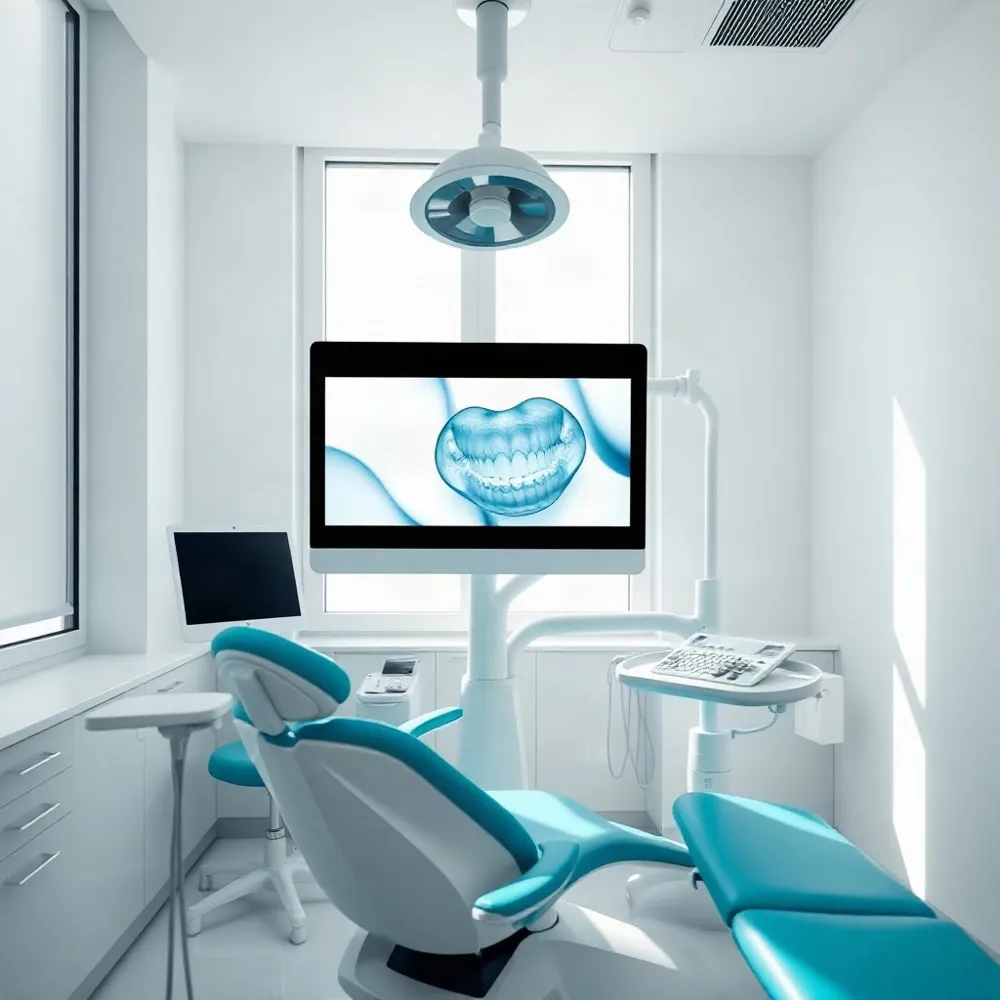 Clear communication between you and your dental team sets the tone for the entire visit. When your dentist explains each step, answers questions in plain language, and checks that you're comfortable, you're more likely to feel at ease. This reduces anxiety and builds trust. Researchers in dental communication emphasize that when patients understand their treatment, they are more satisfied and more likely to follow through with recommended care.
At Loud Family Dental, part of being patient-focused means pairing clear explanations with genuine empathy. If a specific tool or sound makes you nervous, the team listens and adjusts. You can set up a simple hand signal or ask questions before we begin, so you stay in control throughout the appointment. This approach reflects the core ideas behind the Strategies for Effective Dentist-Patient Communication, which highlights that mutual understanding improves both cooperation and comfort.
Communication Builds Trust and Reduces Anxiety
Feeling heard changes how you experience dental care. When your provider takes time to listen, acknowledges your concerns, and explains what's happening, you're less likely to feel anxious. The ADA's guidance on the dentist-patient relationship notes that trust forms when dental professionals respect your perspective and keep you informed. At Loud Family Dental, we see this every day: patients who ask questions often leave feeling more confident and more satisfied with their visit.
A key part of that comfort is knowing you can pause or communicate discomfort. Whether it's raising a hand to signal a break or asking about the steps of a procedure, having control reduces anxiety. Our team uses technology to make visits smoother, including digital imaging that lets you see what we see. That way, we're not just telling you what's happening, we're showing you. This transparency builds trust and reinforces a positive dental experience.
Personalized Care Makes Communication Meaningful
Effective communication isn't a one-size-fits-all approach. Some patients want detailed explanations; others prefer a brief overview. By adapting how we talk, we make sure you feel heard and understood. This personalization is one of the reasons we focus on building long-term relationships with our patients. When you visit the same dental team consistently, they learn your preferences, which improves communication and comfort. The ADA highlights that a consistent provider strengthens the doctor-patient relationship over time.
Taking time to listen isn't just a nice gesture; it's a clinical tool. A 2024 review in the Journal of Clinical Medicine found that effective dentist-patient communication is tied to higher patient satisfaction, less anxiety, and better adherence to treatment plans. At Loud Family Dental, we apply this evidence daily. Instead of rushing through appointments, we create space for your questions. That's why so many of our Shreveport patients feel at ease, even if they came in nervous.
Wondering how to talk to your dentist about anxiety? We encourage you to be upfront. Let us know if you're nervous, if a certain sound bothers you, or if you need to pause. We're happy to go at your pace. The ADA advises that patients who voice their concerns get more tailored care. At Loud Family Dental, we listen, we adapt, and we make sure you leave feeling confident and cared for.
Building Long-Term Trust and Practice Growth
In the previous section, we talked about why communication shapes your dental experience. The strongest dental teams build relationships on listening, not talking. This section breaks down the five actions that turn a routine appointment into a foundation of trust. When you look at the patient journey, small communication habits make a lasting difference.
Clear communication matters long before you sit in the chair. A 2024 review in the Journal of Clinical Medicine found that effective dentist-patient communication directly improves patient satisfaction and reduces anxiety. That starts on the phone, where the front desk sets the tone. It continues in the operatory, where the dentist explains each step in plain language. It even carries into follow-up care, where a simple check-in call reinforces that your comfort matters.
The Five Actions in Practice
Listen. The best way to calm a nervous patient is to genuinely hear them. A 2024 overview in Dentistry Journal emphasizes that active listening, not just nodding, lowers anxiety and builds trust. At Loud Family Dental, we ask what makes you uncomfortable and let you guide the pace. A simple hand signal, like raising your hand for a pause, gives you control without interrupting the flow.
Explain. Dental jargon confuses more than it helps. We translate terms like "occlusion" or "interproximal" into plain language your whole family can follow. Whether it's a crown, a cleaning, or a cosmetic smile makeover, you'll know what's happening and why before we begin.
Show. Seeing is believing. We use intraoral cameras to show you exactly what we see, so you're not taking our word for it. When you can see the tartar or a small crack for yourself, you understand the reason behind the recommendation.
Empathize. Dental anxiety is real, and we don't minimize it. We take time to acknowledge your feelings and pair our chairside manner with comfort measures. We offer warm blankets, noise-canceling headphones, or a favorite playlist to help you stay relaxed. Research on dentist-patient communication shows that empathy directly reduces stress and improves outcomes.
Reassure. Finally, we reassure you before, during, and after treatment. You'll always know the next step, whether that's scheduling a follow-up or just what to expect at home. This ongoing dialogue turns a single visit into a partnership for your long-term health.
For a deeper look at how these behaviors build trust and loyalty, explore our guide on building long-term trust and practice growth. You'll see how consistent, empathetic communication keeps patients coming back.
| Action | Example | Why It Builds Trust |
|---|---|---|
| Listen | Hand signal for pauses | Gives control |
| Explain | Plain-language terms | Reduces confusion |
| Show | Intraoral camera | Visual proof |
| Empathize | Warm blanket, headphones | Feels cared for |
| Reassure | Follow-up call | Completes the loop |
Your Partnership in Oral Health
Positive dental visits rarely happen by accident. Behind every comfortable appointment is a dentist who listens, a team that explains things clearly, and a patient who feels heard. When communication breaks down, even routine checkups can feel stressful, which is why the way your dental team talks to you matters just as much as the treatment itself.
Research supports this connection. Studies published by the National Institutes of Health show that effective dentist-patient communication leads to better patient satisfaction, less anxiety, and more consistent engagement with preventive care. The American Dental Association echoes this, noting that a strong doctor-patient relationship is built on mutual respect and clear dialogue, not just technical skill.
Yet communication isn't just about the words spoken during a visit. It's also about the systems a practice puts in place: how reminders are sent, how questions are answered, and how the team follows up afterward. A clinic that genuinely listens and personalizes care, like Loud Family Dentistry, creates an environment where patients feel comfortable speaking openly about their needs and concerns.
Building a Foundation of Trust
Trust is the bedrock of any lasting relationship, and dental care is no exception. When you visit a dentist who takes the time to understand your history, preferences, and anxieties, you're more likely to share important details that affect your treatment. This open exchange helps your dentist tailor care to your unique situation, rather than taking a one-size-fits-all approach.
Personalized care is a core value at Loud Family Dentistry. By listening actively and explaining each step of a procedure, the team makes sure you feel informed and in control. This stands in contrast to practices that rush through appointments or treat patients as just another number on the schedule. When your dental team knows you by name and remembers your comfort preferences, it transforms a routine checkup into a partnership.
To build this foundation, dentists and patients both have a role to play. Asking questions, voicing concerns, and being honest about dental anxiety are essential first steps. For those who struggle with nerves, simple strategies like establishing a hand signal before treatment can make a world of difference. When both sides commit to clear communication, the result is a more relaxed and productive visit for everyone involved.
The Five C's of Effective Dental Communication
Just as the five C's are emphasized in other healthcare fields, dental communication benefits from a structured approach. While different practices may define their own frameworks, the essential principles remain consistent across the board. Here's how they apply to your dental visits:
- Clear: Information is shared in plain language, free of confusing jargon. Your dentist explains diagnoses and options in terms you can understand, and encourages you to ask for clarification.
- Complete: All relevant details about your health history and concerns are gathered, and all aspects of your treatment plan are fully explained. Nothing is glossed over or assumed.
- Concise: Conversations stay focused and efficient, respecting your time while still covering the essentials. Your dentist gets to the point without rushing you.
- Concrete: Abstract concepts are grounded in tangible examples. Instead of saying "you need a crown," your dentist shows you images and describes what the process actually involves.
- Caring: Empathy is at the heart of the exchange. Your dentist and team acknowledge your feelings, validate your concerns, and provide reassurance throughout the visit.
When these five elements are present, communication feels natural rather than forced. You leave knowing what was said, what happens next, and why it matters for your oral health.
The Role of Active Listening
Active listening goes beyond merely hearing words; it involves paying attention to verbal cues, body language, and tone of voice. For dentists, this means really hearing not just what you say, but what you might be hesitant to express. Concerns about pain, cost, or past trauma are common, and a listening dentist creates a safe space for these conversations.
At Loud Family Dentistry, active listening is a priority. The team takes time to check in with you at each stage, from the initial consultation to post-procedure follow-up. This ongoing dialogue helps catch small issues before they escalate and ensures you're comfortable with every decision. When your dentist truly listens, you feel valued, which builds the confidence to engage actively in your own care.
Overcoming Common Communication Barriers
Several factors can hinder effective communication in a dental setting. Dental anxiety, language barriers, and a lack of health literacy are among the most common. A skilled dental team recognizes these challenges and adapts accordingly.
For patients who feel nervous, open dialogue is especially important. Discussing your anxiety before you even sit in the chair can make a significant difference. A caring dentist will listen without judgment and work with you to create a calming plan, whether that involves a pause signal or simply a more thorough explanation of each step. This patient-first approach, which practices like the team at patient comfort champion Loud Family Dentistry have embraced, ensures that everyone's needs are met.
| Barrier | Impact | Solution |
|---|---|---|
| Dental anxiety | Leads to avoidance and delayed care | Discuss fears upfront; use relaxation techniques |
| Language differences | Misunderstanding of instructions | Use visual aids, simple terms, and professional translation |
| Low health literacy | Difficulty following care plans | Explain with analogies and confirm understanding |
| Past negative experiences | Erodes trust and confidence | Take extra time for empathy and reassurance |
Why Clear Communication Leads to Better Health Outcomes
When you understand your treatment options and the reasons behind them, you're more likely to follow through with recommendations. Whether it's arriving for a filling or maintaining a daily flossing routine, clear communication motivates better choices. A 2024 review in the Journal of Clinical Medicine confirmed that effective communication directly correlates with higher patient satisfaction and better adherence to treatment plans.
This makes communication a matter of both comfort and health. Patients who feel informed report less anxiety and are more consistent with preventive appointments. At Loud Family Dentistry, the focus on consistent, clear communication goes hand in hand with building a long-term relationship. You're not just a patient; you're a partner in your own oral health journey.
Making Communication a Two-Way Partnership
Effective communication is a two-way street. Your dental team has a responsibility to listen and explain, but you also have an active role to play. Coming prepared with questions, being honest about your habits and concerns, and requesting clarification when something isn't clear all contribute to a better outcome.
The old model of dentistry, where the dentist lectures and the patient simply obeys, is fading. Today, the best dental experiences, like those at Loud Family Dentistry, are collaborative. You're empowered to make informed decisions because you have the information, the support, and the trust needed to do so. This partnership doesn't end at the clinic door; it continues through follow-up calls, patient education, and a genuine commitment to your long-term well-being.
Final Thoughts on Choosing the Right Dental Partner
As you consider your options, remember that the quality of communication should factor into your decision just as much as location or price. A dentist who listens is a dentist who cares. Practices like Loud Family Dentistry, which prioritize patient comfort and clear dialogue, offer more than just dental procedures; they offer a healthcare experience built on respect and understanding.
Regular checkups are important, but asking questions and voicing concerns ensures your voice is heard. Your dental health is a partnership, one where effective communication serves as the foundation. Whether it's your first appointment or your fortieth, the power of a meaningful conversation can make all the difference. So, when you search for a dentist, look for a team that actively listens and engages, and you'll find a partner in your journey to a healthier smile.