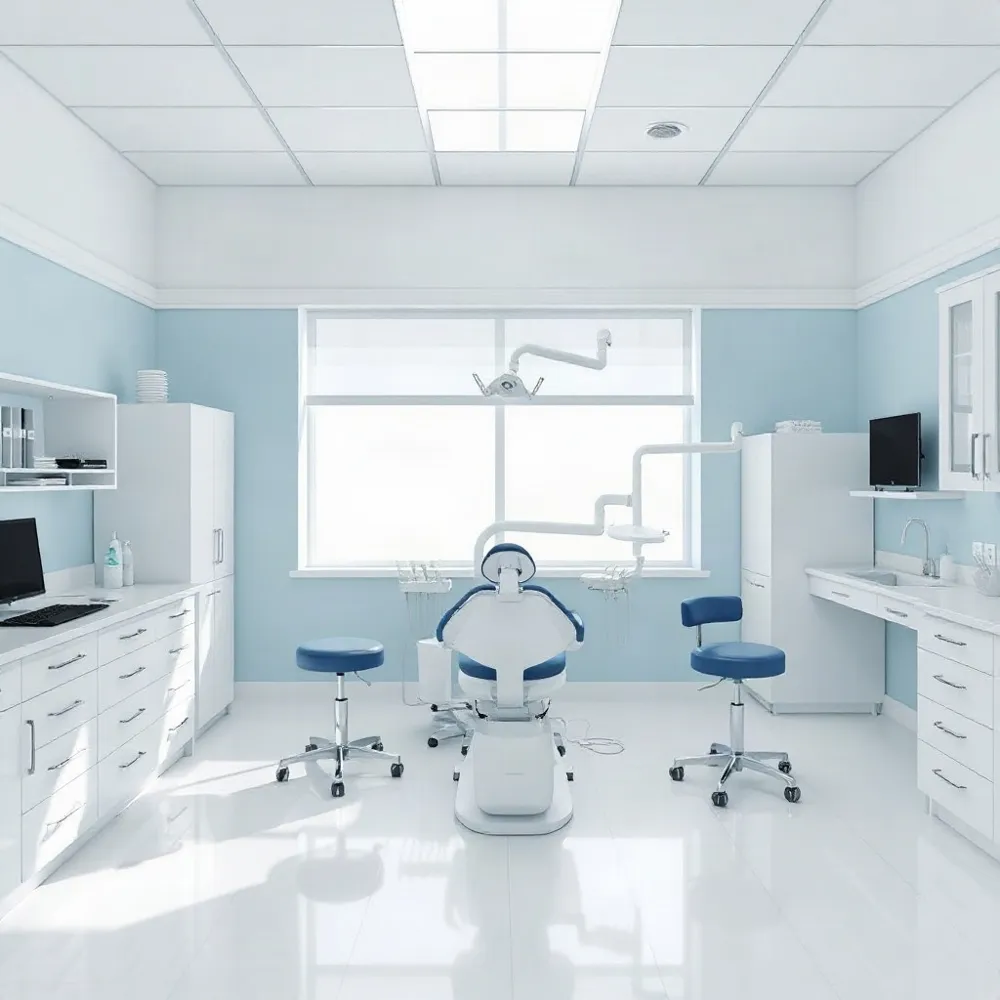
Start With Prompt, Practical Steps
A sudden toothache, broken tooth, or mouth injury can be upsetting. Taking a moment to stay calm can help you assess what happened and explain it clearly when you call for help.
This guide explains which problems may need urgent attention, what you can do while arranging care, and when a hospital emergency department is more appropriate than a dental office. For many tooth-related emergencies, start by calling a dentist for instructions. Serious facial injuries or trouble breathing or swallowing call for emergency medical care. The Cleveland Clinic’s dental emergency guidance outlines how the right destination depends on the problem.
At Loud Family Dental in Shreveport, patients of all ages can seek comprehensive dental care focused on comfort and professional attention. Rinsing, applying a cold compress, or using an appropriate over-the-counter pain reliever may offer temporary help, but these steps do not treat the cause. Contact a dental professional for advice and assessment, and follow emergency-service instructions if symptoms are severe.
Recognize a Dental Emergency
 A dental emergency needs prompt attention to relieve severe pain, control bleeding, treat infection, or protect a tooth from further damage. Examples include persistent tooth pain, a knocked-out or partly dislodged tooth, a badly cracked tooth, a dental abscess, significant swelling, or a lost or broken filling or crown that causes pain or injury. Cleveland Clinic guidance on dental emergencies also identifies serious injuries to the lips, gums, tongue, or cheeks as reasons to seek urgent care.
A small painless chip or dull toothache may be able to wait for a regular appointment if symptoms stay mild. Still, call a dentist for advice rather than deciding on your own that the problem is harmless. At Loud Family Dental, patients in Shreveport can discuss urgent symptoms with a community-oriented practice that provides care for patients of all ages.
Seek emergency medical care right away for trouble breathing or swallowing, rapidly spreading facial or neck swelling, uncontrolled bleeding, or a serious facial injury. Prompt assessment of dental problems can help limit further damage, infection spread, tooth mobility, or tooth loss. If you are unsure how quickly to act, recognize the signs of a dental emergency and contact a dental professional.
Take Safe Steps While Waiting
 After recognizing a possible emergency, contact a dentist promptly and explain what happened, when symptoms began, and whether you have pain, bleeding, or swelling. Call before traveling so the dental team can give instructions and discuss appointment options. Loud Family Dental provides comprehensive care for patients of all ages in Shreveport, so callers can share their symptoms and ask what to do next.
If a permanent tooth has been knocked out, pick it up by the crown, the part normally visible above the gum. If it is dirty, rinse it gently, but do not scrub the root or remove attached tissue. Place it back in its socket only if it goes in easily; never force it. Otherwise, keep it moist in milk and seek dental care right away. The American Dental Association’s guidance on dental emergencies also advises keeping a knocked-out tooth moist while arranging prompt care.
For a cracked tooth, save any fragments, rinse your mouth gently with warm water, and apply a cold compress to the outside of your face if there is swelling. Avoid chewing on the injured side. If your mouth is bleeding, hold clean gauze or cloth steadily against the area. Bleeding that remains heavy or does not stop needs urgent assessment.
Keep a lost filling or crown if you can find it, and ask the dentist how to protect the area. Temporary dental cement or sugar-free gum may cover a lost filling, but these are short-term measures, not repairs. Never use household glue, pull a tooth, force a loose tooth into place, or try to repair dental damage yourself.
A cold compress may ease discomfort while you arrange care. Do not put aspirin or other pain medicine directly on a tooth or gum, since it can injure the tissue. For more guidance on what to report and how to prepare for an urgent visit, see safe steps to take while waiting for dental care.
Manage Severe Tooth Pain Safely
Severe tooth pain deserves a prompt call to a dental office, even if you cannot be seen immediately. Describe how intense the pain is, when it began, and whether you have swelling or an injury. Ask about an urgent appointment or a cancellation. At Loud Family Dental, patients of all ages can receive comprehensive dental care, including assessment of urgent concerns.
While arranging care, rinse gently with warm water and floss carefully to remove trapped food. A cold compress wrapped in cloth and held against the outside of the cheek may ease pain or swelling, particularly after an injury. Avoid chewing on the painful side, and keep your head slightly elevated when resting.
If it is appropriate for you, an over-the-counter pain reliever may help. Follow the package directions and any advice from your healthcare provider. Do not place aspirin or other pain medicine directly against a tooth or gum, since it can injure the tissue. These measures offer temporary comfort, not treatment for the cause of the pain. The Cleveland Clinic’s toothache guidance also recommends contacting a dentist promptly.
Get emergency medical care if swelling worsens rapidly or makes it difficult to breathe or swallow. For other urgent dental symptoms, call a dental office for guidance rather than waiting to see whether the pain passes.
Know When Infection Needs Urgent Help
A tooth infection may cause persistent or worsening pain, pain when biting, sensitivity to hot or cold, swollen or tender gums, or swelling in the face. A pimple-like bump on the gum, a foul taste, or discharge can also signal an abscess. The Cleveland Clinic’s guidance on dental emergencies explains why suspected abscesses need prompt dental attention.
Contact a dentist promptly if you notice these signs, even if the pain eases after fluid drains. Reduced discomfort does not mean the infection is gone. At Loud Family Dental, patients of all ages can receive comprehensive dental care, including assessment of urgent concerns.
A mild saltwater rinse may temporarily soothe discomfort, but it cannot eliminate an abscess or replace dental treatment. Do not squeeze, pop, or try to drain a swollen area yourself. For more about possible infection signs, see this guide to recognizing when an infection needs urgent help.
Seek emergency medical care for difficulty breathing or swallowing, rapidly spreading swelling that reaches the face, neck, or eye, or a high fever with severe symptoms such as chills, confusion, or marked weakness. Call 911 if breathing is difficult or symptoms worsen rapidly. A dentist can assess the infection and recommend treatment; emergency warning signs should not wait for a routine appointment.
Choose the Right Place for Care
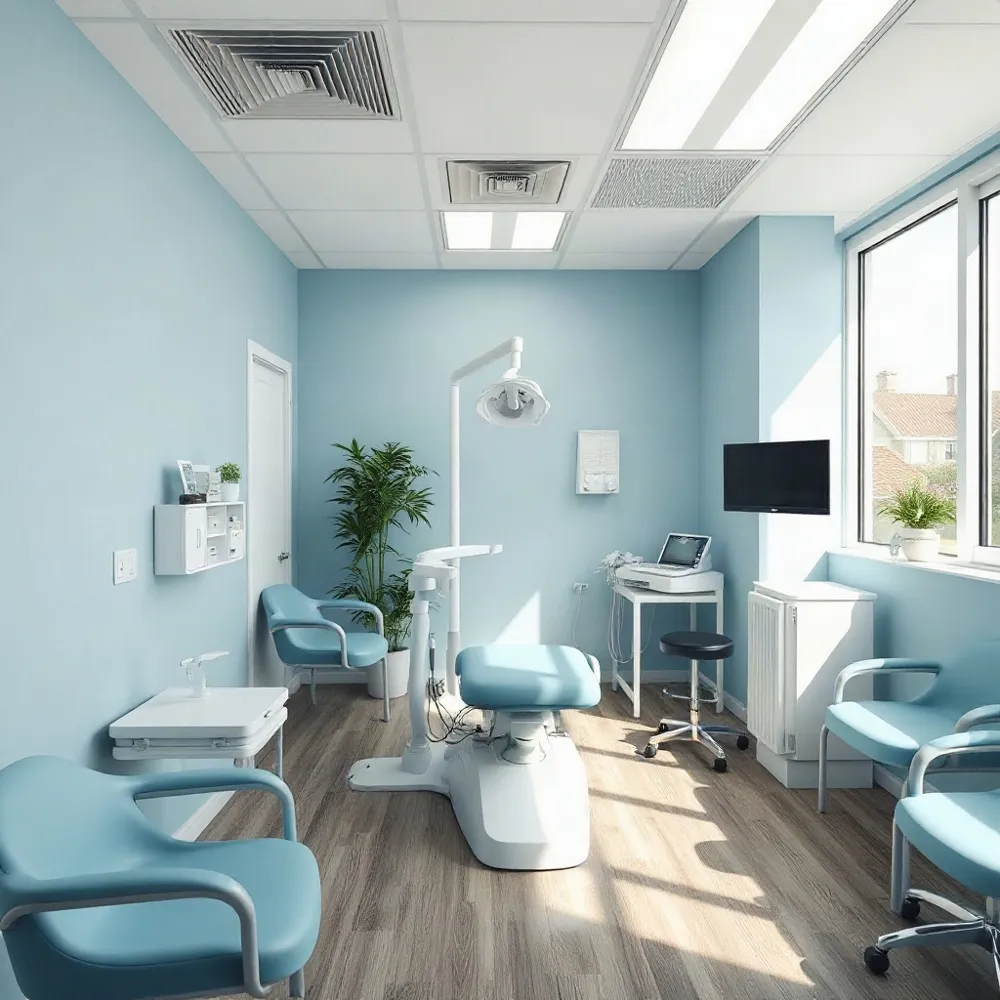 For severe tooth pain, a broken or knocked-out tooth, or an abscess without life-threatening symptoms, contact a dentist promptly. A dental office can provide definitive treatment, while an emergency room generally cannot perform procedures such as fillings, root canals, or extractions. Cleveland Clinic guidance on where to seek dental emergency care explains which problems usually need a dentist and which require hospital care.
Call the dental office before traveling, including at night or on weekends. The voicemail or practice website may give an after-hours number or instructions. At Loud Family Dental in Shreveport, patients of all ages can seek comprehensive dental care; call ahead to ask about an urgent appointment and what to do next. If you cannot reach the office, contact an emergency dental service for guidance.
Go to an emergency room or call 911 for trouble breathing or swallowing, uncontrolled bleeding, rapidly spreading facial or neck swelling, or a suspected broken facial bone or other serious facial injury. An ER can assess the injury and manage urgent complications, but dental follow-up may still be needed for treatment. Do not wait for a dental office to reopen when these warning signs are present.
For a knocked-out tooth after hours, seek dental care right away. Handle it by the crown, avoid scrubbing it, and keep it moist in milk if you cannot gently return it to its socket. Use a cold compress for swelling while arranging care, and take over-the-counter pain medicine only as directed. Never place aspirin directly on a tooth or gum.
Treat the Three Three Three Rule With Caution
The phrase “3-3-3 rule” is used inconsistently, but it often means taking three 200-mg ibuprofen tablets three times a day for up to three days. Do not treat that phrase as a dosing instruction: this amount may exceed the directions on an over-the-counter label.
Before taking ibuprofen, check with a dentist, doctor, or pharmacist. It is not suitable for everyone, including some people with kidney disease, stomach ulcers, certain medication interactions, or pregnancy. Follow the medicine label and professional advice rather than relying on a general rule.
Pain relief may ease discomfort temporarily, but it does not treat a cavity, damaged tooth, or infection. Contact a dentist promptly for tooth pain or suspected infection. Loud Family Dental provides care for patients of all ages in Shreveport, so patients can seek an assessment rather than relying on pain medicine alone.
Get emergency medical help for trouble breathing or swallowing, or rapidly spreading facial or neck swelling. For other warning signs and guidance on where to seek care, see the Cleveland Clinic’s dental emergency guidance.
Ask About Affordable Care Options
How can you get emergency dental care without insurance or when treatment feels unaffordable? Call a dental office, including Loud Family Dental, and explain that the problem is urgent and cost is a concern. Ask what an emergency exam may cost and what treatment might be needed.
Before agreeing to care, ask whether payment plans, financing, or reduced-cost options are available. These arrangements vary by office, so confirm the details directly rather than assuming a particular option is offered. Loud Family Dental provides care for patients of all ages in Shreveport, and its team can discuss your situation when you call.
Community health centers, dental schools, and local charitable assistance programs may also offer lower-cost care. Ask about eligibility, the services available, and how long you may need to wait. If symptoms are urgent, explain that when you contact a provider; the American Dental Association advises dentists to assess emergency calls and direct patients to appropriate care.
Do not let cost concerns delay emergency medical care if you have trouble breathing or swallowing, rapidly spreading facial swelling, or uncontrolled bleeding. For other urgent dental symptoms, contact a dentist promptly instead of waiting for the problem to worsen. The Cleveland Clinic's dental emergency guidance explains when immediate medical care may be needed.
For a closer look at what may happen during an urgent visit, read what to expect during an emergency dental appointment.
Make the Call Before You Travel
If urgent symptoms arise, call a dentist, explain what happened, and describe any pain, bleeding, or swelling. Use safe first aid, and seek emergency help for breathing trouble. Only a dental professional can assess and treat the underlying problem to protect your oral health.