A Chip Deserves Attention
A chipped tooth can be a small cosmetic concern, or it can signal damage that reaches deeper than the visible break. The size of the chip and symptoms such as pain, sensitivity, or bleeding help show how quickly you may need care. A rough edge can also irritate your tongue or cheek, even when the tooth itself does not hurt.
No pain does not always mean no problem. A chip can extend beyond the enamel, the tooth’s hard outer layer, and the surface may not reveal how far the damage goes. A dentist can examine the tooth and decide whether it needs monitoring or repair.
Arrange an assessment even if the chip seems minor. At Loud Family Dental, patients of all ages can receive comprehensive dental care in a community-focused setting. A professional check helps clarify the injury and the right next step, without assuming that every chipped tooth is an emergency.
Warning Signs That Need Urgent Care
 A small chip may affect only the enamel, the hard outer surface. A larger or deeper break can reach dentin or the pulp, the sensitive inner tissue. The pulp contains nerves and blood vessels, so injury there can cause pain and leave the tooth more vulnerable to infection. A dentist can assess how far the damage extends, even when the visible chip looks minor. Cleveland Clinic’s guidance on chipped teeth explains that significant chips exposing inner tissue need prompt attention.
Contact a dentist promptly if the break is large or deep, or if you have severe or persistent pain, marked sensitivity to hot or cold, or pain when biting. A loose or displaced tooth, swelling, or bleeding that does not stop also warrants urgent guidance. These signs can point to damage beyond the enamel, so do not wait for symptoms to settle before asking a dental professional what to do.
A small chip with no pain or sensitivity is generally less urgent than a deep break, but it still deserves a dental appointment. Hidden damage may not be obvious, and a dentist can determine whether the tooth needs treatment. Loud Family Dental provides comprehensive dental care for patients of all ages in Shreveport, so patients can seek an in-person assessment rather than relying on appearance alone.
While arranging care, gently rinse your mouth with warm water and keep any broken fragments to show the dentist. A cold compress against the outside of the cheek may help if there is swelling. For serious facial injury, breathing or swallowing difficulty, or uncontrolled bleeding, seek emergency medical attention. The NHS guidance on broken and chipped teeth also advises contacting a dentist for assessment and bringing any saved fragment.
How Quickly to Arrange an Appointment
 Contact a dentist as soon as you notice a chip. The office can advise how quickly you should be seen based on the tooth, the size of the damage, and your symptoms. A small chip may be less urgent, but only a dental professional can assess its extent. Cleveland Clinic’s guidance recommends arranging an appointment as soon as possible.
A tiny chip with no pain, sensitivity, sharp edge, or looseness may wait for the next available appointment, but do not leave it unevaluated for weeks. At Loud Family Dental, patients of all ages can receive comprehensive dental care, including an assessment to help determine appropriate timing.
Seek same-day urgent dental care for significant or worsening pain, sensitivity that lingers, a large break, a loose tooth, bleeding that will not stop, swelling, or a pink or red spot in the tooth. A dentist’s examination and, depending on the severity, X-rays can reveal damage that is not obvious from the surface. The NHS guidance on chipped or broken teeth also advises contacting a dentist to assess and treat tooth damage.
While you wait, avoid chewing on that side, choose soft foods, and keep the area clean. Dental wax can temporarily cover a sharp edge. If you find the broken piece, rinse it gently and bring it to your appointment.
Assessing a Painless Chip
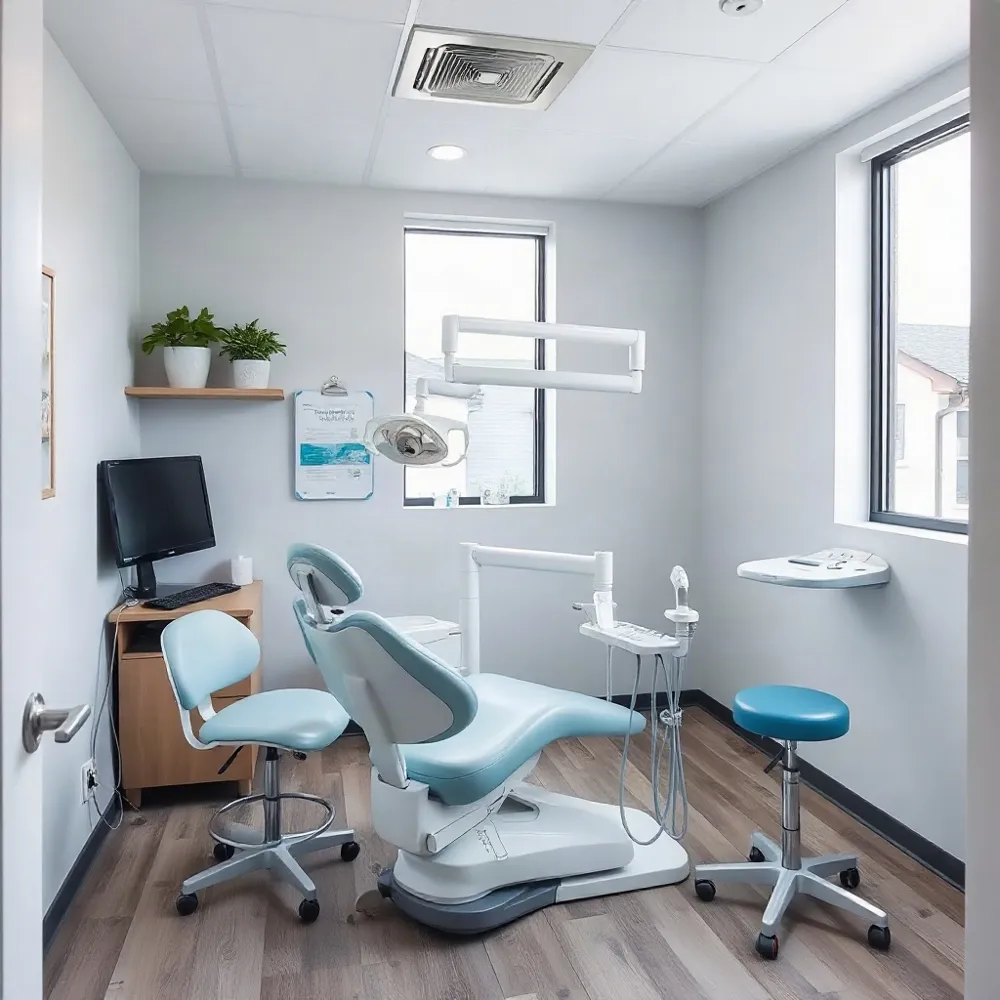 A chip limited to enamel may not hurt, but no pain does not guarantee that the damage is superficial. A fracture can extend beyond the visible edge, so a dentist needs to assess the tooth rather than relying on symptoms alone. Cleveland Clinic’s guidance on chipped teeth explains that an examination, and sometimes X-rays, can help determine the extent of the injury.
Before your appointment, note how much of the tooth appears to be missing and whether you can feel a sharp edge. Look for a yellow area, which may indicate exposed dentin, a pink area that could suggest deeper tissue is exposed, or a change in how your teeth meet when you bite. These observations can help you describe what happened, but they cannot confirm the depth of the damage.
Sensitivity to hot or cold, pain while chewing, swelling, or bleeding calls for prompt dental assessment. Loud Family Dental provides care for patients of all ages in Shreveport, where an in-person examination can help clarify whether the chip needs attention beyond protecting its appearance.
Until the tooth is checked, avoid hard foods and chewing on the affected side. If a jagged edge is irritating your tongue or cheek, cover it temporarily with dental wax. Arrange a dental evaluation even if the chip stays painless, since a dentist may recommend X-rays depending on the injury.
Why Teeth Chip During Ordinary Chewing
A tooth may chip after a fall, sports injury, or bite on something hard, such as ice or hard candy. But sometimes the trigger is ordinary chewing: the tooth has already been weakened, so everyday pressure is enough to break off a piece. Cleveland Clinic’s guidance on chipped teeth describes both sudden injuries and factors that can make teeth more prone to chipping.
Cavities can weaken tooth structure, while acidic foods and drinks or reflux may wear down enamel over time. Large fillings and previous dental work can also leave a tooth more vulnerable, especially if it has developed small cracks. Repeated grinding or clenching adds stress, and age-related wear or uneven bite pressure may place extra force on particular teeth.
A chip that appears during a routine meal can therefore be the first visible sign of an underlying problem, rather than evidence that chewing itself was unusually forceful. At Loud Family Dental, patients of all ages can have a chipped tooth assessed as part of the clinic’s comprehensive dental care. An exam can help identify decay, worn enamel, an older restoration, grinding, or bite issues and guide the next step.
Until the tooth is checked, avoid chewing hard foods on that side. The NHS also advises keeping a broken fragment in milk or saliva and bringing it to the dentist, since it may be possible to reattach it. NHS guidance on chipped, broken, or cracked teeth
What to Do Immediately After a Chip
Rinse your mouth gently with warm water to clear away debris. If swelling develops, hold a cold compress against your cheek for 10 to 15 minutes at a time. Avoid putting ice directly on the tooth.
If you find the broken piece, place it in a clean container and bring it to your appointment. A dentist may be able to reattach it, as described in NHS guidance on chipped teeth.
Choose soft foods and chew on the opposite side to limit pressure on the injured tooth. If a sharp edge is rubbing against your tongue or cheek, cover it temporarily with dental wax. An over-the-counter pain reliever may help, provided it is safe for you and you follow the label directions.
These steps can reduce irritation while you arrange care, but they cannot show how deep the damage goes or repair the tooth. Contact a dentist promptly for an assessment, even if the chip seems minor. Cleveland Clinic also advises bringing a saved fragment to a dental visit because reattachment may be possible (chipped tooth care).
For guidance on protecting the tooth while arranging an examination, see what to do when you have a chipped tooth. Loud Family Dental provides comprehensive dental care for patients of all ages in Shreveport. Seek urgent dental care if you have severe pain or bleeding that will not stop.
How Long the Tooth May Hurt
A minor chip may cause brief sensitivity that settles quickly. Deeper damage can hurt for several days or longer, especially if the chip reaches sensitive tissue beneath the enamel. The Cleveland Clinic’s guidance on chipped teeth notes that pain and sensitivity can occur when inner tooth tissue is exposed.
Continuing or worsening pain, sharp or throbbing discomfort, sensitivity to hot or cold, or pain when biting are reasons to have the tooth assessed. Symptoms alone cannot show how far the damage extends, so do not assume persistent pain will resolve without care.
Arrange a dental appointment promptly, even if the chip looks small. At Loud Family Dental, patients of all ages can receive care in a community-oriented clinic focused on comfort and professional attention.
While waiting to be seen, choose soft foods and avoid chewing on the injured side. These steps may reduce irritation, but they do not repair the chip or replace a dental examination.
Repair Options Depend on the Damage
Dentists choose a repair based on the chip’s size and location, and whether it extends beyond the enamel to the sensitive inner part of the tooth. An examination, and sometimes an X-ray, helps show what the damage requires. Cleveland Clinic’s guide to chipped-tooth treatment describes options ranging from smoothing to root canal treatment.
For a small chip, a dentist may smooth or polish a rough edge. Small or moderate damage may be repaired with tooth-colored composite bonding or a filling, restoring the tooth’s shape without covering the whole surface. At Loud Family Dental, the dentist can assess the injury in the context of the clinic’s comprehensive care for patients of all ages.
A veneer may improve the appearance of some chipped front teeth. When damage is more extensive, a crown can cover and protect the tooth. If the chip affects the nerve or inner tissue, root canal treatment may be needed before the tooth is restored. The NHS also lists fillings, crowns, and root canal treatment among possible options, depending on the injury: NHS guidance on chipped and broken teeth.
The goal is to restore comfortable function as well as appearance while protecting the remaining tooth. The appropriate treatment depends on the dentist’s findings, so a repair that suits one chip may not be right for another.
Why Home Repairs Are Only Temporary
Can I repair a chipped tooth at home or use a repair kit? No home method can permanently repair a chip. A dentist needs to assess the tooth, including damage that may not be visible, and recommend care. Depending on the injury, treatment may involve smoothing, bonding, a filling, or a crown. The Cleveland Clinic’s chipped-tooth guidance also notes that a dental professional must determine the extent of the damage.
Over-the-counter dental materials may briefly cover or protect the area, but they cannot restore the missing structure or check for hidden damage. Follow product directions, and use them only as a temporary measure while arranging an appointment. Do not use household glue, file or sand the tooth, or let a repair kit take the place of professional care.
While waiting to be seen, rinse gently with warm water, choose soft foods, and chew on the opposite side. Dental wax can cover a sharp edge that irritates your cheek or tongue. Contact a dentist urgently for severe pain, swelling, fever, or trouble swallowing. Loud Family Dental provides comprehensive dental care for patients of all ages in Shreveport, where a provider can assess the injury and discuss appropriate treatment.
Does a chipped tooth grow back, or will it stay chipped? An adult tooth does not replace lost enamel or tooth structure on its own, so the chip remains unless a dentist repairs it. Even without pain, an examination can help identify hidden cracks or weakened areas. If you find the broken fragment, keep it in a clean container and bring it to your appointment. A dentist may sometimes be able to reattach it, as the NHS guidance on chipped, broken, or cracked teeth explains.
What Repair May Cost
How much does chipped-tooth repair cost, and may dental insurance cover it? The answer depends on the chip’s size and location, the tooth involved, and the treatment a dentist recommends. General U.S. estimates are about $100–$600 for bonding, $500–$2,500 for a veneer, and $800–$3,500 for a crown. If damage reaches the tooth’s nerve, root canal treatment with a crown may cost about $1,500–$4,500. These are broad estimates, not Shreveport-specific prices or guaranteed fees.
A dentist’s examination helps determine which repair is appropriate, while the tooth’s condition and treatment needs affect the final amount. For more on how dental fees can vary, see this overview of cost, insurance, and financing.
Insurance may cover some or all of treatment considered necessary to restore a damaged tooth, but coverage depends on the plan, including its deductible, annual maximum, and other terms. Treatment considered cosmetic, including some veneers, may have limited coverage or be excluded. Loud Family Dental provides comprehensive dental care for patients of all ages in Shreveport, so patients can discuss the recommended repair and costs with the dental team.
Before proceeding, ask the dentist to explain the treatment recommendation and estimated fee, then confirm benefits and expected out-of-pocket costs with your insurer. A written estimate can help clarify what the plan may pay and what you may owe.
Get the Tooth Checked
A chipped tooth can be minor or involve deeper damage, so symptoms alone cannot confirm how serious it is. A dentist can examine the tooth and decide what care it needs. Loud Family Dental provides comprehensive dental care for patients of all ages in Shreveport, making it a local option for an assessment.
Until you are seen, avoid chewing on the injured tooth and cover a sharp edge with dental wax if needed. Contact a dentist promptly to arrange an appointment. Severe or worsening pain, ongoing bleeding, swelling, a loose tooth, or visible damage to the inner tooth calls for urgent attention. Do not wait for the chip to worsen before asking for professional guidance.