A Healthy Smile Through Treatment
Clear aligners are removable trays that gradually move teeth, making it easier to brush and floss than with fixed braces. Research suggests this access can support plaque control and gum health, though results vary and good hygiene remains essential (review of clear aligners and oral health).
At Loud Family Dental, treatment is part of comprehensive dental care for patients of all ages. Follow the wear schedule and cleaning instructions from your dental professional, since recommendations can differ by aligner system and individual needs. Regular brushing, flossing, and tray cleaning help care for your smile while treatment progresses.
How Clear Aligners Move Teeth
 Clear aligners are custom-made, transparent trays worn in sequence. A dentist or orthodontist plans the movement, often using an examination and digital scans or impressions, then directs when to change trays. Each tray fits over the teeth and applies gentle pressure to guide small adjustments. Learn more about how clear aligners move teeth.
Treatment planning starts with checking your teeth, bite, and goals. At Loud Family Dental, care is provided in a community-oriented clinic serving patients of all ages, where a dental professional can discuss whether aligners or another approach fits your needs.
Aligners may work well for some people with crowding, gaps, or certain bite concerns, especially when the needed movements are suitable for trays. They are not right for every case. More complex tooth movements or significant jaw-position concerns may call for braces or a specialist’s input, and some aligner plans include attachments or elastics. An examination is needed to determine candidacy.
Neither aligners nor braces are consistently faster. Treatment time depends on the amount and complexity of movement, as well as following the prescribed plan. Because aligners are removable, wearing them for the hours directed by your provider is essential; frequent or extended breaks may affect progress. Braces remain in place continuously and may suit some complex movements better.
Tooth movement is gradual, so early changes may be subtle. Some patients notice a difference within a few weeks, but the pace varies and no timeline is guaranteed. Your provider can estimate treatment length after assessing your teeth and monitor progress at follow-up visits. A 2023 review also notes that aligners can make brushing and flossing easier than fixed braces, while emphasizing that good hygiene and ongoing dental monitoring still matter (review of clear aligners and oral health).
Wear Expectations and Early Adjustments
Many clear-aligner plans call for wearing trays about 20–22 hours a day, but your treating provider’s schedule takes priority. Remove them for meals and drinks other than water, then clean your teeth and trays before reinserting them. For a broader look at daily wear expectations, see how clear aligners fit into a daily routine.
The phrase “30-minute rule” can mean different things. Some providers mean putting trays back in promptly, sometimes within 30 minutes; others mean waiting about 30 minutes after eating before brushing. Because instructions differ, ask your dental professional what applies to your plan and avoid unnecessary delays that cut into wear time.
Starting treatment or switching to a new tray may bring temporary tooth or jaw soreness, sensitivity, or mild irritation along the lips, cheeks, gums, or tongue. A slight lisp, dry mouth, bad breath, or changes in saliva can also occur as you adjust. These effects often ease, but contact your dental professional if pain or irritation persists, or if you have another concern.
At Loud Family Dental, clear aligners are part of comprehensive dental care for patients of all ages, with attention to comfort and professional guidance. Your provider can help you understand your wear schedule and address changes during treatment.
Meals, Drinks, and Aligners
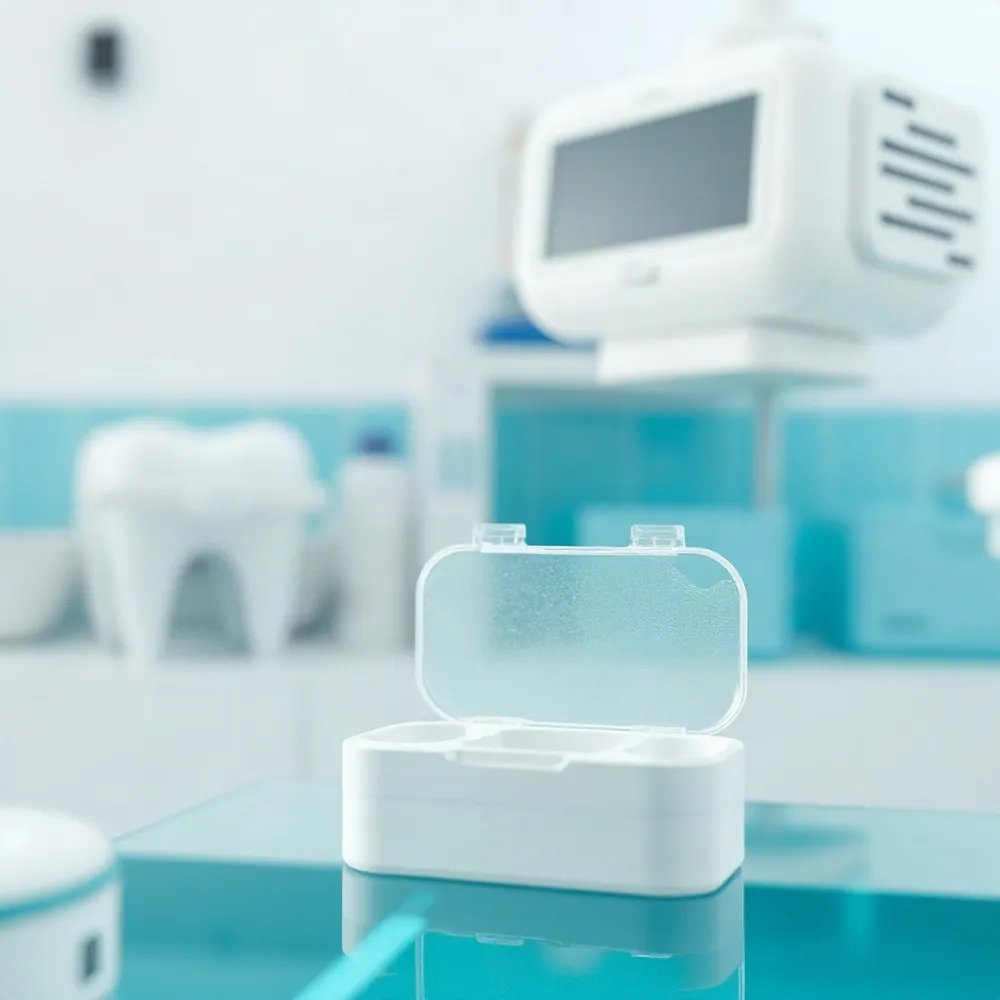 Remove your aligners before eating, even for a quick snack, and take them out before drinking anything other than plain water. Chewing can damage the trays, while coffee, tea, and other colored drinks may stain them. Hot beverages can also change the plastic’s shape, and sugary or acidic drinks can expose teeth to cavity-causing conditions.
With the trays out, most foods are still on the menu. Take care with hard foods such as ice or hard candy, which may chip teeth, and clean thoroughly after sticky or sugary choices so residue is not trapped beneath the aligners. The oral health review of clear aligners notes that trays cover tooth surfaces, making regular cleaning of both teeth and aligners important. They do not guarantee a lower risk of dental disease.
Keep the case nearby during meals rather than wrapping trays in a napkin, where they can be lost or damaged. Rinse your mouth after eating and brush before reinserting aligners when possible. For more guidance on meals and aligners, follow your dentist’s instructions, including advice suited to your treatment plan.
Daily Care for Teeth and Trays
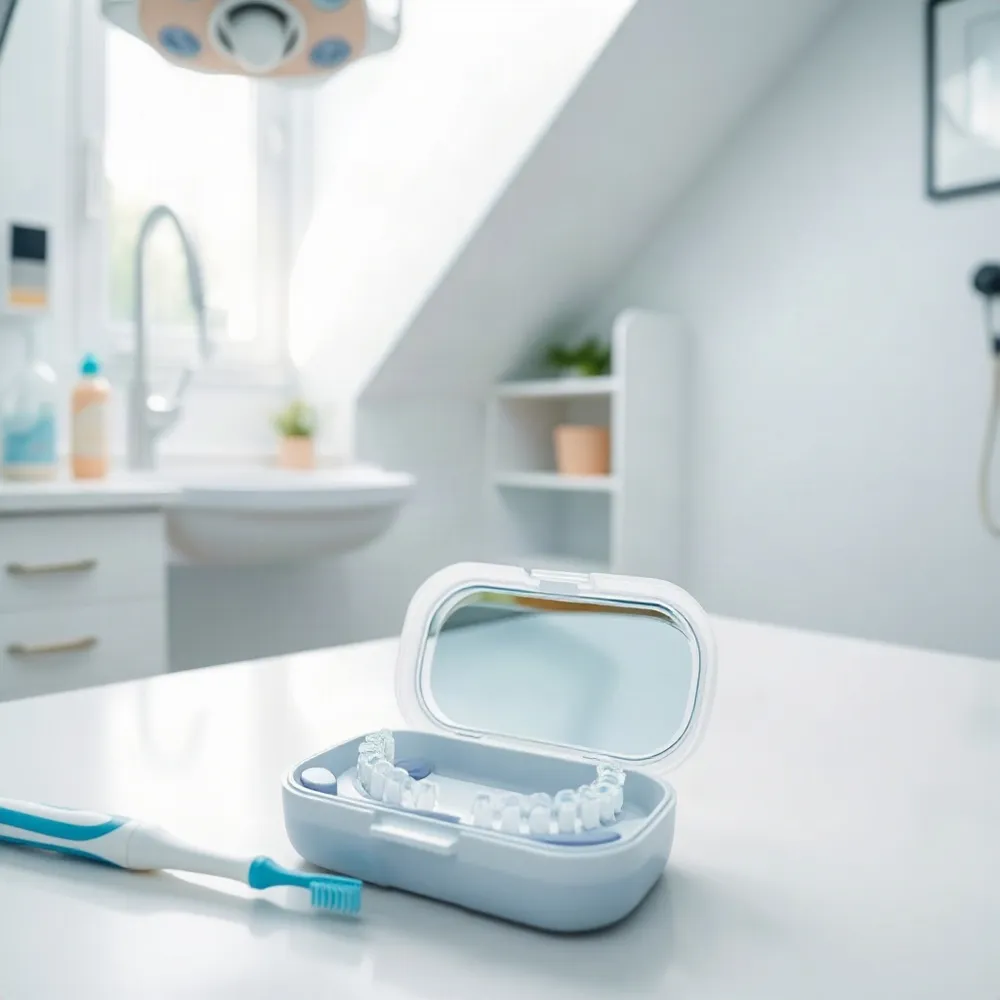 Good daily care means cleaning both your teeth and your aligners before the trays go back in. Remove them before meals and snacks, then brush with a soft-bristled toothbrush and fluoride toothpaste for about two minutes, paying attention to the gumline. Floss daily to clear food and plaque from between teeth.
If you cannot brush right away, rinse your mouth thoroughly with water and brush as soon as practical. Rinsing is only a temporary step, not a replacement for brushing and flossing. The routine follows the same basic principles as daily oral care, with particular care before trays are reinserted.
Rinse aligners with cool or lukewarm water whenever you remove them. Clean them gently each day with a soft-bristled brush and a product recommended by your dental professional or the aligner manufacturer, then rinse thoroughly. Research reviews describe biofilm forming on aligner surfaces, but available studies do not establish one best cleaning method for every patient or tray type (2022 systematic review; 2023 narrative review.
Avoid hot water, abrasive toothpaste, and harsh cleaners, which may damage or cloud the plastic. Use cleaning tablets only when the label confirms they are suitable for clear aligners, and follow the directions. Do not soak trays in mouthwash or try homemade soaks without checking with your provider. Put aligners in their case when not worn, and clean the case regularly. Loud Family Dental offers comprehensive dental care for patients of all ages, so patients can discuss oral-health concerns and care questions with a dental professional.
Storage, Retainers, and Follow-Up
Whenever your aligners are out, rinse them with cool or lukewarm water and follow your provider’s cleaning instructions. Keep them in their protective case rather than a napkin, where they can be accidentally discarded. Store the case away from heat, pets, and young children, since heat can warp the plastic and animals may chew the trays.
If an aligner is lost or damaged, contact the treating office for advice. Do not move ahead to the next set unless your dental professional tells you to, since the correct next step depends on your treatment plan. For more clear aligner storage and maintenance tips, keep trays protected whenever they are not being worn.
After active treatment, a customized retainer helps hold teeth in their new positions. Follow your provider’s wear schedule, which may change over time, and continue brushing twice a day and flossing daily. Clean removable retainers as directed, keep them in their case when not in use, and bring them to recommended follow-up visits.
If a retainer cracks, feels unusually tight, or no longer fits, contact a dental professional rather than forcing it into place. Regular follow-up allows your provider to check the retainer and your teeth and advise you on what to do next.
Planning for Treatment Costs
How much does clear aligner treatment cost? In the U.S., treatment often falls in the broad range of $3,000 to $8,000, but this is a general estimate, not a quote. Your personalized fee depends on the tooth movement needed, treatment length, provider, and whether visits or follow-up aligners are included. Adult clear aligner cost factors offers more context.
Aligner treatment is not automatically less expensive than braces. The Invisalign cost information says costs are comparable in most cases, while the final price depends on the individual treatment plan. At Loud Family Dental, treatment is part of a community-oriented dental practice serving patients of all ages in Shreveport.
Before deciding, ask whether your insurance includes orthodontic benefits, whether age limits apply, and what payment plans or financing are available. Request a written estimate that explains what the fee covers, including appointments and any additional trays that may be needed.
Keep Your Care Personalized
Consistent wear, clean teeth and trays, and safe storage all support care during clear-aligner treatment. Research links aligners with easier access for brushing and flossing, while noting that good hygiene and dental monitoring remain important (2023 review of clear aligners and oral health).
At Loud Family Dental, patients of all ages receive comprehensive dental care in a community-focused setting. Bring questions about cleaning products, discomfort, or your wear schedule to your dental professional, who can tailor guidance to your treatment and monitor your oral health.