
Making the Return
Deciding to return to the dentist can start with a simple thought: it is worth finding out how your mouth is doing, even when nothing hurts. You do not need to know what an exam might reveal before you make an appointment.
Time away can feel daunting. Anxiety, a busy schedule, or the assumption that everything is fine may each make it easier to postpone care. If worry is part of the hesitation, sharing what feels difficult can help the dental team respond with support. Dental anxiety is a recognized experience, not a reason to feel ashamed.
At Loud Family Dental, patients of all ages can receive comprehensive care in a community-oriented setting focused on comfort and professional attention. A checkup is an opportunity to understand your current oral health, ask questions, and discuss a practical plan. It is not a judgment about missed visits, or a commitment to take on every next step at once.
What a Checkup Can Reveal
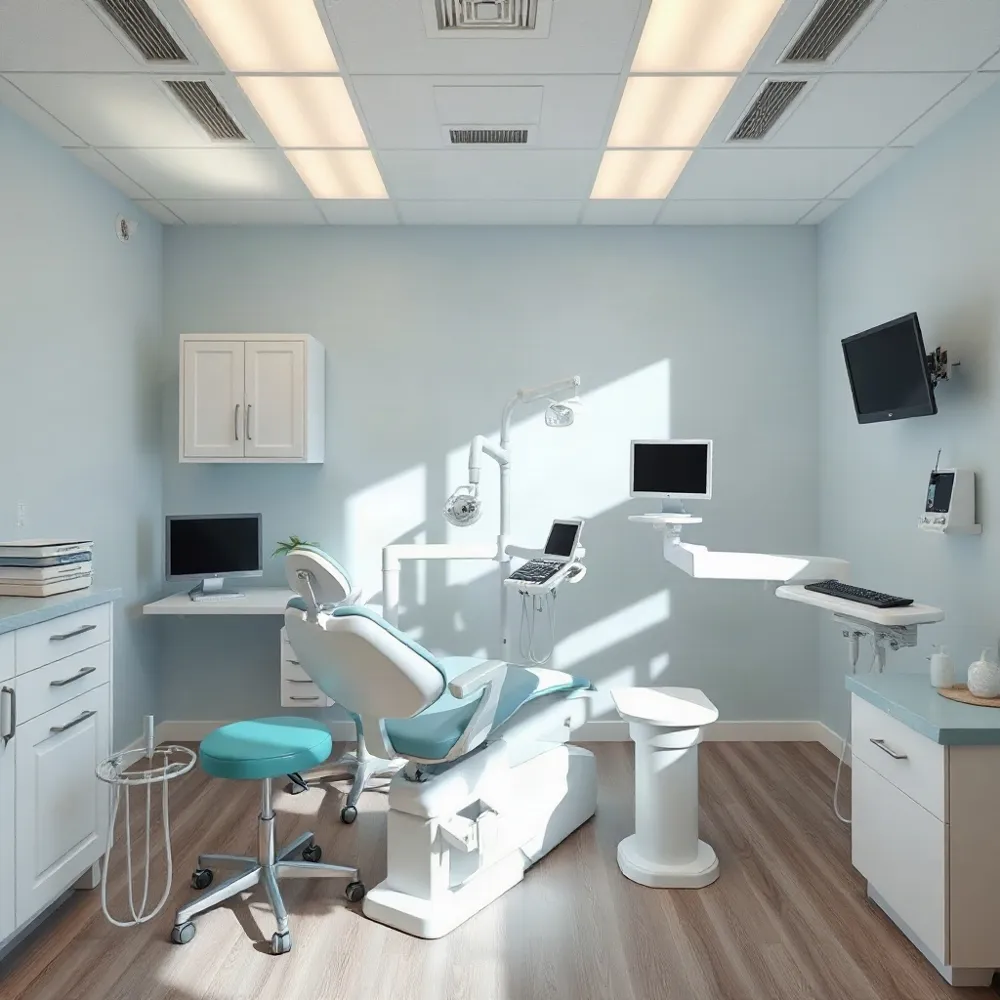 A tooth can look and feel fine while decay, gum inflammation, or a problem with an old filling or crown develops. No pain is reassuring, but it does not prove that everything is healthy. A checkup gives the dental team a chance to assess changes you may not be able to see yourself.
The visit usually begins with a review of your health history, medications, and any concerns, such as sensitivity or bleeding gums. The dentist or hygienist examines your teeth and gums, and may recommend X-rays if they would help assess areas that are not visible. A professional cleaning is often part of the same appointment, depending on your needs and the visit plan. It can remove plaque and hardened tartar, followed by polishing; fluoride may also be discussed based on your cavity risk.
If it has been years since your last visit, there may be tartar buildup or untreated concerns, but findings differ from person to person. The dentist can explain what they see without judgment and help you decide on manageable next steps. At Loud Family Dental, comprehensive care is available for patients of all ages, with a focus on comfort and professional care.
Regular visits also offer time to discuss home-care habits and ask what appointment interval suits your oral health and risk. Some people need closer monitoring, including those with a history of gum disease. For more on how routine visits support gum health, see the role of routine dental visits. Contact a dentist sooner if you develop pain, swelling, or persistent bleeding.
When Pain Needs Prompt Attention
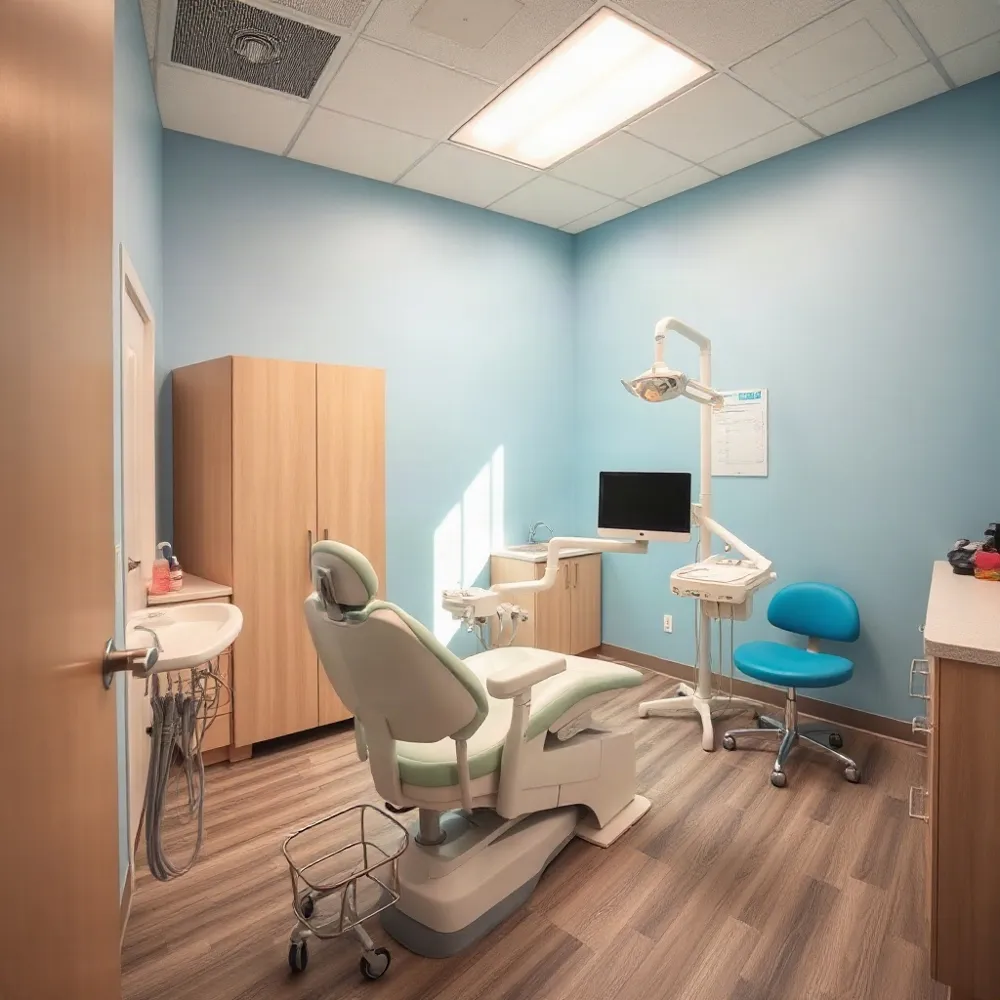 A mild, brief twinge or a small painless chip can usually be handled by arranging a dental appointment. Severe or worsening tooth pain, bleeding that will not stop, facial swelling, a suspected abscess, or a badly damaged tooth needs prompt professional advice. These signs can indicate a problem that should not wait for a routine checkup. See Cleveland Clinic’s guide to dental emergencies for examples and next steps.
For severe tooth pain or possible infection, contact a dentist promptly, especially if swelling, fever, or a bad taste accompanies it. An abscess can damage nearby tissues, and infection may spread, so do not wait to see if it clears on its own, even if pain eases. Loud Family Dental provides comprehensive dental care in Shreveport, including evaluation of urgent concerns.
While arranging care, rinse with warm water and gently floss to remove trapped food. A cold compress may help with swelling, and an over-the-counter pain reliever may be appropriate if it is safe for you and taken as directed. Never place aspirin directly on a tooth or gum, and do not take leftover antibiotics.
If a permanent tooth is knocked out, pick it up by the crown, not the root. Rinse it gently if dirty, without scrubbing, and keep it moist in milk or saliva while seeking dental care immediately. If it slips back into the socket easily, you may place it there gently, but do not force it. A baby tooth should never be put back into its socket. A loose or partly displaced tooth also needs prompt professional assessment.
For a problem outside regular office hours, call your dentist’s emergency line and follow its instructions. If you cannot reach the office, contact an emergency dental service. An emergency room is appropriate for serious injuries or severe symptoms, but it may not be able to provide restorative dental treatment such as a filling or crown.
Call 911 or seek emergency medical care for difficulty breathing or swallowing, rapidly spreading swelling, uncontrolled bleeding, or severe illness. Swelling under the tongue or spreading into the neck is especially concerning and should not wait for a dental appointment.
Making Dental Anxiety Manageable
 Dental anxiety can range from unease before an appointment to intense fear that makes care feel impossible. It may follow a painful or upsetting visit, but fear of pain, losing control, unfamiliar sounds and sensations, or discomfort with treatment can also play a part. Triggers differ from person to person.
Anxiety may show up as tension, worry, trouble sleeping, crying, sweating, nausea, or a racing heartbeat. Some people cope by putting off appointments, which can make returning feel harder. Harvard Health’s guidance on dental anxiety recommends identifying specific fears and discussing them with the dentist.
Tell the dental team what feels difficult, including any past experience that still worries you. Ask them to explain each step, and agree on a hand signal that means you need a pause. Breaks, headphones, music, slow breathing, or a supportive companion may help if the office allows them. At Loud Family Dental, patients of all ages receive care in a community-oriented clinic focused on comfort and professional care.
If anxiety feels severe, contact the dentist before your visit to discuss suitable support. Medication or sedation should be considered with a clinician who knows your health history, and you should not take medication on your own to calm down. For more ideas, see these practical strategies for managing dental anxiety.
Helping Children Feel Safe
Children may feel more at ease when they know what to expect. Explain the visit in calm, age-appropriate language, describe what your child may see or hear, and leave time for questions. Stanford Medicine Children’s Health recommends preparing children for the dental setting and discussing concerns with the dentist. Its first-visit guidance also notes that children’s comfort and readiness can vary with age.
When booking, tell the dental team about your child’s worries, sensory needs, or past experiences. That context can help the team adjust explanations and support to the child’s needs. At Loud Family Dental, care for patients of all ages is centered on comfort, so caregivers can raise these concerns before the appointment.
If a child is uncertain, ask whether a brief familiarization visit is possible, giving them a chance to see the office and meet the team before treatment. During an appointment, supportive guidance should fit the child’s age and comfort level. Praise their effort, even if the visit feels difficult, and discuss ongoing anxiety with the dentist rather than forcing the child or dismissing their concern. Families can also review ways to prepare a child for a positive dental visit.
Understanding Everyday Dental Changes
Small changes in your teeth or gums can raise questions, but their appearance alone may not reveal what is happening. A dental exam can help distinguish changes that may respond to home care from those that need treatment. At Loud Family Dental, patients of all ages can discuss their concerns as part of the clinic’s comprehensive dental care.
Can tooth decay be stopped once it starts?
Early decay may sometimes be stopped or reversed before a cavity forms. A dentist may recommend fluoride along with brushing twice a day with fluoride toothpaste, cleaning between teeth, and limiting frequent sugary snacks and drinks. These steps support enamel, but they cannot rebuild a hole once decay has damaged the tooth structure. Depending on the exam, treatment may involve a filling or another approach; silver diamine fluoride can help stop decay in some cases, though it may darken the treated area and is not suitable for every tooth.
For more on everyday prevention, see how early tooth decay may be managed.
Can tooth sensitivity go away on its own?
Mild sensitivity sometimes fades, especially when it follows temporary irritation such as teeth whitening. Recurring or persistent sensitivity can also come from a cavity, crack, worn filling, gum disease, worn enamel, or an exposed root. Brush gently with a soft-bristled toothbrush and fluoride toothpaste; desensitizing toothpaste may help after repeated use. If discomfort persists, worsens, or keeps returning, arrange an evaluation. Severe pain or swelling calls for prompt dental advice.
Why might dark gaps appear after a cleaning?
Dark triangular spaces near the gumline may become easier to see after plaque or tartar is removed, or as inflamed gums heal and become less swollen. Gum recession, bone loss, and the natural shape of the teeth can also contribute. A routine cleaning does not usually create new spaces, although a deep cleaning may make existing changes more noticeable. The dental team can examine the gums and explain whether any follow-up care is needed.
Planning Treatment One Step at a Time
A treatment recommendation is a chance to understand what the dentist found and talk through options, timing, and recovery. At Loud Family Dental, patients of all ages receive comprehensive dental care, and questions about the plan can help clarify what needs attention first.
There is no single safe waiting period for a root canal. If your dentist recommends one, arrange it as soon as practical rather than waiting for pain to worsen. Pain that fades does not necessarily mean the tooth has healed. Contact the office promptly about worsening pain or swelling, and seek urgent care for fever, facial swelling, or difficulty swallowing. Cleveland Clinic’s dental emergency guidance explains when symptoms need immediate attention.
A dentist may recommend removing a tooth if it is severely damaged, infected, crowded, or causing another problem. Depending on its position and condition, removal may be a straightforward extraction or require surgery. Ask what to expect, how comfort will be managed, and whether replacing the tooth is appropriate. Follow the aftercare instructions and contact the office if recovery raises concerns. You can also discuss findings, options, and timing before deciding on next steps in a treatment plan conversation.
A Manageable Next Step
You do not have to resolve every dental concern at once. Making an appointment with Loud Family Dental in Shreveport is a practical first step toward understanding what your mouth needs.
Share any symptoms, questions, or worries with the dental team, including anxiety about treatment. Open communication can help shape a visit around your concerns, while Harvard Health’s guidance on dental anxiety supports discussing specific fears with your dentist.
A timely evaluation can clarify what is happening and help you consider your options. You can make informed decisions one step at a time.