A Little Preparation Goes a Long Way
A first dental appointment is a chance to discuss what is bothering you, learn about your oral health, and give the dental team a starting point for future care. You do not need to have perfect teeth or arrive with every detail of your health history. Share what you know, including any pain, sensitivity, medications, or past dental experiences, and ask the team to explain anything that is unclear.
At Loud Family Dental, patients of all ages can receive comprehensive dental care in a community-oriented setting focused on comfort. If you are unsure what information to bring or how to prepare, contact the office before your visit. The National Institute on Aging’s appointment preparation advice also recommends writing down questions and sharing relevant health information, a useful approach for making the most of a conversation with your care team.
Book the Visit and Gather Your Checklist
 Start by choosing a dental office that fits your needs, then contact it by phone or use online scheduling if available. For families in Shreveport, Loud Family Dental provides care for patients of all ages with a focus on comfort and professional care. Tell the team you are a new patient and whether you need a routine checkup or help with a specific concern. Have your contact details and insurance information ready, and ask about available times, preferred providers, and what to bring.
What is the first step in scheduling a dental appointment?
Choose an office, make contact, and briefly explain why you are booking. Ask whether new-patient forms can be completed in advance. If paperwork will be done at the office, allow extra time for check-in. You can also ask whether the office needs records from a previous dentist.
How can I prepare for a first appointment with a new dentist?
Gather relevant dental and medical history, a current list of medications and allergies, and insurance information if applicable. If you have recent dental X-rays or records, ask your previous dentist whether they can send them to the new office. The National Institute on Aging’s appointment-preparation guidance also recommends preparing health information and questions before a medical visit.
Write down symptoms, concerns, and questions so you can describe them clearly. Note any treatment or comfort preferences, and tell the dental team about anxiety, sensitivity, or accommodations that may help. For more ideas on organizing documents and questions, see this first-appointment checklist.
Plan a Child’s First Dental Visit
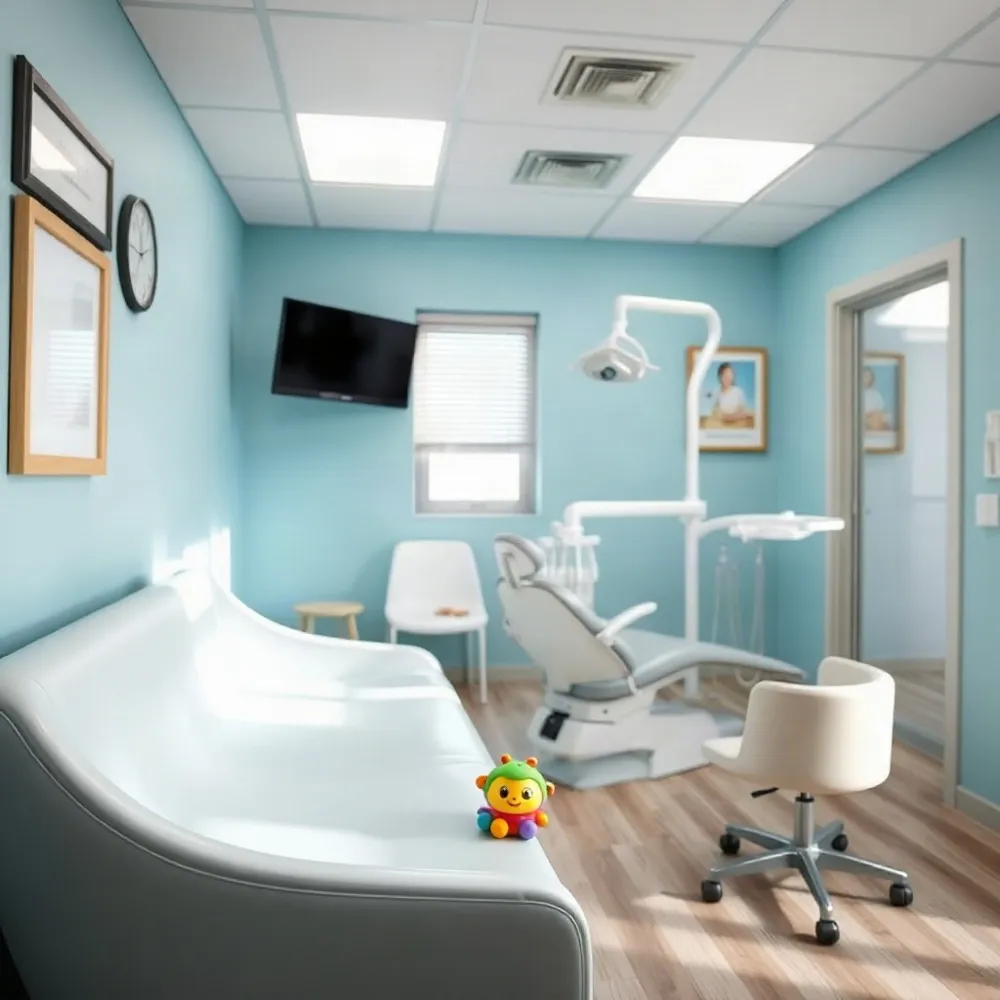 A child’s first dental appointment is about more than checking for cavities. It gives the dentist a chance to review how the teeth and jaw are developing, answer caregiver questions, and help the child become familiar with dental care. At Loud Family Dental, care is available for patients of all ages, so families can discuss a child’s needs as part of a broader dental-care routine.
When should a child have their first dental visit?
Schedule the visit after the first tooth appears and no later than the first birthday, or within six months of that first tooth erupting. Early care can identify concerns and give caregivers advice on cleaning baby teeth, fluoride, feeding, teething, pacifiers, and cavity prevention. The American Dental Association’s guidance on a baby’s first dental visit also notes that a parent may hold a baby during the examination if needed.
Keep the explanation simple and positive, and choose a time when your child is usually rested. Bring the child’s health history and note any questions or habits you want to discuss. For more help with timing, see this guide to planning a child’s first dental visit.
Know What to Expect With a Baby

What should parents expect at a baby’s first dental appointment?
Plan the first visit after your baby’s first tooth appears and no later than the first birthday. The dentist will review your child’s health and dental history, then check the teeth, gums, jaw, and mouth for development, cavities, injuries, or other concerns. The American Dental Association’s guidance on a baby’s first dental visit explains what families can expect and how to prepare.
Depending on your baby’s needs, the dentist may gently clean the teeth and offer advice on daily brushing, feeding, fluoride, teething, and habits such as thumb-sucking or pacifier use. If your baby is not comfortable sitting alone in the dental chair, you may be able to hold them on your lap during the examination.
Some wiggling or crying is normal in an unfamiliar setting. A time when your baby is usually rested and cooperative, rather than close to naptime, may make the visit easier. Try talking about the appointment in a positive way and practicing opening your baby’s mouth at home. Loud Family Dental provides care for patients of all ages, so caregivers can raise questions about their baby’s comfort and oral care with the dental team.
Write down questions you want to remember, such as when to start brushing or how teething, feeding, or pacifier use may affect your baby’s teeth. You can also read about what to expect at a baby’s first dental visit before the appointment.
Returning After Time Away
If it has been years since your last dental visit, you can still come in without having every detail of your dental history at hand. Be candid about your health history, medications, current concerns, and any anxiety. The team at Loud Family Dental provides care for patients of all ages, and sharing what you know helps the dentist understand your needs.
What usually happens at a first dental appointment after years away from the dentist?
The visit usually begins with a conversation about your health and dental history, medications, symptoms, and concerns. The dentist then examines your teeth, gums, bite, and other oral tissues. X-rays may be recommended if the dentist needs information that cannot be seen during the visual exam. You can ask why imaging is suggested and what it may help assess.
A cleaning may be appropriate at the first appointment, but it is not guaranteed. Depending on your oral health, the dentist may recommend a different type of cleaning or arrange it for another visit. After the examination, the dentist will explain the findings and discuss recommended care, including what should be addressed first and what can wait. At Loud Family Dental, this conversation is part of care tailored to each patient's needs.
Ask the dentist to clarify anything that is unclear, including the purpose, timing, and expected cost of proposed care. If you feel uncomfortable, say so or request a pause. Sharing your concerns openly can help the team respond and make the visit more manageable. The National Institute on Aging's appointment preparation guidance also recommends preparing questions and sharing relevant health information with your clinician.
If you are returning after a long absence, learn what to expect during your first visit in years and bring the details you remember. A complete record is helpful, but an honest starting point is enough to begin the conversation.
Follow Preparation Instructions Carefully
Before a routine dental checkup, most patients do not need to avoid food or drink unless the dental office gives different instructions. At Loud Family Dental, follow the directions provided for your specific visit, and call the office if anything is unclear. General preparation guidance is available in this article on getting ready for a dental visit.
What should I avoid doing before a dental appointment?
If your visit involves sedation, follow the written instructions from the dental team about fasting, drinks, and medications. Do not guess about when to stop eating or drinking, and do not pause a prescribed medicine without checking with the office. Alcohol and recreational drugs may interfere with sedation medication, so avoid them beforehand and contact the office if you have questions.
For a routine visit, brush and floss as usual. Tell the dental team about symptoms, new health concerns, medication changes, or other relevant updates rather than leaving them out. This information helps the team plan care safely. If instructions conflict with your usual routine or are unclear, call Loud Family Dental before your appointment instead of making assumptions.
Use the 2-2-2 Rule as a Reminder
What is the 2-2-2 rule in dentistry?
The 2-2-2 rule is a simple reminder: brush twice a day for two minutes each time, and see a dentist twice a year. It offers an easy routine to remember, while your own dental team can advise you if your oral health calls for a different visit schedule.
Brush gently with fluoride toothpaste, covering every surface, including the gumline and back teeth. Brushing before bed is especially helpful because it clears away plaque and food debris from the day. For a family-friendly reminder, Loud Family Dental’s 2-2-2 Rule explains the habit in simple terms.
Regular examinations let a dentist check your teeth and gums and discuss any changes or concerns. A professional cleaning may be provided when appropriate, but the need and timing depend on your oral health. Patients at Loud Family Dental can ask the team what schedule best fits their preventive care needs.
Arrive Ready to Ask Questions
A short checklist can help you remember symptoms, questions about costs, and anything you want clarified about recommended care. Share your concerns honestly, and ask what the findings mean and what steps can wait or need attention.
If you are unsure which forms or records to bring, contact the dental office before your appointment. Loud Family Dental provides care for patients of all ages in Shreveport, so families can discuss their needs with a local dental team. Schedule routine care instead of waiting for a concern to worsen, and leave with a clear understanding of your next steps.