The Silent Struggle With Dental Anxiety
Dental anxiety is one of the most common conditions worldwide, affecting an estimated 50% to 80% of U.S. adults to some degree. For many, this unease is manageable, but for a significant portion of the population, it escalates into a profound fear that leads to years of avoidance. Studies show that moderate to severe dental anxiety affects between 9.3% and 24.3% of people globally, while dental phobia affects 3.1% to 12.5% [PMC4790493]. This fear is not a minor inconvenience. It is a serious barrier that keeps people from seeking care, resulting in deteriorating oral health and an increased need for complex, often painful, restorative treatments.
The stories of those who have lived with this fear are both heartbreaking and inspiring. One patient, sharing anonymously on a support forum, described avoiding the dentist for more than 30 years. They endured broken molars and constant pain, hiding their mouth out of shame, until they finally mustered the courage to seek help. Another patient, after 15 years of neglect, walked into a dental office crying, terrified of being judged. The relief came when the dental team responded not with criticism, but with understanding and reassurance. These experiences are not rare. The shame and fear of being scolded often compound the original anxiety, trapping patients in what experts call the "vicious cycle of dental anxiety" [betterhealth.vic.gov.au].
At Loud Family Dentistry, the team is trained to break this cycle. They understand that a patient who has not visited a dentist in years does not need a lecture. They need a safe environment where their fears are respected, their questions are answered, and their care is paced to their comfort level. For many patients, finding a compassionate dentist who will listen without judgment is the single most important step toward reclaiming their oral health [UTHSCSA]. Whether the cause of the fear is a past traumatic experience, a fear of needles, or the sound of the drill, a skilled dental team can tailor an approach that makes the first visit a positive, rather than a terrifying, experience.
This article explores the causes and symptoms of dental anxiety, shares real patient journeys of overcoming their fears, and details the practical strategies and treatment options that can make a dental visit a calm, manageable experience. Whether you are reading this for yourself or for a loved one, know that you are not alone, and that help is available.
What Is Dental Anxiety and Why Does It Happen?
 Dental anxiety is the fear, stress, or unease associated with dental settings. It ranges from mild nervousness to dentophobia, a severe, irrational fear that can lead people to avoid care even when in pain. Between 50% and 80% of U.S. adults experience some degree of this anxiety.
Common triggers include needles, drills, dental sounds and smells, a sense of loss of control, and the feeling that one's personal space is invaded. Contributing factors can be past traumatic dental experiences, a family history of anxiety or phobias, genetic predisposition to pain sensitivity, and negative stereotypes from movies or television shows.
Past trauma. A bad childhood dental visit or other invasive medical procedure can create a lasting fear that resurfaces with each new appointment.
Loss of control. Sitting in a reclined chair with someone's hands in your mouth can make you feel helpless, which triggers a fight-or-flight response.
Mental health conditions. Generalized anxiety disorder, PTSD, or conditions such as agoraphobia can amplify dental fears, making the dental environment especially stressful.
Media portrayals. Scenes of painful drilling or sadistic dentists in movies and TV shows can reinforce a fearful mindset, even if the viewer has never had a negative real-life experience.
For many, the anxiety creates a difficult cycle: avoiding the dentist leads to worsening oral health, which then demands more complex treatment, which fuels even greater fear. The team at Loud Family Dental understands this pattern well and works with each patient to break the cycle through compassion, clear communication, and tailored anxiety management strategies.
According to a 2021 study, dental anxiety is one of the most common conditions globally. Approximately 36% of people in the U.S. have some fear of dental treatment, and about 12% have an extreme fear that can be classified as dental phobia. Rates of moderate to severe dental anxiety fall between 9.3% and 24.3% worldwide.
Understanding what triggers your specific fear is the first step toward managing it. At Loud Family Dental, every conversation starts by listening to your concerns so that together you can build a plan that makes you feel safe and in control.
Recognizing the Signs: Symptoms of Dental Fear
Dental anxiety shows up in different ways for different people. Recognizing your own warning signs is the first step toward getting the right support. Some symptoms are physical: a rapid heartbeat, sweating, trembling, dizziness, feeling faint, or an upset stomach are all common physical responses. Emotional signs include feelings of dread, panic, crying, irritability, and trouble sleeping the night before an appointment.
Behavioral signals are often the most telling. Patients may repeatedly cancel or avoid appointments, use humor to mask their fear, or become irritable or aggressive when the topic of dentistry comes up. Others withdraw entirely, missing routine care for years even while knowing they need treatment.
The Vicious Cycle of Dental Anxiety
When anxiety causes a patient to skip appointments, small problems like a minor cavity can grow into advanced decay, gum disease, or even tooth loss. The more complex the treatment becomes, the more intimidating the dental visit feels, which deepens the fear and leads to further avoidance. This is called the vicious cycle of dental anxiety. Breaking the cycle starts with a single, supportive visit.
One Patient’s 30-Year Journey to Overcoming Fear
A patient known as "ChockFullONuts" on the Dental Fear Central forum had not visited a dentist in over 30 years. Three broken molars, two worn down to the gums, caused constant pain. Shame about the condition of their mouth and deep-seated anxiety kept them from seeking help.
The turning point came when the patient began reading success stories online from others who had conquered similar fears. Inspired, they searched for a compassionate dentist by reading reviews and specifically chose a practice that offered sedation.
For the first appointment, the patient used oral sedation, describing the experience as "fantastic" and feeling "so chill." The procedure involved three extractions and fillings. Afterward, the patient reported that the fear they had carried for decades was "poof, gone." This story shows that even the most long-standing dental anxiety can be overcome with the right support and a gradual approach.
At Loud Family Dental, we understand that taking the first step is the hardest part. Our team is ready to listen without judgment, explain every option clearly, and work with you to build a plan that respects your comfort. You don't have to face your fear alone.
How Dentists Help Anxious Patients Feel at Ease
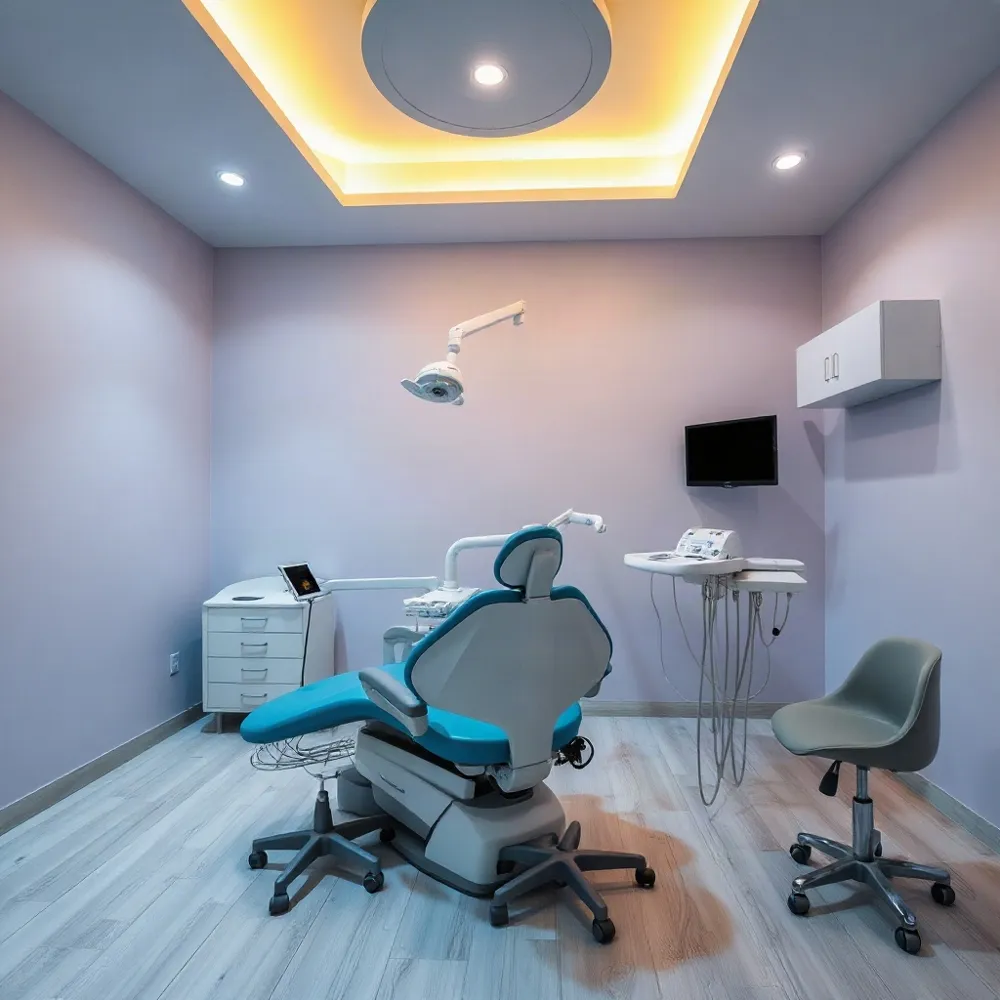 A dentist who understands your anxiety can make all the difference. The first step is open communication: letting your dentist know about your fears allows them to tailor every aspect of your visit. Many practices create a calm environment, encourage you to ask questions, and explain each procedure step-by-step in a reassuring manner.
During treatment, relaxation techniques are widely available. You can listen to music through headphones, watch TV, or use a weighted blanket to feel grounded. Agreeing on a stop signal, such as raising your hand, gives you control to pause whenever you need a break.
For patients with moderate to severe anxiety, sedation offers powerful relief. Nitrous oxide (laughing gas) produces a calm feeling that wears off quickly. Oral sedation uses a pill taken before the appointment, and IV sedation provides deeper relaxation while you remain responsive. General anesthesia is reserved for the most extreme cases, typically in a hospital setting.
Severe dental phobia sometimes requires a multidisciplinary approach. Your dentist may refer you to a psychologist for cognitive behavioral therapy (CBT), which helps reframe negative thoughts and behaviors through gradual exposure in a controlled setting. Dentists often work alongside mental health professionals to ensure every patient receives comprehensive, compassionate care.
Practical Tips for a Calmer Dental Visit
Building a Foundation of Trust and Comfort
One of the most effective ways to reduce anxiety before a dental visit is to schedule a consultation first. Meeting the dentist in a non-treatment setting allows you to discuss your fears without pressure and assess whether the environment feels right for you. Patients who have avoided care for years often report that a simple, pressure-free conversation with a compassionate dentist was the turning point.
During the appointment itself, several techniques can help you stay calm. Practicing deep breathing or progressive muscle relaxation before and during the procedure can lower your heart rate and ease tension. Many patients also find that listening to music or a podcast through headphones provides a welcome distraction, shifting focus away from the sounds of the drill.
Feeling in control is crucial for managing anxiety. Agreeing on a stop signal, such as raising your hand, lets you pause treatment whenever you need a break. Bringing a trusted friend or family member to sit with you can also offer significant emotional support. At Loud Family Dental, the team encourages patients to use these techniques and openly discuss their needs, ensuring every visit is tailored to individual comfort levels.
Choosing the Right Environment
Finally, consider scheduling your appointment at a less busy time of day. Fewer people in the waiting room and a quieter office can reduce sensory overload and make the experience feel more personal and less rushed. Taking these simple steps transforms a dental visit from a source of dread into a manageable, even positive, part of your healthcare routine.
Finding a Dentist and Community That Understands You
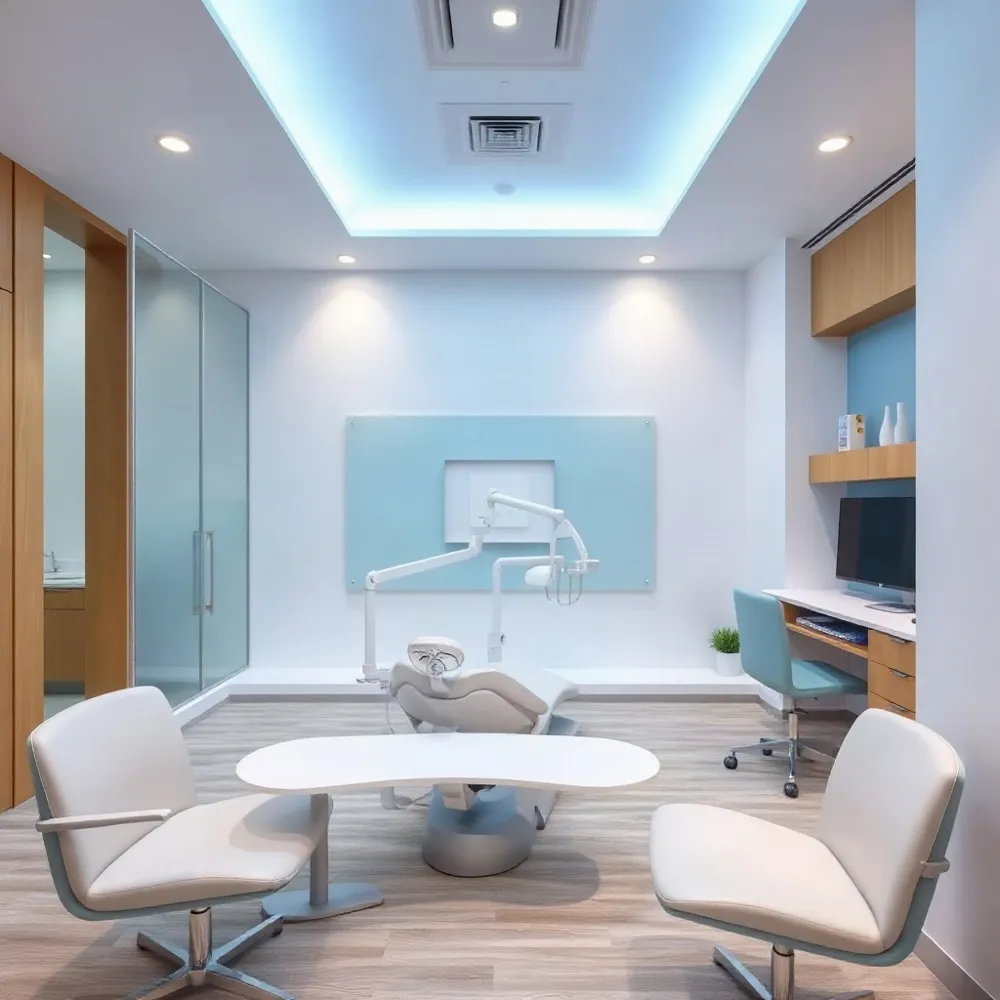 One of the most important steps in overcoming dental anxiety is finding a dental practice where you feel safe and respected. A compassionate, non-judgmental dentist who specializes in treating anxious patients can change the entire experience. If you have dental fear, look for a practice that advertises a "fear-free" approach or sedation options.
Online reviews are a helpful resource. Search for mentions of how a dentist treats nervous patients, whether the staff is kind and patient, and if the office offers a calming environment. A positive review from someone who shares your experience is a good sign.
Consider scheduling a "meet and greet" visit before any treatment. This allows you to talk with the dentist, ask questions, and gauge your comfort level in the office. Many anxious patients find that meeting the dentist beforehand, in a non-treatment setting, reduces fear of the unknown and builds trust.
You are the one in control of your dental care. If you ever feel uncomfortable or unsafe with a provider, you have every right to leave and find someone else. A good dentist will welcome your concerns and work with you at your pace.
Finding Support in a Community
You do not have to face dental anxiety alone. Online communities like the Dental Fear Central forum offer a safe space where people share their stories, ask questions, and offer encouragement. Reading success stories from others who overcame severe dental phobia can provide hope and practical advice for your own journey.
Local practices that understand anxiety can also become part of your support network. At Loud Family Dental, the team is trained to offer a judgment-free environment and to tailor each visit to the patient's comfort level. Letting your dentist know about your fears allows them to adjust their approach, using gentle communication, breaks when needed, or sedation to make the experience easier.
Your Path to a Fear-Free Smile Starts Today
Dental anxiety is a common and treatable condition, not a permanent sentence. From simple relaxation techniques like deep breathing to cognitive behavioral therapy or sedation options such as nitrous oxide, there are many effective strategies available to help you receive the care you need.
Taking the first step begins with acknowledging your fear and finding a dental team that respects it. At Loud Family Dental, we are dedicated to creating a comfortable, judgment-free environment tailored to anxious patients. Our team will work with you to choose the approaches that fit your needs, whether that means a slower pace, a stop signal, or sedation.
Seeking help is an act of courage that leads to better oral and overall health. You do not have to face this alone. Contact us today to schedule a consultation and take the first step toward a fear-free smile.