Introduction
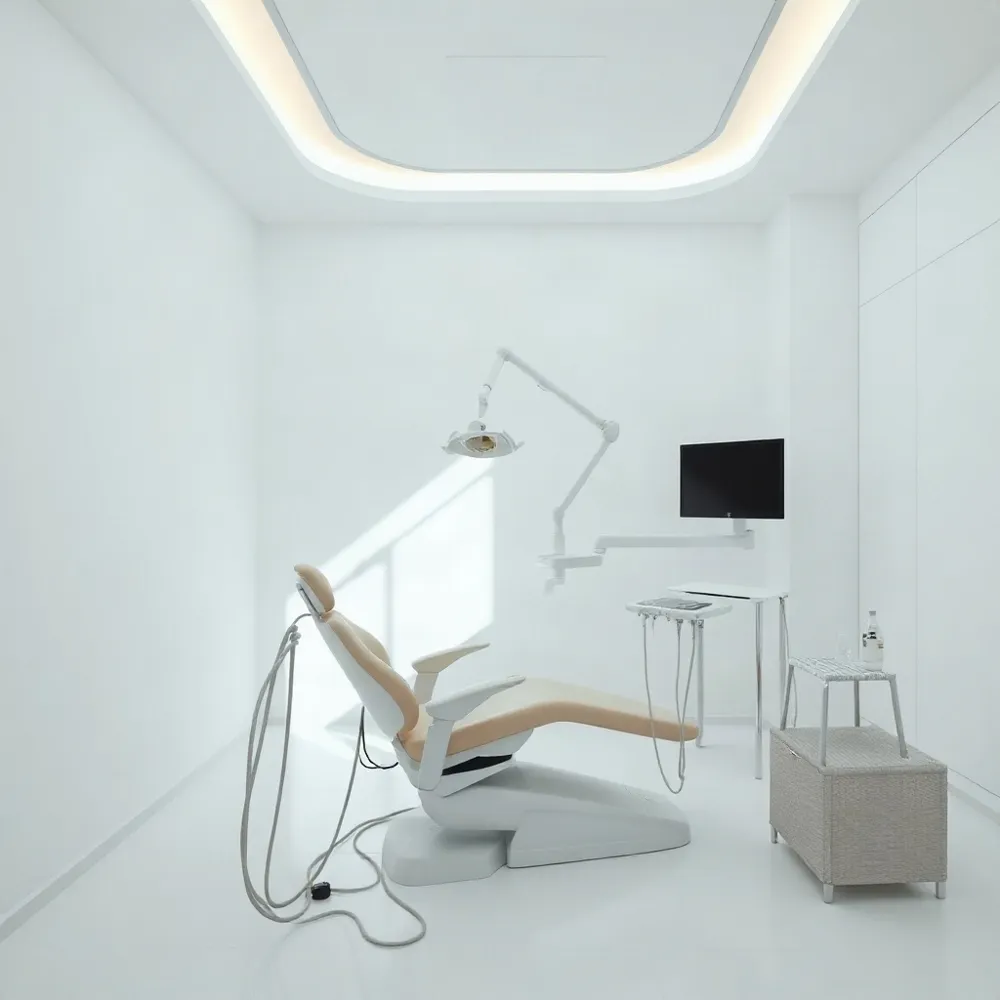
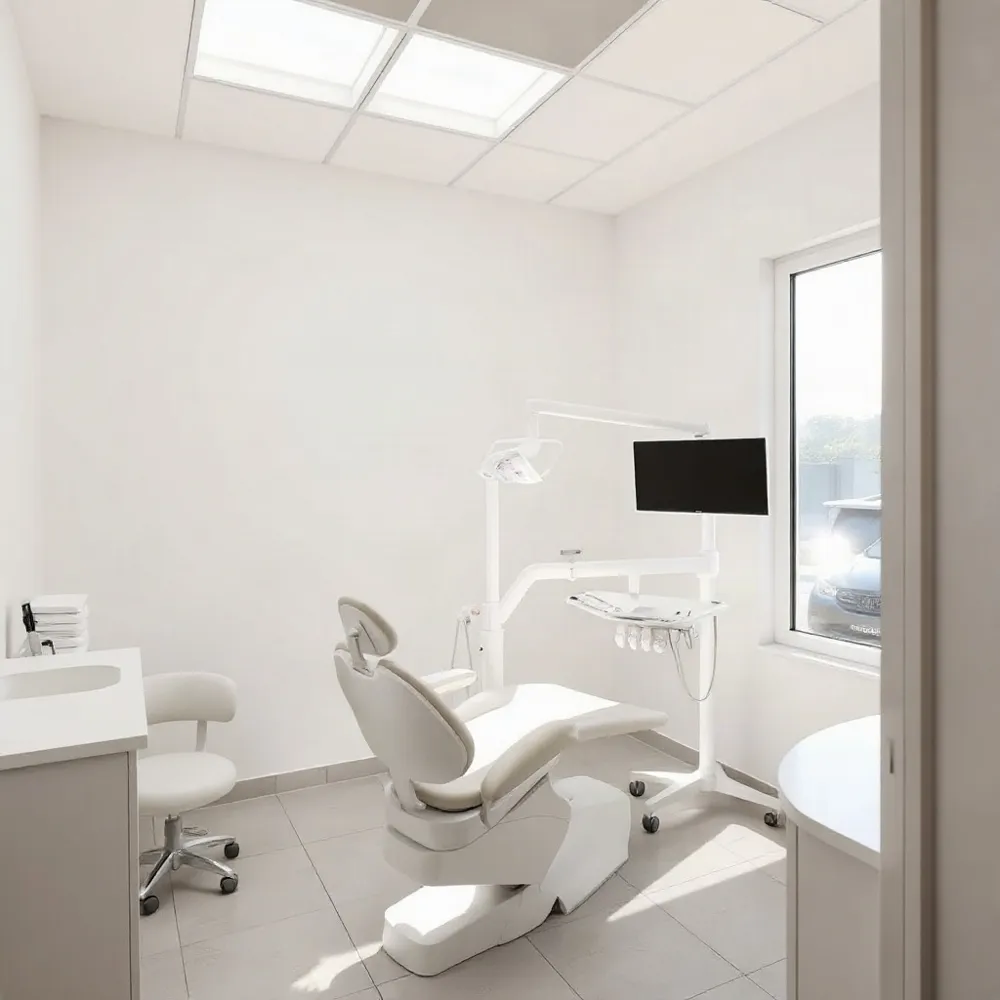
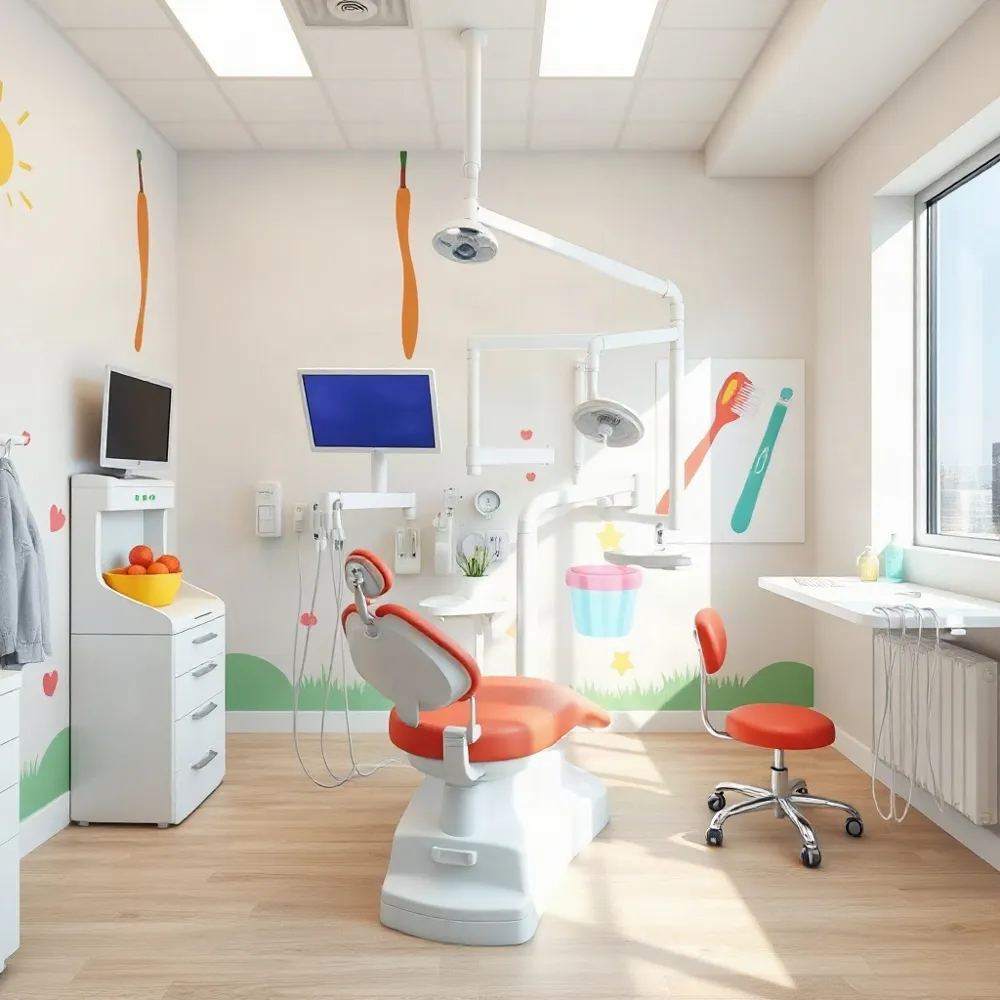
Dental anxiety—often sparked by fear of pain, needles, or loss of control—affects roughly 15‑20% of adults and can lead to missed appointments, worsening oral health, and higher treatment costs. When anxiety goes untreated, it may evolve into dental phobia, a specific phobia recognized in the DSM‑IV, prompting patients to avoid care entirely. Loud Family Dental, a community‑oriented clinic in Shreveport, Louisiana, embraces a "comfort‑first" mission. The practice prioritizes compassionate communication, gentle techniques, and a soothing office environment to help patients feel safe. By offering clear explanations, personalized sedation options, and flexible scheduling, Loud Family Dental strives to transform dental visits from stressful events into positive, confidence‑building experiences.
Understanding Dental Anxiety and Its Roots
 Dental anxiety is a normal, fight‑or‑flight response that creates nervousness or panic at the thought of or during a dental visit. It is distinct from everyday nervousness and can range from mild unease to severe fear. In the United States, dental anxiety is widespread—studies estimate that 50‑80 % of adults experience some level of fear, with 9‑15 % avoiding care altogether. This high prevalence makes it one of the most common phobias in the country.
What is the name of dentist phobia? The intense, irrational fear of dental treatment is called dental phobia, also known as dentophobia or odontophobia.
What causes dental anxiety? Triggers include past painful dental experiences, the sight or sound of needles and drills, fear of loss of control, cultural stereotypes of harsh dentists, and a personal or family history of anxiety disorders. The body’s natural stress response amplifies these worries, especially when the mouth feels vulnerable.
How common is dental anxiety in the United States? Approximately three‑quarters of adults report at least some fear; about 46 % experience moderate fear and 27 % report severe fear. Around 8‑15 % avoid dental care altogether because of this anxiety.
Understanding these roots helps patients and clinicians work together—through open communication, gentle techniques, and options like nitrous‑oxide sedation—to turn a fearful experience into a comfortable, preventive one.
Measuring Fear: The Dental Anxiety Scales
 The most widely used tool is the Modified Dental Anxiety Scale (MDAS), a five‑item questionnaire that asks patients to rate their nervousness in specific situations—waiting in the lobby, undergoing a tooth drill, receiving a local anesthetic injection, and similar scenarios. Each item is scored from 1 ("not anxious") to 5 ("extremely anxious"), giving a total possible score of 5‑25. Scores of 19 or higher typically signal high dental anxiety or a phobic response. Clinicians administer the MDAS during intake or a pre‑appointment call to identify patients who may benefit from extra reassurance, behavioral strategies such as CBT or guided imagery, or tailored pain‑management options like nitrous‑oxide sedation. By quantifying fear, the scale enables the dental team to design a personalized, comfort‑first treatment plan that reduces helplessness and promotes regular preventive care.
When Anxiety Becomes Phobia
 Dental anxiety is common, but when it escalates into dental phobia (odontophobia) it can severely limit a patient’s willingness to seek care. Unlike general anxiety, dental phobia is a specific, intense fear of the dental setting that often leads to avoidance even when pain is present.
Typical symptoms of dental anxiety include physical reactions such as sweating, a racing heartbeat (tachycardia) or palpitations, low blood pressure that may cause fainting, upset stomach, nausea, and visible distress like crying, trembling, or panic. Behavioral signs include frequent cancellations, avoidance of appointments, or masking fear with humor or aggression. Emotional responses involve intense dread, nervousness, or a feeling of impending danger at the thought of a dental visit.
Specific types of dental phobia vary: odontophobia (fear of the dentist or treatment), fear of pain, fear of dental equipment (drills, needles, suction, loud noises), fear of loss of control, gagging, blood, the smell of the office, or embarrassment about one’s teeth. Recognizing these distinct fears helps clinicians tailor calming strategies, sedation, or gradual exposure to make visits more comfortable.
Therapeutic Paths: From CBT to Sedation
 Cognitive‑behavioral therapy (CBT) helps patients re‑frame catastrophic thoughts about the dentist, practice guided imagery, and use relaxation tools such as deep‑breathing or progressive muscle relaxation before and during visits. Many clinics, including Loud Family Dental in Shreveport, also offer brief pre‑appointment videos or a "stop‑signal" hand raise to increase a of control.
Medication options – For mild to moderate anxiety, over‑the‑counter antihistamines (e.g., diphenhydramine) can be used. Prescription oral benzodiazepines such as diazepam, lorazepam, or alprazolam provide conscious sedation, keeping patients drowsy yet responsive. Intravenous agents like midazolam, propofol, or ketamine offer deeper, precisely controlled sedation for longer procedures.
Sedation dentistry options – Nitrous oxide (laughing gas) is inhaled through a nosepiece for rapid, short‑acting calm that wears off within minutes. Oral sedatives are taken before the appointment, while IV sedation delivers a steadier, deeper state and may produce amnesia for the procedure. General anesthesia is reserved for extensive surgeries or extreme phobias.
How to overcome fear of the dentist – Start by sharing your concerns with the dental team so they can tailor numbing gels, gentle pacing, and a soothing environment (music, blankets, headphones). Practice relaxation techniques, begin with short non‑invasive appointments, and consider CBT or professional therapy for persistent anxiety. Celebrate each successful visit to reinforce a positive experience.
Practical Strategies for the Visit
 Scheduling your appointment at a low‑stress time—early mornings or a weekday when the office is quieter—gives you extra minutes to settle in, review the treatment plan, and practice a calming breathing exercise before the chair. Loud Family Dental encourages patients to arrive a few minutes early for a brief pre‑visit chat; this helps the team tailor the experience and reduces anticipatory anxiety.
A simple hand‑signal system is built into every visit: raise your hand or press a button to pause the procedure whenever you feel overwhelmed. Knowing you can stop the drill at any moment restores a sense of control and eases the fear of helplessness.
Relaxation and distraction tools are readily available. Deep‑breathing (inhale for four counts, hold for four, exhale for six) activates the parasympathetic nervous system, while headphones, calming music or a favorite podcast divert attention from the chair’s sounds. Noise‑canceling headphones, aromatherapy (lavender oil), and the option to watch a ceiling‑mounted TV further create a soothing environment, making the visit more comfortable for anxious patients.
Finding the Right Provider
 If you suffer from severe dental anxiety, look for a practice that advertises sedation dentistry or an "anxiety‑free" environment. In Louisiana, clinics such as Bonaventure Dental Care (Baton Rouge) and Brian C. Chisholm DDS offer oral, nitrous‑oxide, and IV sedation for anxious patients. Loud Family Dental in Shreveport also provides a calming office, nitrous‑oxide, oral sedatives, and a hand‑signal system so you can pause treatment whenever needed. Call the office to discuss your anxiety level and schedule a consultation to confirm their experience with dental phobia.
Loud Family Dental accepts most major dental‑insurance carriers, including Delta Dental, MetLife, Cigna, UnitedHealthcare, Aetna, and Blue Cross Blue Shield, and it also works with Medicaid for qualifying patients. Call (318) 631‑3464 to verify your specific plan.
For low‑cost or free permanent dentures, start by checking Medicaid eligibility, then explore dental schools, nonprofit clinics, and charitable events such as the Mid‑South Mission of Mercy or Dental Lifeline Network, which often provide dentures at sliding‑scale fees or at no charge for qualifying adults.
Patient Voices: Real Stories from Loud Family Dental
 Patients who walk into Loud Family Dental in Shreveport often leave with more than a brighter smile – they leave with a sense of relief. Real‑life testimonials repeatedly mention the clinic’s gentle communication, soothing music, and the option to raise a hand for a pause, all of which make the chair feel like a safe space. One patient described a “pain‑free and fast” wisdom‑tooth extraction noting that the dentist’s clear explanations and the availability of nitrous‑oxide sedation turned a previously dreaded visit into a calm experience. Another family shared how bringing a supportive sibling into the room, combined with soft lighting, blankets, and headphones, helped their child overcome a long‑standing fear of drills.
These comfort measures are not just feel‑feel‑good tricks; they translate into measurable oral‑health benefits. By reducing anxiety, Loud Family Dental encourages regular check‑ups, which catch cavities, gum disease, and early signs of oral cancer before they become costly or painful. Patients who once avoided care now attend six‑month cleanings, leading to fewer invasive procedures and lower long‑term treatment costs. Over time, this proactive approach supports healthier teeth, healthier gums, and a stronger link between oral health and overall systemic health, such as better diabetes management. The clinic’s blend of compassionate staff, personalized anxiety‑reduction tools, and evidence‑based sedation options creates a positive feedback loop: comfort encourages visits, visits preserve oral health, and preserved health reinforces confidence for the next appointment.
Conclusion
Dental anxiety is common, but a toolbox of proven strategies can make visits comfortable and safe. Clear, compassionate communication lets patients share past experiences and set expectations, while simple hand‑signal systems restore a sense of control. Relaxation techniques—deep breathing, guided imagery, progressive muscle relaxation—lower the body’s fight‑or‑flight response. Distraction tools such as music, podcasts, or stress‑relief balls shift focus away from the chair. When anxiety is moderate to severe, nitrous oxide, oral sedatives, or IV sedation provide safe, effective calm without compromising awareness. Cognitive‑behavioral therapy and gratitude practice further reshape negative thoughts. These approaches, combined with modern, painless anesthesia and a soothing office environment, reduce fear and improve oral health outcomes. If you recognize any of these fears, don’t let them dictate your health—schedule an appointment, discuss your concerns, and let a caring team like Loud Family Dental guide you toward a healthier, anxiety‑free smile.