Understanding the Challenge and Triumph of Dental Anxiety
Prevalence and Impact of Dental Anxiety
Dental anxiety affects approximately 75% of adults in the United States, with about 5% experiencing severe dental phobia. This fear can manifest through symptoms such as sweating, racing heartbeat, and avoidance of dental visits.
Importance of Overcoming Fear to Maintain Oral Health
Avoiding dental care due to anxiety can lead to worsening oral health, including tooth decay and gum disease, which affect overall well-being. Regular dental visits are vital for prevention and timely treatment.
Role of Compassionate Dental Care in Patient Recovery
Compassionate care, including open communication, sedation options like nitrous oxide and oral sedation, and personalized appointment scheduling, helps patients feel safe and supported. This approach enables many to overcome fears, leading to improved oral health and renewed confidence.
Key Facts on Dental Anxiety and Sedation Techniques
- Gary's severe dental anxiety was overcome using intravenous sedation to perform complex treatments pain-free.
- Andrew's childhood trauma led to dental fear, which was alleviated with Laughing Gas (Nitrous Oxide) and open communication.
- Roseanne, with severe dental phobia, benefited from advanced sedation techniques like Nitrous oxide, oral, and IV sedation to improve her oral health.
- Perfect Smile Spa provides pain-free dental care through advanced anesthesia and calming elements like aromatherapy and entertainment.
- Children with ectodermal dysplasia face unique dental challenges** such as missing or misshapen teeth**, managed through collaborative team care.
- Graham Dental Care in Louisiana employs patient-centered care and sensitivity to severe dental anxiety, fostering trust and confidence.
- KTX Smiles in Katy, TX creates a relaxing environment using gentle techniques and patient-focused communication to ease dental fears.
- Dental anxiety affects up to 75% of adults, caused by traumatic childhood experiences, fear of pain, and sensory triggers.
- Managing dental anxiety involves relaxation techniques, effective communication, sedation options, and regular dental visits to build confidence.
- The best age for a smile makeover depends on individual development, typically post facial growth completion, with personalized assessment recommended.
1. Gary's Journey: Conquering Severe Dental Anxiety Through Sedation Dentistry
Gary's dental anxiety story
Gary struggled with severe dental anxiety that began in his childhood. This deep-rooted fear made dental visits stressful and prevented him from seeking regular care, which negatively impacted his oral health over time.
Use of intravenous sedation for dental anxiety to enable pain-free complex procedures
At Advanced Periodontics in Connecticut, Gary benefited from intravenous sedation for dental anxiety. This sedation method allowed him to undergo complex dental treatments, including multiple tooth extractions pain-free, without pain or distress. IV sedation services helped Gary remain calm and comfortable throughout the procedures.
How sedation dentistry benefits helped restore his oral health and confidence
By overcoming his dental anxiety with sedation dentistry, Gary was able to access necessary dental treatments he had long avoided. This contributed to improved oral health and boosted his confidence. His story inspires others with similar fears to seek treatment and regain their oral wellness through modern techniques for dental anxiety.
2. Andrew's Transformation: Overcoming Childhood Trauma with Compassionate Care and Laughing Gas
How did a traumatic childhood dental experience impact Andrew?
Andrew Wendt from Saint Francis, WI, developed a strong fear of the dentist due to traumatic experiences during childhood. This Dental Anxiety Support made routine visits intimidating, which is common in patients who have suffered early dental trauma. Such fears often lead to Avoidance of dental visits, risking Worsening dental health over time.
How did Dental Associates use nitrous oxide to help Andrew?
Dental Associates in Wisconsin took a personalized approach to ease Andrew's anxiety by offering Laughing Gas for Dental Anxiety, also known as Nitrous Oxide for Dental Anxiety. This sedation method helps patients feel relaxed and calm during appointments without losing consciousness. Using laughing gas allowed Andrew to undergo dental procedures with reduced fear and discomfort, making his visits less stressful and more manageable.
In what ways did open communication and support build trust with Andrew?
The dental team encouraged Andrew to share his fears openly, creating an environment of trust and understanding. By tailoring care to his anxiety and explaining procedures clearly, the staff helped demystify the dental experience. This Open Communication About Dental Fear approach fostered patient confidence, enabling Andrew to overcome his fears and maintain regular dental care, which is vital for long-term oral health.
3. Roseanne's Triumph Over Extreme Dental Phobia with Sedation Dentistry
Roseanne's Long-Standing Dental Phobia Since Childhood
Roseanne struggled with severe dental phobia for most of her life, a common challenge that affects about 5% of people worldwide. Her fear began in childhood and persisted into adulthood, causing her to avoid necessary dental treatments and jeopardize her oral health.
Role of Sedation Techniques Including Nitrous Oxide and IV Sedation
With the support of Bonita Beach Dental in Florida, Roseanne accessed advanced sedation dentistry options such as Nitrous oxide in dentistry, oral medication for dental sedation, and IV sedation benefits. These techniques helped her remain calm and pain-free during procedures. Particularly, IV sedation provided deep relaxation, making complex treatments manageable without distress.
Improved Treatment Acceptance and Psychological Wellbeing
Sedation dentistry not only made dental procedures bearable for Roseanne but also encouraged her to seek regular care, breaking the cycle of avoidance. This transformation significantly improved her oral health and boosted her confidence, highlighting the powerful role of compassionate sedation practices in overcoming dental anxiety and enhancing psychological wellbeing.
4. Sheila and Linda: Achieving Pain-Free Care and Confidence at Perfect Smile Spa
How does Perfect Smile Spa ensure a pain-free dental experience?
Perfect Smile Spa uses advanced anesthesia techniques alongside numbing gels to provide exceptional patient comfort. These methods help minimize discomfort during procedures, ensuring that patients like Real Accounts of Overcoming Dental Anxiety remain relaxed and pain-free throughout their treatments.
What calming elements does the clinic offer to reduce dental anxiety?
The clinic creates a soothing atmosphere incorporating aromatherapy, which includes calming scents that help ease nerves. Additionally, patients can enjoy personalized entertainment through TVs in treatment rooms and use comfort amenities such as neck cushions and blankets, all designed to support a relaxed dental visit.
What feedback have patients shared about their experience?
Patient testimonials from Sheila and Linda emphasize how these approaches significantly reduced their dental anxiety. They describe feeling calm and reassured, highlighting Perfect Smile Spa's successful combination of pain management, calming environment, and empathetic care. These positive experiences boost patient confidence and encourage continued oral health care.
5. A Child's Smile Renewed: Managing Dental Care for Ectodermal Dysplasia
What challenges do children with ectodermal dysplasia face regarding their teeth?
Children with ectodermal dysplasia genetic condition often have missing, misshapen, or sparse teeth, which can affect chewing, speaking, and appearance. This genetic condition also affects hair, nails, and sweat glands, leading to unique dental and medical needs. Early diagnosis, such as using Panoramic x-ray for early diagnosis, helps in planning treatment.
How is dental care managed for children with ectodermal dysplasia?
Dental prosthodontists for ectodermal dysplasia and orthodontists collaborate to provide comprehensive care. Temporary dental restorations in children improve function and appearance during growth, while Orthodontic treatments for ectodermal dysplasia may help prepare the mouth for future dental implants. This teamwork ensures both dental health and aesthetics improve over time.
What psychological benefits does smile restoration provide?
Psychological benefits of dental treatment greatly boost self-esteem and social confidence. Children often experience better interactions with peers and participate more actively in activities like music and sports. The improved appearance supports positive psychological well-being and encourages healthy personal development.
This comprehensive dental approach not only addresses functional issues but also enriches children's quality of life by fostering confidence and social engagement.
6. Finding Comfort and Confidence at Graham Dental Care in Shreveport, Louisiana

A Patient-Centered Approach to Comfort and Anxiety Management
At Graham Dental Care in Shreveport, Louisiana, the focus is on creating a welcoming environment where patient comfort is paramount, especially for those facing Dental Anxiety. Their team is attentive to individual needs, ensuring that every visit is as stress-free as possible. This patient-centered approach helps ease nerves and encourages regular dental care, promoting overall oral health.
Sensitivity Toward Severe Dental Anxiety
The staff at Graham Dental Care are experienced in recognizing and managing managing severe dental anxiety. They provide supportive and reassuring care, making sure patients feel safe and understood throughout their treatments. This sensitivity helps patients overcome fears that might have kept them away from the dentist, enabling healthier and happier smiles.
Positive Experiences Rooted in Respect and Clear Communication
Patients consistently report feeling respected and valued at Graham Dental Care. The dental team takes the time to explain treatment options clearly, including costs and what to expect during procedures. This transparency builds trust and confidence, allowing patients to make informed decisions while reducing anxiety about the unknown.
Overall, Graham Dental Care’s compassionate and respectful approach to patient care helps individuals conquer dental fear and maintain their oral health with renewed confidence.
7. KTX Smiles: Personalized Care Helping Patients in Katy, TX Overcome Dental Fears
How does KTX Smiles create a relaxing environment and use gentle dental techniques?
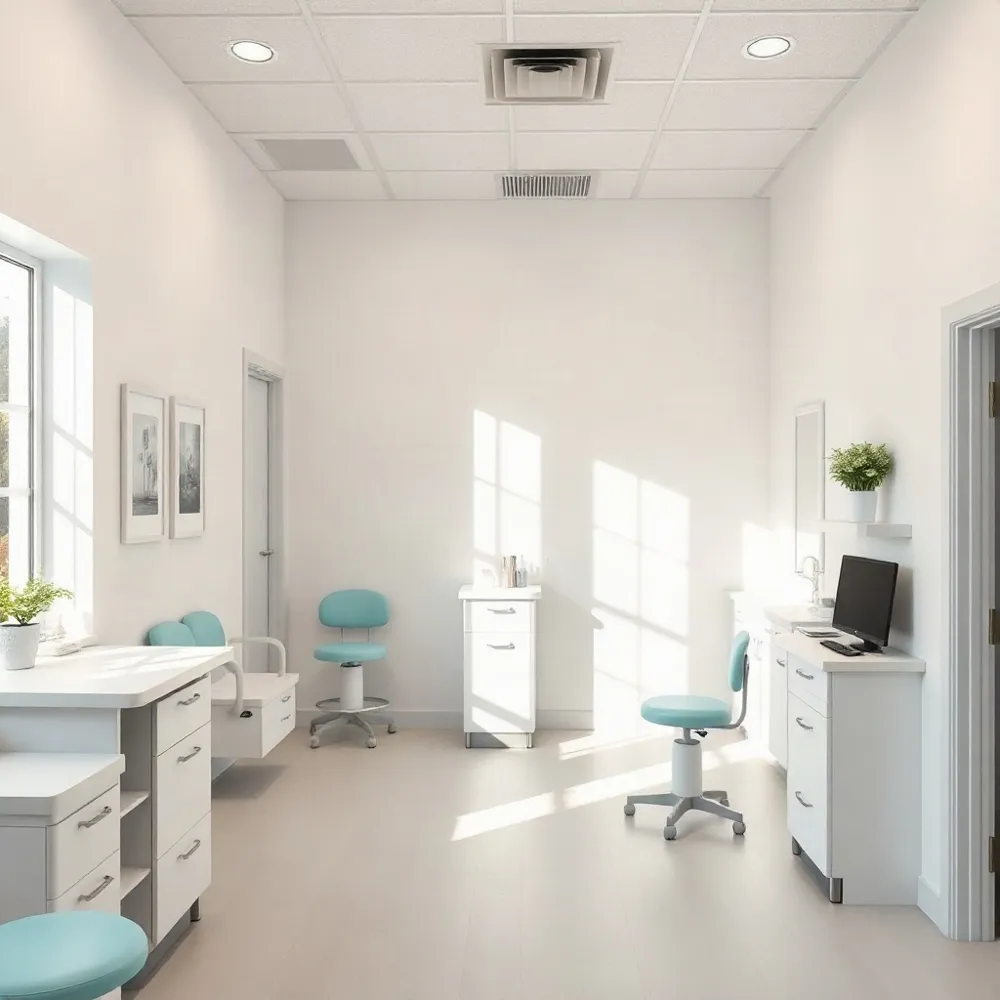
KTX Smiles prioritizes a welcoming and calm atmosphere for their patients in Katy, TX. Their treatment rooms are bright and clean, offering a soothing setting that helps reduce anxiety. The team employs Gentle Dental Techniques specifically designed to minimize stress and discomfort during procedures, making the experience as pleasant as possible.
How is the staff trained in patient-focused communication and ensuring patients feel in control?
The staff at KTX Smiles is specially trained in Patient-Focused Dental Communication. They make sure to keep patients well-informed throughout their dental care and emphasize giving them control over their treatment decisions. This approach helps ease fears by fostering trust and transparency between the patient and dental team.
How does KTX Smiles encourage repeated positive experiences to help sustain oral health?
By creating a positive, fear-free dental experience, KTX Smiles encourages patients to continue staying on top of their oral health. Positive visits help break the cycle of dental anxiety, empowering patients to attend regular check-ups and treatments, which is crucial for maintaining a healthy smile. Learn more about sustaining oral health through positive dental experiences at KTX Smiles.
What Is Dental Anxiety and What Causes It?
Understanding Dental Anxiety
Dental anxiety is a common emotional response involving fear, stress, or panic specifically related to dental visits and procedures. It affects a significant portion of adults in the United States—ranging from mild worry to severe phobia—with estimates suggesting up to 75% experience some level of dental fear.
Common Causes of Dental Anxiety
Several factors contribute to dental anxiety. Traumatic past experiences, especially during childhood, are often the root cause. Patients may fear pain from procedures, needles, or dental instruments such as drills. Feelings of losing control or being in a vulnerable position during treatment can amplify anxiety.
Biological and Psychological Contributors
Biologically, dental anxiety activates the body’s natural fight-or-flight reaction, triggering symptoms like sweating, racing heartbeat, and nausea. Psychologically, negative beliefs, mistrust of dental practitioners, and sensitivity to certain sensory triggers such as sounds or smells associated with the dental office play a role.
Managing Dental Anxiety
Effective management often begins with open communication between patient and dentist, allowing fears to be shared and addressed. Techniques such as deep breathing for dental anxiety, meditation, and mindfulness help reduce tension. Sedation dentistry options — including nitrous oxide for dental anxiety, oral sedatives for dental anxiety, and intravenous sedation for dental anxiety — are available to ease severe anxiety and make dental care more accessible and comfortable.
These combined approaches ensure patients receive timely preventive dental care and anxiety, reducing the risk of worsening oral health due to fear-driven avoidance.
Recognizing the Symptoms of Dental Anxiety
What are common symptoms of dental anxiety?
Dental anxiety manifests through various physical, emotional, and behavioral signs that patients and dental professionals should be aware of. Physically, individuals often experience sweating, a rapid heartbeat, trembling, nausea, and dry mouth when facing dental procedures.
Emotionally, this anxiety can cause visible distress, withdrawal, or panic. Some patients might faint or feel dizzy during visits. Behaviorally, dental anxiety may be masked by excessive humor, agitation, or even aggression as subconscious defense mechanisms.
Recognizing these symptoms is essential for dental teams to tailor care effectively. When dentists understand and identify these signs, they can implement calming techniques, offer Sedation Dentistry Options, and foster open communication to create a comforting environment that reduces anxiety and improves oral health outcomes. For more about Signs of dental anxiety and managing them, dental professionals and patients can consult resources on Dental anxiety.
How Dentists Help Patients Manage Dental Anxiety
Communication strategies and calming techniques
Dentists often start by fostering open communication, encouraging patients to share their fears and anxieties. This transparency allows dentists to tailor their approach, making visits less intimidating. Calming techniques like deep breathing exercises, guided imagery, and distraction through music or personal headphones are commonly used to reduce patient stress during appointments. Additionally, scheduling appointments during quieter times and providing clear explanations before procedures can contribute significantly to a more relaxed experience.
Use of numbing gels, sedation, and anesthesia
Modern dentistry employs local numbing gels and advanced anesthetic injections to minimize pain and discomfort. For those with moderate to severe anxiety, sedation dentistry offers several options. Inhalation sedation (nitrous oxide or laughing gas) is frequently used to help patients relax. Oral sedatives provide a deeper state of calm, while intravenous (IV) sedation ensures patients remain comfortable during longer or more complex procedures. In rare cases, general anesthesia may be recommended. These sedation methods enable patients to undergo essential treatments without fear or pain.
Role of specialized sedation clinics and patient signals
Specialized sedation clinics and dental practices with experience in managing dental anxiety play a vital role. These clinics often offer amenities such as noise-canceling headphones, comfortable neck pillows, and personalized calming environments. Patients are encouraged to establish signals with their dentist to communicate the need for breaks or adjustments during procedures seamlessly. This patient-centered approach ensures that even those with severe phobia can receive necessary care safely and comfortably.
By combining communication, calming strategies, advanced anesthesia, and specialized care, dentists can effectively help patients manage dental anxiety, improving both dental health and overall quality of life.
Effective Ways to Treat or Reduce Dental Anxiety
What are effective methods to treat or reduce dental anxiety?
Dental anxiety can be managed effectively through a combination of Relaxation Techniques for Dental Anxiety, communication, Sedation Dentistry Options, and consistent dental care.
Relaxation Techniques Including Meditation and Deep Breathing
Practicing Deep Breathing to Manage Anxiety, meditation, and guided imagery helps activate the body's natural relaxation response. Techniques like progressive muscle relaxation and mindfulness can ease nervousness before and during dental visits. Many patients also find distraction with calming music or visual entertainment beneficial during treatments. For additional natural approaches, see Natural remedies for dental anxiety.
Communication and Patient-Tailored Care Plans
Openly discussing dental fears with your dentist allows the care team to customize appointments based on patient comfort. This might include scheduling shorter visits, allowing breaks, or accommodating a support person. Transparent explanation of procedures and using simple signals improve trust and control for anxious patients. Learn more about the Importance of Communication with Your Dentist.
Use of Sedation Techniques Such as Nitrous Oxide and Oral Medication
For patients with moderate to severe anxiety, sedation options are available. Nitrous Oxide for Dental Anxiety ("laughing gas") provides quick, mild relaxation, while oral sedatives offer deeper calm lasting throughout the visit. Intravenous sedation for dental anxiety is also an option for complex or lengthy procedures. These methods ensure pain-free and less stressful experiences. For detailed patient experiences and safety information, see oral sedation dentistry.
Importance of Regular Dental Visits to Build Confidence
Maintaining routine dental check-ups helps reduce fear by making visits familiar and less intimidating. Early intervention prevents worsening dental issues, breaking the cycle of anxiety and avoidance. Positive dental experiences build patient confidence and improve oral health over time. For more insight, explore Consequences of Avoiding Dental Care.
By combining calming strategies, tailored communication, sedation when needed, and consistent care, patients can overcome Dental Anxiety and maintain a healthy smile.
Understanding the Right Age for a Smile Makeover
What age is best for undergoing a smile makeover?
The optimal age for a smile makeover depends more on individual circumstances than a fixed number. Typically, dental procedures, especially those involving orthodontics, are best postponed until facial growth is complete, which usually occurs in late adolescence. This ensures that the treatment results are stable and in harmony with the patient's facial development.
Considerations for facial growth and dental health
When planning a smile makeover, dentists evaluate whether the jaw and facial bones have fully developed. Treatments administered too early might need adjustments as the face changes. Equally important is assessing the patient's overall dental health—issues like gum disease, cavities, or missing teeth must be addressed before aesthetic improvements.
Suitability of cosmetic procedures for adults and seniors
Adults and seniors can safely undergo many smile makeover procedures such as ceramic veneers, teeth whitening, dental implants, and prosthodontic restorations. Age alone is rarely a barrier when dental health is maintained. Many mature patients achieve remarkable aesthetic and functional enhancements, contributing to improved self-esteem and oral well-being. For Comprehensive patient care approach see.
Importance of personalized assessment by cosmetic dentists
A thorough evaluation by a cosmetic dentist ensures the makeover plan fits the patient's unique needs, health status, and personal goals. Customized treatment timelines and modalities increase the success rate and satisfaction from smile transformations.
In summary, a smile makeover can be undertaken at any age once facial development is complete and oral health is stable. Consultation with an experienced cosmetic dentist is essential to tailor the approach, ensuring the best outcomes for both appearance and dental vitality. Visit Lorton Town Dental in Virginia for more information.
Celebrating Famous Smiles and Their Impact
What are some famous smile stories or iconic smiles in literature and art?
Famous smiles have long captivated audiences in literature and art, symbolizing mystery, mischief, or joy. The Mona Lisa's enigmatic smile, painted by Leonardo da Vinci, remains one of the most famous images in art history, inviting endless curiosity about her expression. In literature, the Cheshire Cat from Alice’s Adventures in Wonderland is known for its wide, mischievous grin, representing whimsy and the surreal.
The Joker, a well-known character in DC Comics, displays a haunting smile symbolizing chaos and malevolence, while the Grinch’s evolving grin illustrates his journey from mischievousness to kindness. These iconic smiles demonstrate how a simple facial expression can convey profound emotional and symbolic meanings across diverse cultural mediums. For insights into managing 7 Simple Tricks for Overcoming Dental Anxiety related to smiles and dental care, consider exploring Gary's dental anxiety story. For additional supportive resources on Dental Anxiety and Natural remedies for dental anxiety.