
The Importance of Daily Oral Hygiene Routines
Your mouth serves as the primary entry point for bacteria into the rest of your body. When oral hygiene is neglected, bacteria can multiply and form a biofilm known as plaque, which creates acids that erode tooth enamel and lead to cavities, per the University of Illinois Chicago.
The health of your teeth and gums is deeply connected to your systemic well-being. Research shows that untreated oral bacteria can contribute to serious medical conditions, including cardiovascular disease, diabetes, and stroke. At loudfamilydentistry.com, we emphasize that consistent habits are your best defense against these risks.
Maintaining a routine of brushing twice daily with fluoride toothpaste and flossing once a day is far more cost-effective than managing painful emergencies. By prioritizing preventive care, you protect your long-term quality of life and avoid the need for complex restorative procedures. Consistent checkups at loudfamilydentistry.com ensure that any potential issues are detected early, keeping your smile healthy for years to come.
Essential Standards for Effective Home Dental Care
 Maintaining a consistent daily oral hygiene routine is essential because your mouth serves as a primary entry point for bacteria, and regular care keeps these microbial populations under control. Neglecting your daily habits can lead to cavities and periodontitis, which are leading contributors to tooth loss. Beyond the immediate comfort of your smile, good oral health is connected to your systemic well-being. Poor gum health is frequently linked to chronic conditions like cardiovascular disease and can complicate blood sugar management for those with diabetes. By committing to these habits, you avoid painful, unplanned dental emergencies that disrupt your daily quality of life.
Core Recommendations for Home Dental Care
The American Dental Association establishes evidence-based guidelines for home care, recommending that you brush your teeth twice a day for two minutes using fluoride toothpaste. This duration is proven to be significantly more effective at removing plaque than shorter sessions. At loudfamilydentistry.com, we emphasize that brushing alone only cleans three of the five surfaces of each tooth. Daily interdental cleaning is necessary to reach the remaining surfaces, preventing plaque from hardening into tartar.
- Use a soft-bristled brush held at a 45-degree angle toward the gum line to protect enamel.
- Choose products with the ADA Seal of Acceptance to ensure they meet strict standards for safety and effectiveness.
- Incorporate interdental brushes, oral irrigators, or traditional floss based on the method you are most likely to perform consistently.
- Consult with your dentist to tailor your home care to your individual risk factors via the CAMBRA model of assessment.
While standard guidance applies to most, your specific risk factors for cavities or gum disease may require a more personalized approach. At loudfamilydentistry.com, our team helps you move beyond generic advice to determine the frequency and tools best suited for your unique anatomy and health history. Establishing this partnership with a dental home ensures your preventive care evolves alongside your needs.
Understanding Cavity Causes and Proper Cleaning Techniques
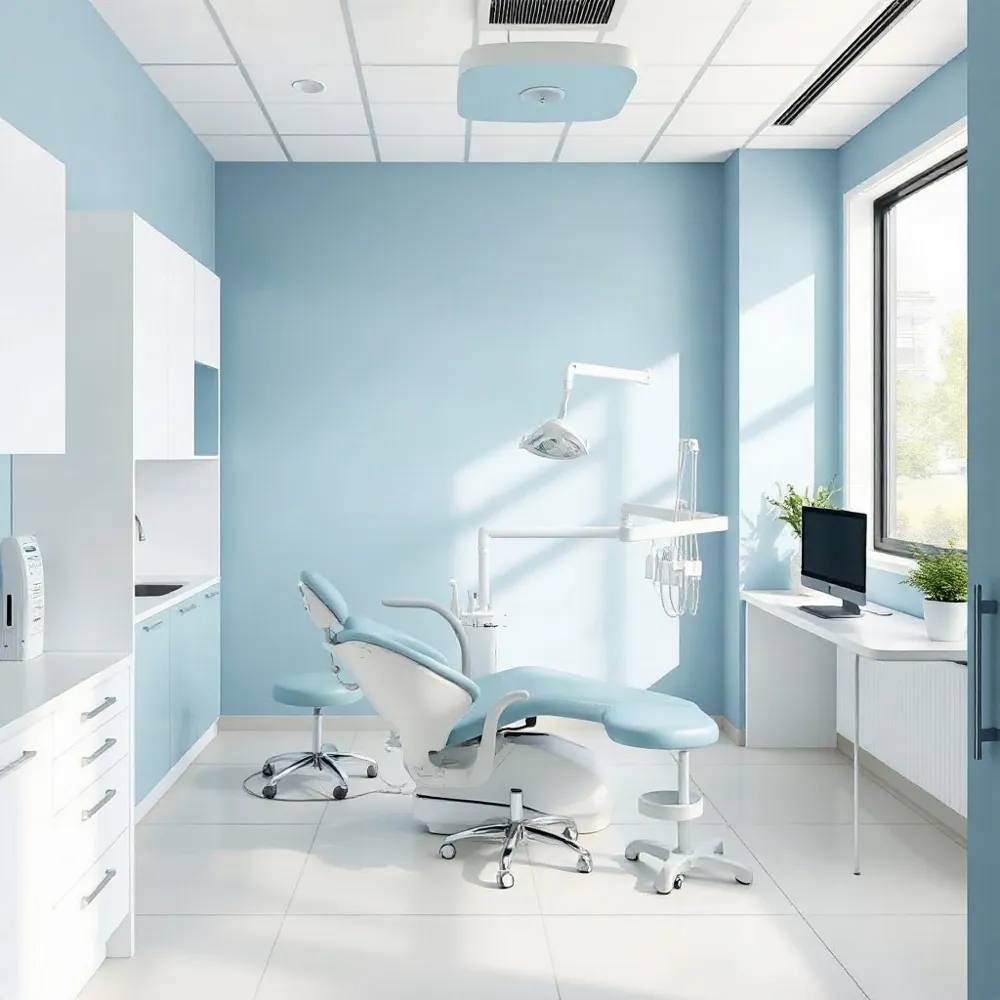 The most common cause of cavities is the buildup of dental plaque, a sticky film of bacteria that produces acid when feeding on sugars. This process erodes your tooth enamel, leading to decay. While Loud Family Dental offers professional cleanings to address tartar that brushing cannot remove, daily home habits are your first line of defense. Frequent snacking and sugary intake accelerate bacterial growth, making consistent, proactive care essential to preventing long-term damage.
What is the proper order for an effective daily oral hygiene routine?
A structured daily oral hygiene routine maximizes the protection of your enamel. Begin by rinsing your mouth to clear loose food particles. Next, floss daily to reach the two surfaces of each tooth that a brush cannot access. Follow this with brushing for two full minutes using a soft-bristled toothbrush angled at 45 degrees toward the gum line.
Complete your session by cleaning your tongue with a tongue scraper to remove bacteria that cause odors. Once you finish, spit out excess toothpaste but avoid a final water rinse. Leaving the residual fluoride on your teeth allows it to better strengthen the enamel, providing a protective barrier against acid-related erosion.
| Step | Action | Benefit |
|---|---|---|
| Rinse | Water wash | Clears debris |
| Floss | Interdental clean | Removes biofilm |
| Brush | Fluoride scrub | Strengthens enamel |
| Scrape | Tongue cleaning | Reduces bacteria |
Comparing Hygiene Guidelines and Professional Scheduling
 Maintaining a consistent oral health routine is about finding a sustainable pace that effectively manages dental plaque. While many patients hear conflicting advice regarding how often they should brush or see a provider, standard care relies on proven metrics to keep your smile healthy.
What is the difference between the 2-2-2 and 3-3-3 rules for dental hygiene?
The 2-2-2 rule is a widely recognized dental guideline recommending that you brush your teeth twice a day for two minutes each session and visit your dentist twice a year. In contrast, the 3-3-3 rule suggests brushing three times a day for three minutes and scheduling professional dental visits every three months. While both frameworks emphasize the importance of consistency in oral hygiene, the 2-2-2 rule aligns with professional standards set by organizations like the American Dental Association. Dental professionals generally recommend the 2-2-2 approach as an effective, sustainable way to maintain oral health, though your dentist may suggest a more frequent 3-3-3 schedule if you have specific dental conditions that require extra monitoring. Always consult with your local dentist to determine which routine is best suited for your unique oral health needs.
At Loud Family Dental, we prioritize professional dental checkups to tailor these intervals based on your Caries Management by Risk Assessment profile. While the standard interval for routine dental exams remains every six months for most adults, individuals with higher susceptibility to decay or gum disease often benefit from more frequent visits to control bacterial levels before they harden into tartar.
Identifying Warning Signs and Seeking Early Professional Intervention
Your mouth often serves as an early indicator for systemic health conditions, which is why paying attention to subtle changes is essential. While many people wait until they feel pain to seek help, early professional intervention remains the most effective strategy for preventing long-term damage.
What are the common signs of poor oral hygiene that should prompt a visit to the dentist?
Common signs of poor oral hygiene include persistent bad breath, bleeding or swollen gums, and chronic tooth sensitivity. You should also schedule a dental visit if you notice visible plaque or tartar, loose or shifting teeth, or persistent toothaches that cause discomfort. Additionally, any mouth sores that do not heal within a week or signs of jaw pain, clicking, and popping warrant professional attention. Receding gums and visible decay are further indicators that your oral health requires immediate assessment. If you experience any of these symptoms, please contact us at Loud Family Dentistry so we can help you address these issues early and protect your long-term smile.
Ignoring these warning signs can allow minor gingivitis to progress into advanced periodontitis, a condition that can result in tooth loss and impact overall physical health. Unlike a simple cavity, infections that penetrate the gum line or involve the jawbone often require more intensive restorative treatments. At Loud Family Dentistry, we focus on proactive diagnostics to catch these concerns before they evolve into complex, painful, or costly procedures.
- Persistent bad breath that does not improve with brushing
- Gums that appear red, swollen, or bleed during flossing
- Increased sensitivity to hot or cold temperatures
- Noticeable changes in your bite or jaw clicking
- Visible recession where the gum line pulls away from the tooth
Dispelling Myths About Home Remedies for Decay
Many patients explore alternative methods like oil pulling or herbal rinses in search of natural ways to manage their oral health. While some substances might help balance oral pH or reduce bacteria, they cannot reverse structural decay or replace the need for professional restorative care. Once a cavity forms, the enamel has suffered permanent damage that only a dental filling can repair.
Can home remedies like oil pulling or specific mouthwashes replace professional cavity treatment?
No, home remedies cannot replace professional cavity treatment. Cavities represent permanent structural damage to the tooth that requires preventive dental care and intervention to stop the progression of decay. Relying on DIY solutions can be risky, as ignoring early symptoms often allows infections to spread deeper into the tooth and potentially toward the nerve.
When you choose to visit Loud Family Dental instead of attempting to treat pain at home, you gain access to accurate diagnostics and professional cleanings that pinpoint decay before it requires extensive procedures. While some competitors might focus on temporary symptom management, we prioritize evidence-based preventive dental tips and structural health to protect your smile for the long term.
Overcoming Dental Anxiety for a Comfortable Experience
Managing dental anxiety starts with identifying your specific fears and clearly communicating them to the Loud Family Dentistry team, so they can provide personalized support. Before your appointment, consider scheduling your visit during a time when you feel less rushed and can avoid the stress of a busy day. You can also practice relaxation techniques like deep breathing or guided imagery to help calm your nervous system in the days leading up to your visit. If sensory overload is a concern, ask if you can bring headphones to listen to music or a podcast to help you stay relaxed in the chair.
How can patients manage dental anxiety before an appointment?
Most importantly, remember that discussing potential options like sedation dentistry or establishing a simple hand signal to pause the procedure can give you a sense of control and help you feel more comfortable throughout your care. At Loud Family Dentistry, we prioritize your peace of mind by working with you to find a strategy that eases your nerves. Communicating your specific triggers ensures that our staff can adjust the pace of your treatment, providing a customized experience that makes oral health maintenance approachable even for the most apprehensive patients.
Commitment to Your Smile's Future
Prioritizing consistent oral hygiene habits is a powerful investment in your long-term health. Preventative dental care, including diligent daily brushing and flossing, is far more cost-effective than managing complex emergency procedures like crowns or implants. By maintaining these routines, you protect both your smile and your systemic health, reducing risks associated with conditions like cardiovascular disease.
Beyond daily care, routine professional checkups remain the foundation of a healthy future. Loud Family Dentistry provides comprehensive examinations that allow us to catch issues early, saving you from discomfort and significant expense. We encourage you to visit our community-oriented clinic in Shreveport to establish a personalized prevention plan. Let us partner with you to ensure your teeth remain strong and healthy for years to come.