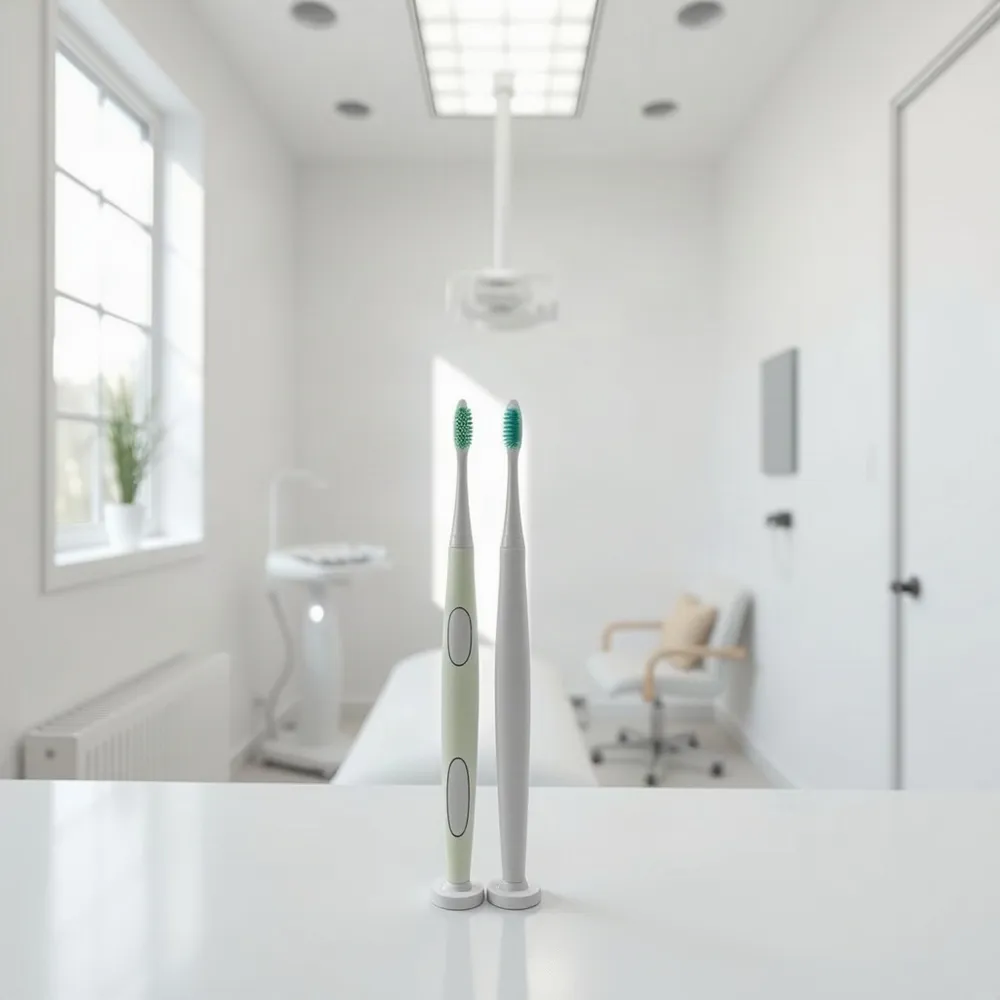
Prioritizing Oral Health Throughout Your Lifespan
Preventive dentistry is a lifelong commitment, not a series of isolated events. By maintaining consistent at-home hygiene and routine examinations, you can effectively stop cavities, gum disease, and enamel erosion before they require costly treatment. At Loud Family Dental, we emphasize that early intervention is the most effective way to save time and prevent future discomfort.
Your oral health serves as a window to your overall well-being. Research shows that poor oral health is linked to serious systemic issues, including heart disease, diabetes, and stroke, as oral infections can release bacteria into the bloodstream per the Cleveland Clinic. Because these risks vary by age and medical history, we provide personalized care plans tailored to your specific needs.
Whether you are managing gum tissue health or supporting a child's dental development, consistent professional oversight is essential. By identifying potential problems early, we ensure that your preventive strategy evolves alongside your life, protecting your smile for years to come.
Key Preventive Dental and Oral Health Facts
- The 2-2-2 rule suggests brushing twice daily for two minutes and visiting the dentist twice per year.
- Always use a soft-bristled toothbrush at a 45-degree angle toward the gum line to protect enamel.
- Replace your toothbrush or electronic brush head every three to four months to ensure effectiveness.
- Flossing daily is essential for cleaning areas between teeth where a toothbrush cannot reach.
- When flossing, curve the string into a C-shape against the tooth and slide it beneath the gumline.
- Consuming fibrous fruits, vegetables, and dairy helps stimulate saliva and clean teeth naturally.
- Children should have their first dental visit within six months of their first tooth erupting.
- Professional cleanings are necessary to remove tartar buildup that cannot be cleared by at-home brushing.
- Digital X-rays offer higher detail than traditional film while emitting less radiation during exams.
- Untreated gum disease is linked to broader systemic health issues like cardiovascular inflammation and diabetes.
1. Mastering the Essential Twice-Daily Brushing Routine
 Effective oral hygiene begins with a consistent and correct brushing technique. The foundation of this habit is the 2-2-2 rule, a simple guideline suggesting you brush your teeth twice a day for two minutes each time and schedule two dentist appointments per year for professional monitoring. At loudfamilydentistry.com, we emphasize that the method you use is just as vital as the frequency.
When brushing, always use a soft-bristled toothbrush to protect your tooth enamel from premature wear and irritation. Using this tool, hold the brush at a 45-degree angle toward the gum line and use gentle, circular motions. This specific approach efficiently sweeps away plaque rather than forcing it deeper into the gum tissue.
Beyond technique, your choice of product matters. Using fluoride toothpaste is critical for your teeth's structural integrity, as the mineral helps harden enamel and provides a necessary shield against bacterial acids. Unlike some national retailers that offer generic advice without specificity, our team at loudfamilydentistry.com provides tailored recommendations based on your unique oral health needs.
Replacing your toothbrush or electronic brush head every three to four months is a non-negotiable part of your routine. Worn bristles become significantly less effective at removing plaque and can harbor harmful microorganisms over time. By maintaining your equipment and following professional guidance, you ensure that your daily efforts consistently safeguard your smile.
2. The Daily Importance of Professional-Grade Flossing
 Brushing removes plaque from the surfaces of your teeth, but a toothbrush cannot reach the tight spaces between teeth and under the gumline. Flossing daily is the only way to clean those areas, where the bacteria that cause cavities and gum disease thrive. According to the American Dental Association, cleaning between teeth every day is vital for oral health, and the best tool is the one you will use consistently.
To get the most out of flossing, use proper technique. Wind the floss around your middle fingers and guide it gently between teeth using a back-and-forth motion. Curve the floss into a C-shape against the side of each tooth, sliding it up and down beneath the gumline. Avoid snapping the floss into the gums, which can cause irritation. Repeating this for every tooth, including the backs of the last molars, ensures you remove plaque from all surfaces.
For those with arthritis, limited dexterity, or braces, traditional string floss can be challenging. Tools like floss holders, interdental brushes, or water flossers make the job easier. However, the Cleveland Clinic notes that while water flossers are excellent for removing debris and food particles, they do not replace string floss because they cannot remove the sticky biofilm that clings to tooth surfaces. The most effective approach is to use string floss or an interdental brush as your primary tool, then use a water flosser as a complement if desired.
At Loud Family Dental, we help patients find the flossing method that fits their lifestyle and needs. Whether you prefer traditional floss, interdental brushes, or water flossers, our team provides personalized guidance to ensure you can clean between your teeth effectively and comfortably.
3. Fueling Your Smile Through Nutrition and Hydration
 A balanced, nutrient-rich diet is essential for maintaining strong teeth and healthy gums because it directly impacts the oral environment. Loud Family Dental emphasizes that what you consume acts as both fuel and defense for your smile. Eating fibrous fruits and vegetables, as well as dairy products like cheese and yogurt, helps keep your teeth clean and stimulates saliva production, which naturally washes away plaque-causing bacteria and food particles as noted by the UIC College of Dentistry.
These nutrient-dense foods provide critical calcium and phosphate, which are vital for enamel fortification, effectively helping to rebuild areas weakened by bacterial acids. Loud Family Dental recommends drinking fluoridated tap water to further assist in this process, as it is a highly effective way to prevent cavities compared to alternative beverages. Incorporating sugarless gum after meals or sipping green or black tea can also suppress harmful bacteria that lead to decay per the CDC.
Mitigating acid attacks requires strategic food sequencing. When you consume sugary or acidic items, try to pair them with neutralizing foods like cheese or milk to minimize damage. Loud Family Dental supports this practice alongside regular checkups, noting that restricting sugary snacks to mealtimes reduces the duration of acid exposure. By choosing these tooth-friendly options over processed snacks, you effectively minimize the risk of cavities and long-term gum issues better than consistent, daily grazing on carbohydrates as identified by the American Dental Association.
4. Engaging Young Patients in Lifetime Hygiene Habits
Establishing a routine for your little one begins in infancy by wiping their gums with a clean, damp cloth. As soon as the first tooth appears, transition to a soft-bristled brush with a tiny, rice-sized smear of fluoride toothpaste. At Loud Family Dental, we understand that childhood should be a time of discovery, which is why we emphasize early, positive exposure to the dental office environment.
The American Dental Association recommends that children have their first dental visit within six months of their first tooth erupting, or by their first birthday. This early familiarity helps demystify the process and prevents the development of dental anxiety. Unlike larger, impersonal clinics where children might feel like just another appointment, our practice focuses on comfort tailored to specific development stages.
What are some effective ways to teach oral hygiene to children?
Building strong habits requires active participation. Parents should assist with brushing twice daily until the child develops the necessary manual dexterity, typically by age six. To ensure they reach the two-minute mark, consider using fun timers or playing their favorite songs. For those younger than six, use only a tiny, rice-sized smear of fluoride toothpaste, and monitor them during the process to ensure proper technique.
- Incorporate dental sealants early to shield the chewing surfaces of back teeth.
- Ensure consistent fluoride treatments at professional cleanings to help remineralize developing enamel.
- Normalize the routine by brushing together, allowing children to see how you care for your own smile.
By shifting the focus from a chore to a shared family habit, you lay the foundation for a lifetime of health. If you are ready to start this journey, learn more about our approach to nurturing healthy habits in developing smiles at Loud Family Dental.
5. The Foundational Role of Regular Dental Checkups
Preventive dental care is essential for maintaining a healthy smile and catching potential problems early before they become complex or costly. At Loud Family Dental, we understand that routine services like professional dental examinations and cleanings are the bedrock of lifelong oral health. While daily brushing and flossing are necessary, they are not enough to remove hardened tartar buildup that adheres to tooth surfaces over time. Only professional dental instruments can safely clear this accumulation, helping you avoid chronic gum inflammation.
What are the common preventive dental services every patient should know about?
Beyond cleanings, diagnostic digital X-rays are a vital component of your visit. This modern technology allows your dentist to identify hidden cavities between teeth or structural issues within the jawbone that are not visible during a standard physical exam. These images provide much higher detail than traditional film while emitting less radiation, allowing for rapid and precise clinical insights. Our team at loudfamilydentistry.com utilizes these tools to track development and ensure your smile remains resilient at every age.
Your routine visits are also critical because they involve comprehensive oral cancer screenings and regular assessments of gum health. Early detection is paramount for successful outcomes, as is monitoring for systemic signs that may correlate with wider health conditions. While many patients follow a standard six-month recall interval, your needs are unique. We help tailor your checkup schedule based on your individual risk assessment, ensuring you only receive the care you need with the frequency that best protects your long-term wellness.
6. Lifestyle Adjustments for Sustained Dental Vitality
Maintaining a healthy smile extends beyond simple brushing and flossing. Your daily habits and lifestyle choices play a significant role in long-term oral stability, especially as you navigate age-related challenges.
Addressing Common Lifestyle Impacts
Certain habits can quietly compromise your dental health. For example, using tobacco products is a major risk factor for gum disease, enamel erosion, and oral cancer. Similarly, many common medications cause dry mouth, which reduces saliva flow and increases the risk of tooth decay. We suggest staying hydrated, opting for sugarless gum, and discussing medication adjustments with your doctor to mitigate these effects. For patients who struggle with bruxism, or teeth grinding, a custom-fitted nightguard provides essential protection against structural wear, chips, and cracks.
How can one choose the most effective oral hygiene products for their needs?
To ensure you are using safe and effective tools, look for the ADA Seal of Acceptance, which indicates that a product has met rigorous scientific standards for safety and efficacy. Choosing the right products often starts with a soft-bristled toothbrush to protect your gums and enamel, paired with a fluoride toothpaste that addresses your specific concerns. Because every patient has unique needs, such as requirements for sensitive teeth or specialized gum care, we encourage you to consult with your dentist for personalized recommendations during your next visit. By selecting tools tailored to your individual health, you can more effectively prevent cavities and gum disease. Our team at Loud Family Dentistry is always happy to help you navigate your options to find the best fit for your smile.
Understanding the Link Between Oral and Systemic Health
Your oral health serves as a critical window into your general physical well-being. Because the mouth acts as a direct entry point to the digestive and respiratory tracts, poor oral hygiene can allow bacteria and resulting inflammation to spread throughout the body. While many patients prioritize brushing and flossing for a bright smile, these habits function as your first line of defense against systemic infection.
Why is maintaining good oral hygiene important for your overall health?
Research increasingly connects periodontitis and other gum conditions to chronic systemic issues. Studies suggest that bacteria associated with gum disease can travel through the bloodstream, potentially contributing to inflammation in heart vessels. At Loud Family Dental, we emphasize that managing these risks early is far more effective than restorative treatment. Beyond cardiovascular health, links have been identified between poor oral outcomes and conditions like diabetes or cognitive impairment.
The impact of oral health on quality of life extends to mental well-being as well. Chronic dental pain or visible issues with tooth decay often lead to increased stress and social anxiety. By utilizing preventive services to keep your mouth free of infection, you support your long-term mental and physical vitality. Consistency remains the most effective strategy for ensuring that bacteria do not gain a foothold, protecting both your smile and your systemic body health.
Budgeting for Preventive Dental Care
Preventive dentistry is a foundational investment in your long-term health, as it is far more cost-effective to maintain a healthy smile than to treat late-stage complications such as deep cavities or gum disease. Preventive dental care helps patients potentially avoid expensive restorative procedures like crowns and implants by identifying small issues early.
What is the typical cost of a preventive dental visit?
The average cost of a routine preventive dental visit typically ranges from $75 to $200 for patients without insurance. This fee generally encompasses a comprehensive oral examination and a professional dental cleaning, though the final total may fluctuate depending on the specific services performed during your appointment, such as diagnostic X-rays. At loudfamilydentistry.com, we understand that financial planning is important for your household. While common dental practices may have rigid fee structures, our team works to ensure that you understand the value of your care and the necessity of early detection.
If you have dental insurance, your out-of-pocket expenses for these preventive visits are often significantly reduced or even fully covered. We encourage you to maximize these benefits to stay ahead of potential health issues. Please feel free to contact our office directly if you would like to verify your coverage or discuss our current service fees to help you plan your care. By maintaining your preventive dental care at regular intervals, you protect both your oral health and your budget from the impact of emergency treatments.
Your Partnership for Long-Term Oral Health
Maintaining a healthy smile requires more than daily brushing and flossing. It relies on a consistent partnership with your dental professional. By combining routine at-home habits like using fluoride toothpaste and scheduling regular preventive dental exams, you can effectively prevent common issues such as gum disease and tooth decay.
Open communication with your provider ensures your care plan evolves to meet your changing needs, whether you are managing sensitivity or tracking dental development in children. At loudfamilydentistry.com, our community-focused approach to care ensures that every patient feels supported in their journey toward oral health. We prioritize personalized strategies to help you maintain your smile for life, emphasizing that proactive prevention is always the most effective path to wellness.