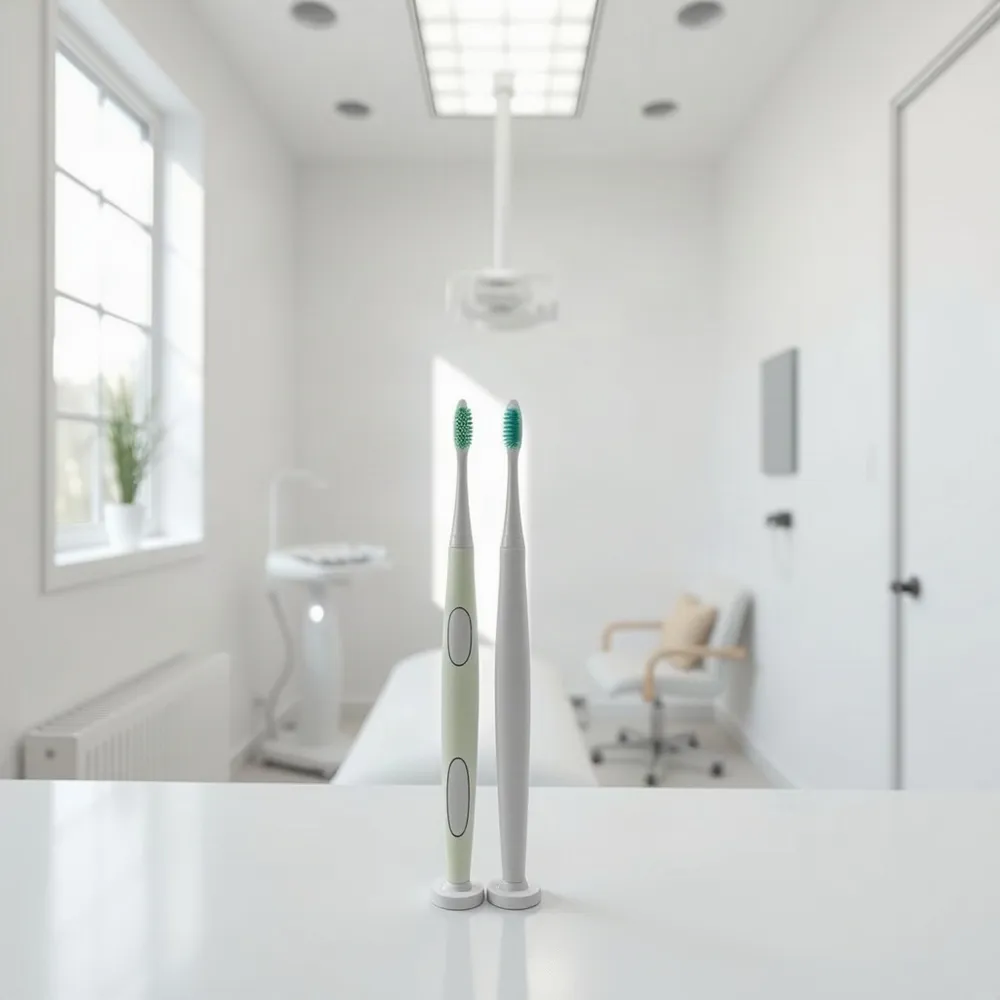
Why Your Toothbrush Choice Matters
The manual versus electric toothbrush debate often comes down to how you brush, not just what you brush with. Both types can remove plaque effectively when used correctly, but they make different demands on your technique and consistency. Understanding those differences helps you pick a brush you will actually use twice a day, every day.
Electric toothbrushes, particularly models with oscillating or rotating heads, deliver consistent movements that can be easier to manage for people with limited dexterity, such as older adults or those with arthritis. Many electric models also include a built-in timer, which helps you brush for the recommended two minutes. Manual brushes, on the other hand, require you to control both pressure and motion yourself, but they are inexpensive, portable, and widely available.
What the Evidence Shows
Research comparing electric and manual brushes generally finds that electric versions are slightly more effective at reducing plaque and gingivitis, especially in the short term. A review of multiple studies published in the Journal of Clinical Periodontology found that powered brushes reduced plaque by about 11 percent and gingivitis by about 6 percent after three months of use compared with manual brushing. However, the authors noted the clinical significance of these differences is modest, and proper technique matters more than the device itself.
That said, a manual brush can be just as effective if you commit to proper form: a 45-degree angle at the gumline, gentle circular motions, and brushing all surfaces for the full two minutes. For those who brush hastily or press too hard, an electric brush with pressure sensors can offer useful feedback that a manual handle naturally does not provide.
How to Choose Between Them
Manual brushes. Offer total control over pressure and technique. They are cheap, travel-friendly, and require no charging. Best for people who prefer a simple routine and are disciplined about brushing time and coverage. Replace the head every three months or sooner if bristles fray.
Electric brushes. Automate the brushing motion and often include timers, pressure sensors, and multiple modes. They are easier for children still developing motor skills and for adults with arthritis or braces. The higher upfront cost and need for replacement heads are the main trade-offs.
The most important decision is not electric versus manual, but whether you can brush thoroughly and comfortably with your choice. If you are unsure, a quick conversation with your dentist can help. For example, at Loud Family Dentistry, we routinely guide patients toward brushes that fit their grip, their gum health, and their daily habits during professional cleanings.
Once you know the basic trade-offs, the next step is narrowing down the details. Factors like bristle firmness, head size, and handle design can make one brush feel far more natural than another. That is where most people either succeed or abandon their routine.
Manual or Electric: What Works Best?
Choosing between a manual and an electric toothbrush comes down to your habits and dental needs. Both types are effective when used properly, so the right pick is the one you will use consistently for two minutes, twice a day. The American Dental Association confirms that a well-designed manual brush with soft bristles can remove plaque as effectively as a powered one when you follow correct technique.
Electric brushes add convenience through built-in timers, pressure sensors, and oscillating heads that do much of the brushing motion for you. This can help people who struggle with manual dexterity, such as children or older adults, maintain a thorough clean with less effort. You can explore how to choose the right toothbrush and toothpaste to see how bristle type and head size factor into your decision.
Weighing Your Options
Manual brushes are simple, affordable, and easy to travel with. Electric models cost more upfront and require charging or battery replacements, but their automated features can make brushing feel less tedious. Consider your daily routine, budget, and comfort level.
- Manual brushes offer control over pressure and angle, and they are inexpensive to replace.
- Electric models often include a two-minute timer and a pressure indicator to prevent over-brushing.
- Both work well if you commit to proper technique and brush every surface of each tooth.
If you are unsure which style fits you best, this guide to choosing the best toothbrush for your gum health explains how soft bristles protect enamel and gums, regardless of whether the brush is powered or manual.
Finding Your Best Fit
There is no single best option for everyone. A manual brush may suit someone who enjoys a slower, mindful routine, while an electric model can help a busy person brush quickly without skipping spots. For a more detailed comparison, the Choosing the Best Toothbrush and Toothpaste article outlines practical selection steps.
| Feature | Manual | Electric |
|---|---|---|
| Cost | Low | Higher |
| Ease of use | Simple | Automated |
| Features | None | Timer, pressure sensor |
| Travel friendly | Yes | Charging needed |
| Best for | Control and budget | Dexterity and convenience |
Soft, Medium, or Hard: Finding the Right Bristles
One of the most common questions at any dental visit is whether soft, medium, or hard bristles are best. The short answer is simple: soft bristles are almost always the right choice. The American Dental Association (ADA) explicitly recommends soft-bristled brushes as the standard for effective cleaning while minimizing damage to your gums and enamel.
Soft bristles flex enough to reach along the gumline and into the small crevices between teeth, where plaque tends to collect. Hard or medium bristles are more rigid, so they can scrub away surface stains quickly, but they also risk wearing down enamel over time and irritating or even receding gums. What Kind of Toothbrush Is Best? notes that most oral health professionals consistently steer patients toward soft brushes for everyday use.
That said, there are a few exceptions. Some people with heavy staining or thick plaque buildup may be tempted by a firmer brush, but dentists generally advise addressing these issues with better technique, professional cleanings, or a soft brush used more thoroughly, rather than switching to harder bristles. Choosing the Right Toothbrush outlines a practical four-step process that starts with soft bristles as the default for almost every patient.
How Bristle Type Affects Your Gums and Enamel
Your gums are delicate tissue, and enamel is the hardest substance in your body, but both have limits. Hard bristles can cause microscopic abrasions on enamel and push the gumline back over time, exposing sensitive tooth roots. Soft bristles, by contrast, clean gently while still removing plaque effectively when you brush for the recommended two minutes twice a day. How to Choose the Right Toothbrush reinforces that soft bristles are the safest bet for protecting your long-term oral health.
For children and teens, soft bristles are especially important, since their enamel is still developing and their gums are more sensitive. Kids Toothbrush Bristle Types explains that a soft-bristled brush designed for smaller heads helps parents avoid over-aggressive brushing while still achieving a proper clean.
Bristle firmness. Soft bristles are universally recommended by dental professionals for daily use. They clean effectively without damaging enamel or gums.
Electric vs. manual. Both can work well, but electric toothbrushes often feature pressure sensors and built-in timers that help you brush gently for the right duration. The Electric Toothbrush Buying Guide from Consumer Reports explains how these features make it easier to stick to soft-bristle technique.
Brush head size. A smaller head reaches the back molars and tricky spots more easily. Pairing a compact head with soft bristles gives you the best combination of access and gentleness.
When you are ready to put this advice into practice, choosing the right brush is straightforward. Start with soft bristles and a head size that fits comfortably in your mouth. If you are unsure whether your current brush is too firm, test the bristles against your fingertip: they should feel flexible, not stiff. For more detailed guidance on picking the perfect brush and paste for your needs, check out How to Choose the Right Toothbrush and Toothpaste from Loud Family Dental.
Size and Shape: A Comfortable Fit for Your Mouth
Toothbrush head size plays a major role in how well you can clean every surface of each tooth, including the hard-to-reach back molars. A head that is too large will struggle to access the posterior areas, leaving plaque behind. Conversely, a head that is too small may require more time to cover all surfaces effectively. Most adults do well with a compact head that measures about half an inch wide and one inch long, while children need proportionally smaller heads that fit their developing mouths. The right size lets you brush comfortably without straining or gagging.
The shape of the head matters too. Rounded or tapered heads are generally easier to maneuver around the curves of your teeth and gums. When selecting a brush, hold it up to your mouth before purchasing to gauge the fit. A comfortable grip and a head that reaches your back teeth without discomfort indicate a good match. For more detailed guidance on matching size and shape to your mouth, check out this guide on choosing the right toothbrush.
Special Features to Consider
 Choosing between a manual and an electric toothbrush is one of the most common decisions in oral care. Both can remove plaque effectively when used correctly, but they differ in convenience, cost, and the features that help you build better brushing habits. Understanding those differences makes it easier to pick the option that fits your daily routine.
Electric models often come with built-in timers that encourage the recommended two-minute brushing duration, a feature that can be especially helpful for children or anyone who rushes through cleaning. Manual brushes are simpler, quieter, and more portable, and they require no charging or battery replacement. The right choice depends on your dexterity, your budget, and whether you value added guidance over simplicity.
Bristles, Head Size, and Handle Design
Regardless of power source, the bristles and head size matter most for gum health. Dental professionals overwhelmingly recommend soft bristles for most patients, since they clean effectively while minimizing damage to enamel and gums. A smaller or rounded head reaches tricky areas like molars and the gumline more easily, and a comfortable, non-slip handle gives you better control during brushing.
Soft bristles. Best for the majority of patients. Soft bristles remove plaque gently and reduce the risk of gum irritation and enamel wear, a point reinforced in guidance from Roswell oral care professionals.
Head size. A compact head reaches back teeth and tight spaces more effectively. Larger heads cover more surface quickly but can miss spots, especially for people with smaller mouths.
Handle design. Ergonomic, non-slip handles improve grip and control, reducing the chance of brushing too hard. Angled handles can also make the back teeth easier to reach.
Special Features to Consider
Timers, pressure sensors, and multiple cleaning modes are common on electric toothbrushes. A two-minute timer helps you brush for the recommended duration, while a pressure sensor alerts you when you are brushing too forcefully, which can protect your gums. These features are especially valuable for kids learning proper technique. For guidance on setting up good habits, see our advice on daily practices that support professional cleanings and using timers to encourage proper brushing duration.
| Feature | Manual | Electric |
|---|---|---|
| Bristle options | Wide range | Often replaceable heads |
| Cost | Low initial price | Higher upfront and replacement cost |
| Built-in timer | No | Yes, on many models |
| Pressure sensor | No | Yes, on higher-end models |
| Portability | Very portable | Requires charging or batteries |
| Ease of use for kids | Simple, no setup | Timers and fun designs help |
For most people, the best toothbrush is one with soft bristles and a head size that fits comfortably in the mouth. Check out how to choose the right toothbrush for more tips on matching a brush to your specific needs, so your daily routine supports both your enamel and your gums.
Tips for Brushing with a Manual Brush
Manual and electric toothbrushes both remove plaque effectively when used correctly. The ADA notes that either type can work, but the best choice often depends on your habits, dexterity, and specific oral health needs. Many people find that an electric toothbrush simplifies thorough cleaning, especially for hard-to-reach areas.
Electric models often include features like built-in timers and pressure sensors, which can help you brush for the recommended two minutes and avoid pressing too hard. Consumer Reports recommends electric brushes for people with limited mobility, braces, or a tendency to brush aggressively. Manual brushes remain a solid option if you prefer simplicity and portability.
Bristle Type and Firmness
Bristle firmness plays a major role in protecting your gums and enamel. Dental professionals overwhelmingly recommend soft bristles for most patients, as they clean effectively while minimizing damage. Soft bristles are gentler on gum tissue and tooth enamel, making them ideal for daily use. Medium and hard bristles can cause gum recession and enamel wear over time, especially if you brush vigorously.
Manual. Requires proper technique and attention to reach all surfaces. Cost-effective and easy to travel with, but users often brush too hard or for too short a time.
Electric. Built-in timers and oscillating heads make thorough cleaning more consistent. Often recommended for children, older adults, and anyone with limited dexterity.
| Feature | Manual | Electric |
|---|---|---|
| Cleaning power | Good with technique | Consistent and thorough |
| Ease of use | Requires manual motion | Assisted motion helps |
| Cost | Low initial cost | Higher upfront and replacement heads |
| Special features | None built-in | Timers, pressure sensors, modes |
For personalized guidance on bristle type and brush style, visit Loud Family Dentistry. Our team can recommend the best option for your unique oral health needs during your next visit.
Choosing a Toothbrush for Kids
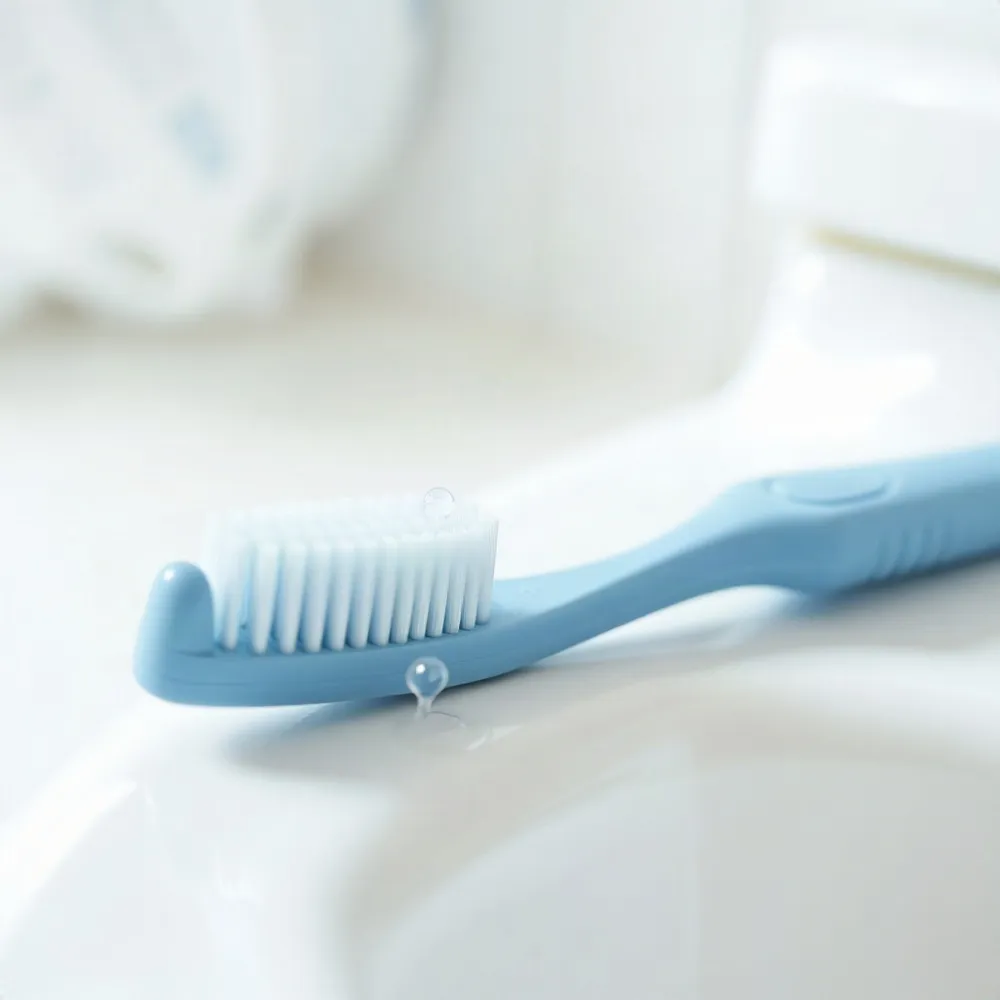 Picking the right toothbrush for your child is one of the simplest ways to set the stage for a lifetime of healthy smiles. With so many options on the shelf, it helps to focus on a few basics that pediatric dentists and family dental professionals agree on every time: soft bristles, a small head, and a handle your child can actually grip.
Start With Soft Bristles and a Small Head
Pediatric dental experts consistently recommend soft-bristled brushes for children. Soft bristles are gentle on young gums and developing enamel while still doing an effective job of removing plaque. Medium or hard bristles can irritate gums and wear down enamel over time, especially in little mouths that are still growing. The American Dental Association (ADA) also emphasizes choosing a toothbrush with soft bristles for most patients, and you can read more about that guidance in their toothbrush overview.
The head size matters just as much as the bristles. A small-headed brush lets your child reach the back molars and tight spaces without gagging or feeling overwhelmed. As a rule of thumb, the brush head should cover no more than two teeth at a time. This makes brushing more comfortable and more effective, which is exactly what you want when you're starting a daily habit.
Look for a Handle That Fits Little Hands
Children's motor skills develop gradually, so a toothbrush handle that is easy to grip makes a real difference. Look for chunky, non-slip handles with textured grips that fit comfortably in your child's palm. Some brushes come with angled necks or flexible heads, but for young kids, simplicity often wins. A straight handle with a comfortable grip gives your child more control and lets them brush with less frustration.
If your child is still learning, consider a brush with a larger handle or one designed specifically for toddlers. These brushes often have a rounded, ergonomic shape that's easier for small hands to maneuver. As your child grows, you can transition to a standard child-sized brush that keeps the soft bristles and small head but offers a slightly longer handle.
Manual or Electric: What Works Best for Kids?
Both manual and electric toothbrushes can clean teeth effectively when used correctly. Electric brushes can be helpful for children who struggle with the back-and-forth motion or who need a little extra motivation. Many electric models for kids come with built-in timers, fun characters, and pressure sensors that prevent brushing too hard. The Consumer Reports electric toothbrush buying guide notes that electric brushes with timers help kids brush the full two minutes, which is a common stumbling block.
That said, a manual toothbrush can work just as well, especially if your child has good technique and enjoys brushing. Some children find electric brushes too intense or ticklish, while others love the vibration. Let your child try both types if you can, and see which one they're more willing to use consistently. The best toothbrush is the one your child actually wants to use twice a day.
How Often Should You Replace Your Child's Toothbrush?
Toothbrushes wear out faster than you might think, especially with enthusiastic young brushers. The ADA recommends replacing your toothbrush every three to four months, or sooner if the bristles become frayed or splayed. For kids, you may need to replace it even more often if they chew on the bristles or if they've been sick. A good rule is to swap in a fresh brush after a cold or flu to avoid reintroducing bacteria.
Frayed bristles don't clean effectively and can be rough on gums. Check the bristles regularly, and if they look bent or worn, it's time for a new one. Many families keep a spare brush on hand so there's always a fresh one ready when the current brush needs replacing.
Make It a Positive Experience
Choosing the right toothbrush is only half the battle. The other half is helping your child look forward to brushing. Let them pick out a brush with their favorite character or color, and use a timer or app to make the two minutes pass faster. Pair their toothbrush with a toothpaste that tastes good to them, like mild bubblegum or strawberry, and brush alongside them so they can mimic your technique.
If you're unsure which brush is best for your child's specific needs, the team at Loud Family Dentistry is here to help. We can recommend the right size, bristle type, and brushing technique during your child's next visit. And for more tips on daily oral care habits, check out our guide on daily practices that support your dentist's professional cleanings.
| Feature | What to Look For | Why It Matters |
|---|---|---|
| Bristle type | Soft bristles recommended by dental professionals | Protects enamel and gums; safe for kids |
| Head size | Small enough to cover two teeth max | Reaches back molars without discomfort |
| Handle | Chunky, non-slip grip | Easier for small hands to hold and control |
| Replace date | Every 3-4 months or sooner if frayed | Keeps bristles effective and hygienic |
Avoid Common Toothbrush Mistakes
 Bristle hardness is the most common toothbrush specification shoppers overlook, yet it directly affects both cleaning efficiency and enamel health. Dental professionals repeatedly warn against choosing hard bristles for stronger cleaning, since stiff bristles can wear away enamel and irritate gums over time. Soft and medium bristles are almost always the safer, more effective choice for daily brushing, and this advice applies equally to manual and electric brushes.
For children and adults with sensitive gums, soft bristles are the standard recommendation from organizations like the American Dental Association. Soft-bristled brushes remove plaque effectively while minimizing damage to enamel and gum tissue. If you are choosing between soft, medium, and hard options, most dentists suggest starting with soft unless your dentist specifically recommends otherwise for a particular condition.
How to Match Bristles to Your Needs
Soft. Ideal for most people, especially those with sensitive teeth, receding gums, or recent dental work. Soft bristles flex to clean along the gumline without causing abrasion.
Medium. A middle ground that may suit people with healthy gums and no sensitivity, though many dentists caution that medium can still be too firm for daily use.
Hard. Generally reserved for specific situations, such as removing heavy stain or tartar, and should only be used under a dentist’s guidance. Long-term use can damage enamel and gums.
When selecting a brush, also consider head size and handle design. Smaller, rounded heads reach tricky areas like molars and the back of the mouth, while ergonomic handles give you better control. These factors matter more than brand or price, and they are detailed in guides on choosing the right toothbrush and toothpaste and in our toothbrush selection guide.
Common Toothbrush Mistakes to Avoid
- Don’t choose hard bristles for stronger cleaning — this is a widespread misconception that can lead to enamel wear and gum recession.
- Avoid using a brush with worn or frayed bristles. Replace your toothbrush every three to four months, or sooner if the bristles are visibly bent.
- Don’t brush too aggressively. Let the bristles do the work with gentle, circular motions rather than scrubbing back and forth.
- Avoid keeping your toothbrush too long. After an illness, replace it to prevent reintroducing bacteria into your mouth.
These mistakes are easy to fix once you know what to look for. For a deeper look at proper brushing technique, including how to avoid common errors, see our guide on mastering proper brushing techniques.
At Loud Family Dentistry in Shreveport, we help patients choose toothbrushes that fit their specific oral health needs, whether that means recommending a soft-bristled manual brush, an electric model, or a specialty brush for sensitive teeth. Our team offers guidance during every visit so you leave with the right tools for your smile.
| Bristle Type | Best For | Considerations |
|---|---|---|
| Soft | Most patients, sensitive gums, children | Gentle on enamel; effective with proper technique |
| Medium | Healthy gums, no sensitivity | May be too firm for daily use |
| Hard | Heavy stain or tartar (under dentist’s care) | Risk of enamel damage and gum irritation |
Your Path to a Healthier Smile
When it comes to picking a toothbrush, the debate between manual and powered options often comes down to habit and comfort. Both can keep your teeth and gums healthy if used correctly. The American Dental Association notes that either type can remove plaque effectively when you brush twice daily with fluoride toothpaste and don't rush the job.
Electric toothbrushes shine through their consistent motion. Many models have timers that nudge you to brush for the full two minutes, and some include pressure sensors that stop you from pressing too hard. According to a Consumer Reports buying guide, features like these make it easier to clean hard-to-reach spots without overdoing it.
Manual brushes remain a reliable and budget-friendly option. They give you complete control over pressure and angle, and they are compact enough to carry anywhere. The best manual brush has soft bristles and a small head, which lets you reach the back molars with less strain. Your choice should also consider your dexterity and any specific oral health needs.
Choosing Between the Two
The right option depends on you. If you struggle to keep a steady pace or tend to brush too aggressively, an electric model can help enforce good technique. If you prefer a quiet, simple routine or travel often, a manual brush may suit you better. What matters most is that you brush thoroughly every day.
- Electric: built-in timers, pressure sensors, easier for limited dexterity
- Manual: more control, no charging needed, lower cost
- Both: use soft bristles and replace every three to four months
At Loud Family Dentistry, we recommend soft bristles for most patients and are happy to help you pick the right brush for your needs. Ultimately, the best toothbrush is the one you use correctly and consistently every day.