Why Personalized Oral Care Matters
Every mouth is unique, so a one‑size‑fits‑all approach rarely works. Individual oral‑health needs—such as gum recession, sensitivity, braces, or limited dexterity—dictate which brush head size, bristle softness, and toothpaste formulation will be most effective. A dentist’s guidance is essential; regular check‑ups let professionals assess plaque levels, enamel wear, and gum health, then recommend a soft‑bristle brush with an ergonomic handle, a small head for hard‑to‑reach areas, and a fluoride toothpaste that meets the ADA’s Seal of Acceptance. For sensitive teeth, a desensitizing paste containing potassium nitrate or stannous fluoride can calm nerves, while whitening or tartar‑control options address cosmetic concerns. Electric brushes with timers and pressure sensors often improve technique for patients who struggle with manual brushing, yet a well‑chosen manual brush works just as well when used correctly. Tailoring toothbrush and toothpaste choices to each patient’s specific situation maximizes plaque removal, protects enamel, and encourages consistent, comfortable daily oral care.
Choosing the Right Bristle Softness and Brush Design
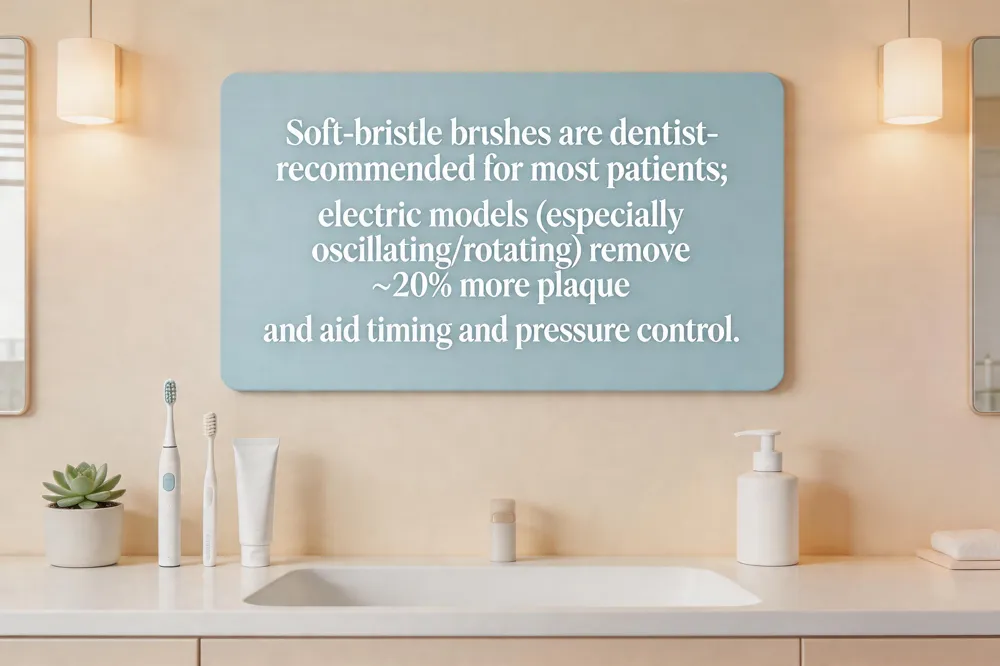 Which toothbrush bristle hardness is best – soft, medium, or hard? Dental professionals overwhelmingly recommend soft‑bristle brushes for most patients. Soft bristles clean effectively while protecting gums and enamel, reducing the risk of gum recession and enamel wear. Medium or hard bristles can be too aggressive, especially if you brush with excess pressure, and are generally discouraged unless a dentist advises otherwise for specific appliances.
Which toothbrush is best: electric or manual? Both can keep teeth healthy when used correctly, but studies show electric brushes—particularly oscillating/rotating models remove about 20 % more plaque and lower gingivitis risk. They aid timing, pressure control, and are helpful for children, seniors, or anyone with limited dexterity. A soft‑bristle manual brush works well if you can maintain a two‑minute, twice‑daily routine.
Consumer Reports – best manual toothbrush The 2026 guide highlights the Curaprox CS 5460 ultra‑soft brush for its tiny bristles, comfortable grip, and recyclable handle, emphasizing technique over brand.
ADA recommendations for toothbrushes Brush twice daily for two minutes with a soft‑bristled brush, replace heads/brushes every 3‑4 months, and focus on proper technique (45‑degree angle, gentle strokes). Electric options with timers and pressure sensors can help maintain these habits.
Electric toothbrush vs manual – gum recession Gum recession stems from aggressive brushing or hard bristles, not the brush type. Soft‑bristled electric brushes with pressure sensors can actually protect gums by limiting force, while manual brushes lack these safeguards. Use gentle pressure, a soft‑bristle head, and consult your dentist for personalized guidance.
Kids’ Oral‑Care: Brushes, Features, and Fun
 Choosing a brush that fits a child’s mouth is the first step—small, tapered heads reach back molars while a soft‑bristle bundle protects delicate gums. For autism, quiet‑motor, U‑shaped or 3‑sided brushes (e.g., DYCROL U‑Shaped Electric) reduce sensory overload, and app‑linked models like BLÜ Kids turn brushing into a game with timers and visual cues. U‑shaped devices such as Autobrush Sonic Pro Kids give 360° cleaning in seconds, often with music or light to keep kids engaged.
Best automatic toothbrush for kids – Oral‑B Kid’s Battery Toothbrush (Marvel Spider‑Man) with soft bristles and a 2‑minute timer ; close runner‑up Philips Sonicare for Kids Pet Edition.
Oral‑B toothbrush – Trusted range from manual soft‑bristle to iO electric with smart‑bristle alerts and multiple cleaning modes.
Toothbrush for kids with autism – Soft‑bristle U‑shaped or 3‑sided brushes, quiet motor, visual timers.
U‑shaped toothbrush for kids – Autobrush Sonic Pro Kids, ADA‑accepted, 58 k soft bristles, music timer.
Toothbrush for kids with app – BLÜ Kids Smart Toothbrush, app shows coverage, gamified challenges.
Electric toothbrush for kids with replaceable head – SEAGO Kids Electric Toothbrush, 4 soft‑bristle heads, timer, LED lights.
Toothbrush for kids – Amazon selections – Oral‑B Pro‑Health Junior CrossAction Galaxy (soft bristles, 4.7★) , GuruNanda Kids (suction cup, soft bristles) , Brush Buddies packs, RexCodar Ultrasonic U‑Shaped (fun themes).
Electric Toothbrushes: Features, Benefits, and Considerations
 Electric toothbrush – general overview
Electric brushes use rotating, oscillating, or sonic motions to lift plaque more effectively than manual brushing. Studies show up to 21 % more plaque removal and reduced gingivitis when users follow proper technique and a two‑minute timer. Features such as pressure sensors protect gums from over‑brushing, while smart connectivity can guide quadrant timing.
Electric toothbrush – general overview
Electric brushes use rotating, oscillating, or sonic motions to lift plaque more effectively than manual brushing. Studies show up to 21 % more plaque removal and reduced gingivitis when users follow proper technique and a two‑minute timer. Features such as pressure sensors protect gums from over‑brushing, while smart connectivity can guide quadrant timing.
Best electric toothbrush For most families, the Oral‑B Pro 1000 offers reliable, ADA‑approved cleaning with an oscillating‑rotating head, built‑in timer, and audible pressure sensor at an affordable price. The Philips Sonicare 4100 is a quieter sonic alternative for those willing to invest a bit more in replacement heads.
Oral‑B toothbrush Oral‑B provides a full range from soft‑bristle manual brushes to advanced iO electric models with interactive apps and multiple modes. Smart‑bristle alerts and a variety of head styles (Gentle Care, Pro‑Care, whitening) let patients tailor care to sensitivity and oral‑health goals.
Disadvantages of electric toothbrush Higher upfront cost, ongoing replacement‑head expenses, and reliance on batteries can be drawbacks. Larger heads may miss tight spaces, and without a pressure sensor users can apply too much force, risking gum recession.
How to choose an electric toothbrush Select a motion type you find comfortable (oscillating vs. sonic), ensure a two‑minute timer and pressure sensor, check ergonomic handle design, and consider battery life and replacement‑head cost. Balance features like Bluetooth with your budget for the best value.
Electric toothbrush vs. manual – Reddit discussions Reddit users often cite electric brushes’ convenience and plaque‑reduction data, but many stress that proper manual technique can be equally effective. Concerns include battery life, head‑replacement cost, and learning curves for timer features.
Electric toothbrush vs. manual – NHS guidance The NHS states both brush types are effective when used twice daily for two minutes with fluoride toothpaste. Consistency and technique matter most; patients should consult their dentist for personalized recommendations.
Specialized Toothbrushes for Orthodontics, Sensitivity, and Gum Health
 When braces are present, a small, soft‑bristled head that can slip around brackets and wires is essential. Electric brushes with oscillating or sonic action usually achieve lower plaque scores than manual brushes because their rapid motion reaches hard‑to‑access spots, and built‑in timers help meet the two‑minute recommendation. Manual brushes can work too, but they demand meticulous technique and longer brushing to match the electric advantage.
For sensitive teeth, a brush with ultra‑soft or extra‑soft bristles—often marketed as “sensitivity‑focused”—reduces enamel wear and gum irritation. Pairing such a brush with a desensitizing toothpaste containing potassium nitrate or stannous fluoride gives the best relief.
Gum‑health technologies include pressure sensors on electric models that pause bristle movement when excessive force is detected, protecting delicate gum tissue. Soft‑bristled brushes , regardless of power source, are the safest choice to prevent recession; the key is gentle 45‑degree angles and consistent two‑minute brushing.
If you prefer a manual option, the Curaprox CS 5460 (ultra‑soft 5,460 bristles) tops Consumer Reports’ 2026 list for effectiveness and comfort, while eco‑friendly choices like Brush with Bamboo or Radius Source offer sustainable handles without sacrificing performance.
Sensitive Teeth and Enamel Repair: Toothpaste Recommendations
 Best toothpaste for sensitive teeth and gums – Desensitizing agents such as potassium nitrate, stannous fluoride, or arginine seal exposed dentin and calm nerve signals Top dentist‑approved choices include Sensodyne Full Protection , Crest Pro‑Health Advanced Sensitive Relief, and Colgate Sensitive Prevent & Repair, all of which also provide fluoride for cavity protection. Best toothpaste for sensitive teeth (adults) – Adult‑focused formulas with potassium nitrate or stannous fluoride (e.g., Sensodyne Extra Whitening, Crest Pro‑Health Sensitive) deliver low‑abrasive cleaning while strengthening enamel. Most effective toothpaste for sensitive teeth – Sensodyne Repair & Protect is widely regarded as the best because its 5 % NovaMin bio‑active mineral creates a robust protective layer and supplies 1450 ppm fluoride. Which Sensodyne toothpaste is best? – Sensodyne Sensitivity & Gum Mint combines potassium nitrate and stannous fluoride for rapid pain relief and gum health. Dentist‑recommended whitening for sensitivity – Sensodyne Extra Whitening and Crest Gum and Sensitivity Gentle Whitening offer mild peroxide with desensitizing agents, avoiding abrasive charcoal. Fluoride‑free options – Davids Hydroxi™ Sensitive+Whitening (nano‑hydroxyapatite), SprinJene Natural Fluoride‑Free, and Dr. Ginger’s Coconut‑Oil Toothpaste provide dentin sealing and natural remineralization. Enamel repair & sensitivity – Sensodyne Pronamel Intensive Enamel Repair (stannous fluoride + potassium nitrate) and Made by Dentists Enamel Rebuilding Toothpaste (hydroxyapatite) support both pain relief and enamel rebuilding. Use any of these twice daily for two minutes with a soft‑bristled brush, and replace your brush head every three months for optimal results.
Practical Guidance: Technique, Replacement, and Choosing the Right Product
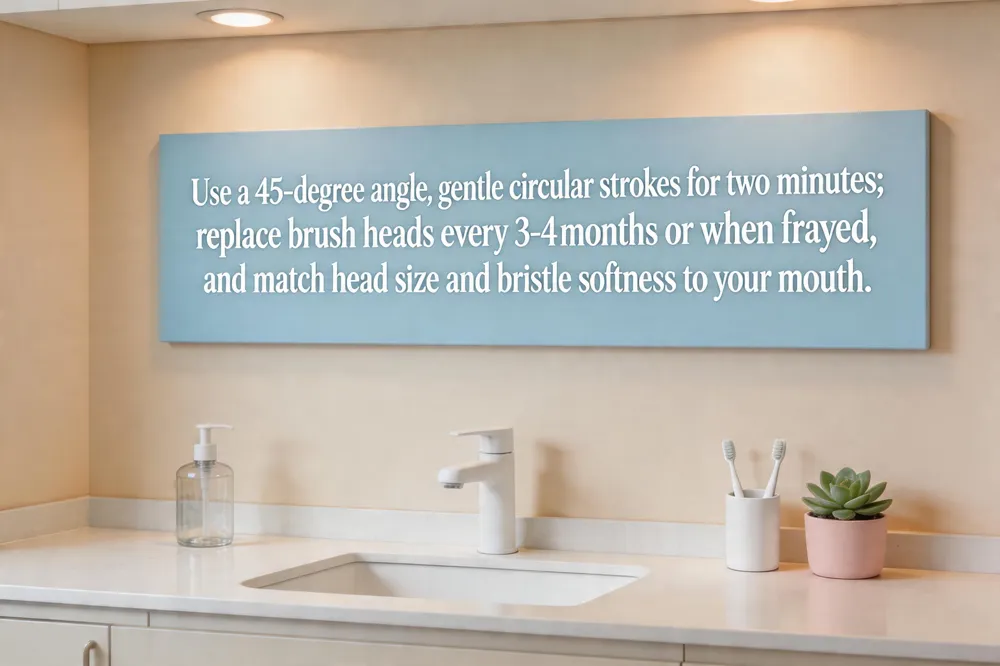 Brushing technique and timer use – The ADA advises a 45‑degree angle, gentle circular strokes, and a two‑minute duration. Electric brushes often have built‑in timers; a kitchen timer works for manual brushes. Consistent, gentle coverage beats harsh scrubbing.
Replacement schedule – Change a manual brush or electric head every three to four months, or sooner if bristles are frayed, discolored, or after illness. Small soft‑bristled heads reach back teeth easily and protect gums.
Quick quiz to personalize selection –
How to choose a toothbrush – quiz: Answer a few habit questions—head size, bristle softness, manual vs. electric, and design—to match your mouth and motivation.
Best manual toothbrush – Consumer Reports: Soft‑bristle options such as Curaprox CS 5460 or eco‑friendly Bamboo brushes rank highest when used with proper technique.
Best manual toothbrush: Curaprox CS 5460 offers ultra‑soft bristles and 5,460 fine strands for cleaning; picks include Colgate Extra Clean Medium.
Putting It All Together: A Personalized Oral‑Care Plan
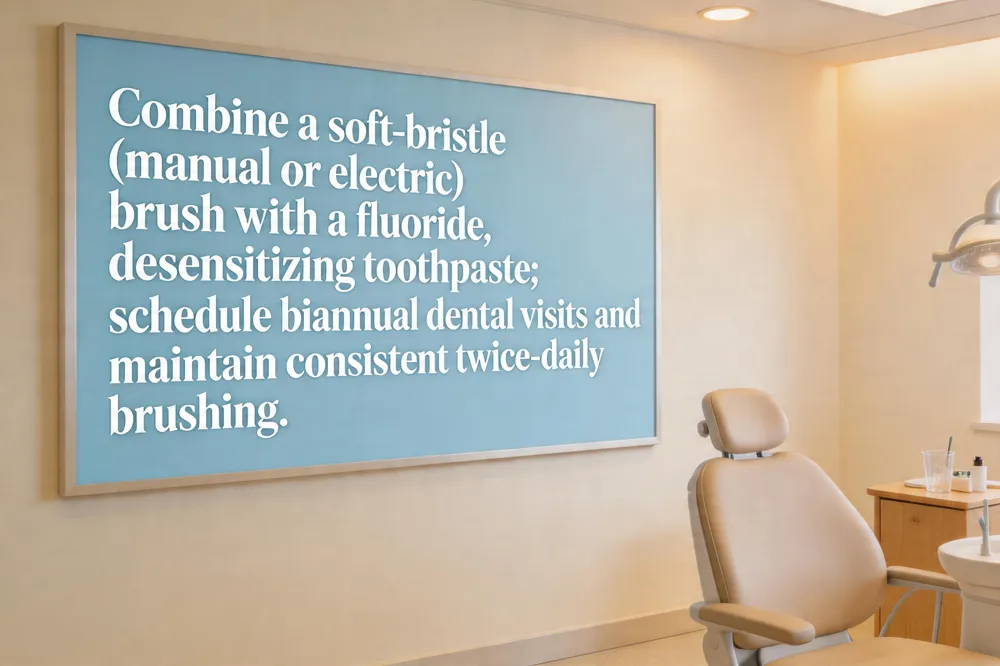 Choosing the right brush and paste works together. Pair a soft‑bristled head—whether a compact manual Curaprox CS 5460 or an Oral‑B Pro 1000 electric—with a fluoride toothpaste that contains desensitizing agents such as potassium nitrate or stannous fluoride (e.g., Sensodyne Full Protection Whitening Sensitive or Crest Pro‑Health Advanced Sensitive Relief). This combo protects enamel, reduces gum irritation and eases sensitivity.
Schedule regular visits at Loud Family Dental every six months; the team can assess brush wear, replace heads and tailor toothpaste recommendations to your changing needs.
Consistency is key. Brush twice a day for two minutes using a timer or the built‑in 2‑minute cue on most electric models. Keep a spare brush handy for travel, replace heads every three months and follow up with a fluoride mouthwash if advised. Staying disciplined ensures lifelong oral health. Ask your dentist for personalized tips on technique and product updates.
Your Path to a Healthier Smile
Choosing the right brush and toothpaste starts with your specific needs. Soft‑bristled heads—whether on a manual or electric brush—protect gums and enamel while still removing plaque. If you have limited dexterity, orthodontic appliances, or a history of gum recession, an electric model with a timer, pressure sensor, and a compact head can make brushing easier and more effective. Pair the brush with a fluoride toothpaste (≥ 1000 ppm) to strengthen enamel and prevent cavities; for sensitivity, look for potassium nitrate or stannous fluoride, and for whitening or tartar control, select a formula that matches your goals. Consistency is key: brush twice daily for two minutes using gentle circular motions and a 45° angle to the gum line. Finally, schedule regular check‑ups at Loud Family Dental. Professional cleanings, personalized product recommendations, and early detection of problems keep your oral health on track and ensure your smile stays bright for years to come.