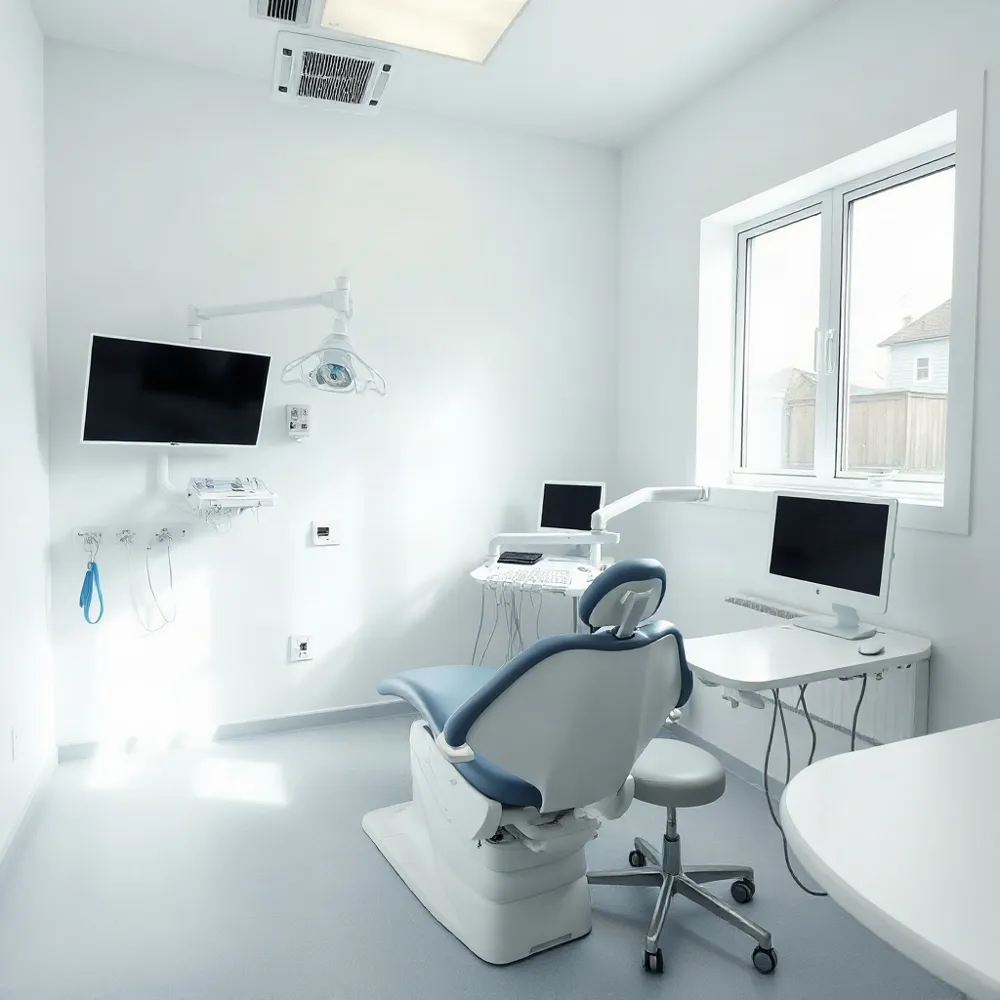
Prioritizing Your Toddler's Early Oral Health
Establishing a dental home by your child's first birthday or within six months of their first tooth erupting is a vital step in their development. At Loud Family Dental, we focus on early intervention to monitor growth patterns and ensure oral health begins on the right track. Unlike general clinics that may wait until age three, we emphasize proactive care to help your little one acclimate to a clinical environment, which is known to reduce future anxiety.
Primary teeth are far more than temporary placeholders. They are essential for proper nutrition, speech development, and holding the necessary space for permanent adult teeth, per the HRSA. Because early childhood tooth decay is the most common chronic disease in children, catching issues early through consistent professional checkups provides a foundation for lifelong wellness that protects your child from avoidable pain and complications.
Timing Your Child's First Dental Appointment
 The American Academy of Pediatric Dentistry and the American Dental Association recommend that your child’s first dental visit occur as soon as their first tooth appears, or no later than their first birthday. Establishing this dental home early is crucial for preventing future dental issues and monitoring your child's oral development. At Loud Family Dental, we focus on creating a positive, low-stress environment that helps your child feel comfortable during their first visit.
Regular visits, typically recommended every 6 months, allow our clinical team to ensure your child’s smile grows healthy and strong. By starting this routine early, we can help build positive habits, address any concerns regarding teething or oral hygiene, and ensure your child feels confident in the dental office. Protecting those primary teeth is essential, as they play a vital role in speech, proper chewing, and guiding the path for permanent teeth.
Early intervention is the most effective way to manage the risk of early childhood caries, which can develop as soon as the first tooth emerges. Unlike some offices that wait until age three, Loud Family Dental prioritizes these early appointments to detect potential issues like tooth decay or alignment concerns before they escalate. Scheduling your visit for a time when your toddler is rested, such as in the morning, often leads to a smoother experience for both the child and parent.
What To Expect During The First Exam
 Your child's first dental visit is primarily about building confidence and establishing a dental home. At Loud Family Dental, we focus on creating a positive, low-stress environment that helps your toddler feel safe from the moment they arrive. These appointments typically last between 30 and 45 minutes, per URMC Rochester data, allowing plenty of time for both the examination and parental education.
What happens during a toddler's first dental appointment?
During your toddler's first dental appointment, the dentist will perform a gentle examination of their teeth, gums, and mouth to monitor healthy development and check for any signs of early decay or injury. For comfort, you will typically sit in the dental chair with your child on your lap throughout the exam. This knee-to-knee exam technique allows the child to maintain eye contact with you, which significantly reduces anxiety. Following the check-up, the dentist will provide a professional cleaning and offer personalized guidance on daily oral care, teething, and habits like pacifier use or thumb-sucking. If your child becomes restless or cries, please remember this is a normal reaction to a new environment, and our team is experienced in keeping the experience positive and supportive. We are here to partner with you to ensure your child feels confident and comfortable as they start their journey toward a lifetime of healthy smiles.
Preparing for a successful visit
- Schedule your appointment in the morning when your child is well-rested and alert, according to Stanford Children’s Health.
- Keep your own demeanor calm and positive to prevent transferring any personal dental anxieties to your little one.
- Talk to your child about the visit using simple, happy language and practice opening their mouth at home to build familiarity with the process, as noted by MouthHealthy.
- Ensure your child has eaten a light meal and has had their teeth brushed before arrival to keep them comfortable and prepared for the exam.
Regular checkups are vital for tracking developmental milestones. Loud Family Dental recommends routine visits every six months to monitor oral health. However, we may suggest more frequent intervals for some children to help them build comfort with our equipment or to keep a closer eye on specific developmental concerns.
Navigating Teething and Home Oral Care
 Teething typically starts around 6 to 8 months of age, when the first teeth begin to emerge Key points for your child's teeth. When your baby begins teething, you can help soothe their sore gums by gently rubbing them with a clean finger or a piece of chilled, wet gauze. Offering firm, refrigerator-chilled teething rings or a cold, damp washcloth can also provide relief; however, avoid placing these items in the freezer, as they can become too hard and potentially damage delicate gum tissue. Keep your baby’s face dry to prevent rashes from excess drooling and provide plenty of comfort through extra cuddles and affection. If you are considering over-the-counter pain medication, always consult your pediatrician to ensure the dosage and type are safe for your child's age and weight. Please avoid using teething necklaces or any jewelry, as these pose serious choking and strangulation hazards.
Building a Healthy Oral Routine
Preventive care begins before the first tooth even erupts. Parents should clean a baby's gums daily using a clean, damp cloth A Child's First Dental Visit Fact Sheet. Once the first tooth appears, it is time to start brushing with a small, soft-bristled toothbrush and a grain-of-rice-sized amount of fluoride toothpaste. At loudfamilydentistry.com, we emphasize that parents must assist children with brushing until they reach the age of 7 or 8, as this ensures all surfaces are cleaned effectively and helps establish a dental home.
Dietary choices also play a major role in preventing early childhood decay. To protect developing teeth, bottles should only contain breast milk or formula and should never be used as a sleep aid A Child's First Dental Visit Fact Sheet. By the first birthday, you should encourage your child to transition from a bottle to a cup. At loudfamilydentistry.com, we provide personalized guidance on these transitions to help prevent common issues like baby bottle tooth decay.
Building a Foundation for Lifetime Wellness
Early oral health education is vital because it establishes healthy habits that prevent tooth decay, which remains the most common chronic childhood disease. By teaching children proper brushing and flossing techniques early on, we build a foundation for a lifetime of healthy smiles and overall well-being. Prioritizing oral care is essential, as poor dental health has been linked to difficulties in school, social challenges, and limited success later in life. Furthermore, education helps parents and children understand that most oral disease is entirely preventable through consistent care, routine screenings, and the use of protective measures like dental sealants and fluoride. Ultimately, by fostering these habits early, we ensure that children grow up with the confidence and health they need to thrive.
At Loud Family Dental, we emphasize that the impact of diet and sugary drinks on decay is profound. Avoiding juice, soda, and sticky treats in favor of whole fruits provides the natural fiber children need to keep teeth clean and strong. While some practices might suggest waiting until age three to address nutrition, our team works with you from the first appointment to ensure your child avoids early childhood caries.
Consistency at home is equally important. Parents should supervise or assist with brushing until a child is approximately 7 or 8 years old to ensure all surfaces are effectively cleaned. While other clinics may simply perform routine cleanings, we take the time to guide your family through these developmental milestones. We also monitor for the right time to introduce dental sealants on molars, adding a protective layer against cavities. Regular screenings allow us to tailor this protection to your child's specific needs, ensuring they stay on the right track toward a healthy future.
Partnering With Your Pediatric Dentist
Establishing a dental home for your child is a collaborative process that relies on open communication between parents and the clinical team. At loudfamilydentistry.com, we focus on building trust through consistent, proactive care. Unlike high-volume offices that may rush through exams, our team prioritizes the time needed to address your specific concerns and monitor developmental milestones.
What key questions should parents ask a pediatric dentist?
Parents should feel empowered to ask about proper oral hygiene routines, how to handle thumb-sucking or pacifier use, the appropriate amount of fluoride for their child, and signs of potential dental developmental concerns. It is also beneficial to ask for personalized advice on how often your child should return for checkups based on their specific oral health needs. If your child experiences dental anxiety, ask the dentist for strategies to keep visits positive or for information regarding sedation options if extensive work is required. Additionally, you may want to inquire about normal behaviors like tooth grinding and ask for recommendations on the best techniques to make brushing and flossing a successful part of your home routine. Asking these questions ensures you have the support and knowledge needed to help your child maintain a healthy, confident smile throughout their development.
Managing dental anxiety is often easier when children feel familiar with the environment. Loud Family Dental integrates a kid-friendly approach to help toddlers feel secure, often utilizing a knee-to-knee exam technique so your child remains in your lap. By maintaining a calm demeanor yourself, you help your child mirror your positive attitude, significantly reducing the likelihood of tears or wiggling during the 30 to 45-minute visit.
Your Commitment to a Healthy Future
Adopting an early and often approach to your child's dental care is one of the most effective ways to prevent early childhood caries. By scheduling their first appointment by age one, you establish a consistent dental home that tracks development while teaching vital hygiene habits.
At Loud Family Dental, our team understands that early exams are about more than just teeth. We provide a comfortable, community-oriented space where your toddler can feel safe and supported. We invite you to schedule your child's first visit today to begin a partnership built on trust, professional expertise, and a lifelong commitment to your family's brightest, healthiest smiles.