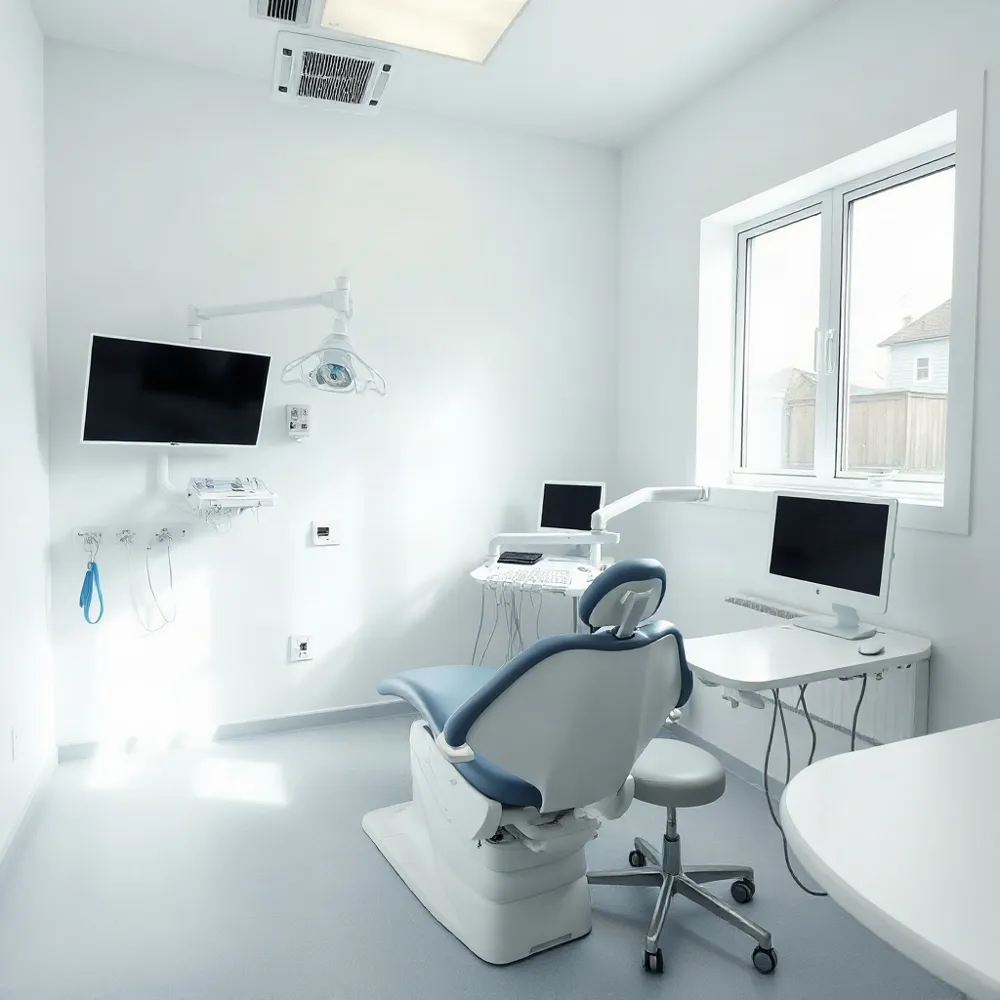
A Team Working Together
A dental visit involves more than one person. Dentists, hygienists, assistants, and other staff contribute different skills to support patients’ oral health and comfort. The dentist leads care, diagnoses conditions, and is accountable for what happens in the office, while other team members may help with prevention, treatment, and patient education.
Responsibilities can vary by practice and state rules, so the people you meet and the tasks they perform may differ. At Loud Family Dental, a community-oriented Shreveport clinic, patients of all ages can receive comprehensive dental services with a focus on comfort and professional care.
Knowing who does what can make a visit feel more familiar. This guide explains the team members you may meet, what an examination can reveal, and how preventive care and a little preparation can support a comfortable appointment.
Who You May Meet at the Dentist
 A dental visit may involve several people, each with a distinct part in your care. At Loud Family Dental, patients of all ages can receive comprehensive dental services, with the dentist leading decisions about diagnosis and treatment.
The dentist examines the mouth, diagnoses oral conditions, develops a treatment plan, and provides or oversees care. When appropriate, the dentist may also prescribe medication. Learn more about the dentist’s role on a dental team.
Dental hygienists commonly clean teeth, provide nonsurgical gum care, apply preventive treatments such as fluoride or sealants, and offer advice on daily brushing and flossing. Dental assistants typically prepare the room and instruments, gather patient information, and assist chairside. They may also explain prevention or post-treatment instructions. The California Dental Association’s overview of dental team roles provides a helpful reference for understanding these positions.
What an Examination Can Reveal
 An examination gives the dentist a closer view of your oral health than you can get at home. At Loud Family Dental, the dentist leads this assessment and directs any next steps, while the wider team can support preventive care and treatment.
The dentist checks for decay, gum inflammation or recession, and teeth that are cracked, worn, or damaged. They may also assess how your teeth meet and how your jaw moves, looking for signs of clenching, grinding, or jaw-joint concerns. The dentist’s role in diagnosis and treatment planning is distinct from the preventive support provided by other team members.
The tongue and other soft tissues are part of the check, too. Unusual sores, spots, swelling, or color changes may need closer evaluation or follow-up, but an oral examination does not diagnose every medical condition. Your health history can help the dentist understand what they see and decide on any next steps.
Prevention Starts Between Visits
 Which teeth are most likely to develop cavities? Any tooth can decay, but molars are often more vulnerable because food and plaque can collect in their pits and grooves. Cavities can also form between teeth or along exposed roots, and risk varies with oral hygiene, diet, saliva, and tooth anatomy.
Daily habits help protect teeth: brush twice a day with fluoride toothpaste, clean between your teeth every day, and keep up with regular dental visits. At Loud Family Dental, patients of all ages can discuss preventive care with a team focused on comfort and professional care. Ask your dentist whether sealants could help protect deep grooves; they are not needed for everyone.
What does the “3-3-3 rule” mean in dental care? It is an informal reminder, not a universally accepted guideline, and different versions assign different meanings to the numbers. One version suggests brushing three times daily for three minutes and waiting three minutes after eating before brushing. Other versions refer to replacing a toothbrush every three months or avoiding food before bedtime.
For a routine grounded in professional guidance, the American Dental Association’s brushing advice is to brush twice daily for two minutes with fluoride toothpaste and clean between teeth daily. After acidic foods or drinks, waiting about 30 minutes before brushing can help protect enamel. Your dentist can help tailor these habits to your needs, including advice about sealants and individual cavity risks. For more on protecting vulnerable back teeth, see these preventive strategies for cavity protection.
When a Specialist May Help
Some dental concerns call for focused expertise beyond routine care. In the United States, 12 dental specialties address distinct areas of oral health and involve additional training, from treating children to diagnosing complex conditions. Learn more about the recognized dental specialties.
The specialties are dental anesthesiology, dental public health, endodontics, oral and maxillofacial pathology, oral and maxillofacial radiology, oral and maxillofacial surgery, orthodontics and dentofacial orthopedics, pediatric dentistry, periodontics, prosthodontics, oral medicine, and orofacial pain. The California Dental Association’s overview of dental specialties describes how some dentists complete additional postdoctoral education in a specialty.
For example, endodontists treat problems involving the tooth pulp, orthodontists address tooth and jaw alignment, pediatric dentists focus on children’s oral health, and periodontists care for gums and the structures supporting teeth.
A general dentist can assess your needs, discuss whether a specialist may help, and coordinate next steps. Loud Family Dental offers comprehensive dental services for patients of all ages, so a conversation with your general dentist can help clarify what kind of care may be appropriate.
Prepare for a Comfortable Visit
For a routine dental appointment, you generally do not need to avoid eating or drinking unless your dental team gives you different instructions. If you are unsure, call the office before changing your usual routine. Patients at Loud Family Dental can also review tips for preparing for a comfortable visit.
Do not stop or change prescribed medication without checking with your care team. Bring an up-to-date list of medicines and supplements, and share relevant health or dental history, concerns, or anxiety. You can ask what to expect and which team members will be involved.
Sedation or certain procedures may require special preparation. Follow the clinic’s specific directions about food, drinks, alcohol, caffeine, and medications, since fasting instructions depend on the type of sedation. Avoid alcohol and recreational substances before sedation, and contact the office if you become ill or have questions.
Build a Trusted Dental Home
A dental team brings together different skills to support prevention, diagnosis, treatment, and patient education. You can help make that care personal by asking questions, sharing concerns, and discussing recommendations or referrals with your dentist.
At Loud Family Dental, patients of all ages can receive comprehensive dental care in a community-oriented setting focused on comfort and professional care. Building a familiar relationship with your dental team can help individuals and families feel supported as their needs change over time.