Where Mouthwash Fits
Mouthwash can freshen breath and add ingredients that support particular oral-health goals, but it is optional. It does not remove plaque as effectively as brushing and cleaning between teeth, so it should not replace those daily habits or fluoride toothpaste. The American Dental Association’s mouthrinse guidance describes mouthwash as an addition to, not a substitute for, routine oral care.
The right rinse depends on what you want it to do. Some products mainly freshen breath, while therapeutic rinses may contain ingredients intended to help with concerns such as cavities, gum inflammation, or dry mouth. Checking the label helps distinguish these purposes, and a dentist can help match a product to your needs.
How and when you rinse also matters. Instructions vary by product, and using a fluoride rinse immediately after brushing may wash away some of the concentrated fluoride left by toothpaste. The NHS recommends using mouthwash at a different time from brushing. At Loud Family Dental, patients of all ages can ask for guidance that fits their oral-health needs and routine.
What Mouthwash Can Do
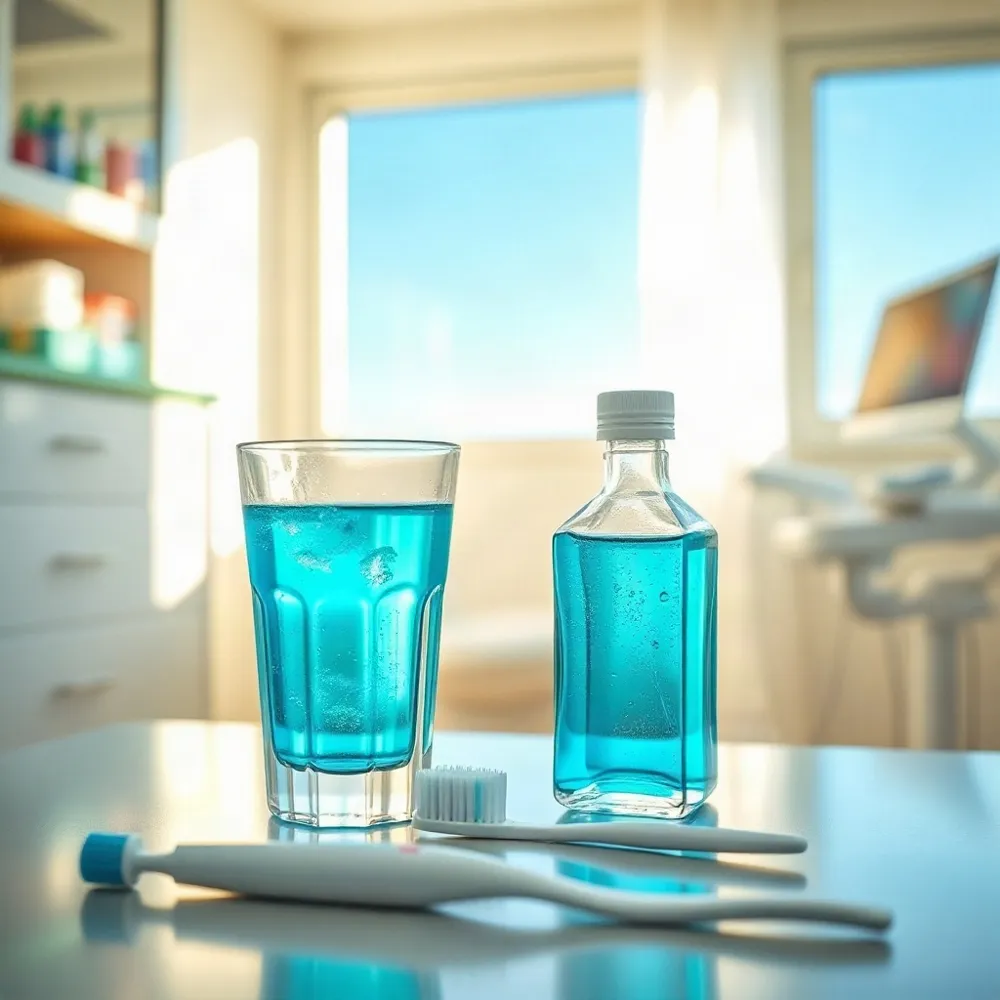 Mouthwash can freshen breath and rinse areas a toothbrush may miss, but it cannot remove plaque as thoroughly as brushing and cleaning between the teeth. Treat it as an optional addition, not a substitute for those daily habits. The American Dental Association’s guidance on mouthrinse explains how different rinses serve different purposes.
Cosmetic rinses mainly mask bad breath for a short time or leave a pleasant taste. Therapeutic rinses contain active ingredients intended to help with a particular concern. Depending on the formula, that may include cavity prevention, plaque control, gum inflammation, dry mouth, or oral soreness. A rinse may ease a symptom, but it does not necessarily treat its underlying cause.
Fluoride rinses can provide added protection against tooth decay, while ingredients such as cetylpyridinium chloride, chlorhexidine, or essential oils may help control plaque or gingivitis. The benefits depend on the ingredients and how the product is used. For example, the NHS advises using mouthwash at a different time from brushing, since rinsing right afterward can wash away fluoride left by toothpaste.
A rinse may be worth discussing with a dentist if you have an increased risk of cavities, gum inflammation, or breath concerns. Persistent bad breath can have causes that mouthwash will not resolve, so adding more rinse is not always the answer. At Loud Family Dental, patients of all ages can discuss oral-health concerns with a dental team and get advice suited to their needs.
Children younger than six should not use mouthwash unless a dentist directs it, because they may swallow the liquid. For any age, check the product label and follow dental instructions, especially when a rinse is intended to address a specific condition.
Choosing a Rinse for Your Needs
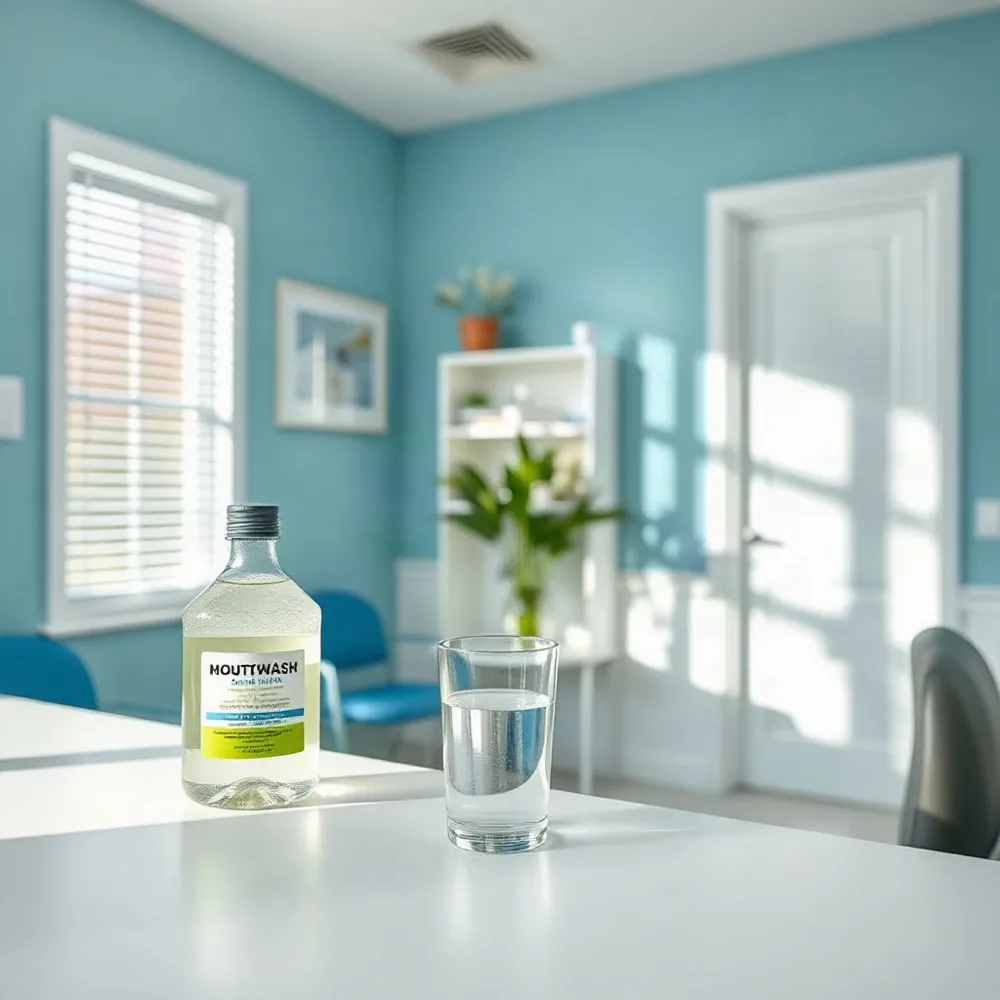 Choosing a mouthwash starts with its purpose. Cosmetic rinses mainly provide temporary breath freshening, while therapeutic rinses contain active ingredients intended to help with specific oral-health concerns. The American Dental Association’s mouthrinse guidance explains the difference and outlines common ingredients.
Look for an ingredient that matches your goal. Fluoride rinses provide additional support for preventing tooth decay. Cetylpyridinium chloride and essential oils may help control plaque, gingivitis, or bad breath, while chlorhexidine is a prescription ingredient used for certain dental needs. Some whitening rinses contain peroxide to help reduce surface stains.
Check the label for active ingredients, intended claims, age guidance, and directions. The ADA Seal of Acceptance means a product’s stated claims have been evaluated against objective requirements, but it does not replace the label or your dentist’s advice. A rinse should complement brushing with fluoride toothpaste and flossing, not take their place.
Comfort matters, too. Alcohol-containing rinses may feel uncomfortable or contribute to dryness for some people. If your mouth is dry or sensitive, ask a dentist whether an alcohol-free option may suit you better. Children younger than six should not use mouthwash unless a dentist advises it, since they may swallow it.
Prescription products require particular care: use chlorhexidine and other prescribed rinses only as directed by the dental professional who recommended them. At Loud Family Dental, patients of all ages can discuss oral-care questions with a community-focused Shreveport dental team and get guidance suited to their needs. For a broader overview of cosmetic and therapeutic mouthwash, see the related guide.
Timing It Around Brushing
Should I use mouthwash before or after brushing? There is no single sequence for every rinse. Ingredients and product directions matter, and guidance can differ. For many people, using mouthwash before brushing or at a separate time of day is a practical way to avoid rinsing away toothpaste fluoride.
Fluoride toothpaste leaves a concentrated layer on teeth after brushing. Rinsing immediately with mouthwash can wash some of it away. The NHS recommends using mouthwash at another time, such as after lunch, and advises spitting out excess toothpaste without rinsing immediately with water. See the NHS guidance on keeping teeth clean.
If you prefer to rinse after brushing, check the product label or ask your dentist when to use it. Waiting about 30 minutes may be appropriate for some products, but instructions vary. Fluoride rinses, antibacterial products, and prescription mouthwashes may each have specific directions, so general timing advice should not replace the instructions for your rinse.
At Loud Family Dental, patients of all ages receive professional care and guidance tailored to their oral-health needs. A dentist can help fit a rinse into your routine, especially if you use a prescription product or are unsure whether it suits you. For more on adapting rinse timing, see how to use mouthwash correctly.
Using the Product Correctly
How should you use mouthwash, and should you dilute it with water? Start by checking the product label, since the amount, timing, and swishing instructions can vary by formula. Use mouthwash after brushing and flossing unless the label or your dentist recommends a different order. For more on fitting a rinse into your routine, see how to use mouthwash correctly.
Measure the stated amount rather than estimating. Many products are swished for about 30 seconds, but the label takes priority, especially for prescription rinses. Most mouthwashes are ready to use. Do not add water unless the instructions or a dental professional specifically tell you to, as dilution may reduce the strength of the active ingredients. Swish as directed, then spit the rinse out. Do not swallow it.
You generally do not need to rinse your mouth with water afterward. Water rinsing right after use can wash away the active ingredients before they have time to work. If you prefer to rinse, wait a while first, or check the label for specific guidance. Spitting out any remaining rinse is enough for most products.
Rinsing Time and Aftercare
How long should I rinse with mouthwash, and should I rinse with water afterward? Many products call for swishing for about 30 seconds, but the correct time and dose depend on the formula. Check the label, and follow your dentist’s directions if you use a prescribed rinse.
When you finish, spit the rinse out rather than swallowing it. You generally do not need to rinse with water afterward, since that may dilute or wash away active ingredients. Product instructions can vary, so check them before adding a water rinse.
If the product contains fluoride, avoid eating or drinking for 30 minutes after rinsing, as advised by the NHS. This gives the fluoride time to remain in contact with your teeth.
After brushing with fluoride toothpaste, using mouthwash immediately may wash away some of the concentrated fluoride left on your teeth. The NHS recommends waiting 30 minutes after brushing before using a fluoride mouthwash, or using it at a different time of day, such as after lunch. Check the label of your mouthwash for specific guidance, and ask your dentist if you are unsure.
Finding a Suitable Frequency
How often should I use mouthwash, and is daily use appropriate? Daily use can suit some people, but the right schedule depends on the product and your oral-health needs. Follow the label or your dentist’s instructions rather than assuming that using more will provide extra benefit.
Some rinses may irritate the mouth or contribute to dryness, staining, or sensitivity when used inappropriately. For example, the American Dental Association’s guidance on mouthrinse notes that certain active ingredients can stain teeth, the tongue, or dental restorations. If you have dry mouth or sensitive tissues, ask a dental professional whether a different formula or schedule would be more suitable.
Mouthwash remains an add-on to brushing twice a day with fluoride toothpaste and cleaning between your teeth daily. To help keep toothpaste fluoride on your teeth, use a rinse at a separate time, such as after lunch, rather than immediately after brushing, as advised by the NHS guidance on keeping teeth clean.
For a routine tailored to your needs, Loud Family Dental provides comprehensive care for patients of all ages in Shreveport. Ask your dentist there about a suitable rinse and schedule, particularly if you have dry mouth, sensitivity, or use a prescription mouthwash.
Potential Drawbacks and Precautions
Can mouthwash have drawbacks, and are there reasons some people should avoid or limit it?
Yes. Mouthwash can cause unwanted effects, and it should supplement, not replace, brushing with fluoride toothpaste and flossing. Some ingredients may irritate the mouth, and alcohol-containing rinses may feel drying or uncomfortable for people with dry or sensitive mouths. An alcohol-free product may be more comfortable, but check the label and ask a dentist which option fits your needs. Loud Family Dental provides care for patients of all ages, so families can ask a dental professional about age-appropriate products and individual sensitivities.
Children younger than six should not use mouthwash unless a dentist directs them to do so, because they may swallow it. Swallowing a large amount can be harmful, particularly with products containing alcohol. Keep rinses out of young children’s reach and supervise older children who use them. Some therapeutic ingredients can also stain teeth or dental restorations. The American Dental Association’s mouthrinse guidance notes this possible effect with chlorhexidine and cetylpyridinium chloride, not with every mouthwash.
A rinse may temporarily cover bad breath without treating its cause. Persistent odor, soreness, or other uncomfortable symptoms deserve dental evaluation rather than simply more rinsing. Loud Family Dental’s focus on comfortable, professional care can help patients discuss symptoms and suitable home-care choices. For more on possible irritation and dryness, see mouthwash risks and side effects.
Follow the product label and a dentist’s directions, especially for prescription rinses. Do not change the dose or frequency on your own, and ask a dentist before using a rinse if you are unsure about an ingredient or notice irritation.
Keep the Essentials in Place
Mouthwash can be a useful addition, but the right choice and routine depend on the product and your oral-health needs. Keep brushing with fluoride toothpaste and cleaning between your teeth at the center of daily care; a rinse is not a shortcut for either step.
Read the label for the amount, timing, and any age or safety directions, and follow your dentist’s instructions for prescription rinses. If bad breath, pain, bleeding, or another symptom persists, seek advice rather than relying on mouthwash to cover it. The team at Loud Family Dental provides comprehensive care for patients of all ages in Shreveport, with a focus on comfort and professional care, and can help you discuss a rinse suited to your needs.