
Prioritizing Your Oral Health During Unexpected Dental Emergencies
Acting quickly when a dental problem arises is often the deciding factor in saving a damaged tooth or preventing a minor issue from becoming a serious health risk. According to the American Dental Association, knowing exactly how to respond to trauma can mean the difference between keeping your natural smile or facing complex, long-term restorative needs.
Distinguishing between a true emergency and a routine concern is vital for your peace of mind. Situations involving uncontrolled bleeding, severe pain that resists medication, or trauma to facial bones require immediate professional attention as outlined by the Cleveland Clinic. Conversely, minor issues like a dull toothache or a small chip can often wait for a standard appointment.
At Loud Family Dentistry, we understand that accidents happen outside of business hours. Our team is committed to community care by providing clear guidance and prioritizing urgent cases so our neighbors in Shreveport receive the timely support they need to stabilize their oral health.
Recognizing When a Dental Problem Requires Immediate Professional Attention
 Distinguishing between a minor oral discomfort and a true dental emergency is the first step in protecting your long-term health. A dental emergency is defined as any condition requiring immediate professional attention to stop uncontrolled bleeding, alleviate severe pain, or address dangerous infections like an abscess.
What situations qualify as a dental emergency?
Situations requiring urgent care include knocked-out teeth, extruded (partially dislodged) teeth, and teeth that are badly cracked or fractured. Patients experiencing severe, persistent toothaches that do not respond to over-the-counter pain medication should contact a provider immediately. While Loud Family Dentistry works to prioritize these urgent cases, it is vital to understand that minor issues like dull toothaches, small chips, or broken braces without bleeding are typically not emergencies and can wait for a standard appointment.
Signs of life-threatening oral conditions
Some oral health issues pose a risk to your systemic health. Uncontrolled bleeding, swelling in the face or jaw that compromises your airway, and trauma to facial bones are critical situations. As noted by the American Dental Association, these life-threatening events require immediate care at a hospital emergency room rather than a dental clinic. If you face significant trauma after hours, do not hesitate to seek emergency department assistance, as they can provide temporary relief via antibiotics or pain medication when a dentist is unavailable.
For non-life-threatening urgent care, Loud Family Dentistry provides diagnostic assessments, including digital X-rays, to identify the root cause of your pain. Unlike hospital emergency rooms, which cannot perform restorative dental work like fillings or crowns, our team focuses on definitive treatment and pain management to restore your oral health.
Steps for Handling Dental Emergencies During After-Hours and Weekends
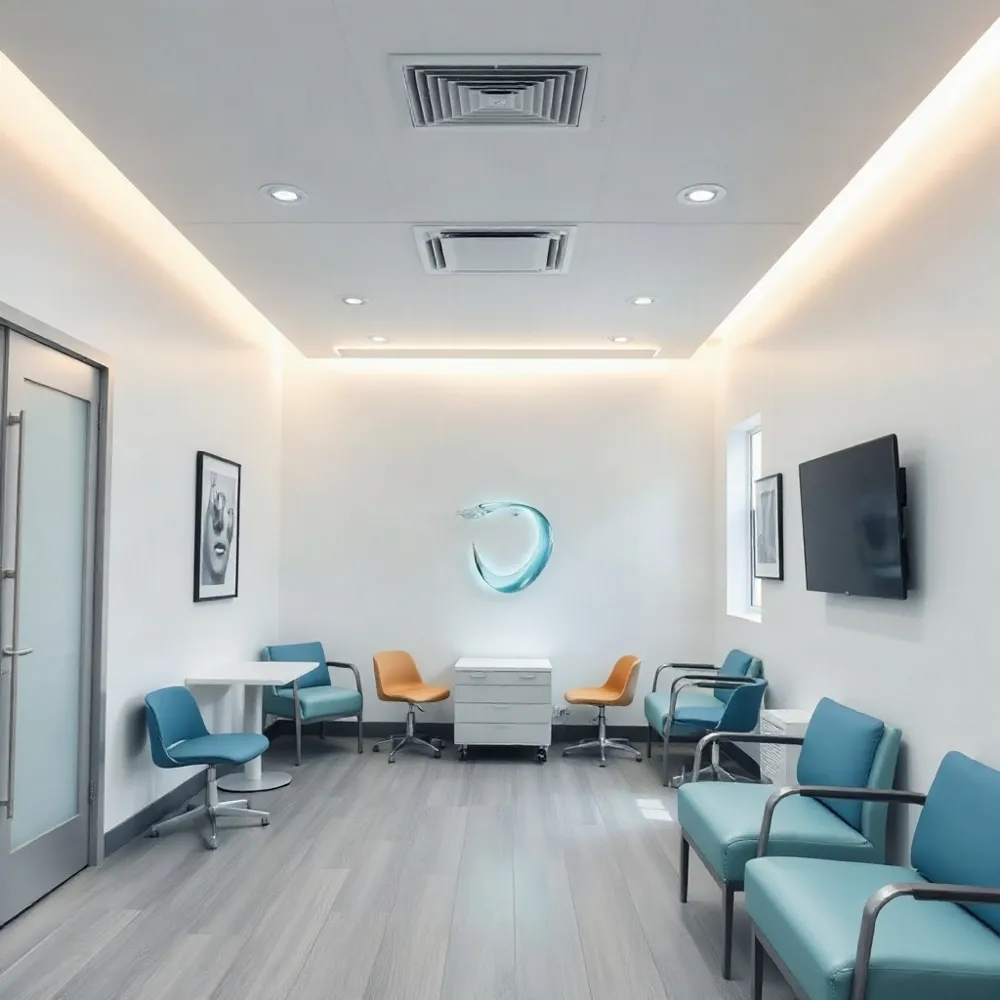 When a dental issue arises outside of standard office hours, knowing how to respond can be the difference between preserving your natural smile and needing complex restorative care. At loudfamilydentistry.com, we emphasize that the first step in any dental emergency is to contact your dentist immediately for professional guidance, as many offices provide specific after-hours instructions or emergency contact lines.
For situations requiring immediate stabilization, several home management techniques can help alleviate symptoms while you await professional treatment. If you are dealing with a severe toothache, rinsing with warm salt water can help soothe the area, and applying a cold compress to the outside of your cheek is highly effective for reducing swelling. It is critical to avoid placing aspirin or other painkillers directly against the gum tissue, as this common mistake can cause chemical burns to your delicate oral mucosa per Cleveland Clinic guidance.
A knocked-out permanent tooth represents one of the most time-sensitive injuries you may encounter. To maximize the likelihood of saving the tooth, handle it only by the crown and avoid touching the root. If you cannot gently place it back into the socket, keep the tooth moist by storing it in a container of milk or a cell growth medium. Seek professional dental care within one hour of the injury, as the window for successful re-implantation is limited. If you are ever faced with uncontrolled bleeding, airway obstruction, or significant facial trauma, proceed directly to the nearest emergency room, as these conditions require medical intervention beyond standard dental practice.
Understanding the Limitations of Hospital Emergency Room Dental Care
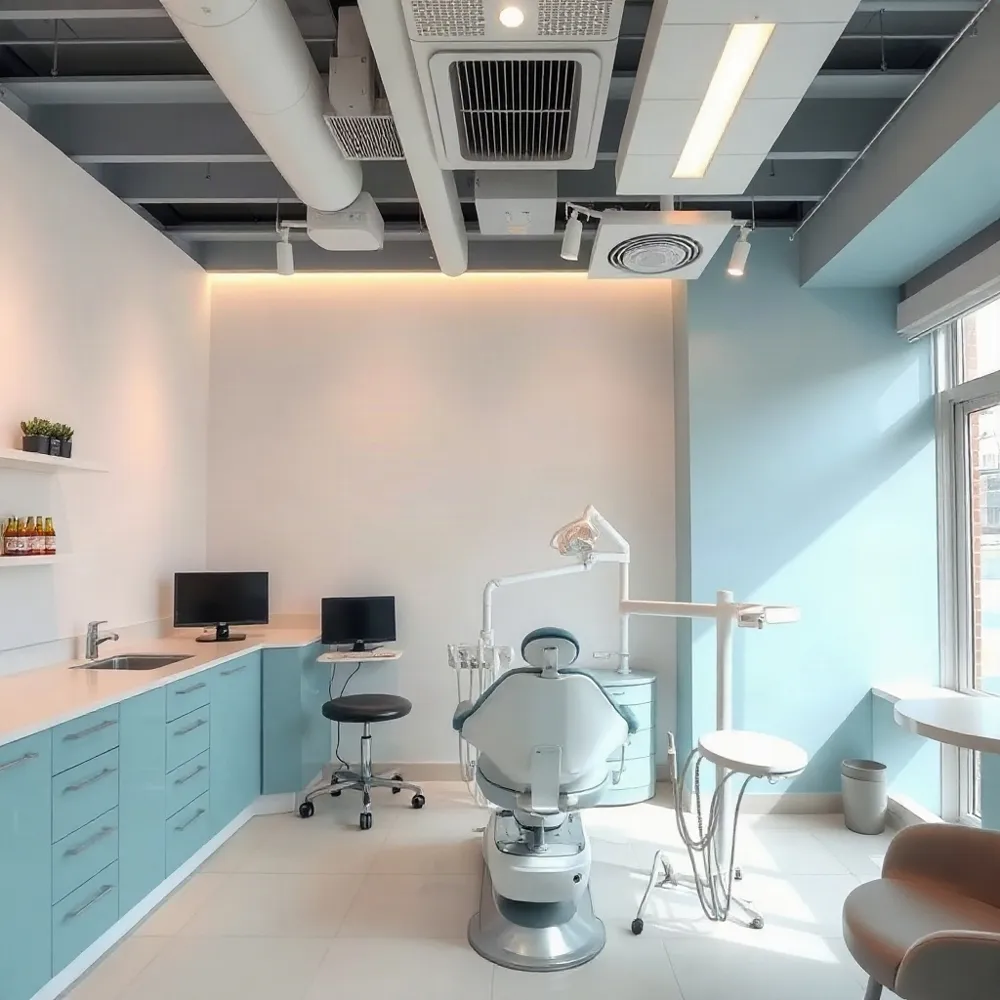 When facing an emergency dental situation, the impulse to head straight to the nearest hospital is natural. However, hospital emergency departments are designed to manage general medical crises rather than specialized oral health needs. While you can visit the emergency room for severe tooth pain, it is important to understand that hospital staff are generally not equipped to perform dental procedures like extractions or root canals.
Emergency physicians serve a specific role in stabilizing patients. They can provide temporary relief by prescribing antibiotics for infections or managing acute pain levels, but they cannot address the root cause of your dental issue, such as a deep cavity or a fractured tooth. Because these facilities lack specialized dental instruments and restorative materials, a visit to the hospital should be viewed as a bridge, not a solution.
For most dental emergencies, contacting your dentist first is the best course of action. At Loud Family Dentistry, we provide specific guidance on whether your condition requires immediate intervention or can be managed during our standard hours. We prioritize our patients by offering clear instructions on how to manage symptoms at home until you can reach our office for a definitive diagnosis.
You should reserve emergency room care specifically for life-threatening symptoms, such as uncontrolled bleeding, broken facial bones, or significant swelling that interferes with your ability to breathe or swallow. In all other cases, professional dental care remains the standard for treatment. Always follow up with a dental professional after an ER visit to ensure you receive the definitive care needed to preserve your oral health.
The Diagnostic Process During Your Emergency Dental Visit
When you arrive at loudfamilydentistry.com for an emergency appointment, the team prioritizes identifying the root cause of your discomfort. Unlike routine checkups that evaluate your entire mouth, an emergency visit focuses exclusively on stabilizing your condition and relieving pain. To help our staff prepare for your care, please bring your insurance information, a current list of any medications you are taking, and your dental history.
The diagnostic phase typically begins with a visual inspection of the affected area, followed by targeted digital X-rays. These images allow your dentist to uncover hidden issues such as abscesses, fractures, or deep decay that may not be visible to the naked eye. This precise diagnostic imaging ensures that any treatment performed is both accurate and effective.
The primary goal of your initial visit is stabilization rather than a full, permanent restoration. Depending on the diagnosis, this might involve draining an infection, prescribing medication for pain, or temporarily re-securing a loose crown or bridge. While these steps provide necessary relief, you may need to schedule a follow-up visit at loudfamilydentistry.com to complete any complex or definitive dental repairs required for your long-term oral health.
Exploring Treatment Options Beyond Emergency Tooth Extractions
When you face severe oral pain or trauma, it is natural to worry that your only choice is losing the affected tooth. However, preserving natural teeth is the core priority at Loud Family Dentistry, as your own tooth structure remains superior to any artificial replacement for long-term health and function. While some practices might suggest immediate removal for convenience, the team here focuses on identifying restorative paths that save the tooth whenever possible.
Is an emergency extraction the only solution for a rotten or painful tooth?
No, an emergency extraction is not always the necessary solution for a painful or decayed tooth. At Loud Family Dentistry, we believe that preserving your natural tooth structure is the best path for long-term function and comfort. Depending on the severity of the issue, we can often save a compromised tooth using restorative treatments like fillings, crowns, or root canal therapy. Extraction is typically considered a final option, reserved only for cases where the damage is too extensive to repair or when the tooth poses a risk to your overall oral health. We invite you to schedule an examination so our team can evaluate your specific needs and determine the most effective way to restore your smile.
When is extraction necessary?
Extraction becomes the standard of care only when clinical evaluation shows that a tooth cannot be saved or would compromise surrounding bone and gum tissue. Advanced diagnostics help our team determine if crowns or fillings can bridge the gap between initial trauma and full recovery. By choosing proactive care, you avoid the complications associated with tooth loss, such as shifting teeth or bone resorption.
Managing Financial Concerns for Urgent Dental Care
Facing a sudden dental emergency can feel overwhelming, especially when the added pressure of potential treatment costs arrives at the same time. At Loud Family Dentistry, we believe that financial anxiety should never serve as a barrier to receiving essential care, particularly when dealing with severe pain or trauma. We prioritize transparent communication regarding your diagnosis, treatment path, and all associated costs before any procedure begins.
What options are available if I have a dental emergency but no insurance or limited funds?
If you are facing an emergency without insurance or with limited funds, please reach out to our office immediately so we can discuss your situation with empathy and transparency. Many dental practices offer third-party financing solutions or specialized credit services that allow you to manage the cost of urgent care through manageable monthly payments. Some offices also provide internal payment plans or sliding scale options designed to help patients receive necessary treatment without the burden of upfront costs. We encourage you to be open with our staff about your financial concerns when you call, as we are committed to finding a path forward that prioritizes your oral health. Our goal is to ensure that financial barriers do not prevent you from receiving the professional, comfortable care you need during an emergency.
Prioritizing your oral health is our primary mission, and we encourage patients to engage in transparent financial discussions during the initial intake process. By addressing your budgetary needs early, we can coordinate a strategy that addresses the urgent clinical issue while keeping your long-term wellness in mind. We strive to offer flexible options that allow you to focus on your recovery rather than the stress of payment.
Proactive Steps to Prevent Future Dental Emergencies
While immediate care is vital when a crisis occurs, many dental issues are preventable through consistent habits. Maintaining a routine of daily brushing and flossing, paired with regular dental checkups at loudfamilydentistry.com, allows your team to identify and treat potential weaknesses before they escalate into painful emergencies.
Practical safety measures significantly reduce your risk of trauma. Wearing a custom-fitted mouthguard during contact sports provides essential protection against knocked-out or fractured teeth. Furthermore, avoid using your teeth as tools to rip open packages or chew on hard items like ice and popcorn kernels, as these common habits frequently lead to cracked enamel.
Building a simple emergency dental kit can offer peace of mind when unexpected issues arise. Include a small container with a lid for saving lost tooth fragments or restorations, sterile gauze, and a list of contact information for your dentist. Having these items ready allows you to respond calmly and effectively, ensuring you are prepared if a dental emergency ever happens at home.