Introduction to Personalized Treatment Plans in Dentistry
Understanding Personalized Treatment Plans in Modern Dentistry
A personalized treatment plan moves beyond a generic approach to dental care. Instead of applying a standard solution to every patient, it is carefully crafted to address each individual’s unique needs, medical history, lifestyle, and aesthetic goals. This comprehensive strategy begins with a detailed evaluation of your teeth and gums, a review of your health background, and a discussion of your personal concerns and desires. By focusing on these specific elements, the dentist can design a plan that targets preventive care, restorative work, or cosmetic enhancements directly suited to you.
How Personalization Builds Trust Between Patient and Dentist
Trust is the foundation of any strong patient-dentist relationship, and personalized care is a powerful way to build it. When a dentist takes the time to truly understand your concerns, preferences, and fears, you feel valued as a person, not just a set of teeth. This sense of being heard and respected significantly reduces dental anxiety. Patients who are actively involved in planning their care are more likely to follow through with recommended treatments, attend regular check-ups, and maintain open communication. Over time, these consistent, caring interactions foster a deep, lasting partnership where you feel confident and supported in your oral health journey.
The Role of Modern Technology in Creating Confident Patients
Today’s dental technologies are revolutionizing how treatment plans are developed and communicated. Digital scanners create precise 3D maps of your mouth in seconds, eliminating uncomfortable putty molds. AI-powered software helps diagnose issues like tiny cavities or early gum disease that might be missed by the human eye. These tools allow for more accurate, efficient, and transparent planning. When you can see a clear visual of your condition and understand the rationale behind each recommended step, your confidence in the dentist’s expertise grows. This data-driven clarity helps demystify dental care and empowers you to make informed decisions.
Personalized Care at Your Community-Oriented Clinic
At Loud Family Dental in Shreveport, Louisiana, these principles are put into practice every day. As a community-oriented clinic, the focus is on offering comprehensive, professional care for patients of all ages in a comfortable, family-friendly environment. The team works to understand your specific dental needs and smile goals, building a treatment path that feels personal and right for you. By combining a genuine commitment to your comfort with modern tools and techniques, Loud Family Dental strives to create a stress-free experience where trust grows naturally. From your first visit to long-term follow-up, the goal is to ensure you feel listened to, respected, and cared for like family.
| Aspect of Personalized Care | What It Means for You | How It Builds Trust |
|---|---|---|
| Comprehensive Evaluation | Thorough check of oral health, medical history, lifestyle. | Shows the dentist is thorough and cares about your whole health picture. |
| Tailored Treatment Design | Plan is customized for your specific needs and goals. | Demonstrates that you are not just another patient; your individual situation matters. |
| Clear Communication | Explanations use plain language, avoid jargon, and include visual aids. | Reduces confusion, decreases anxiety, and makes you feel informed and in control. |
| Patient Involvement | You are encouraged to ask questions and participate in decisions. | Fosters a partnership where your opinion is valued, increasing your commitment to the plan. |
| Modern Digital Tools | Use of AI, digital scans, and 3D imaging for precise diagnosis. | Enhances accuracy and transparency, boosting your confidence in the recommended treatment. |
| Financial Transparency | Clear, upfront cost estimates and discussion of insurance and payment options. | Eliminates surprise bills and helps you make confident financial decisions. |
| Consistent Follow-Up | Regular check-ins and reminders after treatment. | Shows ongoing care and attention, reinforcing that you are a priority. |
| Comfort-Focused Environment | Gentle care, attention to anxiety, and a family-friendly atmosphere. | Makes visits less stressful and more welcoming, encouraging loyalty and long-term relationships. |
The Patient-Centered Foundation of Trust
Understanding the Core Philosophy of Personalized Care
Personalized dental care starts with a simple but powerful shift: seeing each patient as a unique individual rather than a set of teeth to be treated. This philosophy recognizes that every person brings their own health history, lifestyle, preferences, and anxieties into the dental chair. A truly personalized treatment plan begins with a comprehensive assessment that goes beyond just examining the mouth. It includes reviewing medical history, discussing daily habits, identifying risk factors, and most importantly, listening to the patient's concerns and goals.
By focusing on what makes each patient different, dentists can design care that addresses specific needs—whether that means preventive strategies for someone prone to cavities, restorative work for an old injury, or cosmetic enhancements to boost confidence. This approach acknowledges that standard, one-size-fits-all treatment schedules often miss the mark. A patient with high decay risk may benefit from more frequent fluoride applications and nutritional counseling, while someone with minimal risk may need less intensive intervention, saving both time and money. This tailored strategy ensures that care is neither excessive nor insufficient, but just right for the individual.
How Personalization Builds Trust and Improves Outcomes
When patients feel that their dentist truly understands them, trust naturally follows. Research shows that personalized care leads to better clinical outcomes, stronger patient-practitioner relationships, and higher compliance with treatment plans. Patients who are involved in decisions about their care are more likely to follow through with recommended procedures, keep regular appointments, and maintain good oral hygiene at home. This is because they feel understood and supported, not just treated.
A key element of this trust is shared decision-making. When dentists explain conditions, treatment options, and costs in plain, everyday language, patients become active partners in their own care. Using visual aids like digital scans or intraoral photos can make complex issues easy to understand. Asking open-ended questions such as "What concerns you most about this treatment?" reveals patient priorities and allows the dentist to address them directly. This collaborative process transforms the patient-dentist relationship from a one-way instruction into a genuine partnership.
Real-World Examples of Patient-Centered Communication
At Loud Family Dental, this patient-centered philosophy is put into practice every day. Dr. Rodrick Loud is known for taking the time to explain procedures thoroughly and making patients feel comfortable. Patient reviews consistently highlight his informative and patient approach. One patient noted, "Dr. Loud is very informative and patient, which I really appreciate." Another shared, "Dr. Loud and their staff truly care about their patient, he knows exactly what you need and he will give you the best treatment." These testimonials reflect how clear communication and genuine attention to individual needs build lasting trust.
Patients also appreciate the gentle care they receive. One review mentioned that "the care I received was exceptional and everyone was so nice and Dr. Loud was extremely gentle." This gentle approach is especially important for patients who may feel anxious about dental visits. By creating a welcoming environment where patients feel valued and listened to, the practice fosters loyalty and encourages long-term relationships.
Addressing Dental Anxiety with Empathy and Control
Dental anxiety is a significant barrier to care for many people. Personalized treatment plans address this by recognizing and responding to anxiety with empathy. Techniques like the "Tell-Show-Do" method help reduce uncertainty: the dentist explains each step in simple language, shows the tools involved, and then proceeds only when the patient feels ready. Giving patients control, such as agreeing on a hand signal to pause treatment, empowers them and helps manage fear.
Following up after appointments with a quick call or message to check on recovery shows continuing care and reinforces trust. When patients know their dentist is genuinely concerned about their well-being, they are more likely to return for regular check-ups and recommend the practice to others. This consistent, compassionate approach turns dental visits from a source of stress into a positive experience.
| Personalized Care Element | Patient Benefit | Trust-Building Outcome |
|---|---|---|
| Comprehensive assessment | Care tailored to individual health history and lifestyle | Patient feels understood and valued |
| Plain-language explanations | Clear understanding of conditions and options | Patient feels informed and confident |
| Shared decision-making | Active role in treatment choices | Patient feels respected and empowered |
| Empathy for anxiety | Reduced fear and stress | Patient feels safe and supported |
| Consistent follow-up | Ongoing support and care continuity | Patient feels cared for beyond the visit |
By placing the patient at the center of every decision, personalized treatment plans build a foundation of trust that leads to better health, stronger relationships, and a more positive dental experience for everyone.
The Role of Modern Technology in Personalized Plans
Digital tools are transforming personalized dental care from a concept into a seamless, data-driven reality. These technologies create precise, comfortable, and efficient treatment plans that build trust by putting the patient’s experience and understanding first.
How do digital scanners and AI create more precise and comfortable treatment plans?
Traditional putty molds for dental impressions can trigger a gag reflex and are often uncomfortable. Today, a small handheld digital scanner creates a highly accurate 3D map of a patient’s mouth in seconds. This eliminates discomfort while capturing details that traditional putty could miss, leading to better-fitting crowns, aligners, and restorations.
The real revolution comes from AI-driven diagnosis. AI-powered tools analyze X-rays and scans in real time, detecting tiny cavities or early-stage gum disease that may be invisible to the human eye. This objective, standardized data allows dentists to spot potential problems early, enabling proactive and less invasive treatment. By identifying risk factors before they become serious issues, AI supports a truly personalized dental care risk assessment, moving away from a one-size-fits-all approach and directly building trust in patient-dentist relationships through transparency.
How do visual aids help patients understand their condition and need for treatment?
Understanding a dental issue is the first step toward accepting a treatment plan. AI software uses color-coded visual overlays on X-rays to instantly show patients exactly where decay or bone loss is present. This makes complex dental problems easy to understand, turning an abstract diagnosis into a clear visual story. When patients can see the problem for themselves, they are more informed and involved in their care, which significantly increases case acceptance rates. Practices using these tools report 10–20% higher case acceptance as patients feel confident and respected in the decision-making process.
How do same-day restorations and digital smile design enhance collaboration?
With in-office 3D printing and CAD/CAM milling machines, restorations like crowns can be designed, created, and placed in a single visit. This eliminates the need for temporary crowns and a second appointment, saving time and respecting the patient’s schedule. The procedure starts with a digital scan, and the dentist can design the restoration together with the patient.
Digital smile simulation before veneers takes collaboration a step further. Using photos and special software, patients can see a realistic preview of their finished smile before committing to cosmetic treatments like veneers or whitening. They can give feedback on brightness or shape, becoming co-designers of their own smile. This collaborative process builds profound trust, as the patient feels heard and can see the expected result before any treatment begins.
How do online scheduling and patient portals improve convenience and trust?
Trust is also built by respecting a patient’s time and comfort. Online scheduling systems for dental practices allow patients to book appointments anytime, day or night, seeing real-time availability and receiving instant confirmation. This flexibility reduces anxiety associated with phone tag or busy office hours. Patient portals further improve the experience by allowing secure access to treatment plans, digital forms, and appointment reminders.
These technologies contribute to a stress-free environment and demonstrate that the practice values the patient’s convenience and comfort from the very first interaction. A patient who feels in control of their schedule is more relaxed and open to care.
| Technology | Primary Benefit | How It Builds Trust |
|---|---|---|
| Digital Scanners | Comfortable, accurate 3D impressions | Reduces anxiety about uncomfortable procedures and ensures better-fitting restorations. |
| AI-Driven Diagnosis | Early detection of invisible issues | Provides objective data and enables proactive, less invasive care, showing the dentist is thorough. |
| Color-Coded X-rays | Clear visual understanding of problems | Allows patients to see and understand their condition, making them confident in the treatment plan. |
| Same-Day Restorations | One-visit complete crowns | Respects patient’s time and eliminates the inconvenience of temporary crowns and second visits. |
| Digital Smile Design | Preview of cosmetic results | Turns the patient into a co-designer, ensuring their input is valued and the outcome is expected. |
| Online Scheduling & Portals | 24/7 appointment booking and access | Reduces anxiety by giving patients control over their schedule and access to their information. |
Key Phases and Rules for Effective Treatment Planning
What Are the Key Phases of a Dental Treatment Plan?
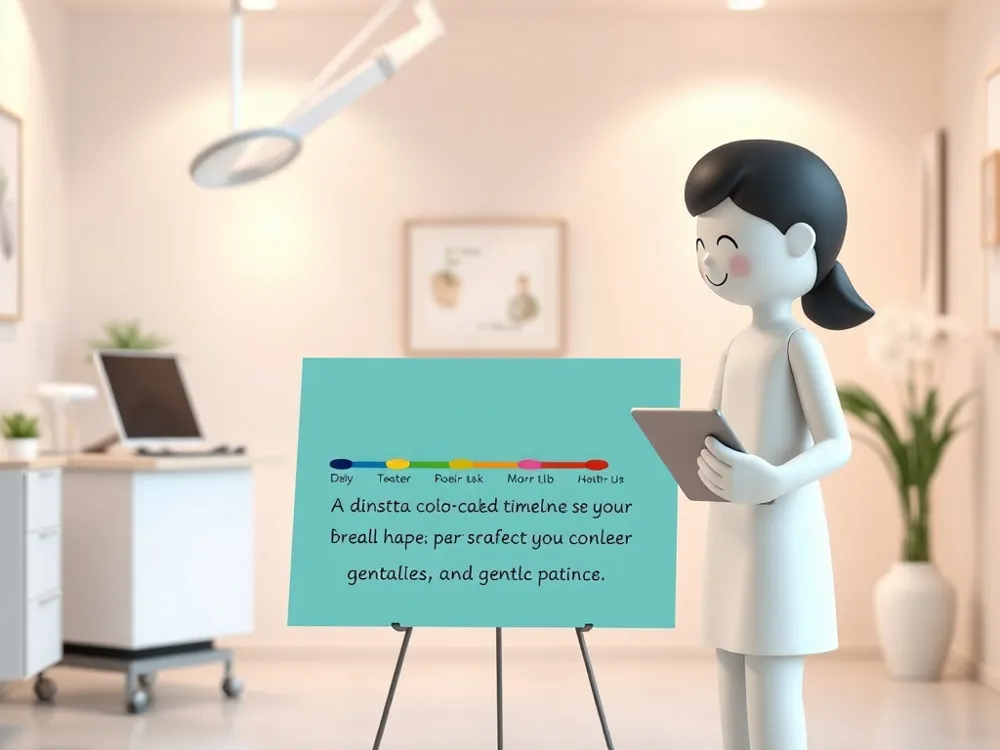
A well-structured dental treatment plan is broken into five clear phases, ensuring that immediate needs are addressed before moving toward long-term health. The first is the urgent phase, which focuses on relieving pain, controlling infection, or managing trauma. Next, the control phase works to eliminate active disease, such as gum infections and cavities, to stabilize the mouth. The re-evaluation phase allows the dentist to assess progress and adjust the plan as needed before moving forward. The definitive phase involves restorative or cosmetic procedures like crowns, bridges, or veneers. Finally, the maintenance phase ensures long-term oral health through regular check-ups and cleanings. This careful sequencing minimizes risks, addresses specific issues, and supports holistic, patient-centered care. Following these phases helps manage complex cases by prioritizing immediate needs before comprehensive restoration, ultimately leading to lasting, functional, and aesthetic results.
What Is the 2-Year Rule in Dentistry?
The 2-year rule is a maximum limit, not a recommended schedule for routine care. It suggests that you should not go longer than two years without a dental visit. However, most patients should see a dentist every six months, as oral health issues can develop silently. A small cavity can turn into a root canal within two years, and gum disease can progress to tooth loss. The rule may sometimes apply to low-risk patients with excellent oral health history, but only under professional guidance. Relying on the 2-year rule can lead to missed early detection of cavities, gum disease, and other problems, resulting in higher treatment costs and greater discomfort. For optimal long-term oral health, regular six-month check-ups and cleanings remain the best practice.
What Is the 50-40-30 Rule in Dentistry?
The 50-40-30 rule is a key guideline for smile aesthetics. When viewing the upper front teeth from the front, the two central incisors should occupy approximately 50% of the visible width. The lateral incisors next to them should occupy about 40%, and the canines should occupy about 30%. This proportional relationship helps dentists and orthodontists plan cosmetic treatments such as veneers, bonding, or orthodontics to achieve a natural, balanced appearance. Following this rule ensures the teeth are in harmonious proportion to each other and to the patient's face, creating a more attractive and symmetrical smile. It is a fundamental principle in smile design and personalized cosmetic planning.
What Is the 80/20 Rule in Dentistry?
The 80/20 rule, or Pareto principle, suggests that roughly 80% of a dental practice's revenue often comes from just 20% of its patients or services. This encourages practitioners to focus on high-value procedures like implants, cosmetic dentistry, or same-day crowns, which can drive disproportionate growth without simply increasing patient volume. Understanding patient lifetime value—rather than single-visit revenue—helps practices nurture relationships that yield consistent, predictable income. By optimizing chair time and prioritizing these key services, practices can boost profitability while maintaining strong patient retention and referrals. Ultimately, the rule promotes intentional growth strategies that maximize results from the most impactful treatments and patient relationships.
How Do These Phases and Rules Build Trust?
Adhering to these structured phases and rules helps manage complex cases and ensures personalized care that builds confidence and trust. When patients understand the logical progression from urgent care to long-term maintenance, they feel informed and involved in their treatment journey. The 2-year rule, while a maximum, reinforces the importance of regular care and prevents silent disease progression. The 50-40-30 rule demonstrates attention to aesthetic detail, showing patients that their smile's natural beauty matters. The 80/20 rule benefits patients indirectly, as practices that focus on high-value, effective treatments can invest in better technology and more personalized attention. Together, these guidelines create a framework for consistent, transparent, and patient-centered dentistry—the foundation of a trusting dentist-patient relationship. This structured approach enhances treatment success and ensures lasting, functional, and aesthetic results that patients can see and feel. By following these proven phases and rules, dentists demonstrate professionalism, reliability, and a commitment to individualized care that respects each patient's unique needs and goals.
Nutrition, Prevention, and Long-Term Oral Health

Which vitamins are essential for rebuilding teeth and gums?
A strong foundation for long-term oral health starts with the right nutrients. Vitamin C is essential for collagen production, keeping gums healthy and resilient. Vitamin D helps the body absorb calcium, which maintains jawbone density. Vitamin A supports saliva production, which naturally protects teeth from decay, while vitamin K directs calcium to bones and teeth for maximum strength. B vitamins improve circulation and help repair oral tissues, and minerals like calcium and phosphorus are crucial for rebuilding and strengthening tooth enamel. Integrating these nutrients into your diet creates a powerful internal support system for your smile.
How does a personalized treatment plan include nutrition and prevention?
A personalized treatment plan goes beyond fillings and cleanings. It begins with a thorough assessment of your lifestyle, medical history, and dietary habits. This understanding allows the dental team to provide tailored nutritional advice, such as recommending foods rich in the vitamins and minerals that support strong gums and enamel. For example, preventive strategies might focus on reducing sugar intake to lower decay risk, or increasing consumption of crunchy vegetables that naturally clean teeth. By addressing root causes, a customized plan uses nutrition as a tool to prevent future issues and support the whole person—not just their teeth.
Can personalized preventive care save costs and reduce emergencies?
Yes, a personalized approach often saves money over time. For patients at a high risk of cavities, more frequent fluoride treatments and specialized home care products might be recommended. This proactive, targeted prevention is far less expensive than treating advanced decay or handling dental emergencies. According to the CDC, patients who receive consistent preventive care experience significantly lower rates of tooth loss and require fewer major interventions. By identifying risk factors early, a customized plan helps you avoid costly procedures while preserving your natural teeth for life.
How do regular, risk-based assessments build long-term trust?
Trust grows when you feel understood and cared for as an individual. A personalized treatment plan uses regular assessments to track how lifestyle factors—like smoking, diet, and stress—affect your oral health. This risk-based approach allows the dentist to adjust your care over time, from recommending more frequent check-ups to offering tailored home-care advice. When patients see that their dental team is focused on their long-term well-being rather than quick fixes, it creates a foundation of trust. As research shows, patients who feel their dentist prioritizes their best interest are far more likely to follow treatment plans and maintain consistent visits.
How does whole-person care foster loyalty and positive referrals?
When a dental practice cares for the whole person, patients notice. Positive testimonials often highlight how a personalized, compassionate approach makes all the difference. As one patient shared, “Dr. Loud and their staff truly care about their patient; he knows exactly what you need and he will give you the best treatment.” Such experiences inspire loyalty and encourage patients to refer their families and friends. By focusing on comfort, clear communication, and individualized care, practices build a reputation for trust that leads to lasting relationships and a thriving practice built on word-of-mouth recommendations.
| Nutrient | Primary Role in Oral Health | Food Sources |
|---|---|---|
| Vitamin C | Collagen production, gum health | Citrus fruits, peppers, strawberries |
| Vitamin D | Calcium absorption, bone density | Fatty fish, fortified dairy, sunlight |
| Vitamin A | Saliva production, tissue protection | Carrots, sweet potatoes, leafy greens |
| Vitamin K | Calcium direction to bones/teeth | Kale, spinach, broccoli |
| B Vitamins | Circulation, tissue repair | Whole grains, meat, legumes |
| Calcium | Enamel strength, jawbone health | Dairy, almonds, fortified plant milks |
| Phosphorus | Rebuilding enamel, tooth structure | Meat, fish, eggs, nuts |
Transparency, Communication, and Long-Term Trust

Why Financial Transparency Builds Patient Trust
One of the most direct ways a personalized treatment plan builds trust is through financial transparency. Patients often fear unexpected costs, and surprise bills can erode confidence instantly. Modern dental practices address this by providing clear, detailed cost estimates upfront. This includes a full breakdown of procedure costs, what insurance is expected to cover, and an honest estimate of out-of-pocket expenses.
When patients fully understand the financial commitment before any work begins, they can make informed decisions without anxiety. This openness demonstrates respect for the patient’s budget and peace of mind, transforming a potential source of stress into a foundation of trust. Discussing all available options, from premium treatments to more affordable alternatives, further proves the practice’s commitment to the patient’s best interest.
How Consistent Communication Minimizes Anxiety and No-Shows
Trust does not end when the patient leaves the appointment. Consistent, thoughtful communication is vital. Automated appointment reminders via text or email reduce missed appointments and show the practice values the patient’s time. Follow-up calls after major treatments demonstrate genuine care beyond the procedure, checking on recovery and answering any lingering questions.
This communication loop directly reduces patient anxiety. When patients know they can expect clear updates about what to expect during procedures, how long treatments will take, and what the recovery process involves, they feel safer and more in control. This proactive approach to patient education and reassurance builds a reliable, supportive relationship that encourages patients to stick with their treatment plans.
Why Digital Treatment Plan Options Empower Patients and Deepen Trust
Modern dental software has revolutionized how treatment plans are presented, empowering patients like never before. Instead of a single recommendation, practices can now offer multiple treatment plan options. Patients can compare different approaches side-by-side, seeing the costs, timelines, and expected outcomes for each.
This ability to choose removes the feeling of being told what to do. Patients become active participants in their care, making a shared, informed choice. This empowerment is a powerful trust-builder. When patients feel they have control over their health decisions, commitment and satisfaction increase, leading to fewer cancellations and a stronger, more collaborative dentist-patient relationship.
How Personalized Attention Strengthens Patient Relationships
While technology is a powerful tool, the human touch remains irreplaceable. Practices like Loud Family Dental demonstrate that personalized attention is the core of a trusting relationship. This means remembering patient names, their specific concerns, and their past experiences. Simple acts like offering a warm greeting, speaking Spanish to accommodate diverse community needs, or providing same-day appointments for an urgent issue show the patient they are valued as an individual.
This personalized approach is often reflected in patient reviews. Positive feedback frequently highlights when a dentist is “very informative and patient” or when “the care I received was exceptional and everyone was so nice.” These comments are not just compliments; they are evidence of a practice culture focused on listening, empathy, and tailoring every interaction to the person in the chair, creating a loyal patient base.
The Lasting Impact of Personalized, Transparent, and Communicative Care
The cumulative effect of these elements—financial honesty, consistent communication, digital empowerment, and genuine personalization—is profound. It transforms a clinical visit into a trusted partnership. This trust directly leads to higher case acceptance, as patients are more likely to proceed with recommended care when they feel informed and respected.
Furthermore, this approach builds long-term loyalty. Patients who trust their dentist return for regular check-ups, refer friends and family, and leave positive online reviews. The rapid, word-of-mouth adoption of technologies like Trust AI, which empowers personalized treatment planning, further proves that the dental industry itself is recognizing this shift. Patients are drawn to practices that operate with transparency and advanced capability, reinforcing that trust is the most valuable currency in modern dentistry. | Aspect of Trust | How It Builds Patient Confidence | Evidence of Impact | |---------------------|---------------------------------------|------------------------| | Financial Transparency | Eliminates surprise bills; enables informed decisions through clear cost estimates. | Higher case acceptance; reduced patient financial anxiety. | | Consistent Communication | Reduces anxiety via automated reminders and follow-up calls; shows ongoing care. | Lower no-show rates; increased treatment compliance. | | Digital Plan Options | Empowers patients to compare and choose, fostering shared decision-making. | Greater patient satisfaction; stronger commitment to plans. | | Personalized Attention | Demonstrates value for individual needs through tailored interactions. | Loyal patient base; positive online reviews and referrals. |
Conclusion: The Trust Dividend of Personalized Care
A personalized treatment plan is more than a roadmap for a healthy smile; it is the foundation of a trusting, long-lasting relationship between a patient and their dentist. By weaving together a patient's unique history, lifestyle, preferences, and goals, these customized plans move past generic, one-size-fits-all solutions. This comprehensive approach—backed by modern technology, clear phases, and transparent communication—transforms a routine dental visit into a partnership built on understanding and mutual respect.
The Pillars of Trust
The journey to trust begins with a thorough assessment. A dentist takes the time to review medical history, understand lifestyle habits, and address specific concerns. This information forms the basis of a risk-based plan that prioritizes prevention and long-term health, not just immediate fixes. For instance, a plan for a patient at high risk for decay will include more frequent fluoride treatments and nutritional counseling, while a low-risk patient may require less intensive intervention, saving time and money.
Trust is further cemented when dentists use advanced technology to involve patients in their own care. High-tech tools like digital scanners and 3D imaging create precise, comfortable impressions for crowns and aligners. AI-powered analysis can spot tiny cavities or early gum disease invisible to the naked eye, enabling proactive, less invasive treatment. When patients can see a vivid, color-coded overlay of their X-rays showing areas of decay, they feel informed and empowered. This transparency turns complex diagnoses into a clear, shared understanding.
Modern dental software streamlines the entire treatment process, reinforcing reliability. Clear, upfront cost estimates eliminate financial surprises, and integrated payment options make care accessible. Practices can offer multiple treatment options for patients to compare, ensuring they make informed decisions. Automated reminders and digital consent forms keep everything organized, while real-time status tracking ensures no steps are missed. This consistent, reliable system shows patients that their time and well-being are valued.
Effective communication is the voice of personalized care. A dentist who avoids jargon, speaks plainly, and listens actively builds immediate trust. By allowing patients to ask questions and express concerns, the practitioner acknowledges their autonomy and reduces anxiety. Remembering a patient's preferred appointment time or a past fear shows genuine care, making the patient feel seen and understood.
A Community of Trust: The Loud Family Dental Difference
For a community-oriented practice like Loud Family Dental in Shreveport, this personalized philosophy is the heart of its mission. The focus is not just on treating teeth, but on caring for the whole person, creating an environment where patients feel like family. Positive testimonials from patients reflect this success, with one noting that "Dr. Loud is very informative and patient," and another emphasizing that the staff "truly cares about their patient, he knows exactly what you need." This commitment to gentle, informative care builds the deep loyalty that turns first-time visitors into lifelong patients.
The Value of Investing in Trust
The benefits of this approach are a clear win-win. For patients, it means fewer emergency visits, better long-term retention of natural teeth, reduced costs, and a confident smile. They can enjoy their favorite foods without discomfort and avoid the stress of unexpected dental problems. For the practice, it results in higher patient lifetime value, more frequent referrals, and strong practice growth. Satisfied patients become advocates, spreading the word about a dental home where they feel safe and respected.
An Inspiring Call to Action
As you prioritize your health, remember the profound difference a personalized treatment plan can make. Seek a dentist who listens, explains, and tailors care to your unique needs—a partner who invests in your overall well-being. Schedule regular check-ups with us at Loud Family Dental, where every smile is treated with the respect and attention it deserves. Together, we can build a foundation of trust that supports a healthy, radiant smile for years to come. Your journey to a more trusting and personalized dental experience starts today.