
Prioritizing Oral Health Through Preventive Care
Effective oral health requires a partnership between your daily routines and community-focused professional care. At Loud Family Dentistry, we believe that true wellness stems from personalized attention, moving beyond common myths to address your specific needs. While brushing and flossing are necessary, professional cleanings are essential to remove hardened tartar that household habits cannot reach What Happens During a Dental Cleaning?.
Prioritizing consistent checkups serves as a cornerstone of your long-term health. Because plaque and bacteria can accumulate in hidden areas, routine scaling and polishing are vital for preventing issues like gum disease before they escalate. Instead of waiting for discomfort, regular visits ensure that potential problems are identified early through a thorough oral examination.
At Loud Family Dentistry, we focus on patient comfort to ensure that every experience strengthens your confidence. Whether you are maintaining a healthy smile or working to manage existing concerns, professional intervention helps mitigate systemic health risks. Choosing a preventive approach is not just about cleanliness; it is a smart, manageable investment in your overall well-being.
Are Professional Dental Cleanings Actually Necessary
 Maintaining a healthy smile requires more than just your daily routine at home. While brushing and flossing are essential for controlling plaque, these habits cannot reach every corner of the mouth or remove everything that accumulates over time. Professional dental cleanings represent a critical component of preventive care, serving as a necessary partner to your home efforts.
The primary challenge with home care is the development of tartar, or calculus. This hardened substance forms when plaque remains on tooth surfaces and mineralizes, often within 24 to 48 hours. Once tartar has hardened, it bonds tightly to the enamel and cannot be removed by standard brushing. Dentists and hygienists use specialized instruments, including ultrasonic scalers, to manually or mechanically detach these deposits safely without damaging your teeth.
At Loud Family Dental, we prioritize comfortable, preventive interventions that help you avoid long-term complications. If left untreated, tartar buildup encourages the growth of bacteria that cause gingivitis and periodontitis. These inflammatory conditions can lead to deep gum pockets, bone loss, and ultimately, tooth loss. By scheduling regular cleanings, you allow our team to clear away these harmful deposits and assess your oral health trends in real time.
Unlike some regional providers who rely on standard, rushed scaling, Loud Family Dental focuses on personalized assessments during every cleaning session. This proactive approach helps you sidestep the need for more complex, costly restorative procedures later on. If you experience dental anxiety, please let us know so we can discuss how our team ensures a calm, efficient, and thorough cleaning experience.
The Daily Routine for Long Term Dental Success
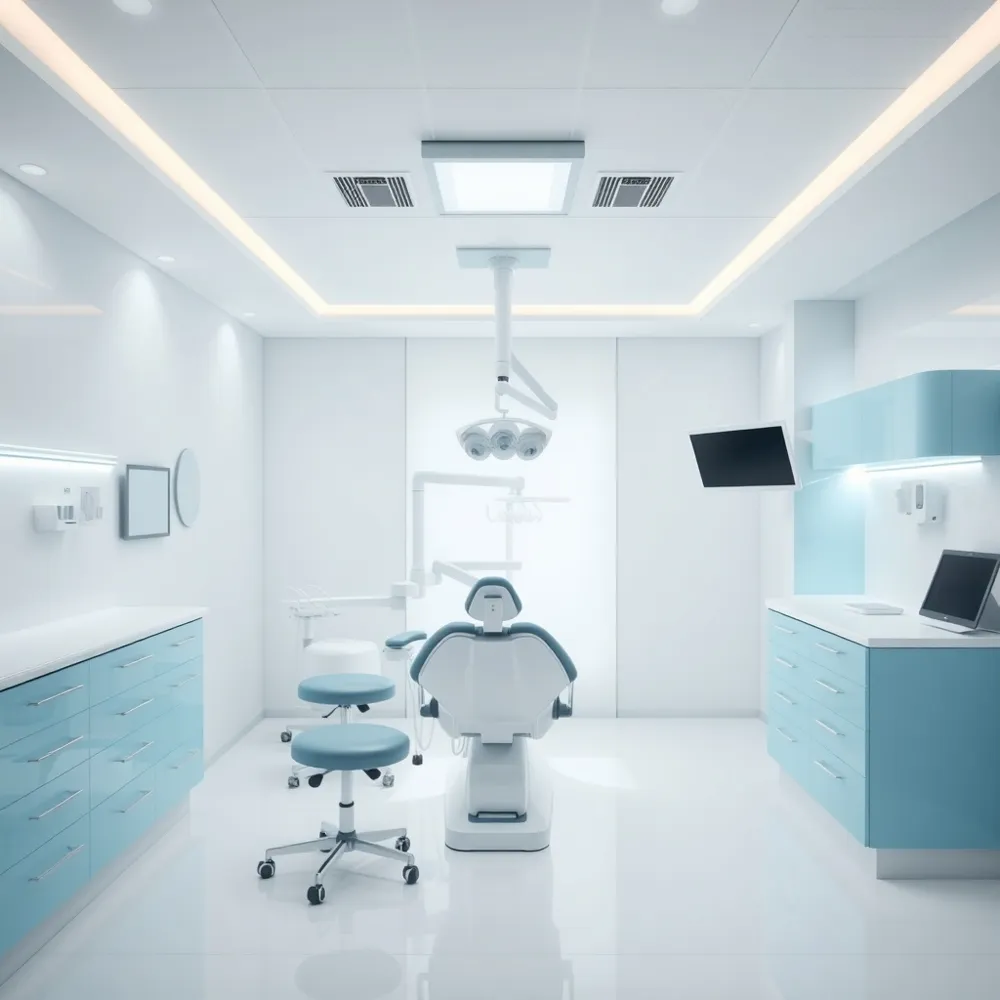 Consistency serves as the foundation for lasting oral health. Most dental professionals recommend a simple framework known as the 2-2-2 rule: brush your teeth two times each day, for two minutes per session, and visit your dentist two times every year. At Loud Family Dentistry, we emphasize this rhythm to help patients shift from reactive care to a proactive, preventive lifestyle.
What is the 2-2-2 rule in dental care?
The 2-2-2 rule provides a straightforward roadmap for hygiene success. Brushing twice daily, particularly before bed, clears away the day's debris and allows fluoride toothpaste enough contact time to strengthen your enamel against acid-driven decay. Dedicating two full minutes to your brushing ensures you cover all surfaces, including the gumline where persistent bacteria often hide.
The final component of this approach involves bi-annual clinical visits. While home care is vital, even the most diligent routines miss hidden areas in the mouth. A dental check-up allows our team to perform professional scaling to dislodge hardened tartar that brushing cannot remove. Unlike general practice offices that may treat these visits as standard administrative tasks, our team at Loud Family Dentistry uses these appointments to track your specific oral health progress, identifying early signs of inflammation before they require complex intervention.
Adhering to this routine is more than a chore. It is an investment in your systemic health, as neglected gingivitis or periodontitis can lead to inflammation that affects your entire body. By visiting us twice a year, you ensure that your oral health remains a strength rather than a source of future worry.
Challenging Myths About Oral Health and Care
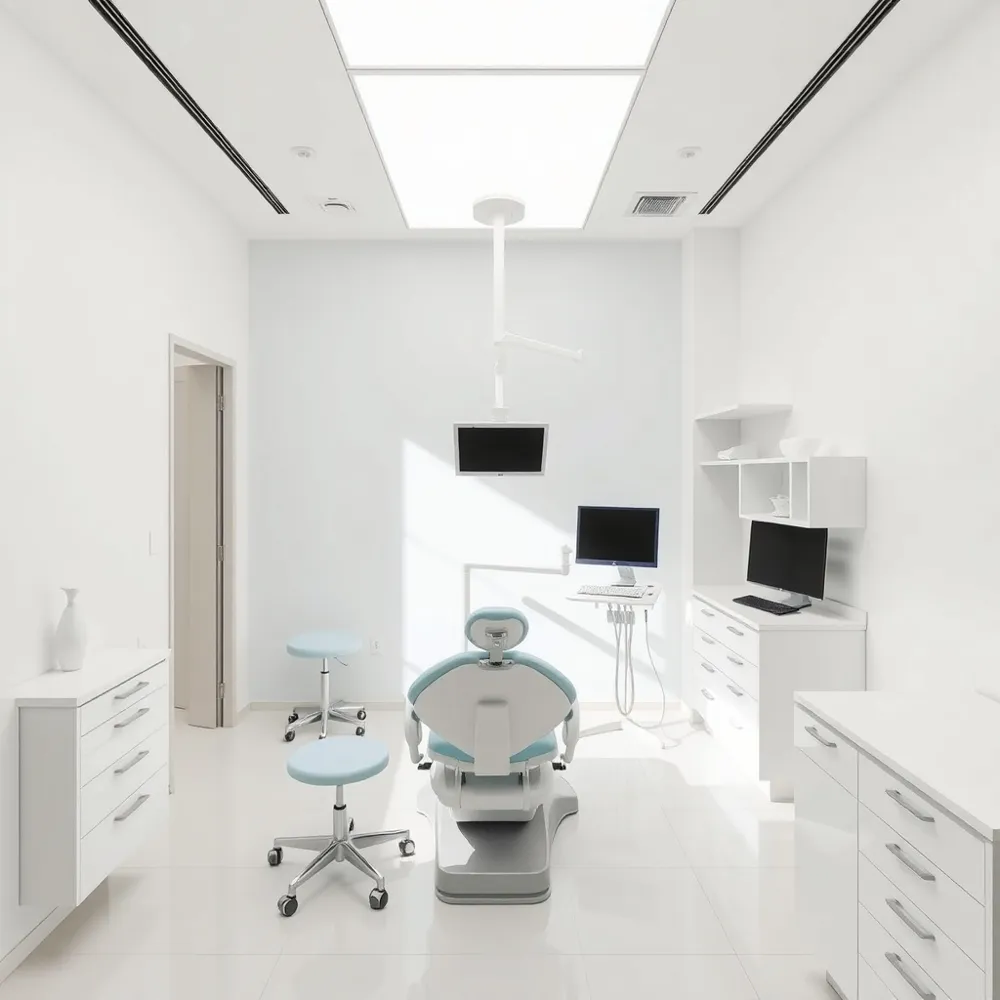 Many dental myths can lead to misconceptions about your oral health, such as the false belief that aggressive brushing results in cleaner teeth. This habit actually damages protective enamel and leads to gum recession, as noted by researchers on Gingivitis and periodontitis. For patients at Loud Family Dental, we demonstrate the proper 45-degree angle technique to ensure effective cleaning without causing wear to fragile gum tissue.
Another common misunderstanding is the idea that tooth loss is primarily a genetic outcome. While genetics play a role, oral health is largely within your control through consistent hygiene and habits. It is also a mistake to assume that dental restorations, such as crowns or fillings, make a tooth immune to future decay. These areas still require dedicated attention and monitoring. At Loud Family Dental, every routine exam includes a proactive check of existing restorations, ensuring these structures remain sound and free from hidden decay.
Some patients also believe that chewing gum serves as a substitute for brushing or that the absence of pain signals a healthy mouth. In reality, mechanical cleaning methods like flossing and brushing are essential for removing debris that gums cannot address alone. Furthermore, your oral health is inextricably linked to your overall systemic well-being. Inflammation occurring in the mouth can relate to conditions such as heart disease and diabetes, making professional check-ups a vital diagnostic tool during your dental cleaning to catch systemic indicators early.
- Avoid scrubbing side-to-side; use soft bristles to prevent enamel wear.
- Recognize that bleeding gums are often a sign of inflammation, not a reason to avoid flossing.
- Consider professional cleanings a preventive health investment rather than a merely cosmetic one.
- Understand that early symptoms of cavities or gum disease are frequently painless, making regular visits important.
Understanding Comfort and Managing Dental Anxiety
For many, the idea of a dental check-up feels more daunting than necessary. Concerns about discomfort often stem from misconceptions about what happens during a standard visit. At Loud Family Dental, our team prioritizes your peace of mind by creating a supportive environment where your comfort is as important as the clinical outcome.
Why do some patients perceive dental cleanings as painful, and how does this compare to other procedures?
Sensitivity during a cleaning is common for individuals with gum recession, enamel erosion, or exposed dentin. When hardened tartar is removed, areas previously insulated by plaque may become temporarily reactive to the scaling tools used to maintain your oral hygiene. It is important to distinguish this routine preventive care from restorative treatments. Procedures like fillings or root canals are designed to address active structural damage or decay, whereas a standard cleaning simply clears away buildup that home care cannot reach.
While other dental practices might rely on one-size-fits-all tools, we tailor our approach to your comfort needs. We utilize advanced, gentle equipment designed to minimize vibration and sensitivity. If you experience anxiety, our team discusses all available options to ensure you feel at ease throughout your stay. By maintaining regular appointments, you become more familiar with our office and staff, which consistently proves to be one of the most effective ways to lower dental anxiety over time.
Deep Cleaning vs Standard Prophylaxis
Understanding the difference between routine care and therapeutic treatment is vital for maintaining your oral health. A standard dental hygiene appointment, often called prophylaxis, serves as a preventive measure designed for patients with healthy gums. During these visits, our team at Loud Family Dental removes plaque and tartar from above the gumline to keep your smile healthy and prevent future complications. These sessions typically last 45 to 60 minutes and are essential for maintaining your oral baseline per NIH guidance.
When clinical signs of gum disease appear, such as persistent bleeding, inflammation, or pocket depths greater than 3mm, a different approach is necessary. A deep cleaning, clinically known as scaling and root planing, acts as a therapeutic intervention rather than a routine service. This treatment addresses active periodontal disease by removing bacteria and hardened deposits from below the gumline. While standard cleanings maintain stability, scaling and root planing targets the infection to stop tissue and bone loss.
What should I know about deep cleanings compared to standard dental hygiene appointments?
People often wonder if these procedures differ beyond the clinical scope. At Loud Family Dental, we prioritize patient comfort regardless of the procedure required. While routine prophylaxis focuses on surface maintenance, scaling and root planing requires a more detailed technique to clean the root surfaces and allow gums to reattach properly. If we identify a need for therapeutic care, it is because we have noted specific markers indicating that your gums require help to reach a stable, healthy state. Unlike practices that might rush through diagnostics, we ensure you understand exactly why a specialized treatment plan is recommended for your unique oral health needs.
Post-Cleaning Care and Recovery
What should I expect immediately after a professional dental cleaning? It is normal to experience temporary tooth or gum sensitivity following your visit. Professional dental cleanings involve the removal of hardened deposits, which can leave your teeth and gums feeling somewhat tender as they adjust. If you notice persistent discomfort, communicate this history with your team at Loud Family Dental during future visits so we can adjust our tools or use cooling techniques to ensure your comfort.
To manage sensitivity, avoid extremely hot or cold foods for a few hours. Your enamel may feel slightly more porous than usual, making it a good idea to steer clear of staining substances like coffee, tea, or red wine for the first 24 to 48 hours. Using a toothpaste designed for sensitive teeth can provide added relief if your gums feel particularly reactive during your recovery.
Maintaining your oral hygiene routine is essential, even if your mouth feels sensitive. Continue brushing twice daily, though you might choose to use a soft-bristled toothbrush to provide a gentle, non-irritating touch to tender gum tissue. Flossing remains a critical step to prevent the rapid buildup of new debris. Drinking plenty of water also helps rinse your mouth, keeping your smile clean and supporting the healing of your gum tissue. These small steps ensure that the protective benefits of your visit last long after you leave the clinic.
Investing in Your Long-Term Oral Health
Regular professional cleanings serve as a vital investment in both your oral and total body wellness. By scheduling professional dental cleanings every six months, you do more than just maintain a bright smile. You actively remove hardened tartar and bacteria that daily habits simply cannot reach. This preventive approach helps safeguard your health by reducing the inflammation that contributes to severe systemic issues like heart disease and stroke.
At Loud Family Dental, we understand that consistency is the foundation of excellent oral health. Choosing to prioritize these check-ups is a smart financial decision, as it allows for the early detection and management of cavities or gum disease before they require more costly restorative procedures. Our community-focused clinical approach ensures that every patient in Shreveport receives individualized, comfortable care tailored to their specific needs.
- Preventive care saves you from future emergency interventions.
- Identifying early signs of decay keeps your natural teeth healthy for life.
- Healthy mouths are linked to reduced systemic risks, including diabetes and cardiovascular disease.
- Our team at Loud Family Dental is ready to support your long-term wellness through professional monitoring and guidance.