Your Diet's Hidden Impact on Tooth Enamel
Tooth erosion happens gradually, and many people don't notice the warning signs until the damage becomes visible or painful. By the time a dentist examines your teeth, the early stages may already be underway. Recognizing these signs at home gives you a head start, but a professional exam at Loud Family Dentistry can catch erosion in its earliest, most treatable phase.
Visible Clues You Might Be Missing
One of the first noticeable signs of erosion is tooth sensitivity toward hot, cold, or sweet foods and drinks. You might also see a slight yellowing of the teeth as the underlying dentin becomes more visible through thinned enamel. In more advanced cases, you may notice small dents, called cupping, on the chewing surfaces, or the edges of your front teeth may appear slightly translucent or rough.
During a checkup, your dentist can detect erosion that you wouldn't notice in the mirror. They look for changes in the gloss of your enamel, the shape of your teeth, and the way your bite comes together. Since erosion is progressive, regular professional cleanings give your dental team the chance to monitor any wear patterns and intervene before the damage requires restorative work.
What Erosion Looks Like in the Dental Chair
At a dental visit, the diagnosis goes beyond what's visible to the naked eye. Your dentist may use a probe to feel for roughness on the surfaces of your teeth, check for sensitivity in specific areas, and take X-rays to rule out decay that often coexists with erosion. They also ask about your eating and drinking habits, because the acidic drinks and snacks in your diet are among the most common causes.
Visual inspection. Checking for discoloration, translucency, cupping, and worn edges under a bright light.
Tactile probe. Gently running a dental instrument along enamel to feel for softened or thin areas.
X-rays. Revealing the thickness of enamel between teeth and detecting early-stage decay that accompanies erosion.
Habit review. Discussing diet and beverage intake to identify acid sources and find a prevention plan.
Once your dentist has a clear picture, the next step is building a plan. If the erosion is caught early, the focus is on remineralization and habit changes—such as reducing acidic foods, drinking more water, and waiting at least 30 minutes after eating before brushing. For more advanced cases, restorative dentistry may be recommended to rebuild the enamel and protect your teeth from further loss.
| Erosion Stage | Common Signs | Typical Action |
|---|---|---|
| Early | Slight sensitivity, faint yellowing | Remineralizing toothpaste, diet changes |
| Moderate | Cupping, rough edges, more sensitivity | Fluoride treatment, sealants, or bonding |
| Advanced | Pain, translucent edges, changes in bite | Crowns, inlays, or other restorative work |
Understanding Tooth Erosion and Its Causes
 Tooth erosion is the progressive loss of enamel, the hard outer layer that shields your teeth from damage. Unlike cavities, which start as decay caused by bacteria, erosion happens when acids wear the enamel away directly. This acid can come from two main sources: the foods and drinks you consume, and, less commonly, stomach acid reaching the mouth. When enamel thins, teeth become more sensitive and vulnerable to further damage, which is why understanding what causes erosion matters for protecting your smile.
How Acid Attacks Your Enamel
Every time you eat or drink something acidic, the acid temporarily softens your enamel. This process, called demineralization, strips essential minerals like calcium and phosphate from the tooth surface. Your saliva usually helps reverse this by remineralizing the enamel, but only if the acid attacks aren't too frequent. According to the World Health Organization, frequent consumption of sugary foods and drinks increases the risk of dental caries because the acids produced by bacteria in plaque attack the teeth for extended periods. Over time, if acid exposure outpaces your mouth's natural repair, enamel becomes permanently worn away.
The acid attack cycle repeats every time you consume fermentable carbohydrates, which include sugars and starches. These feed the bacteria in your mouth, which produce acid as a byproduct. For a deeper look at how this cycle works, our guide on how sugar triggers the acid attack cycle explains the steps in detail. The key takeaway is that the frequency of acid exposure matters more than the total amount of sugar you eat, so snacking throughout the day can be especially harmful.
Which Foods and Drinks Are the Worst Offenders
Certain items are more damaging to enamel than others, typically because they combine high acid content with a tendency to stick to teeth. The Academy of General Dentistry's MouthHealthy resource notes that acidic drinks like sodas, sports drinks, and citrus juices can erode enamel, especially when sipped slowly over a long period. Here are the main culprits to watch for:
- Sugary sodas and carbonated beverages: The carbonation adds acid, and the sugar feeds oral bacteria.
- Citrus fruits and juices: Lemons, oranges, and grapefruits are highly acidic and can soften enamel.
- Sticky candies and dried fruits: These cling to teeth, prolonging acid exposure.
- Starchy snacks like chips and crackers: These break down into sugars in the mouth and can get trapped between teeth.
The Rochester Medical Center's guide on best and worst foods for teeth adds that foods high in sugar and acid, such as sour candies and sugary drinks, pose a double threat. Additionally, the Oral Health Foundation's list of worst foods and drinks emphasizes that coffee, tea, and wine can also contribute to erosion, though they may be less damaging if consumed with meals and followed by water.
How Erosion Differs from Cavities
It's easy to confuse erosion with tooth decay, but they're distinct problems. Cavities result from bacterial acids that dissolve the tooth structure, creating holes. Erosion, on the other hand, is caused directly by dietary or stomach acids without bacterial involvement. This distinction matters because erosion can be widespread across all teeth, while cavities often target specific areas like the chewing surfaces and between teeth. The Better Health Victoria resource on dental erosion explains that early signs of erosion include tooth sensitivity and a slight transparency of the front teeth.
Protecting Your Enamel with Smart Choices
Reducing your risk of erosion doesn't require giving up all your favorite foods. Instead, focus on how you consume them. When you do have something acidic, drink water afterward to help neutralize the acid and stimulate saliva. Avoid brushing your teeth immediately after an acidic meal, as the softened enamel is more vulnerable to abrasion; wait at least 30 minutes. For more practical tips on daily habits that support your enamel, check out our article on daily practices that support your dentist's professional cleanings.
If you're concerned about erosion or notice increased tooth sensitivity, schedule an evaluation at Loud Family Dentistry. Our team can assess the condition of your enamel, recommend desensitizing treatments, and help you build a prevention plan tailored to your diet. We're here to help you keep your smile strong and healthy for life.
| Cause | Example | Effect on Enamel |
|---|---|---|
| Acidic drinks | Soda, citrus juice | Direct acid erosion over time |
| Sugary snacks | Candy, cookies | Feeds bacteria, increases acid |
| Sticky foods | Dried fruit, chips | Prolongs acid contact with teeth |
| Stomach acid | Acid reflux | Accelerates erosion on back teeth |
Spotting the Signs of Enamel Erosion
 Tooth erosion is the gradual loss of enamel, the hard outer layer that protects your teeth. Unlike cavities, which start as localized decay, erosion affects the entire tooth surface and occurs when acids wear the enamel away.
The Mouth Healthy resource from the American Dental Association notes that enamel erosion can be caused by dietary acids, acid reflux, dry mouth, and certain medications. When enamel thins, it exposes the underlying dentin, which is softer and yellower, leading to visible changes in tooth appearance.
Early Warning Signs
One of the first signs of erosion is sensitivity to hot, cold, or sweet foods. You might notice a sharp, sudden pain when sipping a warm drink or biting into ice cream. This happens because the protective enamel layer is thinning, allowing temperature and sugar to reach the nerve.
As enamel loss progresses, teeth may appear more yellow because the dentin beneath shows through. Cracks or rough edges along the chewing surfaces, as well as transparent or translucent tips on front teeth, are other common indicators. If you're experiencing these signs, early intervention is important to prevent further damage. Learn more about the visual and physical clues of tooth decay.
Common Causes
Dietary acids are the most frequent culprit. Acidic foods and drinks, such as citrus fruits, sodas, and even some health drinks, soften enamel. The Acid Erosion page explains that frequent exposure to these acids, especially when combined with poor oral hygiene, accelerates the wearing process.
Medical conditions like acid reflux or bulimia expose teeth to stomach acid, which is highly corrosive. Additionally, dry mouth reduces saliva's protective effect, as saliva helps neutralize acids and remineralize enamel.
Prevention and Management
The good news is that you can slow or even stop enamel erosion. Limiting acidic foods and drinks, using a soft-bristled toothbrush, and waiting at least 30 minutes after eating before brushing can help preserve enamel. The World Health Organization highlights that reducing sugar intake is critical for preventing both tooth decay and erosion.
You can also strengthen your enamel by incorporating foods rich in calcium and phosphate, as noted by URMC. Crunchy vegetables, dairy products, and nuts stimulate saliva production and help neutralize acids. Chewing sugar-free gum after meals is another effective way to boost saliva flow.
At Loud Family Dentistry, we offer comprehensive restorative dentistry to rebuild teeth damaged by erosion. Our team focuses on personalized care, helping you protect your smile with preventive guidance and tailored treatments. If you suspect enamel loss, a dental exam can identify the cause and recommend the best course of action.
Worst Offenders: Acidic Foods and Drinks
 Tooth enamel is the hardest substance in the human body, yet it has one significant weakness: acid. Every time you eat or drink something acidic, the enamel surface softens and loses minerals in a process called demineralization. Your saliva usually neutralizes this acid and helps redeposit minerals, but when acid attacks happen too frequently, the enamel begins to erode permanently.
The American Dental Association explains that this erosion is not caused by a single snack, but by the cumulative effect of many acidic exposures throughout the day. The World Health Organization notes that the frequency and amount of sugar and acid intake matter more than the total quantity consumed at once.
The Worst Offenders: Acidic Foods and Drinks
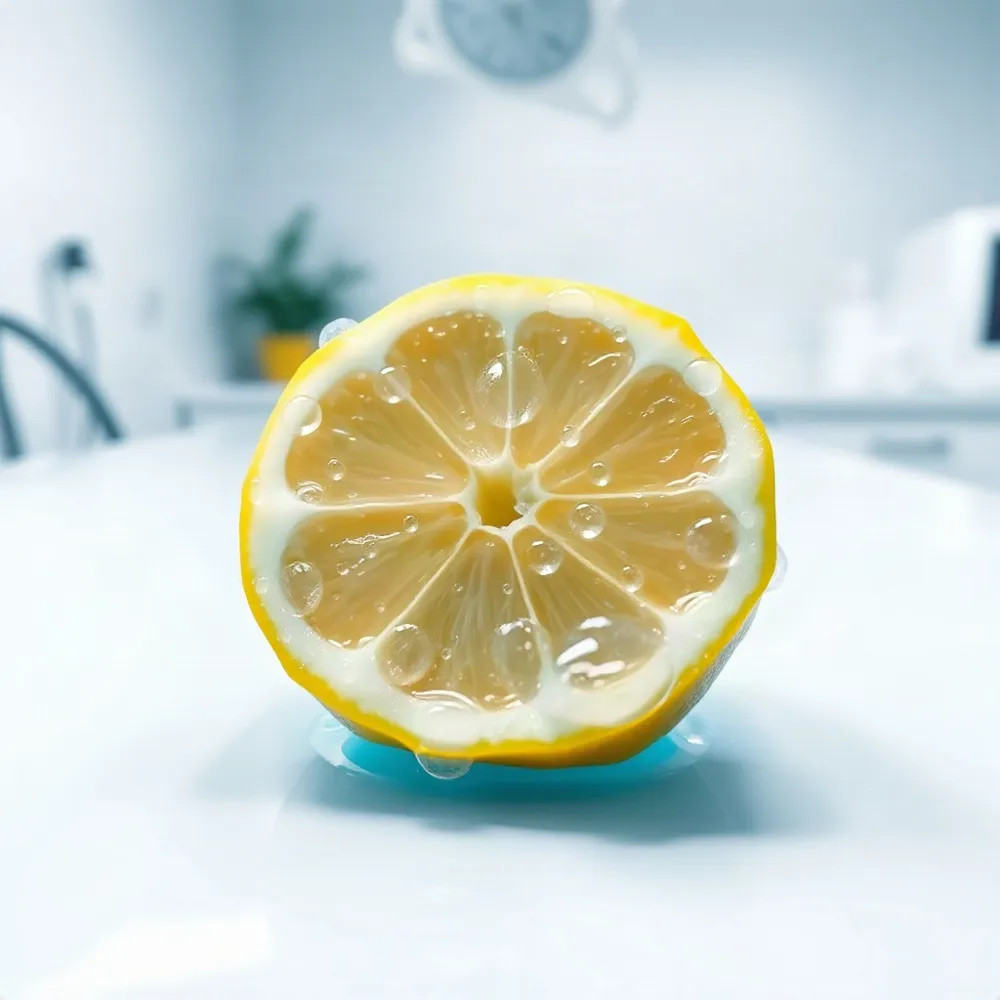
Certain foods and drinks are particularly hard on your enamel because they combine high acidity with other damaging properties. Citrus fruits like lemons, limes, and oranges top the list due to their citric acid content. Tomatoes and pickles are also highly acidic, as are fruit juices, which often contain both natural acids and added sugars that feed cavity-causing bacteria.
Sugary sodas and sports drinks are especially problematic because they deliver a double blow: the acid directly erodes enamel, while the sugar feeds bacteria that produce even more acid. A helpful resource from the University of Rochester Medical Center lists the best and worst foods for your teeth, noting that sticky, sugary candies and dried fruits are among the worst choices.
| Food/Drink | Main Problem | Better Alternative |
|---|---|---|
| Citrus fruits | Citric acid erodes enamel | Apples, pears, bananas |
| Tomatoes | High acidity promotes demineralization | Carrots, celery, cucumbers |
| Pickles | Acetic acid softens enamel | Olives, hummus, cheese |
| Fruit juices | Acid + sugar combine for repeated attacks | Water or milk |
It is not just obvious culprits like soda and candy that cause trouble. Even healthy foods like tomatoes, pickles, and certain fruits can be acidic enough to damage enamel, especially if consumed frequently throughout the day. The key is not to eliminate these foods entirely, but to be mindful of when and how you eat them.
How to Protect Your Enamel Without Giving Up Your Favorite Foods
Instead of swearing off acidic foods, you can minimize their damage with a few simple habits. Drink water after eating acidic foods to rinse away residual acid, and wait at least 30 minutes before brushing your teeth, because brushing immediately after an acid attack can wear away softened enamel.
Dairy products like cheese and milk are excellent neutralizers that also provide calcium to strengthen teeth. Crunchy vegetables like celery and carrots stimulate saliva production, which naturally washes away food particles and acid. These simple swaps can make a significant difference in preserving your enamel.
Regular professional cleanings at Loud Family Dentistry are essential because they remove plaque and tartar that brushing cannot reach, and they allow your dentist to detect early signs of erosion before they become serious. Understanding how your diet impacts your daily oral hygiene is the first step, and your dental team can offer personalized advice based on your specific eating habits.
Watch Out for Hidden Acid Sources
Many patients are surprised to learn that some of the most common "healthy" snacks are actually quite acidic. For example, a glass of orange juice can have a pH level below 3, which is highly erosive. Similarly, vinegar-based dressings and marinades may seem harmless, but they can quickly reduce the pH in your mouth to dangerous levels.
The Rochester Medical Center guide recommends rinsing your mouth with water after consuming these items and avoiding brushing for at least an hour. For more detailed lists of acidic foods and how they affect your teeth, the Better Health Channel provides a comprehensive overview of dental erosion and its causes.
If you suspect your enamel may already be showing signs of erosion, such as increased sensitivity, discoloration, or transparent edges on your teeth, it is wise to schedule a checkup. Early intervention can prevent further damage and save you from more extensive restorative treatments down the line. Your dentist can apply fluoride varnish to strengthen enamel and recommend specific products to re-mineralize your teeth.
| Food/Drink | Acidic Component | Typical pH Range | Impact on Enamel |
|---|---|---|---|
| Citrus fruits | Citric acid | 2.0 - 4.5 | Severe demineralization |
| Soda | Phosphoric & carbonic acid | 2.5 - 3.5 | High erosion risk |
| Tomatoes | Malic & citric acid | 4.0 - 4.6 | Moderate erosion |
| Pickles | Acetic acid | 3.2 - 3.7 | Moderate to high erosion |
Ultimately, you do not have to give up every acidic food to protect your teeth. By understanding which foods are the main offenders, timing your meals and snacks to reduce acid exposure, and pairing acidic foods with saliva-stimulating or neutralizing foods, you can enjoy a varied diet while preserving your smile. If you have questions about your specific risk factors, comprehensive advice on preventive dental care and daily habits is available to help you make informed choices.
Beyond Sugar: The Real Culprit Behind Decay
Tooth erosion is the progressive loss of enamel, the hard outer layer that protects your teeth. Unlike cavities, which start as small holes caused by bacteria, erosion wears down the entire surface of the tooth. This process happens when acids attack the enamel over time, softening and dissolving its mineral structure. Once enamel is gone, your body cannot regenerate it, making prevention the most important line of defense.
The main culprit behind erosion is acid, not sugar itself. While sugar feeds harmful bacteria in your mouth, those bacteria produce acid as a byproduct, which is what actually damages your teeth. According to the World Health Organization, the frequency and amount of sugar consumption directly influence the risk of tooth decay because each acid attack lasts about 20 minutes after you eat. This acid can come from many sources, including sugary snacks, acidic beverages, and even certain fruits.
To understand how erosion develops, think of your enamel as a mineral sponge. When acid contacts your teeth, it pulls out calcium and phosphate ions in a process called demineralization. Your saliva naturally neutralizes acid and helps remineralize areas by depositing minerals back. However, if acid attacks happen too often or for too long, your saliva cannot keep up, leading to irreversible enamel loss. Beyond Sugar: The Real Culprit Behind Decay explains this balance in detail.
How Acid Attacks Your Enamel
Every time you eat or drink something acidic, the pH level in your mouth drops below 5.5, which is the critical threshold where enamel starts to dissolve. The Mouth Healthy guide on dietary acids points out that frequent snacking or sipping prolongs these acid attacks, giving your teeth less time to recover. For example, sipping a sugary soda over an hour keeps your mouth in an acidic state the entire time, whereas finishing it quickly limits exposure.
Your saliva is your body's natural defense mechanism. It washes away food particles, neutralizes acids, and brings in minerals like calcium and phosphate to strengthen enamel. The URMC guide on best and worst foods for your teeth notes that chewing sugar-free gum after meals can stimulate saliva flow, helping to counteract acid. However, if you have a dry mouth due to medication or health conditions, your erosion risk rises significantly.
Common Causes of Erosion
Tooth erosion develops from a combination of dietary and lifestyle habits. Acidic foods and drinks are the primary offenders, but other factors like acid reflux, teeth grinding, and even aggressive brushing can accelerate the process. The Colgate article on acidic fruits and teeth highlights how citrus fruits, tomatoes, and pickles can soften enamel if consumed excessively.
Dietary. Citrus fruits, soda, sports drinks, and fruit juices are highly acidic. Consuming them in large amounts or over long periods raises your erosion risk. The Rochester guide recommends limiting these and rinsing with water after consumption.
Medical. Acid reflux or GERD brings stomach acid into the mouth, directly eroding enamel. Similarly, frequent vomiting from bulimia or pregnancy-related nausea exposes teeth to harmful acid. These conditions require dental and medical management to protect your smile.
Behavioral. Brushing too hard or too soon after eating can grind acid into the softened enamel, accelerating loss. Chewing on ice, grinding your teeth, or using your teeth as tools also cause mechanical wear over time. The Better Health guide on dental erosion stresses using a soft-bristled brush and waiting 30 minutes after meals.
Why Early Detection Matters
The early stage of erosion often goes unnoticed because it causes no pain. Symptoms like tooth sensitivity to hot, cold, or sweet foods, as well as discoloration or a rounded appearance of the chewing surfaces, may appear only after significant damage. The Mouth Healthy guide recommends regular dental checkups where your dentist can spot early signs of erosion and provide preventive treatments like fluoride varnish.
At Loud Family Dentistry, we see many patients who don't realize their eating habits are harming their enamel until a cleaning reveals weakened areas. Our team offers personalized advice on how to adjust your diet and daily care routine to protect your teeth. If you're concerned about erosion, we're here to help you build a prevention plan. Here's a quick overview of what to watch for:
| Stage | What You Notice | What's Happening |
|---|---|---|
| Early | Mild sensitivity, slight roughness | Enamel softening, mineral loss |
| Moderate | Discoloration, rounded edges | Thinning enamel, dentin exposure |
| Advanced | Visible dents, severe pain | Enamel loss, possible decay or infection |
The earlier you address erosion, the more likely you can reverse early damage with remineralization and avoid complex treatments. For more on how acid causes decay, visit our article on daily practices that support your dentist's professional cleanings.
Protecting and Treating Eroded Enamel
Tooth erosion is the gradual wearing away of your enamel, the hard outer layer that protects your teeth. Unlike cavities, which form through bacterial acid production, erosion stems from direct acid attacks on your teeth. The Mouth Healthy guide on dietary acids explains that this process is permanent, as enamel does not regenerate. Recognizing the causes and warning signs early helps you take action before damage becomes significant.
What Causes Tooth Erosion?
The main culprits are acidic foods and beverages. According to the World Health Organization on sugars and dental caries, frequent consumption of sugary and acidic items increases acid exposure, accelerating enamel loss. Soda, sports drinks, citrus fruits, and even some healthy options like tomato sauce can be problematic. Additionally, behavioral factors such as aggressive brushing, teeth grinding, and acid reflux contribute to erosion.
Acidic Intake. Frequent exposure to acidic drinks and foods softens and wears away enamel. Examples include soda, fruit juices, pickles, and wine. The Colgate overview of acidic fruits' effects notes that even 'healthier' acidic options can harm teeth over time.
Behavioral Factors. Brushing too hard, using a hard-bristled brush, or grinding teeth can physically abrade enamel. Combined with acid exposure, these habits accelerate erosion.
Medical Conditions. Acid reflux, bulimia, and dry mouth reduce saliva's protective effect, increasing erosion risk. The Rochester page on the best and worst foods emphasizes that saliva neutralizes acids; without it, teeth are more vulnerable.
Erosion often goes unnoticed until it's advanced. Early signs include tooth sensitivity, especially to hot, cold, or sweet stimuli, and a slight yellowing as dentin shows through thinning enamel. As it progresses, you might notice rounded teeth edges, small dents (cupping) on the chewing surfaces, or a glassy, translucent appearance. The Better Health Victoria page on dental erosion notes that pain or discomfort while eating is a common indicator.
How Erosion Affects Your Smile
Beyond sensitivity, erosion can lead to more serious problems. As enamel thins, teeth become more susceptible to cavities and may require restorative dentistry to rebuild the bite and protect remaining tooth structure. In advanced cases, tooth structure is lost, potentially affecting your bite and chewing efficiency. Early intervention can prevent the need for extensive treatment later.
| Cause | Example | Impact on Enamel |
|---|---|---|
| Acidic drinks | Soda, citrus juice | Direct chemical erosion |
| Sugary foods | Candy, pastries | Feeds bacteria, produces acids |
| Acid reflux | Chronic heartburn | Stomach acid wears enamel |
| Brushing habits | Hard-bristle brush | Abrasive mechanical wear |
If you suspect erosion, a preventive care visit can help. Loud Family Dentistry in Shreveport offers comprehensive exams to assess enamel health and provide personalized advice. Catching erosion early means simpler, less invasive solutions.
A Lifelong Smile Starts With Smart Choices
Tooth erosion often creeps up quietly, and the early warning signs are easy to brush off as normal sensitivity. One of the first red flags is a sharp, fleeting twinge when you sip something hot, cold, or sweet. This happens because the protective enamel layer has thinned, exposing the softer dentin underneath. Over time, you might also notice a subtle yellowing or dullness in your teeth, as dentin naturally has a yellowish tint that shows through when enamel wears away.
Other signs include teeth that look translucent, especially along the edges, and a glassy or shiny appearance that feels smooth rather than matte. Small dents, chips, or grooves can also develop on the chewing surfaces. The American Dental Association explains that erosion is a progressive loss of tooth enamel caused by acid attack, and if you catch it early, you can often prevent further damage by adjusting your diet and habits. On the other hand, ignoring these signs can lead to pain, increased sensitivity, and a higher risk of cavities and decay.
If you notice any of these symptoms, it's worth booking a checkup. A dentist can assess the severity of enamel wear and recommend protective measures, such as fluoride treatments or prescription-strength toothpaste. At Loud Family Dentistry, we focus on catching erosion in its earliest stages, so you can avoid more complex and costly procedures down the road. Regular exams allow us to monitor your enamel and intervene before the problem worsens.