The Critical Role of Daily Oral Hygiene
Importance of Oral Hygiene in Daily Life
Maintaining daily oral hygiene is essential for a healthy smile and overall dental health. Brushing at least twice a day with fluoride toothpaste and a soft-bristled toothbrush helps remove plaque and harmful bacteria from tooth surfaces. Flossing once daily reaches areas that a toothbrush can’t, preventing cavities and gum disease. Additionally, brushing the tongue and using an antibacterial mouthwash can reduce bacteria and freshen breath.
Impact of Oral Health on Overall Well-Being
Oral health deeply influences general wellness. Poor oral hygiene can lead to painful issues such as bleeding gums, tooth decay, bad breath, and infections. Beyond the mouth, it contributes to more serious conditions like cardiovascular diseases, stroke, and respiratory infections. Preventive care and good daily habits reduce these risks and decrease the need for extensive dental treatments over time.
Connection Between Oral and Systemic Health
The mouth serves as a window to the rest of the body. Oral infections can spread, impacting organs and overall health. For example, gum disease has been linked to diabetes complications and pregnancy problems. Maintaining good oral hygiene practices along with regular dental visits supports not just teeth and gums but enhances systemic health, reinforcing the importance of daily care and prevention for lifelong wellness.
Step-by-Step Guide to an Effective Oral Hygiene Routine
What is the correct order for an oral hygiene routine?
The correct sequence starts with Brushing teeth twice a day using a soft-bristled toothbrush and using fluoride toothpaste. Spend about two minutes ensuring all tooth surfaces and the tongue are cleaned gently but thoroughly. Next, Flossing once daily plays a crucial role by reaching between teeth and beneath the gum line where the toothbrush can’t reach. Use approximately 18 inches of floss, wrapping it into a 'C' shape around each tooth and moving it gently up and down.
After flossing, rinsing with an alcohol-free antibacterial mouthwash helps decrease harmful bacteria and freshen your breath. Chewing sugar-free gum containing xylitol after meals can stimulate saliva, neutralize acids, and provide additional protection. Finally, maintaining Routine dental exams every six months is essential to receive professional cleanings and catch any early signs of dental issues.
What is the recommended oral hygiene routine order that includes oil pulling?
If you choose to include oil pulling as a complementary practice, begin your morning oral care with this natural method. Swish about one tablespoon of coconut oil in your mouth on an empty stomach for 15 to 20 minutes to help reduce bacteria and promote oral health.
After oil pulling, rinse your mouth thoroughly, then proceed with brushing your teeth using fluoride toothpaste benefits, which removes residual plaque and strengthens enamel. Follow brushing with Proper flossing technique to clean interdental spaces effectively. Using a mouthwash afterward is optional, as oil pulling itself has antimicrobial properties. Remember, oil pulling complements but does not replace oral hygiene best practices.
Regular dental visits remain vital regardless of additional practices like oil pulling, ensuring early detection and professional maintenance for sustained oral health.
Strengthening and Protecting Your Teeth: Enamel Care & Prevention
Nature of tooth enamel and its limits
Tooth enamel is the hardest substance in the human body, primarily made up of about 90% mineral. Despite its strength, enamel cannot naturally regenerate once it is lost. This irreversible characteristic means that preserving enamel is essential for maintaining tooth health.
How enamel can be strengthened naturally
While enamel cannot be restored in the way living tissues can, it can undergo a natural strengthening process called remineralization. Remineralization helps repair early enamel wear by redepositing essential minerals like calcium and phosphate back onto the enamel surface.
Role of fluoride and remineralization
Fluoride plays a pivotal role in enhancing the remineralization process. Using fluoride toothpaste twice daily encourages minerals to reintegrate into the enamel, making the teeth more resistant to decay and erosion. Additionally, fluoride treatments administered during dental visits further protect enamel strength.
Diet and habits to protect enamel
Limiting the intake of sugary and acidic foods and drinks is vital. Acidic substances soften enamel and can accelerate its erosion. Drinking plenty of water supports saliva production, which naturally helps buffer acids and wash away food particles. Chewing sugar-free gum also stimulates saliva flow, further aiding enamel protection.
Preventive strategies to avoid enamel loss
Maintaining good oral hygiene by brushing gently with a soft-bristled toothbrush reduces enamel wear. Avoiding habits like using teeth as tools or frequent consumption of acidic beverages protects enamel integrity. Regular dental checkups allow early detection of enamel erosion and timely intervention to prevent further damage.
| Topic | Key Points | Recommended Actions |
|---|---|---|
| Enamel Nature | Hardest body substance, non-regenerative | Preserve enamel through care (oral hygiene best practices) |
| Natural Strengthening | Remineralization with calcium & phosphate | Use fluoride toothpaste, chew sugar-free gum (oral hygiene best practices |
| Fluoride Role | Enhances mineral reintegration and decay resistance | Brush twice daily with fluoride toothpaste, professional treatments (fluoride toothpaste benefits) |
| Diet & Habits | Avoid acidic, sugary foods; hydrate well | Limit soda/acidic drinks, drink water, avoid tobacco (oral hygiene best practices |
| Preventive Strategies | Gentle brushing, avoid enamel damage, regular dental exams | Use soft-bristled brushes, schedule dental visits (routine dental check-ups) |
Key Preventive Dental Services and Community Care
What preventive dental services are commonly offered?
At Loud Family Dentistry, preventive care is a top priority. Routine dental examinations and professional cleanings are the foundation of our services, performed typically twice a year to keep your smile healthy. These visits allow early detection of issues such as cavities, gum disease, and oral health concerns.
We also offer fluoride treatments that strengthen teeth and help prevent decay. For children and at-risk adults, dental sealants are applied to protect molars from cavities by sealing the vulnerable grooves where bacteria can hide. Early oral cancer screenings are part of our comprehensive approach to overall health monitoring. Our team employs advanced techniques, including laser therapy when appropriate, to manage and prevent dental problems.
Education on proper at-home oral hygiene—like effective brushing, flossing, and diet choices—complements our preventive services. We also actively support community outreach programs to promote oral health awareness and access.
What preventive services are considered essential in dental care?
Daily habits like brushing twice a day with fluoride toothpaste and flossing are the first line of defense against tooth decay and gum disease. A balanced diet low in sugar further helps maintain strong teeth.
Regular professional exams and cleanings help detect early dental problems and remove plaque and tartar that at-home care cannot eliminate. These visits often include fluoride applications and sealants which serve as extra protection, especially for children.
Dental insurance plans often cover preventive services fully, recognizing their role in preventing costly, invasive treatments. By maintaining consistent at-home care and attending routine dental visits, patients significantly reduce the risk of severe dental issues and support lifelong oral health.
What role do advanced diagnostics play in early detection?
Modern dental technology such as digital X-rays, intraoral cameras, and laser diagnostics enhance early identification of hidden dental problems. These tools allow precise assessment of cavities, gum health, and oral cancers, enabling timely and less invasive treatments.
How do community-wide programs enhance oral health?
Community water fluoridation is a proven public health measure that reduces tooth decay on a large scale, offering a substantial return on investment by lowering dental treatment costs nationally.
Preventive programs like school-based sealant applications and access to affordable dental care improve oral health equity and outcomes, especially in underserved areas.
Together, personal preventive care and community initiatives form a powerful partnership to promote healthy smiles across all ages.
Daily Personal Hygiene and Lifestyle Habits to Enhance Oral Health
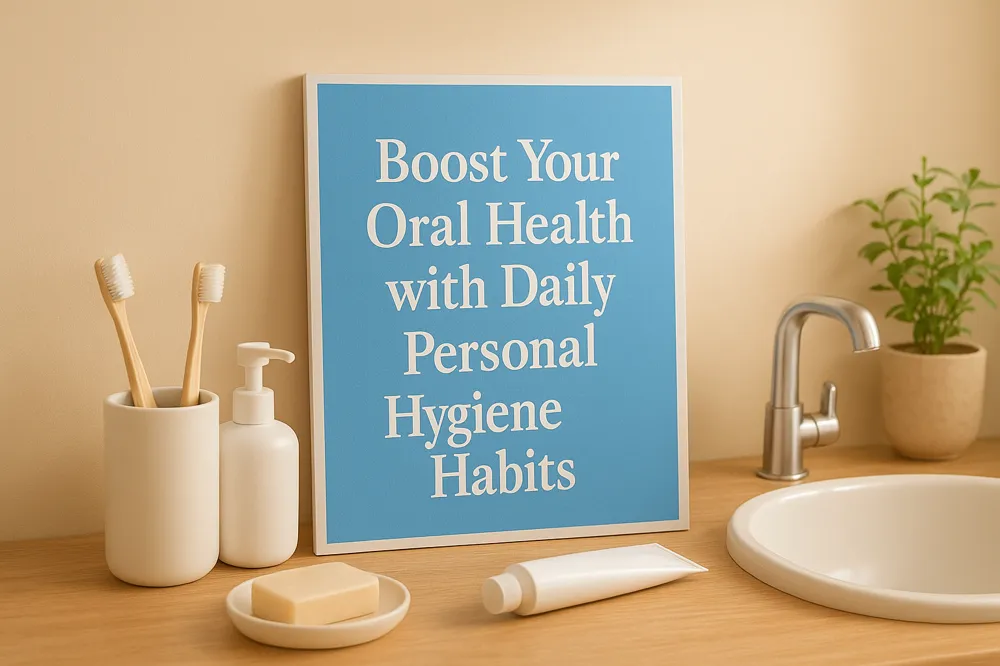
What are five essential daily personal hygiene practices?
Maintaining daily personal hygiene is vital not only for overall health but also for protecting your oral health. Five essential practices include:
- Brushing teeth twice daily with fluoride toothpaste for two minutes, using a soft-bristled toothbrush to remove plaque and bacteria effectively.
- Flossing daily to clean between teeth where a toothbrush cannot reach, preventing cavities and gum issues.
- Cleaning your tongue gently each day to reduce bacteria and freshen breath.
- Using an antibacterial mouthwash to further control plaque and harmful oral bacteria.
- Maintaining general hygiene like regular handwashing, bathing, and covering your mouth when coughing to reduce the spread of germs.
How does tobacco avoidance impact oral health?
Avoiding tobacco products plays a significant role in enhancing oral health. Tobacco use increases the risk of gum disease, oral cancers, and tooth discoloration. Quitting or steering clear of tobacco not only reduces inflammation and bleeding in gums but also lowers the chances of developing serious infections and cancers in the mouth. This habit improves both your smile and overall systemic health.
What dietary considerations support oral wellness?
A balanced diet rich in fruits, vegetables, dairy, and lean proteins supports dental strength while limiting sugary and acidic foods protects enamel. Hidden sugars are often found in seemingly savory items like BBQ sauce, ketchup, and canned soups—moderating these helps lower cavity risks. Calcium and vitamin D intake through foods like dairy and fortified products strengthens teeth and bones. Reducing frequent snacking limits the exposure of teeth to decay-causing acids. For more on this, see oral health and diet recommendations.
How does hydration influence oral bacterial control?
Drinking plenty of water, especially fluoridated tap water, dilutes and washes away food particles and bacteria. Hydration boosts saliva production, which neutralizes acids and naturally protects teeth against decay. Chewing sugar-free gum after meals can also stimulate saliva, aiding in cleaning teeth and controlling bacterial growth. Learn more about hydration and oral health.
Why should you avoid using your teeth as tools?
Using teeth to open bottles, bite pens, or chew hard objects can chip, crack, or damage teeth and dental restorations. Such habits increase the risk of dental trauma, leading to pain, costly repairs, and long-term damage. Protecting your teeth with proper tools for daily tasks preserves their strength and appearance. See preventing dental trauma for details.
Through consistent daily habits and mindful lifestyle choices, you can effectively support your oral hygiene best practices, preventing disease and maintaining a healthy, confident smile.
Preventive Dental Care’s Broader Impact on Health and Cost Savings
What is the importance of oral hygiene in daily life?
Oral hygiene plays a critical role in daily life by preventing cavities, gum disease, and other oral health problems. [Brushing twice daily with fluoride toothpaste], [flossing daily], and [regular dental visits] help remove plaque and bacteria that can cause decay and infection. Good oral hygiene supports overall well-being by lowering the risk of systemic diseases linked to poor oral health such as cardiovascular disease, diabetes, stroke, and respiratory infections. Beyond protecting teeth and gums, maintaining oral health preserves essential functions like eating and speaking, boosting confidence and social well-being.
How does preventive dental care contribute to broader health benefits?
[Preventive dental care] not only safeguards the mouth but also aids in early detection of issues that impact systemic health. Conditions like periodontitis can worsen diabetes and contribute to heart and lung diseases if untreated. Regular checkups, professional cleanings, and fluoride treatments help keep these problems in check. Additionally, dental professionals may spot signs of other illnesses early, such as nutritional deficiencies or oral cancers, enabling timely medical care.
Why is preventive dental care cost-effective?
Investing in [preventive dental services] drastically reduces the need for expensive restorative treatments later on. Routine exams and cleanings prevent advanced decay and gum disease, thus avoiding costly procedures like root canals, crowns, and extractions. Studies show that every dollar spent on prevention can save $8 to $50 in future treatment costs. This cost-effectiveness also eases the strain on healthcare systems by reducing emergency dental visits, many of which are avoidable with proper care.
What role do advances in technology play in early diagnosis?
Modern diagnostic tools such as [digital X-rays], [intraoral cameras], and [CBCT scans] enhance the dentist’s ability to detect decay, gum disease, and other oral conditions at their earliest stages. These technologies allow for precise treatment planning and monitoring, improving outcomes and preventing progression to more serious disease. Early detection minimizes treatment complexity and preserves natural teeth.
How do community-level approaches support oral health?
Public health interventions, like [community water fluoridation], provide widespread protection against tooth decay. Adjusting fluoride levels in drinking water has saved billions nationally in dental treatment costs and significantly lowered cavity rates across populations. Access to affordable dental care, healthy foods, and education in communities further contributes to better oral health outcomes and reduces health disparities.
Benefits beyond oral health from regular professional care include:
- Early detection of systemic conditions
- Improved management of chronic diseases linked to oral health
- Reduction in healthcare costs through prevention
- Support for healthy aging with fewer dental complications
Preventive dental care is a fundamental component of overall health, delivering both personal and societal benefits by reducing illness, improving quality of life, and saving on costly treatments.
| Topic | Impact | Details |
|---|---|---|
| Oral-Systemic Link | Lower risk of heart disease, diabetes, complications | [Prevents systemic infection spread] |
| Cost-Effectiveness | Saves $8-$50 per $1 spent on prevention | [Reduces emergency visits and complex care] |
| Advanced Diagnostic Tools | Early, accurate detection and treatment | [Digital X-rays, intraoral cameras, CBCT] |
| Community Programs | Fluoridation benefits large populations | [Saves billions and decreases cavity risk] |
| Benefits Beyond Oral Health | Early illness detection, better chronic illness management | Supports overall well-being and aging |
Building a Lifelong Foundation for a Healthy Smile
Building a strong foundation for lasting oral health begins with daily habits like brushing twice a day with fluoride toothpaste and flossing to remove plaque and food particles from hard-to-reach areas.
Regular use of an antibacterial mouthwash can reduce harmful bacteria and freshen breath.
Scheduling routine dental checkups every six months enables professional cleanings and early detection of issues, preventing costly treatments down the line.
Listening to dental professionals' guidance and maintaining good habits significantly lowers risks of cavities, gum disease, and oral infections.
Consistent oral hygiene positively impacts overall health by reducing risks linked to heart disease, diabetes, and other systemic conditions.
By dedicating a few minutes daily to your oral care and partnering with your dentist, you pave the way for a confident, healthy smile that lasts a lifetime.