A Brighter Smile, With Realistic Expectations
Professional teeth whitening can brighten natural teeth by lifting some discoloration, but it does not change the color of crowns, fillings, or veneers. How much your smile changes depends on the type of stain and your individual teeth, so a dentist can help set realistic expectations. Cleveland Clinic’s guide to teeth whitening explains how bleaching works and why results vary.
An in-office visit typically involves an oral assessment, protection for the gums, and carefully applied whitening gel. Some people notice temporary tooth sensitivity or gum irritation, while others have little discomfort. The appointment and possible side effects can vary with the treatment plan and your oral health.
At Loud Family Dental in Shreveport, discussing your goals and dental history with the care team helps determine whether whitening suits your smile. Ask what change is realistic, whether existing dental work may look different afterward, and what aftercare to follow. A dentist’s guidance can help you weigh the cosmetic benefits alongside comfort and oral health.
What Happens During Treatment
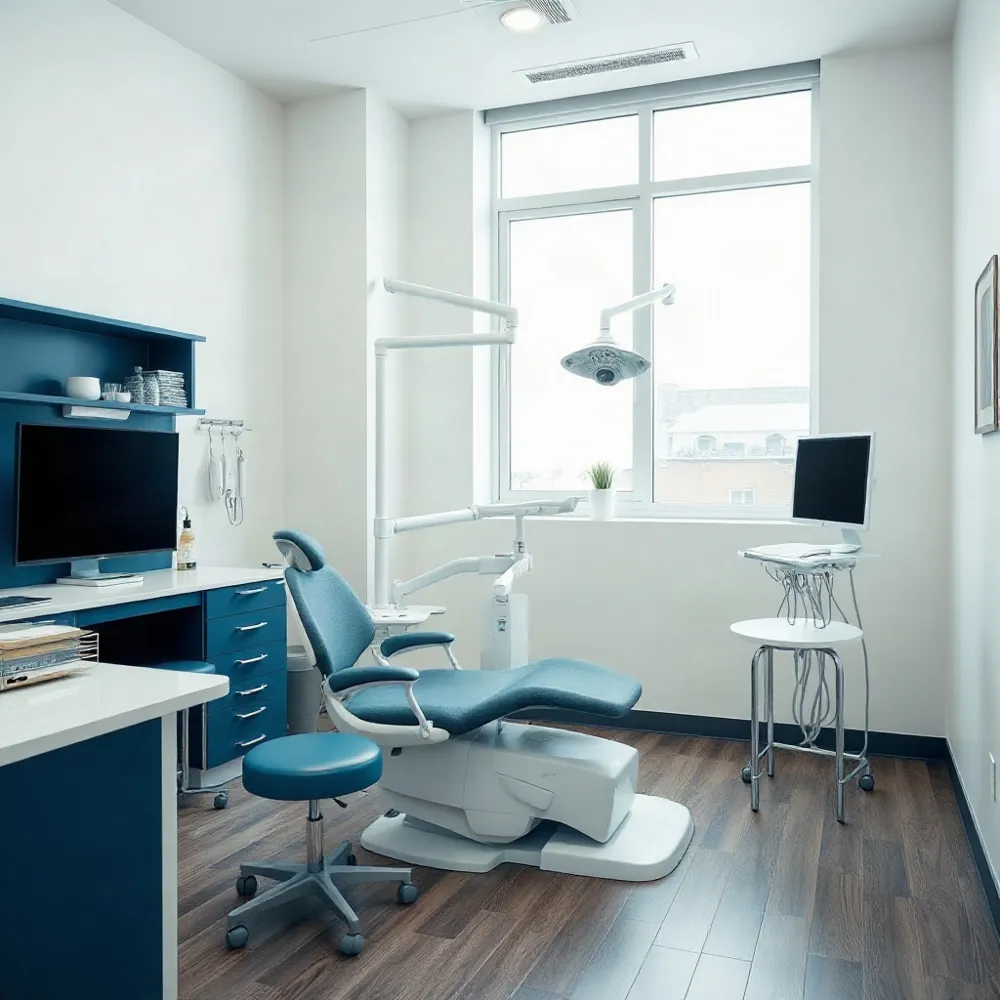 A whitening appointment at Loud Family Dental begins with a check of your teeth and gums, along with a conversation about your goals and any past sensitivity. This assessment helps the dentist decide whether whitening is suitable and explain what kind of change is realistic for your smile.
The dental team may record your starting tooth shade so you can compare it with the result later. Before applying the bleaching gel, they protect the gums and nearby soft tissues, such as the lips and cheeks, from contact with the product.
The gel stays on the teeth for a set period, then is rinsed away. Some systems involve more than one application, and some use a light, but the specific steps depend on the treatment plan. Research reviews have not found consistent evidence that light activation improves whitening, so it is not part of every procedure. The professional whitening process varies with the product and patient.
An in-office appointment commonly takes about 60 to 90 minutes, although timing depends on the system and the number of applications planned, according to Verywell Health. Your dentist can walk you through each step, discuss expected comfort, and explain what to do if you feel discomfort during treatment.
When You May Notice a Difference
Many people notice a visible change when an in-office whitening appointment ends, but the amount of change varies. The appointment commonly lasts about 60 to 90 minutes, and that timing does not guarantee a particular shade or result. Professional whitening treatment can produce a change in one visit, though some people may need a different plan.
The immediate shade is not always the final one. Teeth can look temporarily different after treatment and then shift as they rehydrate and the color settles. There is no single timeline that applies to everyone, so avoid judging the result only by how your teeth look right after the appointment.
Dentist-provided take-home trays generally create a more gradual change over a period of use, following the dentist’s instructions. At Loud Family Dental, discussing your starting shade, the cause of discoloration, and any crowns, fillings, or other dental work helps set expectations. These factors can affect how much whitening is visible. For more on treatment and results, see what to expect from professional teeth whitening.
What Whitening Can Change
Professional whitening can make natural teeth noticeably brighter, sometimes after one in-office visit. The degree of change depends on the cause of discoloration, your natural tooth color, and individual circumstances, so a particular shade or uniform result cannot be promised. Professional whitening works by breaking down colored compounds in teeth.
Surface stains from foods, drinks, or tobacco may respond differently from discoloration that develops within the tooth. Yellow or brown stains may be more responsive, while deeper gray or medication-related discoloration can be harder to treat with bleaching alone. A dentist can assess the likely cause and explain whether whitening fits your goals.
Whitening changes natural tooth color, not the shade of crowns, veneers, fillings, or other restorations. As a result, existing dental work may look darker beside newly whitened teeth. A dental assessment at Loud Family Dental can help you discuss this possibility and consider an approach suited to your teeth and restorations.
If whitening alone is unlikely to address the discoloration, your dentist can discuss other options and help set a realistic shade goal. The right plan depends on the stain and your oral health, rather than on a fixed promise of how many shades your smile will change.
Sensitivity and Other Possible Effects
 Professional whitening is usually manageable, but some people notice temporary sensitivity rather than significant pain. Teeth may feel more sensitive to cold, heat, or sweet foods during or after treatment, and the gums may become irritated if whitening gel touches them. Experiences vary, and these effects often ease after treatment ends.
Sensitivity can begin while the whitening agent is being applied or develop afterward, and it may last several days. A review of whitening research describes temporary tooth sensitivity and mild gum irritation as common possible effects, with the likelihood influenced by factors such as treatment concentration and duration (tooth whitening evidence review).
Before treatment at Loud Family Dental, tell the dentist about existing sensitivity, cavities, gum concerns, or other dental issues. This helps the team assess whether whitening is suitable and consider precautions for your comfort. An examination can also identify concerns that may need attention before cosmetic treatment.
If sensitivity occurs, follow your dentist’s advice about using toothpaste for sensitive teeth or other comfort measures. Avoid assuming that severe or worsening discomfort is routine. Contact the dental office if symptoms are intense, persist, or do not begin to improve, so the team can advise you on what to do next.
Weighing Options and Costs
Professional whitening fees vary by dental practice, method, and treatment plan. In-office treatment typically costs more than dentist-supervised take-home trays, which offer a gradual alternative. The options, timing, and likely costs are outlined in this guide to professional and at-home whitening.
An exam or cleaning may be recommended before whitening, especially if the dentist needs to check your oral health or prepare your teeth. Ask whether those services are included in the quoted fee or billed separately. At Loud Family Dental, patients can discuss suitable options and current pricing during a consultation; no single price applies to every treatment plan.
Request a written estimate that explains what the fee covers, whether additional care is recommended, and how the treatment approach fits your goals. Professional supervision can help match the method to the cause of discoloration and your dental health, but it cannot guarantee a particular shade. Professional whitening guidance also notes that more than one session may be needed to reach a preferred result.
Whitening may be worthwhile if you want noticeable lightening of natural teeth, value dental guidance, and are comfortable with results that need upkeep. Consider the full trade-off: temporary sensitivity or gum irritation may occur, crowns and fillings will not change shade, and habits such as drinking coffee or tea can contribute to restaining. A dentist can help weigh those factors against your budget and explain whether your expectations fit what whitening can achieve.
How Long Results May Last
Professional whitening is temporary. Results can last from several months to a few years, but the timeline depends on your teeth, the original cause of discoloration, and everyday habits. The evidence review Tooth Whitening: What We Now Know notes that staining exposure can lead to restaining sooner, while results may persist longer when those exposures are limited (2014 review of whitening research.
Coffee, tea, red wine, tobacco, and other staining foods or drinks can gradually dull the brighter appearance. Daily brushing and flossing help support oral health, while regular dental cleanings can remove plaque and surface buildup. At Loud Family Dental, whitening is considered alongside a patient's oral health and goals, rather than as a one-size-fits-all treatment.
Touch-ups may help some people maintain their preferred shade, but there is no schedule that suits everyone. Ask your dentist whether a touch-up is appropriate and when to consider it. Whitening too often can increase sensitivity, so follow professional guidance and your treatment instructions. For more on the factors that affect how long whitening results may last, consider your habits and individual oral health.
Food and Drink After Whitening
 After your teeth whitening treatment, it's important to be mindful of what you eat and drink to maintain your results. For the first 48 hours, avoid dark-colored foods and beverages like coffee, tea, red wine, and berries, as they can stain your teeth. Also, steer clear of acidic foods and drinks that can weaken the enamel. Stick to white or light-colored foods such as chicken, fish, rice, and dairy products. Remember to brush gently and rinse with water after meals to keep your smile bright.
Brushing and Everyday Aftercare
When you can brush after professional whitening depends on the treatment and your dentist’s instructions. As general guidance, waiting at least 30 minutes to an hour before brushing may be appropriate, but follow the timing recommended by the team that treated you. For more individualized advice, patients at Loud Family Dental can ask their dentist how to care for their teeth after whitening.
Once you brush, use a soft-bristled toothbrush and non-abrasive toothpaste, and brush gently rather than scrubbing. Continue flossing as usual to remove plaque and food debris between teeth. Consistent daily hygiene supports oral health, though it cannot prevent every new stain.
If your teeth feel sensitive, a toothpaste made for sensitive teeth may help. Avoid very hot or cold foods and drinks when they trigger discomfort, and give your teeth time to settle. Temporary sensitivity can occur after whitening, but symptoms that persist or worsen deserve a call to your dentist. The Cleveland Clinic’s guidance on whitening safety also recommends seeking dental advice if sensitivity or gum irritation develops.
For the first 24 to 48 hours, limit staining foods and drinks such as coffee, tea, red wine, and dark sauces, and avoid tobacco. This short-term caution can help reduce fresh staining while you follow your clinician’s aftercare plan. General recommendations may not fit every patient, especially when sensitivity or other dental concerns are present, so your treating dentist’s instructions should take priority. For additional brushing and everyday aftercare guidance, use advice suited to your own treatment and oral health.
Plan Whitening Around Your Smile
A dental exam and conversation can help you decide whether whitening suits your teeth and gums, what kind of change is realistic, and how to manage comfort and cost. At Loud Family Dental, whitening discussions take place within comprehensive care for patients of all ages, so questions about oral health and cosmetic goals can be considered together.
After treatment, follow your dentist’s specific aftercare advice rather than relying on a one-size-fits-all schedule. Contact the dental team if you have questions or notice unusual or lasting discomfort. A Cleveland Clinic guide to teeth whitening also advises discussing treatment suitability with a dentist and using whitening products as directed.