Setting the Stage for a Lifetime of Oral Health
Establishing a dental home by a child's first birthday or upon the emergence of their first tooth is essential for long-term health. According to PMC research, starting routine visits early serves as a protective factor, helping children develop familiarity and comfort before any complex treatment is required.
Children often mirror the behaviors of their parents, making your attitude toward the dentist a powerful tool for success. By speaking about upcoming checkups with calm and neutral language, you help normalize the process as a routine part of life rather than a source of stress. For instance, framing the visit as a chance to count teeth or check a smile creates a positive expectation that reduces apprehension.
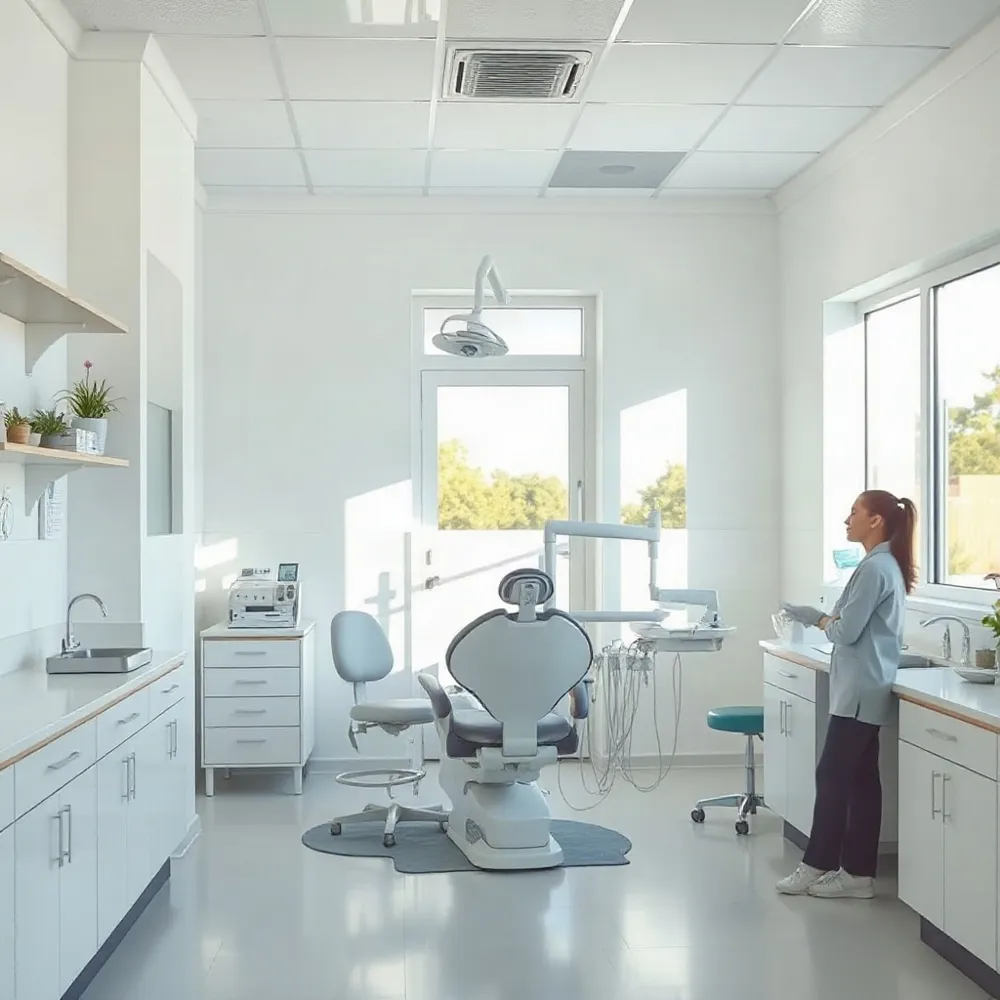
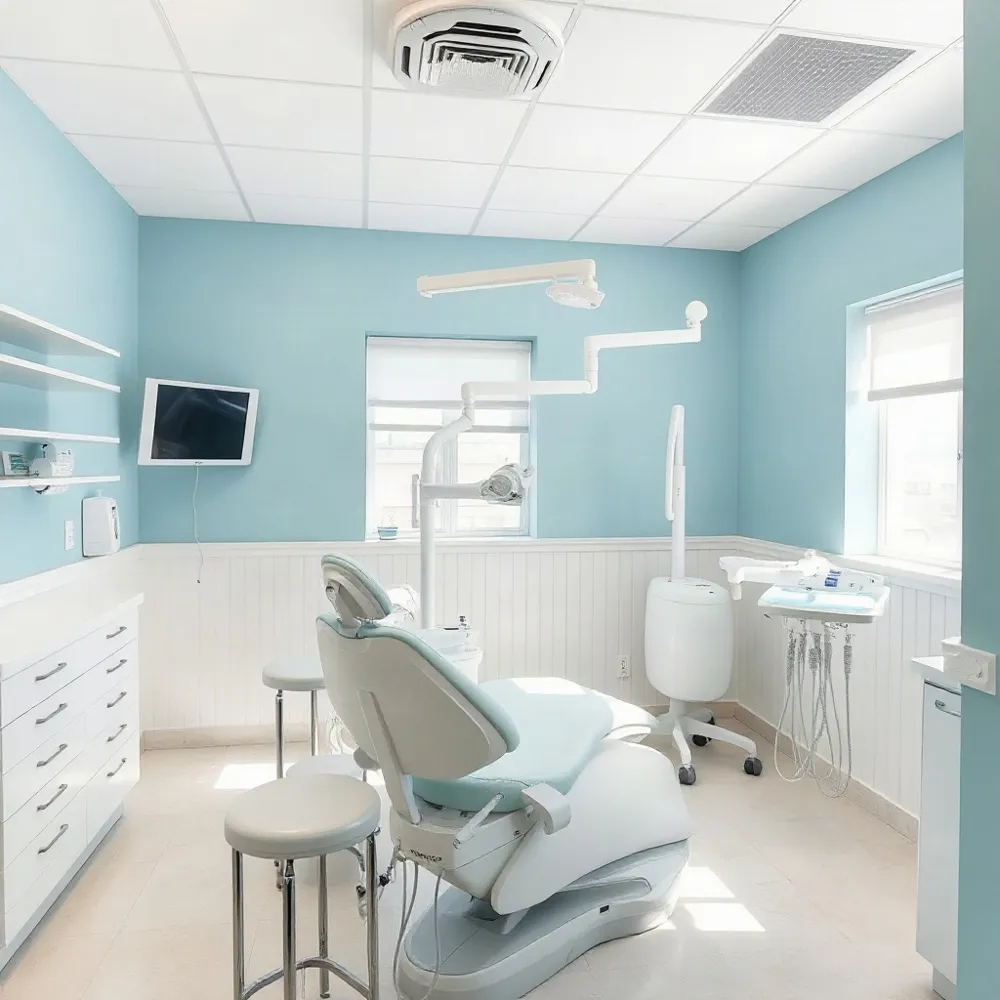
At Loud Family Dentistry, we prioritize patient comfort by creating a welcoming atmosphere where children can build confidence at their own pace. Unlike general practices that may lack child-focused amenities, our team emphasizes gentle, preventive care that transforms the dental chair into a familiar, non-threatening space. Prioritizing these positive early experiences builds a foundation of oral health that can last a lifetime.
Starting Early: The Importance of Your Child’s First Visit
 The American Academy of Pediatric Dentistry recommends that a child’s first dental visit occur within six months after their first tooth appears, or by their first birthday at the latest. Establishing this foundation early helps Loud Family Dentistry provide a protective environment against future dental fear. Per MouthHealthy research, these early encounters are vital because they allow your dentist to monitor oral development and provide essential guidance on infant feeding, teething, and cleaning habits.
Building a Dental Home
Establishing a dental home early helps your child become familiar and comfortable with the clinical environment before complex procedures are ever necessary. This approach leverages the concept of latent inhibition, where positive or neutral early experiences act as a vaccine against potential anxiety later in life. While general practices may feel intimidating to a toddler, specialized care ensures the atmosphere is tailored to young patients.
Routine check-ups are also crucial for long-term health. These appointments allow the dental team to identify potential issues with tooth spacing or alignment early. By prioritizing regular, non-painful visits, parents can ensure that oral care feels like a normal, safe part of life. Ultimately, these sessions are the primary method for setting the foundation for a lifetime of healthy, confident smiles.
What to Expect During the Initial Dental Examination
 The first dental visit is designed to be a gentle, positive experience that helps your child feel comfortable and safe in the dental chair. The process focuses on familiarization rather than complex treatments, ensuring your little one builds a foundation of trust with the dental team. During this initial assessment, the dentist performs a soft examination of your child’s teeth, gums, and jaw development while you remain close by for support.
At Loud Family Dental, we recognize that parental presence is one of the most effective tools for reducing anxiety. If your child feels overwhelmed, you are encouraged to hold them on your lap during the examination to provide a sense of security. Per MouthHealthy, it is perfectly normal for young children to be wiggly or even cry during these first encounters as they adjust to new sensations.
Beyond the physical exam, these sessions are a key educational opportunity for caregivers. We take the time to review essential oral hygiene practices, such as proper brushing techniques and nutrition choices, to keep those new smiles healthy. You should feel encouraged to ask any questions you have regarding teething, pacifier use, or long-term dental health goals. According to research from the American Academy of Pediatric Dentistry, establishing this relationship early serves as a protective factor against future dental fear, turning what could be a stressful experience into a routine part of a child's life.
Proactive Strategies to Ease Dental Anxiety at Home
 Helping your child feel comfortable starts with your own attitude, so remain calm and enthusiastic, as children often mirror their parents' emotions. Research shows that a history of positive, neutral experiences acts as a vaccine against future anxiety, making your proactive approach at home essential for long-term health. To help your child feel less scared before a dental visit, begin by scheduling appointments during their freshest, most energetic times of day, such as the morning, to avoid the irritability that can come with afternoon fatigue.
Building Confidence Through Familiarity
Familiarize your child with the process by reading books or watching videos about dental visits, which helps transform the unknown into a relatable story. You can further demystify the experience through dramatic play, such as having them pretend to clean the teeth of a stuffed animal. Using positive, simple language to describe the exam is vital; try calling tools tooth ticklers or explaining that the dentist is there to help their smile stay strong and shiny. Professional organizations agree that consistent, low-stress exposure is key to building a healthy, lifelong relationship with oral care.
When speaking with your child, avoid using negative words like pain or needle, as these can trigger unnecessary fear. At loudfamilydentistry.com, we prioritize a comfortable environment to ensure each visit builds trust. If you remain unsure about how your child might react, consider asking our team if you can bring them by for a quick, casual tour to help them feel at home in our office before their actual appointment.
| Strategy | Home Application | Clinical Goal |
|---|---|---|
| Scheduling | Book morning slots | High energy levels |
| Role Play | Use toy animals | Reduce fear of unknown |
| Language | Use positive labels | Remove dental stigma |
Techniques for Managing Sensitivity and Fear During Care
For children who struggle with the sensory components of a visit, simple grounding techniques can significantly improve their comfort. While some parents look for a universal 3-3-3 rule, pediatric dentistry focuses on personalized sensory regulation. Encouraging your child to identify objects they can see, sounds they hear, or a soft item they can touch helps bring their focus into the room and away from internal anxiety. At Loud Family Dentistry, we prioritize creating a calm atmosphere where your child can feel safe, often starting with a gentle pace that respects their developmental needs.
To further demystify the experience, we utilize the Tell-Show-Do method. This approach involves explaining each tool in simple terms, demonstrating it safely on a model or their hand, and then performing the task. By removing the fear of the unknown, children are often surprised by how manageable a cleaning or exam can be. Unlike the clinical, fast-paced environment of some general practices, our team takes the time to introduce equipment like suction tools or mirrors as 'silly straws' or 'tooth counters' to keep the mood light and approachable.
Distraction remains one of the most powerful tools in our clinic to divert attention from dental stimuli. Whether it is listening to a favorite playlist, watching an engaging show, or squeezing a tactile stress toy, these sensory diversions keep children occupied during routine care. According to PMC research, fostering a friendly, supportive relationship between the dental team and the child is essential for long-term oral health. If you are concerned about your child's anxiety, please reach out to our team at loudfamilydentistry.com before your next visit. We are committed to using non-pharmacological methods to ensure every appointment builds confidence rather than fear.
Handling Medication and Behavioral Resistance Professionally
Managing a child’s dental anxiety requires a focus on safety and professional guidance. You should never administer over-the-counter medications, such as Benadryl, to manage your child’s dental anxiety without explicit, prior approval from your dentist. Giving medication at home can lead to dangerous drug interactions with local anesthetics or sedation, and it may mask physical symptoms your dentist needs to monitor for your child's safety.
At loudfamilydentistry.com, we prioritize a collaborative approach to ensure your child remains comfortable and secure. Rather than relying on home remedies, our team works with you to develop a professional, customized care plan. We offer various clinical options such as nitrous oxide or oral conscious sedation, which are monitored under strict medical protocols to ensure safety during more complex procedures.
Supporting Your Child Through Resistance
It is completely normal for children to exhibit hesitation, clinginess, or resistance during a dental visit. When a child struggles to cooperate, our team employs evidence-based behavior guidance techniques like the Tell-Show-Do method. By explaining each step of a procedure, showing the tools involved, and then performing the task, we demystify the dental experience and reduce fear.
We value open communication between the dentist, the child, and the parents to address underlying concerns. Loud Family Dentistry in Shreveport is dedicated to working at your child’s pace. If initial resistance persists, we will discuss alternative pacing or specialized behavioral approaches to ensure your child receives necessary treatment without feeling overwhelmed. Our goal is to replace fear with confidence through a positive and consistent dental home.
Partnering for Your Child’s Long-Term Dental Success
Establishing a routine of preventive dental care is the most effective way to safeguard your child's oral health. By visiting the dentist every six months, as recommended by the American Academy of Pediatric Dentistry, you help normalize the clinical environment and prevent the development of dental fear. At Loud Family Dentistry, we emphasize that regular, non-painful visits act as a protective vaccine against future anxiety by familiarizing children with the office setting and dental team.
Building a positive association with oral health requires patience and consistency. Use positive reinforcement by offering specific praise for cooperative behavior, such as sitting still during an examination. While some practices might rely on aggressive scheduling, we focus on patient comfort through gentle, age-appropriate communication. Small, non-candy rewards can also serve as effective motivators, transforming each appointment into a successful experience.
Ultimately, your role as a partner in this process is vital. Openly discussing your child's needs with our team ensures that we can tailor every visit to their specific comfort level. By making these check-ups a standard part of life, you provide your child with the foundation for a healthy smile that lasts a lifetime.