
A Flexible Timeline for a Straighter Smile
Orthodontic care is not limited to childhood or the teen years. Children may benefit from an evaluation as their teeth and jaws develop, while adults can also explore treatment for alignment or bite concerns. Age alone does not determine whether care is appropriate.
The right timing and approach depend on each person’s teeth, bite, jaw development, and oral health. A first evaluation is not a promise that treatment must begin right away. Sometimes monitoring is the best next step; in other cases, a developing concern may warrant treatment.
At Loud Family Dental, a community-oriented practice offering comprehensive dental services for patients of all ages, discussing a concern with a dental professional can help clarify whether an orthodontic evaluation is appropriate. The sections ahead explain how recommendations may differ for children and adults.
When Children Should Be Evaluated
 The American Association of Orthodontists recommends an initial orthodontic evaluation by age 7, when many children have a mix of baby and permanent teeth. This gives an orthodontist a chance to assess developing tooth alignment, the bite, and jaw growth. Loud Family Dental provides care for patients of all ages, so parents can raise alignment concerns during a child’s dental care and ask whether an orthodontic evaluation is appropriate.
An evaluation at this age is a checkup milestone, not a recommendation that every child start braces at 7. The orthodontist may find that no treatment is needed yet and recommend monitoring as the child grows. Many alignment problems are treated after more permanent teeth erupt, though selected developing concerns may benefit from earlier care. The AAO’s guidance for children explains that an early visit can clarify whether treatment is needed and when it should begin.
Parents do not need to wait until age 7 if they notice a concern sooner, such as teeth that do not meet properly, crowding, or an uneven bite. Loud Family Dental’s focus on comprehensive care for children and adults makes it a place to discuss those observations and decide whether a specialist assessment is warranted. The right timing depends on the child’s development and individual needs.
Orthodontic Treatment for Adults
There is no upper age limit for orthodontic treatment. The American Association of Orthodontists reports that adults make up about one in three orthodontic patients, and teeth can respond to controlled forces at different ages (AAO guidance on adult orthodontics). Age alone rarely rules out care, though adult treatment for a similar concern may take slightly longer because growth has ended and bone is more mature.
Before recommending braces or clear aligners, a clinician should assess gum health, teeth, and supporting bone, along with existing fillings or other dental work, missing or worn teeth, medications, and habits such as clenching or grinding. These details can affect treatment choices and progress.
Orthodontists may coordinate with a patient’s general dentist or other specialists when additional dental care is needed. As a community-oriented clinic serving patients of all ages, Loud Family Dental provides comprehensive dental care and can help patients discuss their oral health concerns and the appropriate next step. For more on adult care, see orthodontic treatment for adults.
Choosing an Appliance for Your Needs
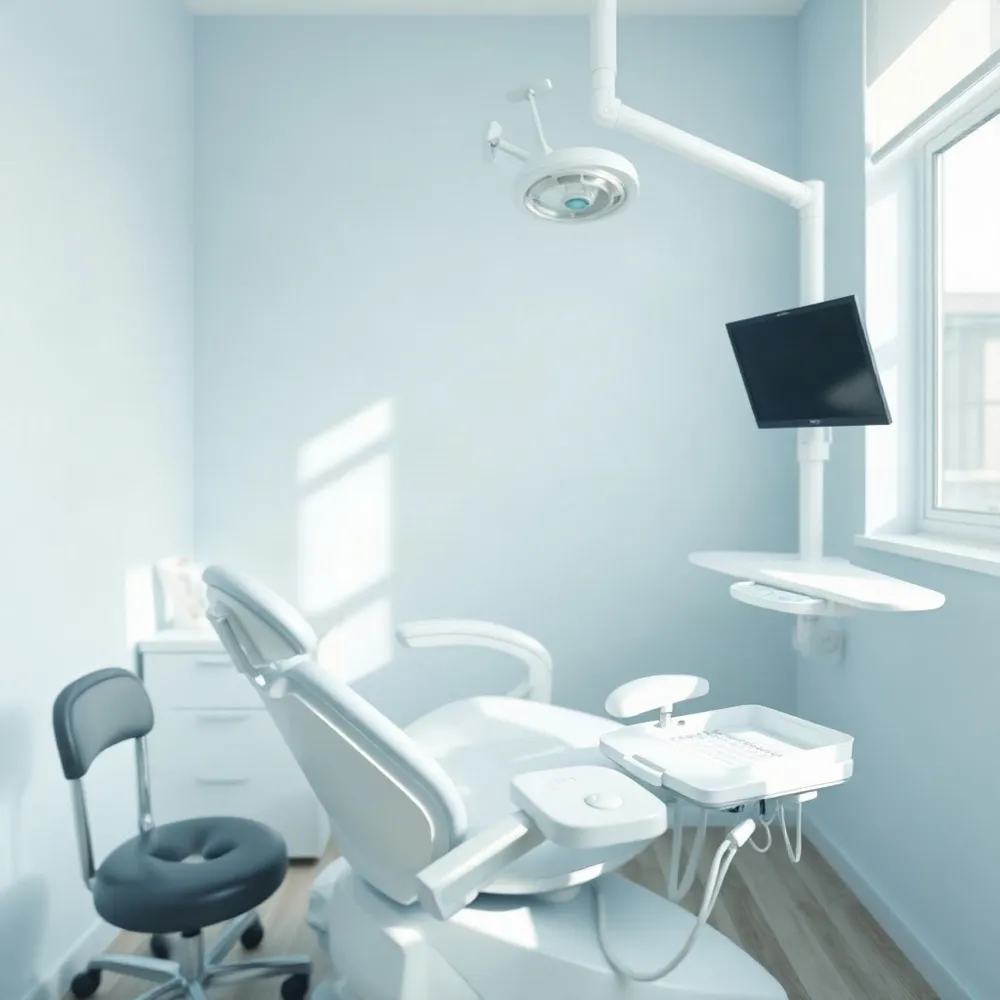 An appliance is chosen to address a person’s bite and alignment concerns, not simply to match an age group or appearance preference. At Loud Family Dental, patients of all ages can discuss oral health concerns in a community-oriented setting; an orthodontic evaluation can clarify which treatment options fit the individual case.
Metal braces use brackets attached to the teeth and wires to guide tooth movement. Ceramic braces work in a similar way but use tooth-colored components, making them less noticeable. Lingual braces attach to the backs of the teeth, while clear aligners are removable trays. The Cleveland Clinic’s guide to braces describes these options and notes that treatment choice depends on the patient’s orthodontic needs.
For teenagers, braces stay in place and can address a range of alignment and bite concerns. Aligners are less noticeable and can be removed for meals and cleaning.
When an Expander May Help
A palatal expander is not automatically needed for every child. An orthodontist considers one when an individual evaluation suggests it may address a specific developing concern, such as a narrow upper jaw or certain crossbites. The American Association of Orthodontists notes that early care is intended to address selected problems, not to start every child in treatment.
An expander can adjust the jaw as it grows and create room or improve how the upper and lower teeth fit together. Whether it is appropriate depends on a child’s bite and jaw development, so similar-looking concerns do not always call for the same appliance.
Monitoring or another treatment may be more suitable, and an early assessment can lead to observation rather than immediate care. At Loud Family Dental, families can discuss a child’s dental concerns as part of the practice’s care for patients of all ages; an orthodontist can explain why an expander is recommended, how it is used, and what follow-up involves.
Understanding Costs and Coverage
There is no single price for braces or adult orthodontic treatment. The total depends on the complexity of the case, the appliance and treatment plan, the provider, and the geographic region. An evaluation is the best way to receive an estimate that reflects your needs.
At Loud Family Dental, patients can discuss dental concerns in a community-oriented practice serving people of all ages. Orthodontic costs still require an individualized consultation; the American Association of Orthodontists’ guidance on adult treatment costs also notes that prices vary by case, region, and provider.
Ask for a written estimate before starting care. It should spell out what is included, such as examinations, imaging, adjustment visits, retainers, and follow-up care, and identify any additional charges. For more context on factors that affect treatment costs, see this guide to orthodontic costs and financing.
Insurance benefits differ by plan. Some policies include orthodontic benefits, while many do not cover adult treatment. Medicaid coverage also varies by state and individual circumstances. Contact your insurer or state Medicaid program to confirm eligibility, prior authorization requirements, covered services, and expected out-of-pocket costs before treatment begins.
Managing Common Treatment Discomfort
 Mild soreness, tenderness, or pressure is common after braces are placed or adjusted. Clear aligners may also feel tight when you begin a new set. These sensations usually ease as your mouth adjusts, but the timing and intensity can vary.
Brackets and wires can rub against the cheeks or lips and cause irritation. Orthodontic wax may help protect sore spots, and soft foods can be more comfortable for a short time. For practical tips on managing common treatment discomfort, see our related guide.
Cleaning requires extra care during treatment. Plaque can collect around brackets and wires, increasing the risk of gum inflammation and tooth decay. Brush carefully with fluoride toothpaste, clean between teeth daily, and keep regular dental visits. Loud Family Dental provides comprehensive dental care for patients of all ages, including routine care that supports oral health during orthodontic treatment.
Contact a dental professional if pain is severe or does not improve, or if you have persistent irritation, sores, swelling, or another concern. A professional can assess the cause and suggest appropriate relief rather than assuming the symptom is routine. Cleveland Clinic also outlines common brace discomfort and care.
Start With an Individual Evaluation
Orthodontic care can be considered at different ages, but age alone does not determine whether treatment is suitable. An evaluation considers tooth and jaw alignment, bite, gum health, and other dental needs before a professional recommends an approach. The American Association of Orthodontists notes that adult care is common and that an orthodontist can assess options for an individual case (adult orthodontic treatment).
If you notice crowding, changes in your bite, or jaw concerns, discuss them with a dental professional. At Loud Family Dental, patients of all ages can discuss their oral health concerns in a community-oriented setting, and a professional can help determine whether an orthodontic evaluation is appropriate.
An evaluation can clarify whether treatment should begin now, whether monitoring is more appropriate, or whether another option may better fit your needs. The recommendation depends on your individual dental health and goals.