
The Spaces Brushing Leaves Behind
Brushing twice a day is a familiar foundation for oral care, but toothbrush bristles cannot effectively reach every tight space between teeth or just below the gumline. Plaque and food debris can collect in these areas even when the visible tooth surfaces feel clean, as the University of Iowa College of Dentistry explains.
Flossing helps clean those missed spaces, working alongside brushing rather than replacing it. It is also part of home care, not a substitute for dental examinations or professional cleanings. The National Institute of Dental and Craniofacial Research notes that flossing can disrupt plaque before it hardens, while a dental professional must remove hardened buildup.
The aim is not a complicated routine or a forceful scrub. Choose an interdental cleaner that suits your teeth and feels manageable, then use it gently and consistently. At Loud Family Dental, patients of all ages can discuss their oral-care needs with a dental team focused on comfortable, professional care.
Why Cleaning Between Teeth Matters
 Brushing cleans many exposed tooth surfaces, but bristles may miss tight spaces between teeth and the area just beneath the gumline. Floss or another suitable interdental cleaner can remove trapped food and plaque from those spots, complementing brushing rather than replacing it. This is why cleaning between teeth is part of a thorough daily routine.
Why is flossing important for oral health?
Plaque is a sticky film containing bacteria. When it remains between teeth or near the gums, it can contribute to cavities and gum inflammation. If plaque hardens into calculus, brushing and flossing cannot remove it; a dental professional must clear it with cleaning instruments, as the National Institute of Dental and Craniofacial Research explains. Removing plaque regularly helps care for gum tissue, but it cannot guarantee that every cavity or gum problem will be prevented.
What can happen if you brush but do not floss?
Food debris and plaque may remain in places a toothbrush cannot reach, and trapped material can contribute to persistent bad breath. Gum inflammation, or gingivitis, may cause redness, swelling, or bleeding. If it is not addressed, it can progress to periodontitis, which may damage the gums, bone, and other tissues supporting teeth. Loud Family Dental provides comprehensive dental services for patients of all ages, including professional care that can help address concerns and support home hygiene. Regular dental visits remain important, even when you brush and clean between your teeth consistently.
Build a Daily Cleaning Routine
For most people, cleaning between teeth once a day is a useful goal. The [American Dental Association’s flossing guidance](https://www.mouthhealthy.org/all-topics-a-z/flossing) recommends daily flossing alongside brushing twice a day for at least two minutes. Floss or another interdental cleaner can remove plaque and trapped food from areas a toothbrush may miss.
The order is flexible: floss before or after brushing, as long as you clean thoroughly. Some people like to floss first, then brush away loosened debris. Choose the order and time that fit your day, and follow a daily oral-care routine you can maintain.
Make the habit easier by keeping floss where you will see it, pairing it with brushing or another regular activity, or setting a reminder. A new routine can take time to feel automatic. Loud Family Dental provides comprehensive care for patients of all ages in Shreveport, so patients can ask their dental team which cleaning tool suits their teeth.
Missing a day now and then is unlikely to cause immediate harm. Rather than aiming for perfection, return to consistent cleaning between teeth and use gentle technique. If flossing feels difficult or uncomfortable, ask a dental professional about other options.
A Gentle Technique That Reaches Each Tooth
 Good technique cleans each tooth surface without pressing floss into delicate gum tissue. For a closer look at how this fits into daily care, see the role of flossing and mouthwash.
How do you floss correctly?
Start with about 18 inches of floss. Wind most around your middle fingers, leaving a short section between your thumbs and forefingers so you can guide it with control. Ease the floss between teeth with a gentle sawing motion rather than snapping it down against the gums.
At the gumline, curve the floss into a C against one tooth and slide it gently up and down along the tooth, including just beneath the gumline. Repeat against the neighboring tooth. Move to a clean section for each space, and remember the backs of the last teeth. A consistent route around your mouth can help you avoid skipping a spot. The National Institute of Dental and Craniofacial Research’s flossing guidance also recommends a gentle sawing motion and cleaning each tooth surface.
What are signs that you may be flossing too aggressively?
Flossing should not require force. Repeated soreness, cuts, small tears, or swelling where the floss touches your gums may mean you are pressing or snapping too hard, though bleeding can also occur when gums are inflamed or you are new to regular flossing. Try guiding the floss gently and shaping it around each tooth rather than digging into the gumline.
If bleeding, pain, or irritation continues despite gentle technique, ask a dental professional for advice. At Loud Family Dental in Shreveport, patients can discuss preventive care and get help with techniques that feel comfortable; if string floss is difficult to manage, ask which interdental cleaning tool may suit your teeth.
Choose a Tool That Fits Your Teeth
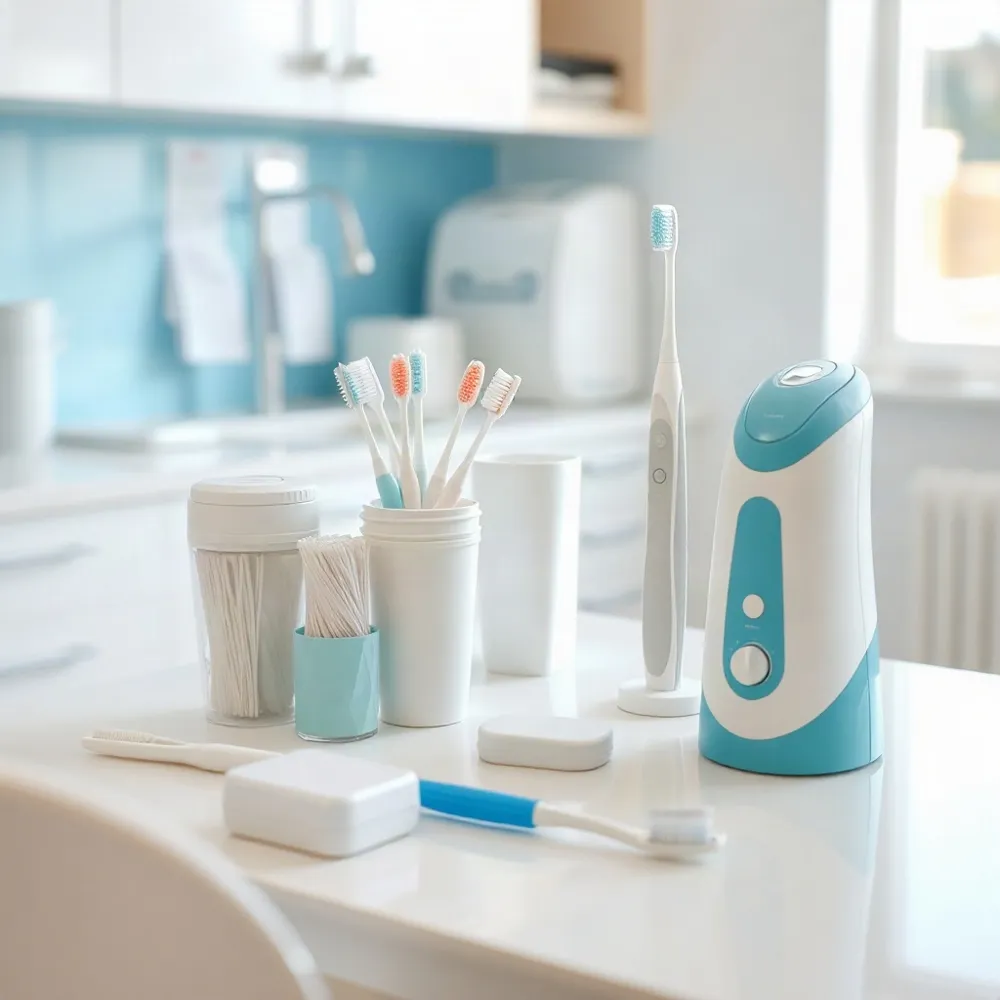 There is no single best tool for every mouth. Traditional dental floss, floss picks or holders, interdental brushes, and water flossers can all clean between teeth. The right choice depends on the spaces between your teeth, any dental work, and what feels manageable enough to use regularly.
String floss can pass through tight contacts and curve around each tooth. Picks and holders make floss easier to grip, while interdental brushes can suit wider spaces but may not fit everywhere. A water flosser sends a stream of water between teeth and may help people who find string floss difficult or need to clean around braces, bridges, or other dental work. The American Dental Association’s flossing guidance describes these options and recommends choosing one that works comfortably.
Avoid using improvised items such as pins, paper, or utensils to clean between teeth, since they can injure gum tissue. If you are unsure what fits your mouth, a dentist or hygienist can recommend a tool, demonstrate how to use it, and help adapt your routine. At Loud Family Dental, patients of all ages receive dental care focused on comfort, making a conversation about suitable cleaning tools part of personalized preventive care.
For a closer comparison of interdental cleaning tools, including floss picks and water flossers, see our guide to alternatives.
What Gums May Tell You
A little bleeding when you start flossing may mean your gums are inflamed, not that flossing is harming them. Gentle, consistent cleaning may help it improve. If bleeding or soreness continues, ask a dental professional to check your gums. See also what bleeding gums may tell you.
Can flossing make gaps appear between your teeth?
Gentle flossing does not create gaps. Removing trapped food or plaque, or changes as swollen gums settle, may make spaces easier to notice. Snapping or forcing floss can injure delicate tissue. Guide it gently around each tooth instead. Ask a dentist about new or widening gaps, exposed roots, ongoing sensitivity, or gums that seem to pull away. Established recession does not grow back through flossing. The National Institute of Dental and Craniofacial Research explains that gum disease can damage the tissues supporting teeth.
How soon might you notice benefits, and when should you seek care?
Some people notice less trapped food or a cleaner feeling within days, while gum-health changes may take longer. Early gum disease can have few obvious symptoms, so professional examinations can help find problems before they progress. Flossing cannot reverse a cavity or advanced gum disease. At Loud Family Dental, patients of all ages can receive professional dental care in a comfort-focused setting; persistent bleeding, pain, swelling, or sensitivity deserves an assessment.
Keep Whole-Body Claims in Perspective
Healthy gums matter, but flossing should not be presented as a way to prevent heart disease. Research has found associations between gum disease and cardiovascular problems, but an association alone does not establish that one causes the other.
Researchers have proposed that oral bacteria entering the bloodstream and inflammation linked with gum disease may play a role. Shared factors, such as smoking, and other explanations may also contribute. The University of Alabama at Birmingham’s discussion of oral health and cardiovascular conditions describes these findings as links, not proof that gum disease directly causes heart problems.
At Loud Family Dental, patients can receive care for oral health concerns as part of a community-oriented practice serving people of all ages in Shreveport. Flossing is one part of daily oral hygiene, not a guarantee against heart disease or a substitute for medical care.
Ask a dental professional about bleeding, swollen gums, or other gum concerns. For questions about cardiovascular risk, speak with your healthcare professional, who can consider your overall health and recommend appropriate care.
Make Consistency the Goal
Brushing and cleaning between teeth do different jobs, so both belong in a manageable oral-care routine. Choose an interdental tool that feels comfortable, use it gently, and aim to clean between your teeth regularly. The American Dental Association’s flossing guidance explains the daily role of cleaning between teeth.
If you are unsure about your technique, or if cleaning causes persistent pain or bleeding, ask a dental professional for personalized advice. At Loud Family Dental, patients of all ages can discuss their oral-care questions with a community-focused dental team in Shreveport.